Home
+
Published : 29 Jun 2026, 01:23 PM
Prime Minister Tarique Rahman has described the proposed budget for the 2026-27 fiscal year as a "life-friendly budget", saying it was designed to provide relief to people from all walks of life while steering the country through economic challenges.
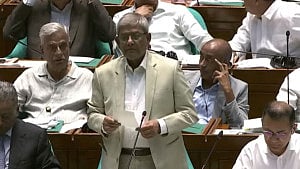
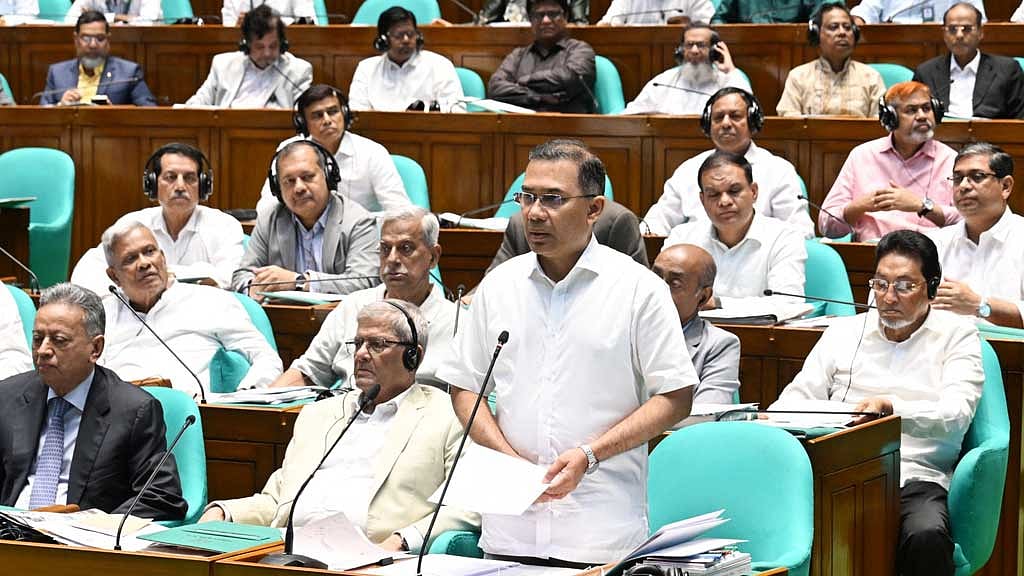
Speaking during the general discussion on the proposed budget in parliament on Monday, the prime minister said the government wanted to focus on the future rather than dwelling on the past.
"As the party in government, I would like to give this budget a name. I would call it a 'life-friendly budget'," the prime minister said.
"We have discussed the country's past, present and future. I do not want to engage in another debate about the past. We must move forward."
The prime minister said political discussions in Bangladesh had too often focused on the past instead of the future.
"I believe the people of this country want us to talk about the future," the prime minister said.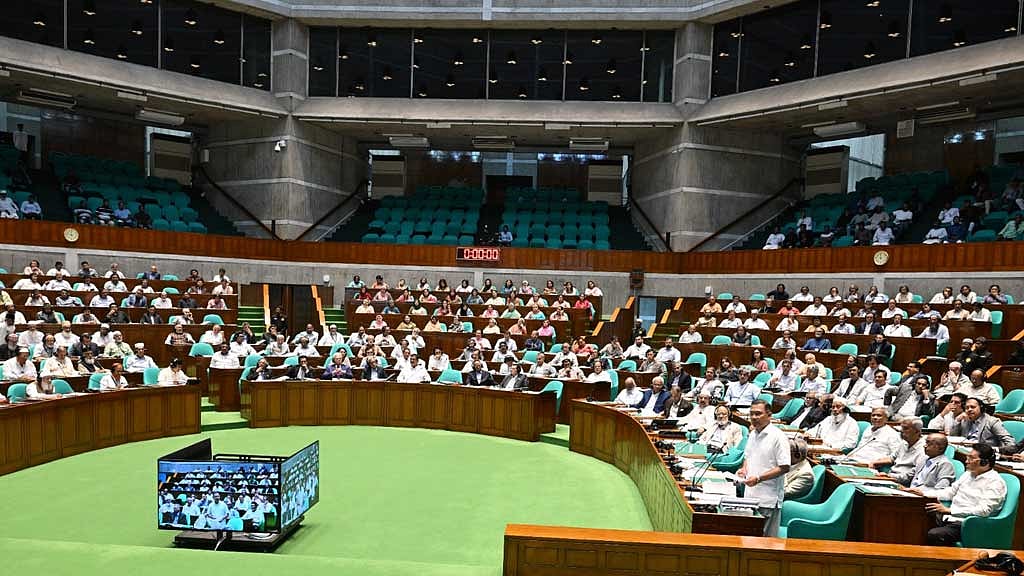
Parliament convened at 10:30am under Speaker Hafiz Uddin Ahmad. Leader of the Opposition Shafiqur Rahman delivered the closing remarks on the budget debate before the prime minister addressed the chamber.
Calling the budget one of the most important instruments of governance, the prime minister acknowledged that no budget could solve every problem, but said the government had sought to present a realistic plan that would ease pressure on citizens.
"We have tried, to the best of our wisdom and judgment, to present a budget that offers at least some relief to people from every class and profession," the prime minister said.
The prime minister said prices of essential commodities had remained stable after the finance minister unveiled the budget, attributing this to the withdrawal of taxes on 61 essential goods.
"In previous years, prices of many essential commodities would often rise before and after the budget without any apparent reason. By the grace of Allah, we have not witnessed such a situation this year," the prime minister said.
The government believes it has fulfilled at least part of its responsibility to the public by providing some relief, the prime minister added.
The prime minister said the administration had inherited a fragile economy marked by corruption, financial mismanagement and policy failures.
"When we assumed office, we inherited a broken economy. Corruption, looting, mismanagement and flawed policies had severely damaged the country's economy," the prime minister said.
The prime minister also cited large-scale capital flight, weak investment, high inflation, problems in the stock market, a sharp decline in foreign exchange reserves and depreciation of the local currency as major challenges inherited by the government.
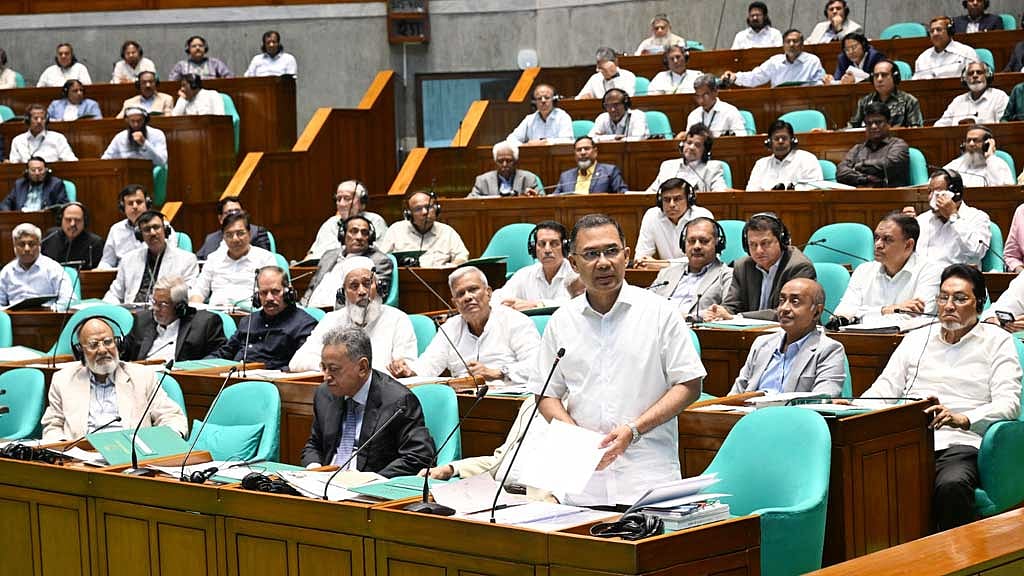
“The capital market is a vital sector of the economy. There were times in this sector when people lost everything and even killed themselves by suicide, while countless individuals misappropriated the funds of helpless people. It is certainly no secret to anyone how dire the state of foreign currency reserves became due to the laundering of billions of taka and sheer wastefulness; the exchange rate of the currency had plummeted by 40 percent.”
The prime minister criticised what were described as "vanity projects", saying they had led to unnecessary domestic and foreign borrowing that had become a burden on the country without generating sufficient revenue to repay the debts.
"We do not deny the economic challenges exist, nor do we want to use them as excuses," the prime minister said.
"We want to overcome these challenges through political commitment, effective policies and with the support of the people."
The prime minister said the government had taken office on Feb 18 and immediately had to manage the Ramadan period while trying to keep essential goods affordable and begin stabilising the economy.
Ruling party lawmakers repeatedly thumped their desks in support as the prime minister defended the administration's economic policies during the speech.