Published : 04 Sep 2026, 07:08 AM
Updated : 16 Sep 2026, 11:47 AM


The morning rush had barely begun when a CNG-powered auto-rickshaw driver stopped at a roadside tea stall in Dhaka.
As he sipped his tea, a stranger approached, posing as a passenger. They talked briefly about a fare.
About 15 minutes later, the driver began to feel numb and dizzy. Soon he could no longer control himself.
When he regained consciousness, his auto-rickshaw was gone.
But the theft did not end there.
The vehicle’s owner was contacted and told to pay a large sum if he wanted it back.
Dhaka Metropolitan Police (DMP) detectives say they are investigating an organised racket that allegedly targets CNG drivers at tea stalls, incapacitates them with sedatives and then demands money from owners to return their vehicles.
Investigators say at least two such groups are active in the capital, with around 14 regular members between them.
One group is allegedly headed by Jamal Hossain, widely known as Jamal Member, while another is led by a man named only as Oli, according to detectives.
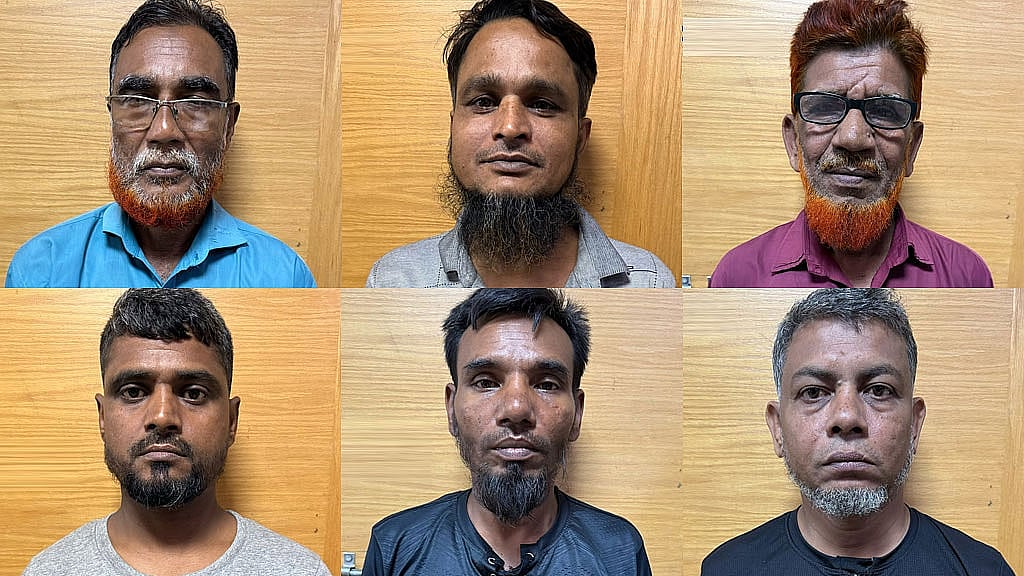
DB police recently arrested Jamal and five alleged associates in Badda while they were trying to steal another auto-rickshaw using the same method, investigators say.
A criminal case was filed at Paltan Police Station on Aug 6 naming Jamal as the prime suspect, along with Liton Sardar, Mannan Khan, Abdul Karim, Lavlu Matabbar and Yunus, identified with a single name.
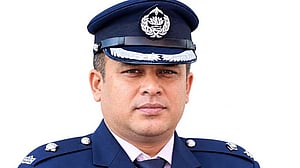
Enayet Kabir Shoaeb, additional deputy commissioner of the DB team responsible for preventing vehicle theft, said the method posed a far greater danger than the loss of a vehicle.
“At first glance, this may look like an ordinary criminal gang,” he said.
“But the way they allegedly make drivers unconscious with sleeping medication can cause serious harm. Sometimes an unconscious driver may never regain consciousness.”
How the Racket Works
Detectives say the group would travel through different parts of Dhaka looking not for passengers, but for CNG auto-rickshaw drivers taking breaks at roadside tea stalls.
One member would approach a driver and start negotiating a fare, according to investigators. Police allege another would use the distraction to slip crushed sedative medication into the driver’s drink.
Once the drug began to take effect, members of the group would seize the driver’s phone and vehicle.
Police say some unconscious drivers were taken to garages or hospitals, while others were abandoned on the road.
The driver’s phone would then allegedly be used to contact the owner.
Investigators say demands usually ranged between Tk 30,000 and Tk 50,000. Once payment was made, the vehicle would be left at an agreed location.
Driver Mohammad Milon says he experienced exactly that.
Milon, who came to Dhaka from Rangpur about a decade ago, said he stopped for tea in Kathalbagan earlier in August when a man posing as a passenger approached him and negotiated a trip to Wari.
Soon after finishing the tea, he began to feel unwell.
“By the time I reached the Sheraton area, I had no control over myself,” Milon told bdnews24.com.
“Unconscious for Two Days.”
Milon believes something had been mixed into his tea. He said the group took control of his auto-rickshaw and used his phone to contact its owner.
He alleges they eventually took Tk 80,000 for the vehicle’s return.
Another man, a mechanic named only as Shakil, described a similar episode about two and a half months earlier.
He said a driver named Khalil was found unconscious in Kakrail after his CNG had been taken.
The owner was later contacted and, according to Shakil, Tk 55,000 was paid before the auto-rickshaw was recovered.
Why Victims Stay Silent
Police and people in the trade say many such cases never reach a police station.
bdnews24.com spoke to at least four drivers and garage owners who said they had experience of similar thefts.
One garage owner said many prefer negotiating directly with the group because they see a formal complaint and the subsequent legal process as slower, more complicated and potentially more expensive.
That reluctance may help explain how the racket has allegedly survived for years.
Potentially Deadly Sedatives
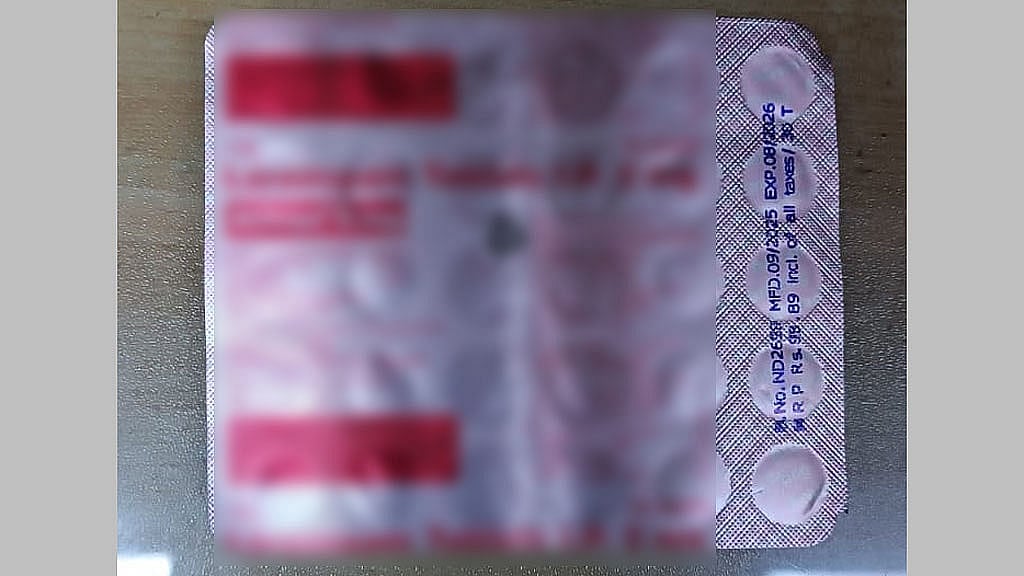
Investigators allege the group used restricted psychiatric or sleeping medication to incapacitate drivers.
Public health specialist Lelin Chowdhury said giving someone a large, uncontrolled dose of such medication could have severe consequences.
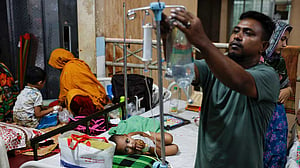
Victims can lose consciousness rapidly, he said, while an overdose can damage the kidneys and liver and, in extreme cases, prove fatal.
Even those who survive may suffer serious complications.
Investigators say Jamal told them the drugs were obtained illegally through suppliers operating around Gopalganj and Madaripur.
From Victim to Alleged Ringleader
Jamal’s own story has an unusual twist.
Originally from Char Hoglabunia in Bagerhat’s Morelganj, he came to Dhaka as a young man and worked as a cleaner for the city corporation. He later began driving a CNG-run auto-rickshaw.
According to investigators, Jamal himself once fell victim to a similar trick near the Abahani ground in Dhanmondi.
His drink was allegedly drugged and his CNG taken. He later paid money to recover the vehicle.
Police allege he subsequently became involved with such groups, initially acting as an intermediary between vehicle owners and thieves before eventually building a network of his own.
In 2024, Jamal was elected a member of Ward 5 of Hoglabunia Union Parishad.
That alleged life in Dhaka contrasts sharply with his image back home.
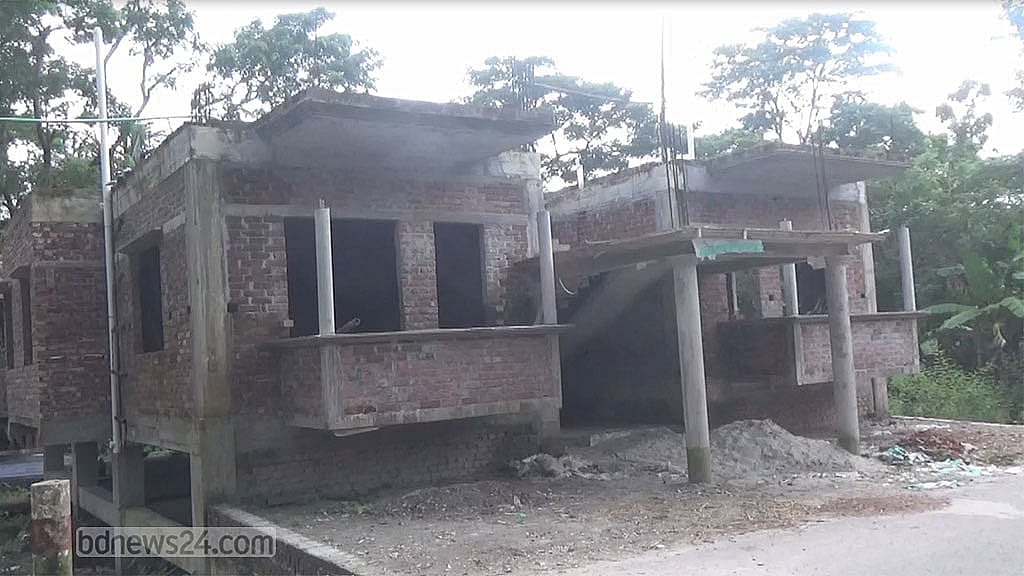
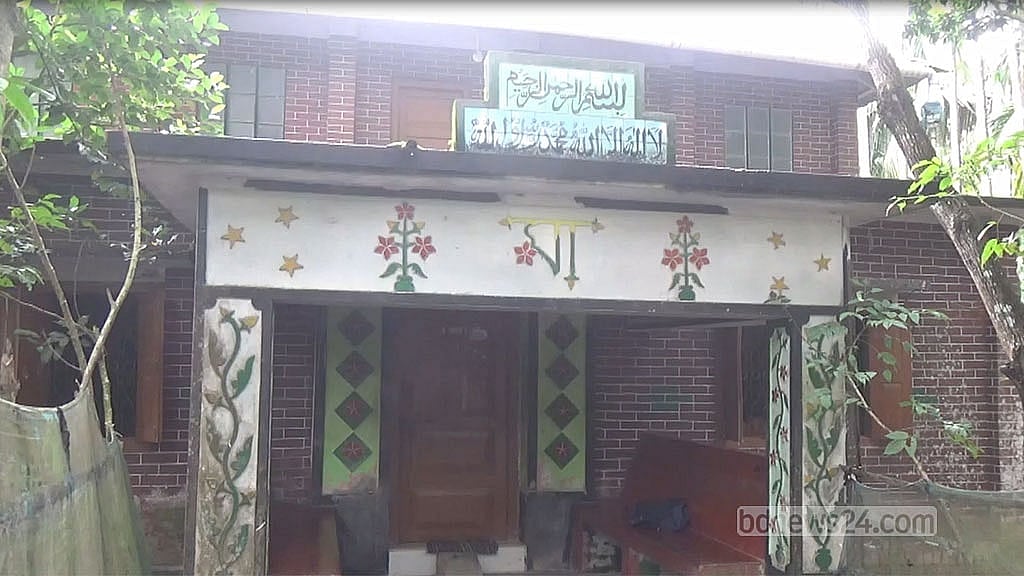
Residents interviewed by bdnews24.com expressed surprise at the police allegations. Some described Jamal as a generous local figure who helped poorer neighbours with medical expenses, clothes, and food.
One neighbour said he had seen Jamal give struggling residents anything from a few hundred taka to Tk 10,000 for medical treatment.
A Price for Every Role
Detectives allege the group operated with clearly divided jobs and payments.
Some members identified potential victims, others approached drivers or negotiated fares, while others allegedly took control of the phone and vehicle.
Police say members were paid fixed amounts for their roles, while Jamal received the largest share of proceeds from each vehicle.
Police records also show several previous cases filed against some of the suspects, although the existence of a case does not establish guilt.
DMP Detective Branch chief Shafiqul Islam said specialist teams were continuing operations against vehicle theft groups.
“Our teams are working on these crimes continuously,” he said.
“The investigation into this group is continuing, and we hope to learn more through them.”