Published : 20 Mar 2026, 09:01 PM
Updated : 28 Aug 2026, 01:33 AM


On the eve of Eid, a different picture has emerged at Kamalapur Railway Station, where the familiar holiday rush is largely absent and passengers are leaving Dhaka with unusual ease.
There was little sign of the homebound rush at the capital’s main rail hub on Friday. Since morning, almost all trains have left with seats still vacant, and no complaints of delays have been reported.
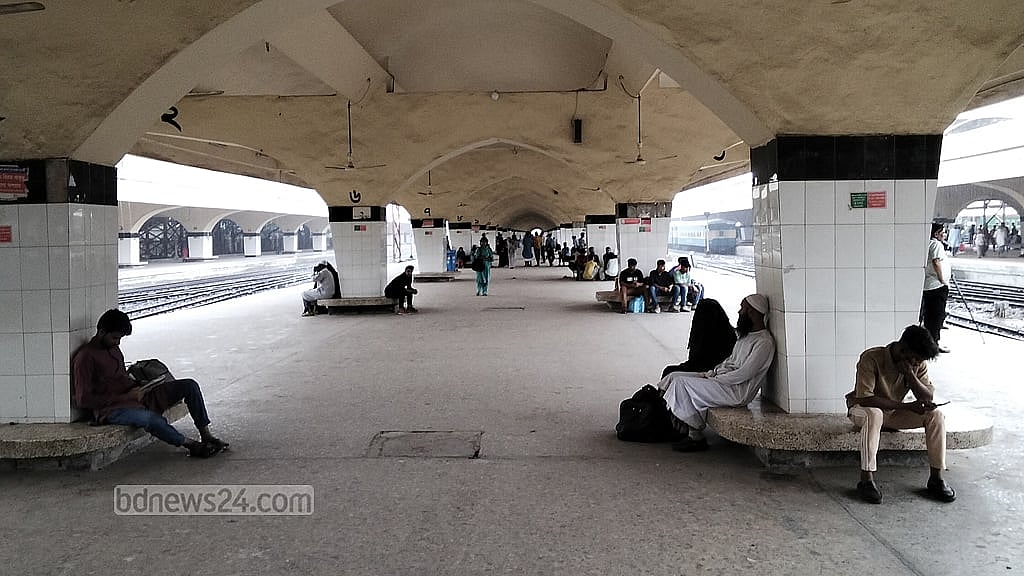
Dhaka Divisional Railway Manager ABM Kamruzzaman said all trains had departed on schedule since the morning and expressed hope that there would be no further disruption throughout the day. He said recent schedule problems affecting a small number of trains because of accidents had already been resolved.
The station itself looked closer to its usual self, with only a light flow of passengers moving through the platforms and concourse — making it hard to believe that just a day earlier, on Thursday, the same place had been overflowing with people trying to leave the city before Eid.
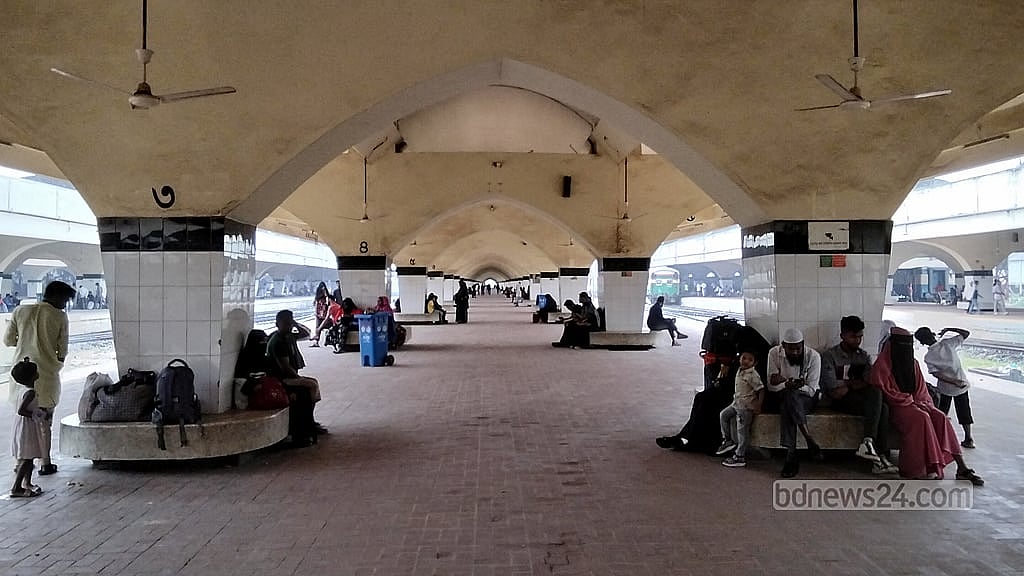
Passengers said many of those travelling on Friday had originally planned to leave Dhaka on Thursday night. But after Eid was pushed back by a day, many chose to travel more comfortably on Friday instead of getting caught up in the rush. Others, who had not planned to travel earlier, decided to head home after managing to secure tickets at the last moment.
Bangladesh Railway usually sells Eid tickets on the assumption that Eid will fall after 29 days of Ramadan, and tickets had been sold up to Thursday on that basis this year as well. After the moon-sighting committee announced in the evening that Eid would be a day later, tickets for Friday and Sunday — the day after Eid — were released online.
No intercity trains will run on Saturday, Eid day, and no tickets were sold for that day.
Durjoy, an adolescent from Tanti Bazar in Old Dhaka, was waiting on the platform with two friends after buying tickets for the Haor Express to Mohanganj, where they planned to visit Durjoy’s sister.
Had Eid fallen on Friday, the trip probably would not have happened, Durjoy said. But with the festival now a day later and tickets secured, the plan came together.
Azimpur resident Md Abzal, who works at a shop in Dhaka, was also waiting to board the Haor Express to Mohanganj. He had received leave on Thursday.
Asked when he would have travelled home if Eid had been on Friday, Abzal said he would have had to leave the previous night. But since Eid is now on Saturday, he decided to travel “a little more leisurely”, especially after finding a ticket on Thursday night.

Sohel, who lives in Madhya Badda and works at bKash, bought a ticket for the Banolata Express to Rajshahi.
His family lives in Dhaka, he said, but they decided to visit his aunt’s family in Rajshahi after getting tickets. Had Eid been on Friday, the trip would likely not have happened.
Jahangir Alam, a mason travelling to Chapainawabganj, bought a ticket for the Rajshahi Commuter. The father of a son and a daughter said he had already sent money home for Eid shopping and was now making the journey to celebrate with his family.
He said he preferred to avoid hassle and was travelling on Friday because it was not Eid day.
There was no notable crowd in front of the ticket counters either. Although passenger numbers were low, members of law enforcement remained active at the station, with tickets being checked before travellers were allowed onto the platforms.
Kamruzzaman said three trains would not operate on Friday — the Nilsagar Express, the Kurigram Express and the Benapole Express.
Apart from those, all other services were running, with 55 trains scheduled to leave Dhaka station during the day, including 42 intercity services, he said.
With passenger pressure down, he said, there had been no attempts to travel on train roofs and seats remained available inside the carriages.
He added that no tickets had been sold for the three trains that would not run.
Kamruzzaman said the railway’s efforts to ensure safe travel would continue after Eid, just as they had before the holiday.
He urged passengers not to climb onto train roofs during the return journey and to remain inside the coaches instead.
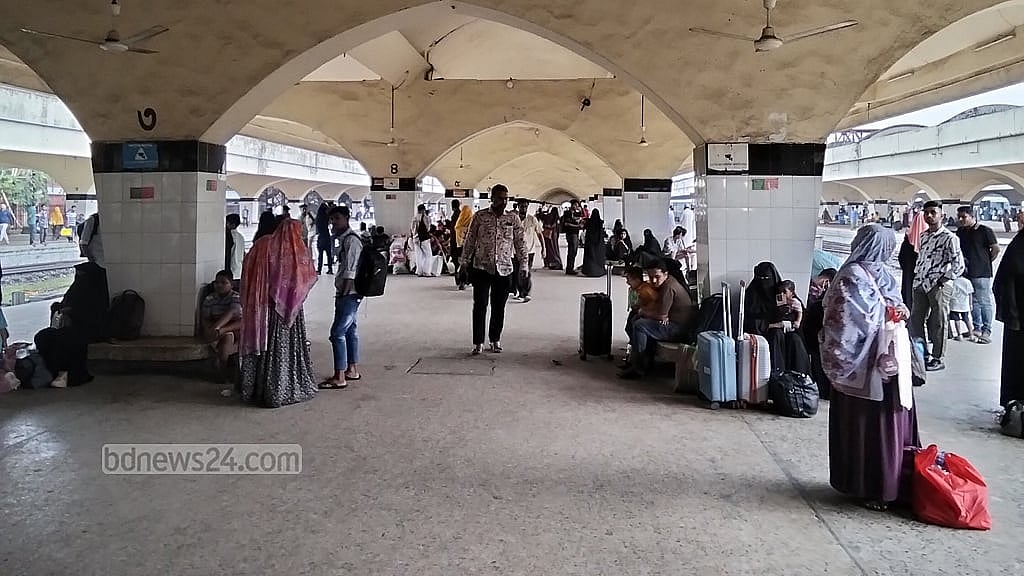
He noted that passenger pressure had been especially heavy on the mornings of Mar 18 and Mar 19, when large numbers of people came to the station.
Railway staff had tried to stop them and explain the dangers, he said, but in some cases they had still been unable to prevent passengers from climbing onto the roofs.
He added that sometimes, even after a train had started moving, some ticket-holding passengers would run and climb onto the roof because they felt more comfortable travelling that way.