Published : 01 Jan 2026, 03:10 AM
Updated : 21 Aug 2026, 02:57 PM


News of BNP chairperson Khaleda Zia’s death drew people from every corner of Bangladesh to Dhaka.
From Netrokona Sadar, 13 friends, including Abdullah, Saiful, and Monir -- all identified by single names, hired a microbus to ensure they could pay their respects to the leader who had steered the party for 41 years.
By noon, Manik Mia Avenue had transformed into a sea of grief and mourning.
Alongside BNP supporters, citizens from all walks of life gathered to honour the late former prime minister, who passed away at 6am on Tuesday at Evercare Hospital.
Known as the “uncompromising leader” for her role in the anti-autocracy movements of the 1990s, Khaleda was laid to rest with full state honours at Zia Udyan, beside her late husband, former president Ziaur Rahman, during a three-day national mourning period.
As the day progressed, the crowd swelled beyond the main venues, spilling into Farmgate, Karwanbazar, and Bijoy Sarani intersections. Due to severe overcrowding, many watched the Janaza from rooftops or nearby buildings.
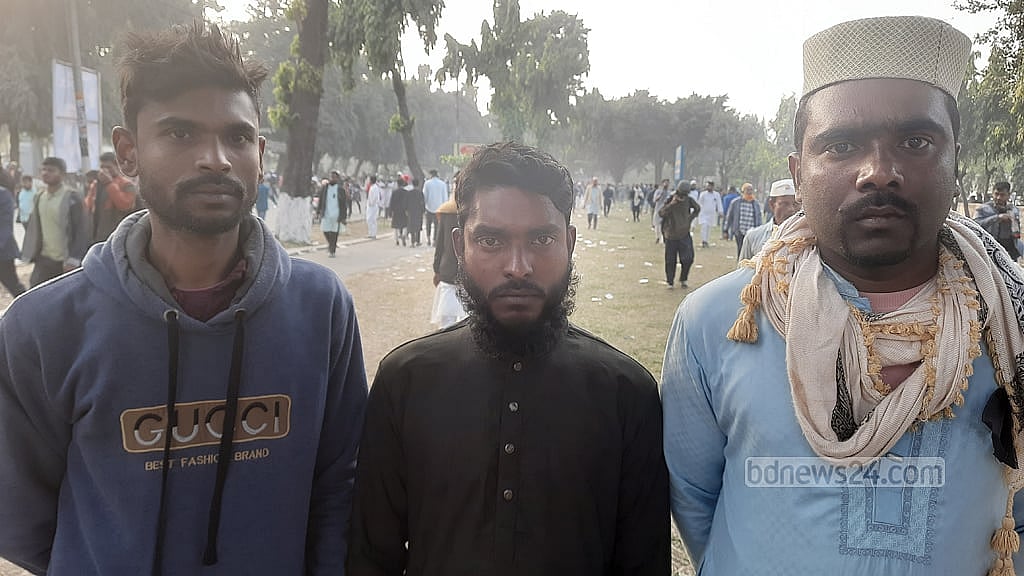
From Asad Gate and Sobhanbagh, the stream of mourners extended past Shukrabad and up to Panthapath intersection. Abdullah, Monir, and their group had left Netrokona early to ensure they arrived on time, reaching Farmgate by 11am, and then walking to parliament’s date palm gate when the entrance was opened to the public.
Among the mourners were ordinary citizens with no party affiliations. Abdullah, who had returned from Malaysia last year, reflected: “I have seen Khaleda Zia fight and endure so much. Even under immense pressure, she never spoke ill of anyone. That is why I support the BNP.
“She left during good times; life and death cannot be controlled.”
Monir added that the group shared the travel costs equally and had received no donations. “I am a common man. We pooled our money to hire the vehicle,” he said.
Saiful Islam, another member of the group, expressed deep personal admiration: “Her devotion to the country cannot be expressed in words. She lived for Bangladesh, never sought refuge abroad, and gave everything for the nation. Today, I skipped work to attend her Janaza.”
Retired army officer Dildar Hossain, who lives in Shahinbagh, Dhaka, explained: “Khaleda Zia was slightly older than me. I am here to pray for her. Her husband, Shaheed Zia, was patriotic, and she continued that legacy in politics. Paying my respects is my duty.”
Retiree Rabiul Haq from Kochukhet added: “I have never heard a harsh word from her. She never acted against the country and protested those who did. Leaders like her are rare. Her death is a huge loss.”
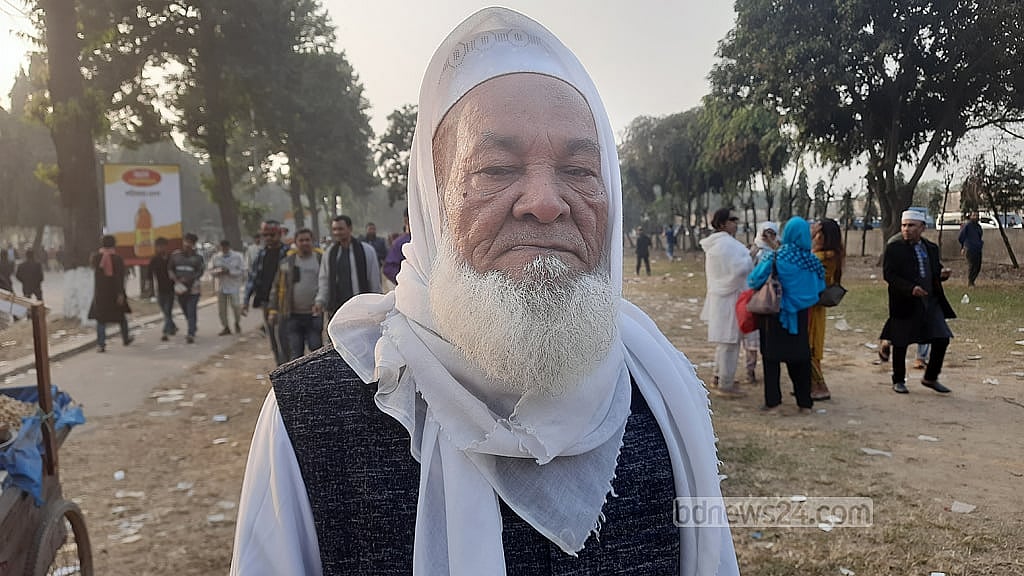
From Pabna, young Abdul Wahab said: “Khaleda Zia was a mother and patriot. I am a youth league member but hold no position. I spent my own money to come to Dhaka and attend the Janaza. I will honour her path for the rest of my life.”
Businessman Zobair Hossain noted the significance of her decision to remain in Bangladesh despite political pressure and persecution. “Her refusal to leave the country is a historic act,” he said, describing it as a defining feature of her leadership.
Even casual citizens, such as Mohammad Titu Munsi from Jatrabari, disrupted their routines to join the mourning. “I work supplying electrical goods. I had no rest at home, but I could not miss her Janaza. She worked for the country, and I had to be here,” he said.
The Janaza, held at the Parliament Complex and Zia Udyan, became a vivid demonstration of Khaleda’s enduring influence and the deep connection she shared with ordinary citizens.
From the streets of Dhaka to the far corners of the country, thousands came to bid farewell to Bangladesh’s “Mother of Democracy”, reflecting the respect, admiration, and affection she inspired across generations and social classes.