Published : 13 May 2026, 04:30 PM
Updated : 21 Aug 2026, 03:43 PM


A government-backed project is supporting thousands of low-income fishing families in Bangladesh by providing alternative income sources alongside measures to protect native fish species.
The “Conservation and Development of Indigenous Fish Species and Snail Project”, launched in July 2021 with a budget of Tk 1.95 billion, has reached 52 sub-districts across the Dhaka, Khulna, and Barishal divisions.
The programme introduced cage fish farming, paddy field aquaculture and adaptive technologies in 10 districts while encouraging fishers to stay away from catching fish during breeding seasons through alternative livelihood support.
Project Director Md Khaliduzzaman said the initiative had already surpassed its target of raising native fish production by 16 percent.
“In 2021, native fish production in the 10 project districts stood at 400,000 tonnes. The target was to increase it to 464,000 tonnes,” he said.
“By 2025, production in the project areas has increased by at least 50,000 tonnes. The project will end on the 30th of June this year, and the data we have suggest production will exceed the target.”
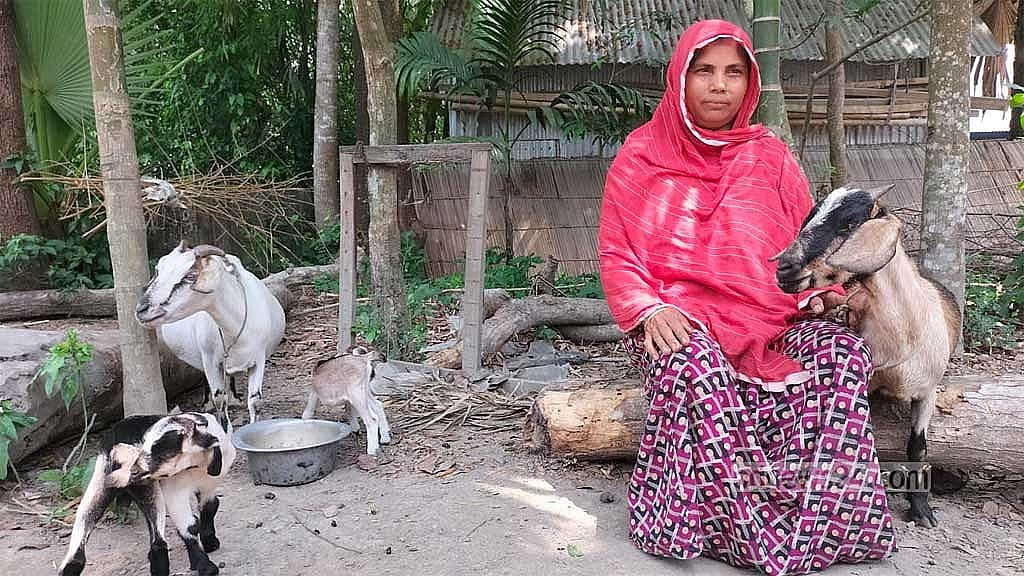
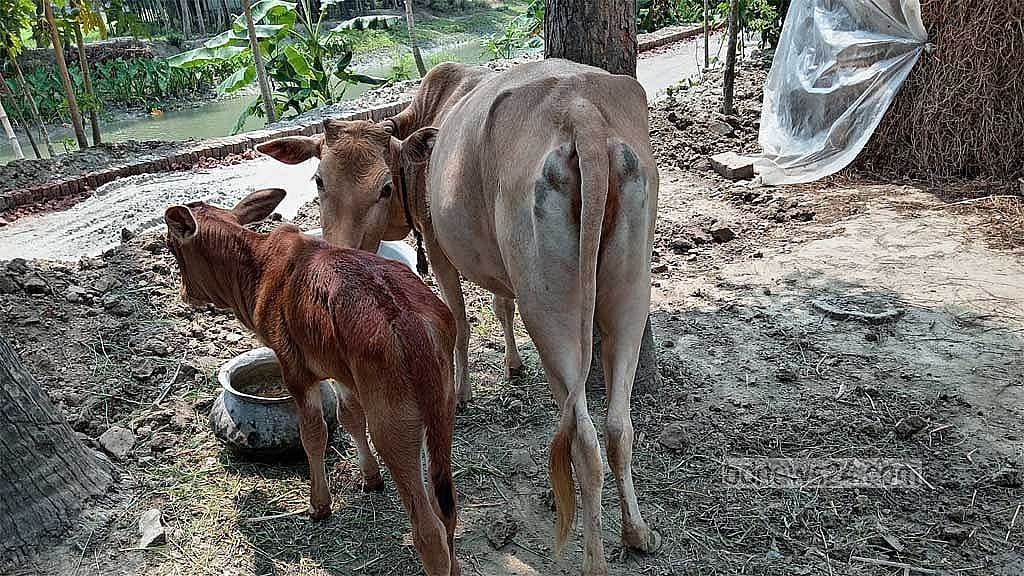
Over the past five years, 16,650 fishing households have received support including goats, calves and three-wheelers.
Among them, 8,405 families received two goats each, 7,945 families received a calf each, while 300 families were given three-wheelers, he added.
Officials say these interventions have helped low-income families maintain income while avoiding fishing during spawning periods, contributing to higher fish stocks in local waters.
The project has also trained around 30,000 fishers in improved aquaculture practices, removed and destroyed illegal fishing gear, and established 200 sanctuaries to support natural breeding and growth of native species.
Referring to the Gopalganj district, Khaliduzzaman said native fish production rose from 11,094 tonnes in 2024 to 12,990 tonnes in 2025.
Jarina Begum, wife of fisherman Rob Hawlader from Kotalipara Upazila, said fisheries officials encouraged her husband to stop fishing during spawning periods and gave the family two goats two years ago.
“I have been raising the goats, and now the number has grown to 13,” she said.
“We already sold two goats for Tk 12,000. We plan to sell two more during Eid-ul-Azha for Tk 22,000. My husband has stopped fishing during the breeding season and now works in local markets. The goats are giving us extra income, and we are living much better now.”
Rob said fish stocks in local water bodies have improved after fishing was restricted during breeding seasons.
Rahima Begum, another beneficiary from Gopalganj Sadar, said the calf provided by the fisheries office now produces around two litres of milk daily, helping support her household as her husband works as a day labourer instead of fishing.
Sanjay Adhikari, a young three-wheeler driver from Kotalipara, said the vehicle his father received three years ago now supports their six-member family.
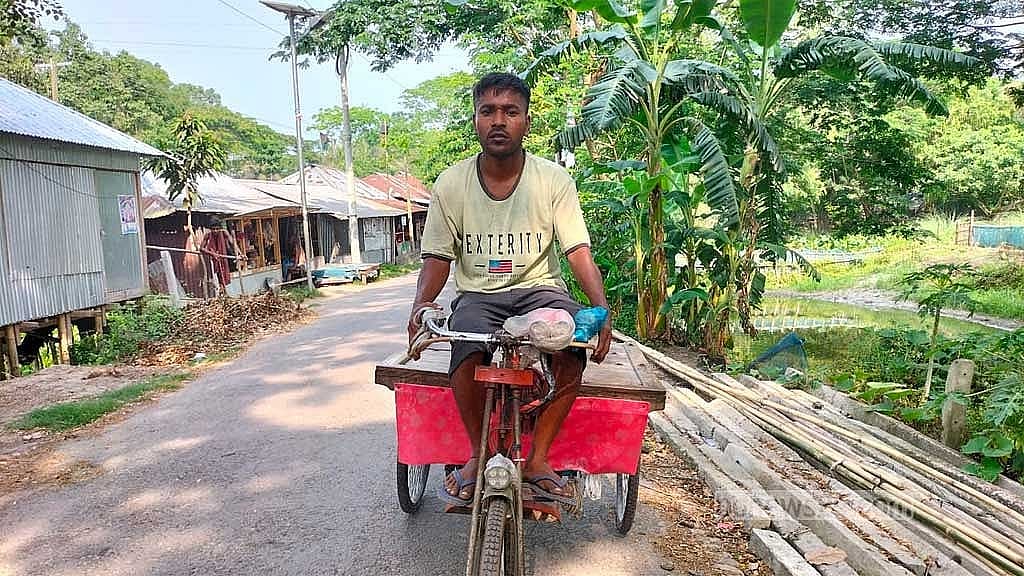
“Since then, we have stopped fishing during breeding season. Fish like koi, shing, magur, punti, tangra and khalisha have increased in our area.”
Local committee member Tota Mia Howlader said the support has helped reduce dependence on fishing during breeding seasons, contributing to higher fish production in Kotaliapara.
He urged authorities to launch a similar project after the current one ends in June this year.
“This will help save native fish species from extinction and support fishing communities. It will also help meet protein demand through local fish production,” he said.
Gopalganj District Fisheries Officer Md Kamrul Islam said fishers were avoiding fishing during breeding periods because of the alternative income support under the project.
“Operations against illegal fishing nets and gear are also continuing. As a result, native fish production in the district is increasing by around 2,000 tonnes every year.”
He added that introducing similar projects nationwide would help increase fish production and protect native fisheries resources from disappearing.