Home
+
Published : 16 Jul 2026, 12:10 AM
President Mohammed Shahabuddin and Prime Minister Tarique Rahman have paid tribute to those killed in the July Uprising, calling on the nation to build a democratic, just and humane Bangladesh inspired by their sacrifice.
The messages were issued on Wednesday before “July Martyrs' Day”, observed annually on Jul 16 to commemorate the turning point of the student-led mass uprising.
Following the precedent set by the interim administration, the BNP government has again decided to observe the day nationally.
In his message, President Shahabuddin described the July Uprising as an outpouring of public anger against years of discrimination, corruption, enforced disappearances, killings, the denial of voting rights, repression and authoritarian rule.
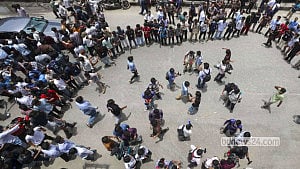
He said the deaths of Begum Rokeya University student Abu Sayed in Rangpur and several other young protesters across Bangladesh on Jul 16, 2024 gave the movement a decisive new momentum.
According to the president, the arrests of public university students, subsequent repression, and the participation of students from private educational institutions and people from all walks of life transformed the movement into a nationwide uprising.
"The July mass uprising was not the achievement of any individual, party or group. It was the result of the collective aspirations, courage and sacrifices of people committed to democracy," he said.
He added that their sacrifice reminded the nation that sovereignty ultimately rests with the people and that protecting citizens' rights, dignity and justice is the state's foremost responsibility.
The president said the current democratic government remained committed to honouring those killed and injured, supporting their families, rehabilitating the injured and ensuring justice for the killings.
He also urged wealthy individuals, institutions and humanitarian organisations to assist in those efforts.
Tarique described Jul 16 as "an unforgettable turning point in our national history".
The prime minister said the unarmed but courageous resistance shown by students and ordinary citizens against state repression had awakened the conscience of the nation.
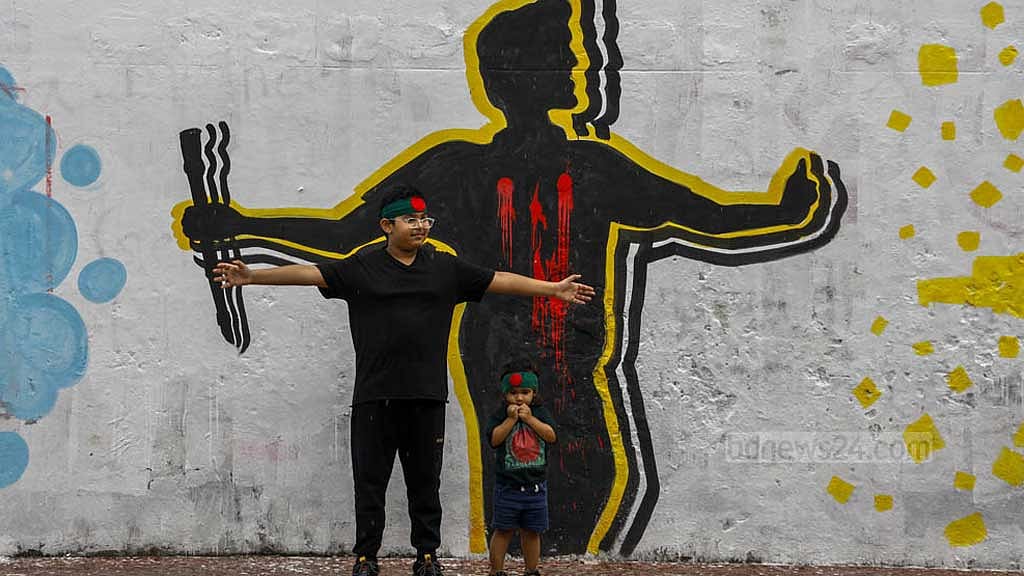
He singled out Abu Sayed's final act of standing with his arms outstretched before police gunfire at his university, describing it as a symbol of a nation overcoming fear after years of being denied democratic rights.
"The July mass uprising was not merely a movement. It was the united resistance of the nation against 15 years of fascism, institutional corruption, plunder, enforced disappearances, killings, repression and the denial of voting rights," he said.
He added that the sacrifices of those killed had created an opportunity to restore the people's dignity, rights and democratic aspirations.
The prime minister said the government remained determined to honour the memory of those killed by working towards "a safe, humane, self-reliant and democratic Bangladesh".
Recalling the events of Jul 16, 2024, Tarique noted that at least six people, including Sayed in Rangpur and college student Mohammad Wasim Akram in Chattogram, were killed in police firing that day.
He said Sayed's death had fuelled nationwide outrage, transforming the quota reform movement into a broader campaign that ultimately led to the fall of the former authoritarian government.