Home
+
Published : 11 Jul 2026, 04:21 PM
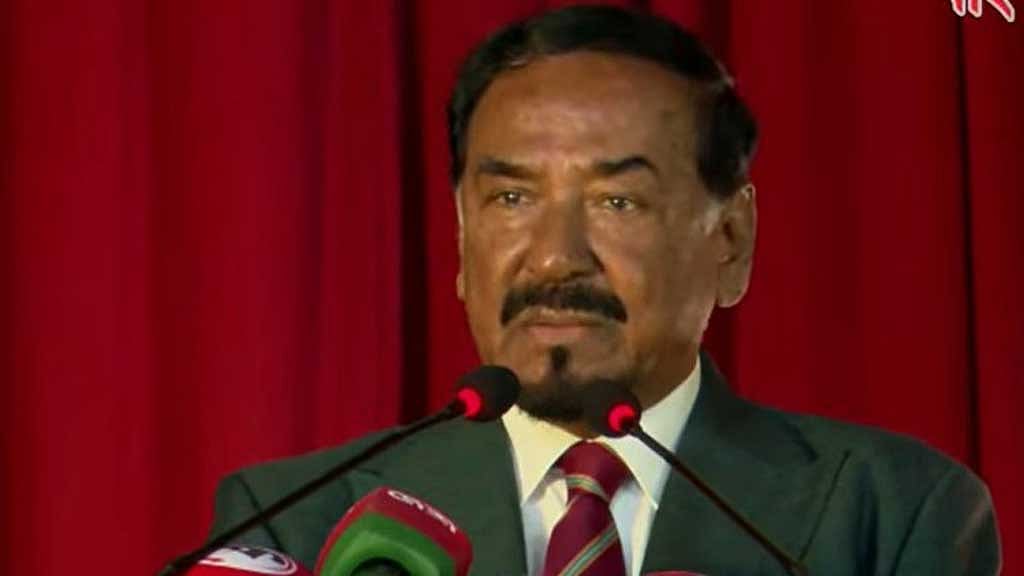
Parliament Speaker Hafiz Uddin Ahmad has credited the East Bengal Regiment's armed resistance against the Pakistani military's 1971 genocide with paving the way for Bangladesh's independence.
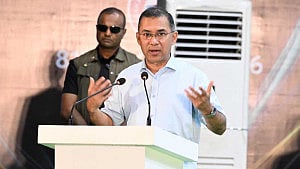
Speaking at an event at the RAOWA Convention Centre in Dhaka's Mohakhali on Saturday, the Bir Bikrom recipient described the Liberation War as “a struggle for the survival of the Bengali nation”, not the war of any political party.
He said the regiment's five battalions had separately revolted and mobilised the people.
“Had the East Bengal Regiment not begun resisting the Pakistani military's genocide in 1971, this country would still have remained Pakistan.”
Calling the East Bengal Regiment “a name very close to my heart”, the former Army officer said he had carried it with pride from the day he received his commission and would continue to do so until his death.
Speaker Hafiz also recalled joining the Army, serving in the East Bengal Regiment, fighting in the Liberation War and other memories from his military career.
“I am now 82 years old. It feels as though nothing happened by my own will. [God] has guided everything, and life has unfolded as destiny ordained.”
From Football to the Army
Hafiz said he had never planned to join the Army, as he was focused on football while preparing for the civil service.
Encouraged repeatedly by Pakistan national football team official Maj Mohammad Malik, he eventually opted for a military career.
Initially commissioned into the Education Corps, he later secured a transfer to the East Bengal Regiment on the advice of a senior officer.
Meeting Ziaur Rahman at Kakul
Hafiz said his first encounter with Ziaur Rahman came during a football match at the Pakistan Military Academy in Kakul, where the then major encouraged him to join the East Bengal Regiment.
He said Zia's encouragement influenced his decision despite opposition from some senior officers.
1970 Election and Independence Declaration
Hafiz said the 1970 election reflected public anger over long-standing political and economic disparities between East and West Pakistan.
Recounting his version of events before the 1971 Liberation War, he claimed “Sheikh Mujibur Rahman declined to declare independence before the military crackdown”, while asserting that "Ziaur Rahman's declaration later inspired people to join the resistance".