Published : 18 Jul 2026, 04:15 PM
Updated : 08 Sep 2026, 09:25 AM


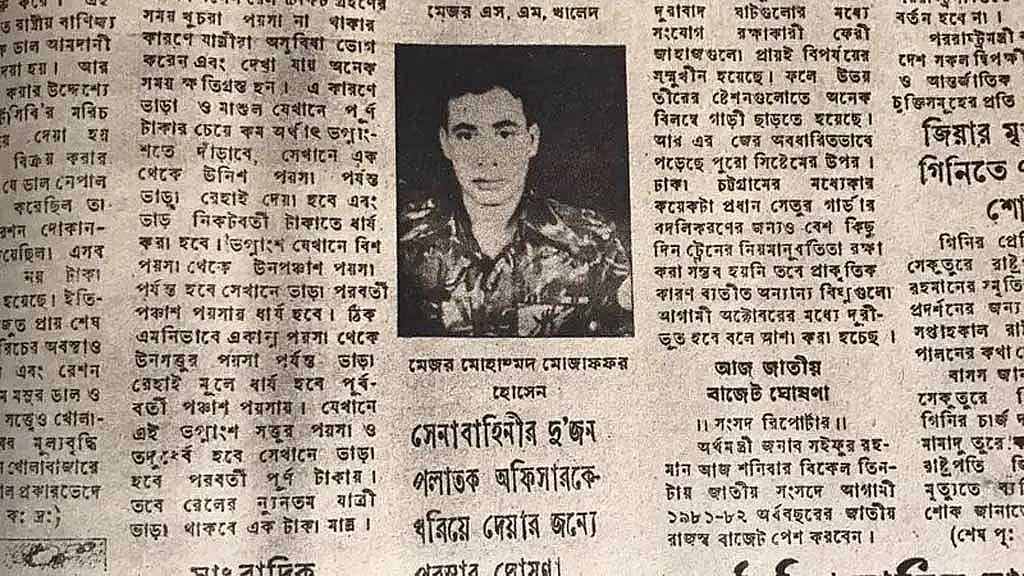
Major Md Mozaffar Hossain, suspected of taking part in former president Ziaur Rahman's assassination, has been arrested after evading justice for nearly 45 years.
He is the sixth suspect named in the criminal case filed at Chattogram's Kotwali Police Station over Zia's killing.
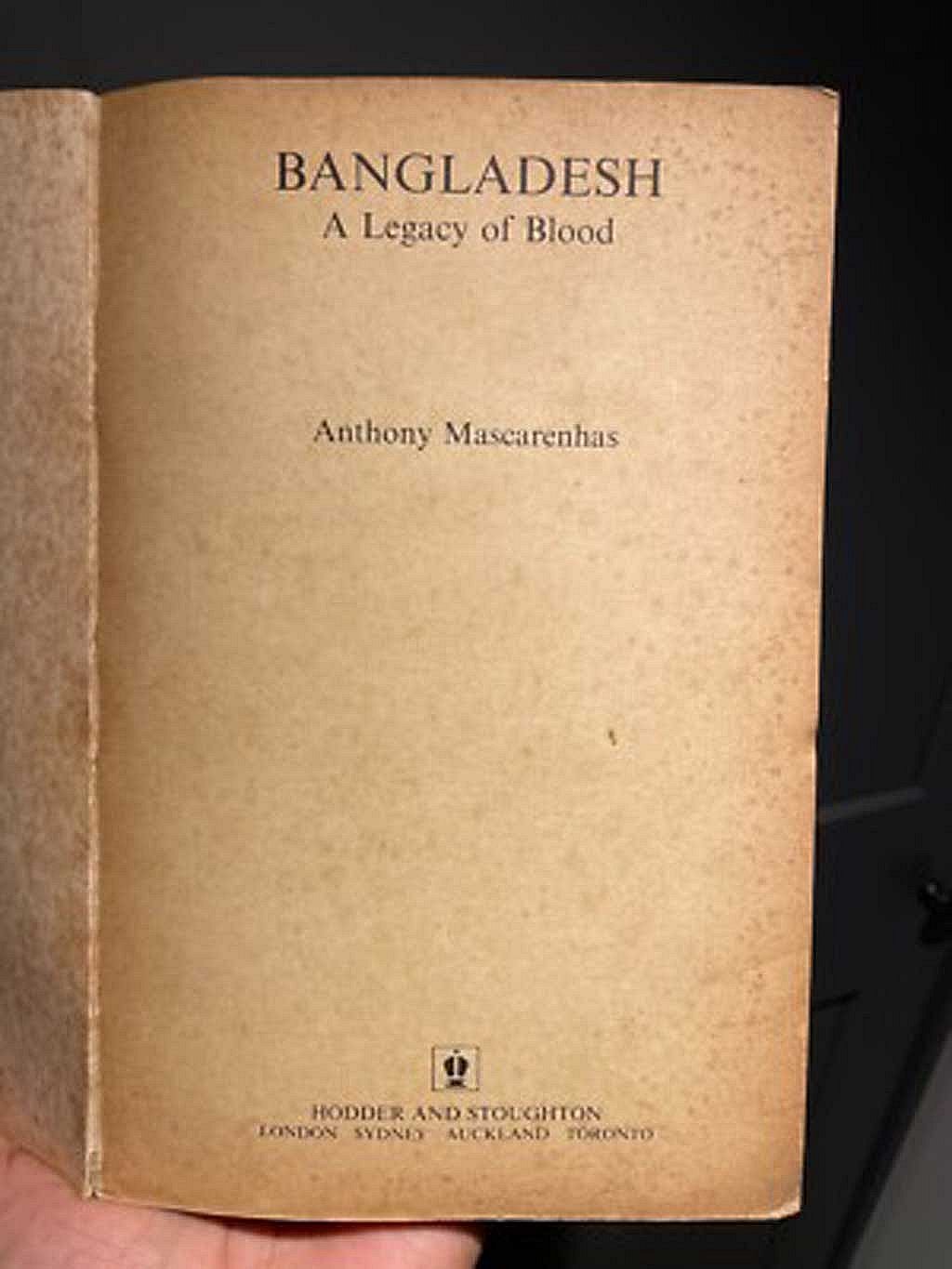
The first information report (FIR), and later journalist Anthony Mascarenhas's book on the killing, place Mozaffar close to Zia at the moment of the assassination.
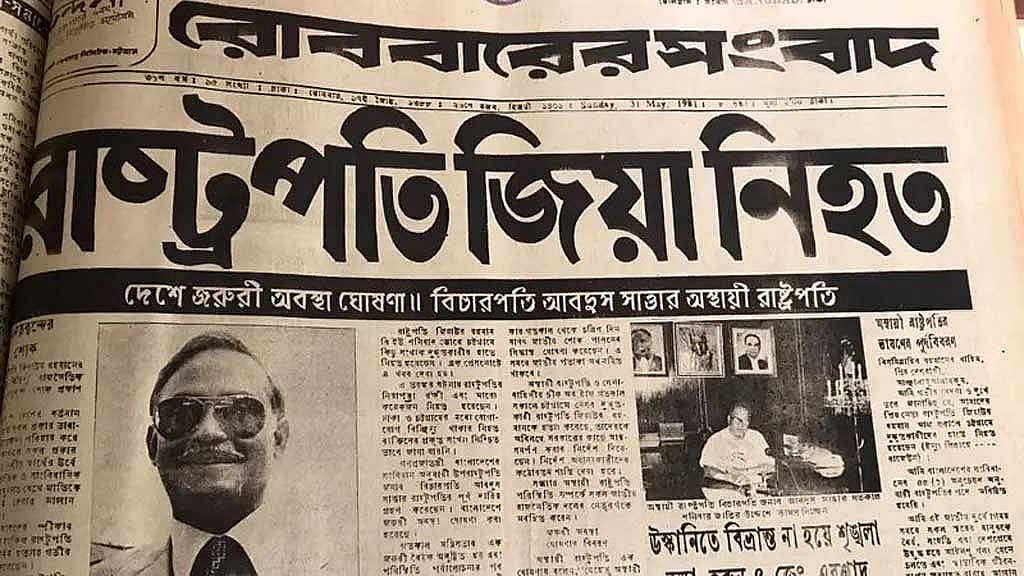
Zia, founder of the now-ruling Bangladesh Nationalist Party (BNP), was killed in a military coup in the port city in the early hours of May 30, 1981.
Mozaffar effectively disappeared from the historical record after the killing.
His sudden arrest 45 years on has brought the assassination back into the spotlight.
Police are yet to make clear where he spent the past 35 years, though Detective Branch (DB) Additional Commissioner Shafiqul Islam said on Friday that Mozaffar had spent most of the 45 years in a neighbouring country.
He returned to Bangladesh after the Awami League came to power and was arrested at his father-in-law's house, Shafiqul said.
Detectives picked Mozaffar up from a house in Banani DOHS on Wednesday night, and police confirmed the arrest to media the following day.
Since Mozaffar had been a fugitive for so long, he was first handed over to his own force as required under standard procedure, Shafiqul told bdnews24.com on Thursday.
Quizzed before that handover, Mozaffar told officers he had changed his name and arranged forged papers to settle in a neighbouring country, the DB chief said on Friday.
Officers said investigators from the International Crimes Tribunal (ICT) were chiefly responsible for identifying Mozaffar.
He was first traced through mobile phone contact with retired Lt Gen Masud Uddin Chowdhury, who was arrested over a case linked to crimes against humanity committed during the 2024 July Uprising.
Investigators then identified his house through a relative employed at a mobile operator and raided the address around midnight on Wednesday.
A birthmark below his nose provided the final confirmation before his arrest.
Masud Uddin is related by marriage to Sayeed Iskandar, who is an uncle of Prime Minister Tarique Rahman and a brother-in-law of Zia.
Between 2007 and 2008, during the army-controlled caretaker government, Masud held a senior post on the National Coordination Committee against serious crime.
Senior BNP and Awami League leaders were detained on the committee's orders, and Tarique was among those arrested and, according to allegations, tortured during interrogation.
Mozaffar's Role in the Killing
Mascarenhas's book "A Legacy of Blood" describes the “assault group” as led by Lt Col Matiur Rahman, carrying 11 sub-machine guns, three rocket launchers and three grenade-firing rifles, all checked and loaded before 16 officers crammed into a pickup.
Using a layout of the Chattogram Circuit House and the room where he was staying, Matiur explained the entire operation plan to the others.
Afterwards, everyone placed their hands on the Holy Quran and took an oath that they would move forward to "get the President in their grasp”.
Matiur himself led a second group that included Major Mominul Haque, Major Mozaffar, Captain Md Ilyas, Captain Salahuddin Ahmed and Lieutenant Mosleh Uddin.
A first group went ahead, backed by the second, while a third group made up of Major AZ Giasuddin Ahmed, Fazlul Haque, Captain Giasuddin Ahmed and Syed Munir followed.
Shortly after 3:30am, the three groups drove out slowly from Kalurghat in heavy rain.
A young lieutenant in the lead vehicle asked a colonel whether they were going to kill the president, and was told they were simply going to bring him out.
That exchange suggests many in the group believed, even in the final moments, that they were only meant to take the president away and hold him hostage.
Mascarenhas's account of the killing itself describes Mozaffar as visibly shaking with fear, while Lieutenant Mosleh Uddin tried to reassure Zia that there was nothing to fear.
Before that reassurance could be completed, Matiur opened fire with his sub-machine gun, riddling the right side of Zia's body with bullets.
Zia fell face down near the doorway, and Matiur then turned the body over with his gun barrel and emptied another magazine into his face and chest, shattering his head.
On the drive back to cantonment, the book records Mozaffar telling Mosleh Uddin, shaking with anger and grief, that he had not known they were going to kill the president and had believed they were only bringing him out.
An hour later, Mozaffar returned to the Circuit House along with Major Shawkat Ali and Major Reza, bringing 12 soldiers in two jeeps and an army van, and searched the president's bedroom for secret papers and his personal diary.
The group packed Zia's belongings into an old suitcase and wrapped his body, along with those of Colonel Ahsan and Captain Hafiz, in white sheets before taking them away for burial around 9:30am.
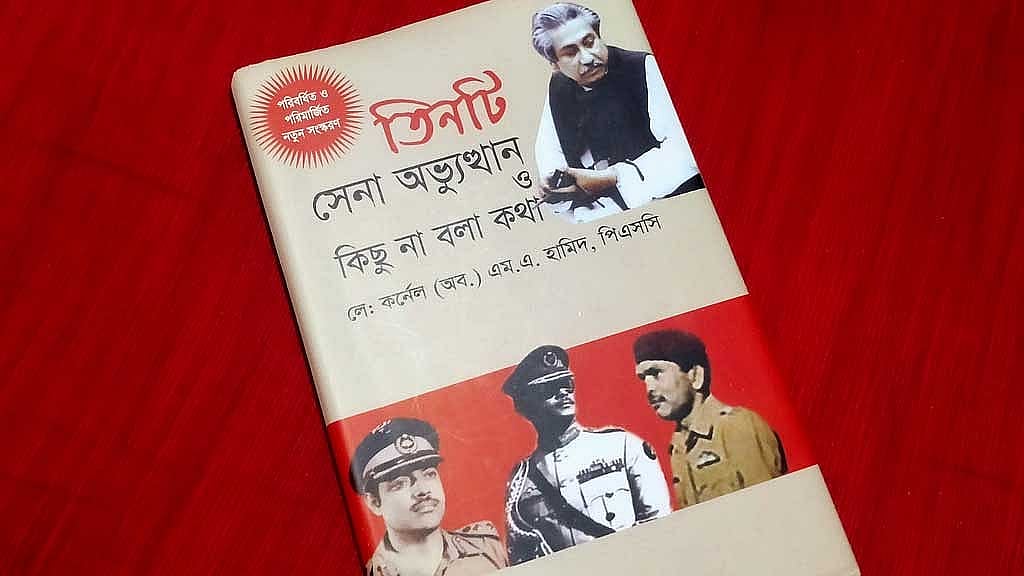
Lt Col MA Hamid, a contemporary of Zia, also referenced the killing in his book "Teenti Sena Obhyutthan O Kichu Na Bola Kotha”.
Hamid wrote that Matiur's motive for the killing remains a mystery, since there is no evidence that General Muhammad Abul Manzur ordered such a brutal act.
He noted that four days before the killing, Matiur held a two-hour private meeting with the then army chief HM Ershad, who later became president, at Chattogram's Hilltop Mess, and that the two had also met in Dhaka shortly before that.
Thirteen officers were later hanged by a military court over their involvement in Zia's assassination.
Colonel Hamid wrote that a commission led by Major General Mozammel was hurriedly formed to identify the suspects, and that a secret court martial held later inside Chattogram jail, under General Abdur Rahman, sentenced the 13 to death despite appeals from their families.
Criminal Case
A total of 18 army officers faced a military court on charges of mutiny; 13 were hanged and the rest given varying jail terms.
Two officers who took part in the uprising, Major Khaled and Major Mozaffar, managed to escape, and rewards were announced at the time for their capture.
Zia's assassination was never tried in a civilian court, though Kotwali Police Station registered a case in which Mozaffar was named as the sixth suspect.
The FIR says he was standing beside the president when he was killed.
The Criminal Investigation Department (CID) later took over the probe, seeking 173 time extensions from the court before admitting failure and filing a final report on Oct 24, 2001.
The CID cited a lack of witnesses and evidence for its failure to prove the case.
The court accepted the report, and since the complainant did not object, it was never sent for reinvestigation.
The BNP won the national election on October 10 that year; the CID closed its investigation just 14 days later.