Home
+
Published : 04 Jul 2026, 09:40 PM
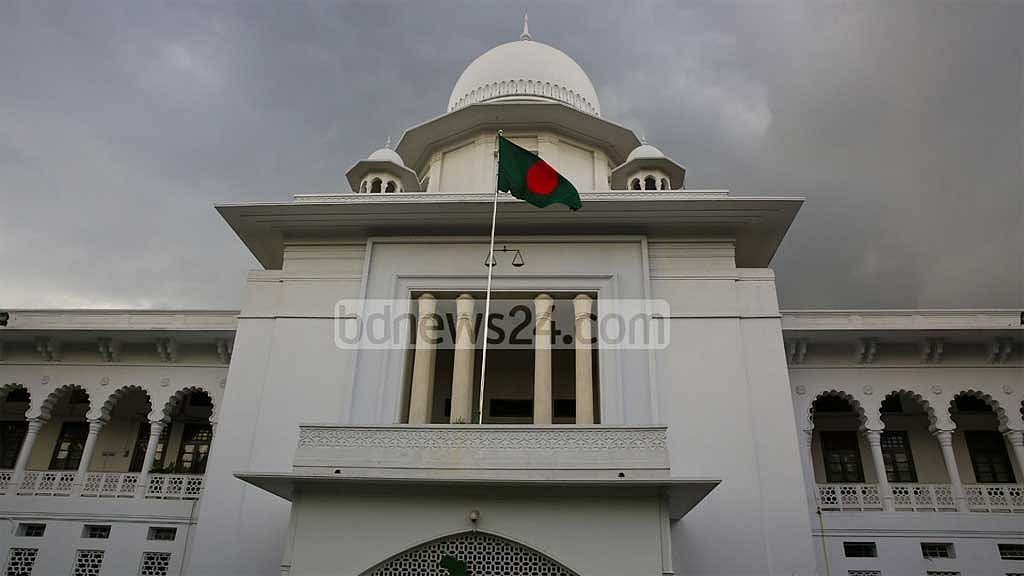
The High Court has issued a rule asking why the administration's failure to prevent attacks and the forced cutting of hair and dreadlocks of Bauls, Fakirs, and ascetics across Bangladesh should not be declared illegal.
The court also ordered authorities to investigate the incidents and submit a report within 60 days, naming those involved in the assaults.
The High Court bench of Justice Razik-Al-Jalil and Justice Debasish Roy Chowdhury passed the order on Jun 21, one of the petitioners confirmed on Saturday.
The rule asks six respondents -- including the secretaries of home, religious affairs, and cultural affairs ministries, the inspector general of police (IGP), the Dhaka Metropolitan Police (DMP) commissioner, and the Additional IGP of CID -- to explain why their inaction in ensuring constitutional protection for Bauls and ascetics should not be declared outside legal authority.
Moreover, the court questioned why four social media operators -- Mohammad Mahbub Sorkar, admin of Facebook page Mahbub creation 4 and YouTube channel Street Humanity of Bangladesh; Mufti Sohrab Hossain Ashrafi, admin of Humanity Fast BD; joint admin Mohammad Afsar Ahmed; and KM Reaz, admin of KM Reaz channel -- should not be brought to justice for violating fundamental rights.
The BTRC chairman has also been made a respondent.
The respondents must reply within four weeks.
Concurrently, the IGP, DMP commissioner, and Additional IGP of CID have been directed to investigate the attacks on Bauls, shrines (mazars), and prayer halls (khanqahs), identify the perpetrators, and submit a compliance report within 60 days.
Advocate Jyotirmoy Barua argued for the petitioners, while Deputy Attorneys General Jamila Momtaz and Jasidul Islam (Jony), among others, represented the state. The order noted that the state counsels had opposed the ad-interim directives during the hearing.
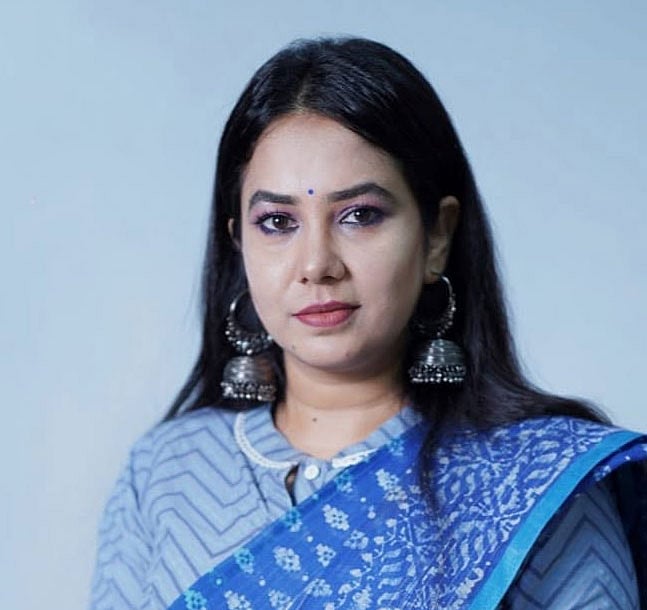
The HC order followed a writ petition filed by 30 citizens, including Liton Chandra Saha, women's rights activist Shireen Parveen Haque, Prof Anu Muhammad, journalist Nurul Kabir, Prof Gitiara Nasreen, Prof Amena Mohsin, Nazir Amin Chowdhury Joy, and Mahathir Mohamad.
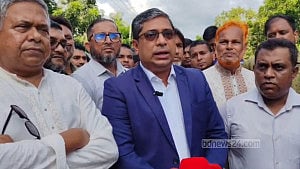
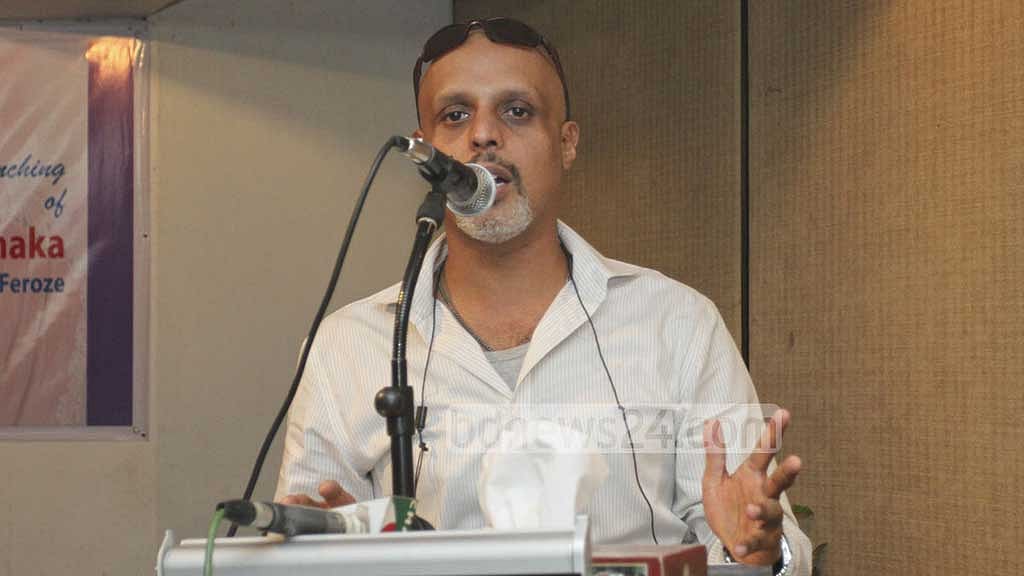
Mahathir, one of the petitioners, told bdnews24.com that despite the court order, the torture of saints, Fakirs, and ascetics by forcibly shaving their hair and beards continues.
"The YouTube channels had paused briefly but are now uploading videos of forced hair-cutting again. This is not a past event; it is a running crime," he said.
"They (Fakirs and ascetics) will never go to a police station to file a complaint themselves. Therefore, ensuring their safety is entirely the state’s responsibility," Mahathir added, alleging that a lucrative business has emerged on YouTube by exploiting these human rights violations for views and revenue.
Demanding the immediate arrest of those involved, he said, "If the police sit idle for the investigation, the criminals will get more opportunities to continue the torture. We want the state to take steps to arrest them immediately."
He also demanded exemplary punishment and the confiscation of all illegally earned property of the suspects.
The writ petition argued that these actions violate fundamental rights guaranteed under Articles 27, 31, 35(5), 36, 39(1), and 41 of the Constitution.
It stated that the traditional attire and long hair or beards of Bauls and ascetics are integral to their lifestyle and beliefs. Forcibly cutting them in the name of social or religious reform directly violates the Constitution and interferes with freedom of movement and religion. The state has failed to provide equal legal protection to Bauls and Fakirs during these long-standing attacks, the petition alleged.
The petition also sought directives for a complete list of attacks on shrines and prayer halls across the country since Aug 5, 2024, including financial losses and the identification of perpetrators.
It also requested the formation of an inquiry committee to identify police officers who failed to ensure the security of shrines and Bauls and Fakirs, and to take action against them before submitting a report to the court.