Published : 31 Jul 2026, 06:55 AM
Updated : 08 Sep 2026, 09:29 AM


The Tea Revival
Production boom ends imports: Annual output crossed 100 million kg, satisfying local demand and cutting imports to a trace
10 million kg export surplus: Growers hold a 10 million kg surplus that could yield $28 million annually if exported abroad
Ambition for global return: With output set to hit 104 million kg this year, official focus shifts back to global markets
For decades, tea was one of Bangladesh's great export success stories.
Long before readymade garments reshaped the economy, tea stood alongside jute as one of the country's biggest foreign currency earners. At its peak in the 1990s, Bangladesh ranked among the world's leading tea exporters.
That era gradually faded as domestic consumption surged and exports dwindled, forcing the country to import tea to meet growing demand.
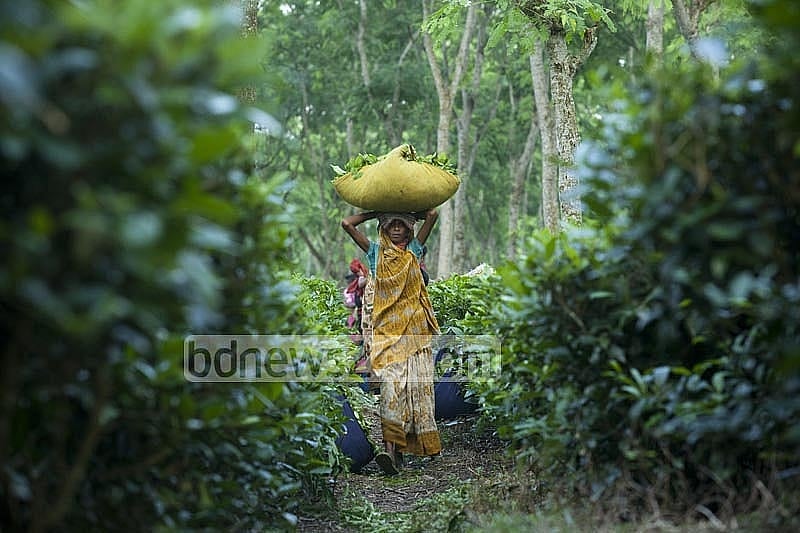
Now, the industry is writing a different story.
Record production has not only ended fears of import dependence but also created a surplus that growers believe could restore Bangladesh's place in international markets -- if the government and exporters can seize the opportunity.
From Export Champion to Domestic Success
According to the Export Promotion Bureau, Bangladesh earned $3.33 million from tea exports in fiscal year 2025-26, down nearly 19 percent from a year earlier. The figure is only a fraction of tea's historic contribution.
In 1975-76, tea accounted for more than 7 percent of Bangladesh's export earnings. A year later, its share approached 10 percent, while the country's garment exports were only beginning with earnings of just $12,000.
Industry leaders say policy attention gradually shifted towards garments, leaving tea behind even as domestic demand expanded rapidly.
Yet they argue the sector has quietly achieved something equally significant: producing enough tea to satisfy a much larger home market without relying on imports.
Bangladesh Tea Association Chairman Kamran Tanvirur Rahman said annual production has risen from around 30 million kg after independence to more than 100 million kg today, while domestic demand has climbed to about 90 million kg.
“If we had failed to increase production, we would have had to import enormous quantities of tea, costing the country valuable foreign currency,” he said.
He believes the industry's next objective is clear: export the annual surplus of roughly 10 million kg through coordinated action by government and the private sector.
At current international prices of about $2.80 per kg, that surplus could generate around $28 million in export earnings.
Record Harvests, New Ambitions
Bangladesh Tea Board officials say years of investment have transformed the industry.
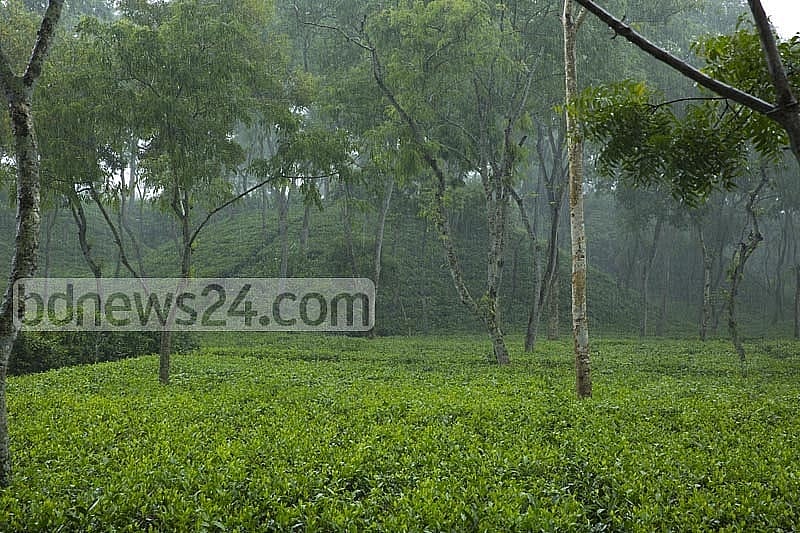
Production reached a record 102.92 million kg in 2023 and remained close to 100 million kg in both 2024 and 2025. The momentum has continued this year.
Tea cultivation has expanded beyond the traditional estates of Sylhet into Panchagarh, Lalmonirhat, Thakurgaon, Dinajpur and Bandarban. Improved technology, fresh investment and the revival of neglected gardens have all contributed to higher yields.
Tea Board Chairman Maj Gen Md Mesbah Uddin Ahmed said production during the first half of 2026 was already 7 million kg higher than during the same period last year.
The board is targeting 104 million kg this year and aims to raise annual output to 125-130 million kg within five years.
"We have also turned our attention to new export markets," he said. "We hope tea exports will double in 2026."
Tea Board member Yasmin Parveen Tibrizi said the industry's immediate priority had long been increasing production to meet domestic demand.
“Now we are focusing on expanding exports while continuing to increase production,” she said. “We hope Bangladesh will gradually regain its former glory in tea exports.”
Reclaiming Lost Markets
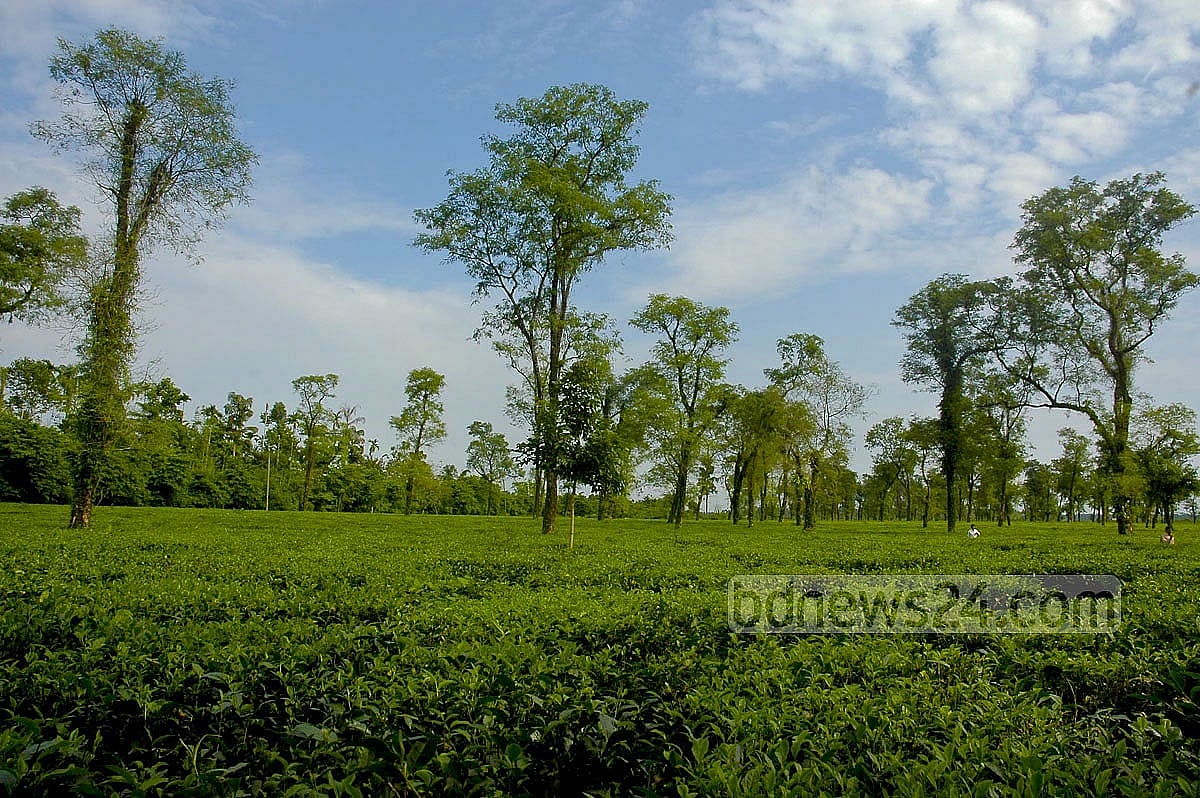
While exports remain modest, Bangladesh's dependence on imported tea has fallen sharply.
Imports, which peaked at more than 10 million kg in 2012, declined to just 50,000kg in 2025, aided by higher regulatory duties designed to protect local producers.
Economist Jahangir Alam Khan believes the production gains should now be matched by an export strategy.
“We have performed remarkably well in production, but not in exports,” he said. “That is where the focus must now shift.”
The government has formed a taskforce to prepare a roadmap for improving production, quality and exports.
For an industry that once defined Bangladesh's place in the global tea trade, the challenge is no longer growing enough leaves.
It is ensuring that the country's record harvests once again find buyers beyond its own borders.