Published : 11 Sep 2026, 05:58 PM
Updated : 16 Sep 2026, 11:49 AM


Britain has announced plans to ban imports from Israeli settlements in the occupied West Bank, marking one of its toughest economic measures yet against settlement expansion.
But it is not banning trade with Israel.
Foreign Secretary Ed Miliband said the new sanctions regime would target settlements and businesses that help expand them, while Britain would continue what he called "important and valued trade" with Israel inside the Green Line.
The legislation is expected to take six to nine months to put in place. Britain has, however, imposed immediate sanctions on another group of extremist settlers accused of supporting or inciting violence against Palestinians.
Israel has responded by ordering the closure of Britain's consulate in East Jerusalem and accusing London of interfering in its affairs and upcoming elections.
So what exactly will Britain prohibit, how much economic pressure could it exert, and why has a relatively small slice of trade triggered such a large diplomatic confrontation?
What Exactly Will Britain Ban?
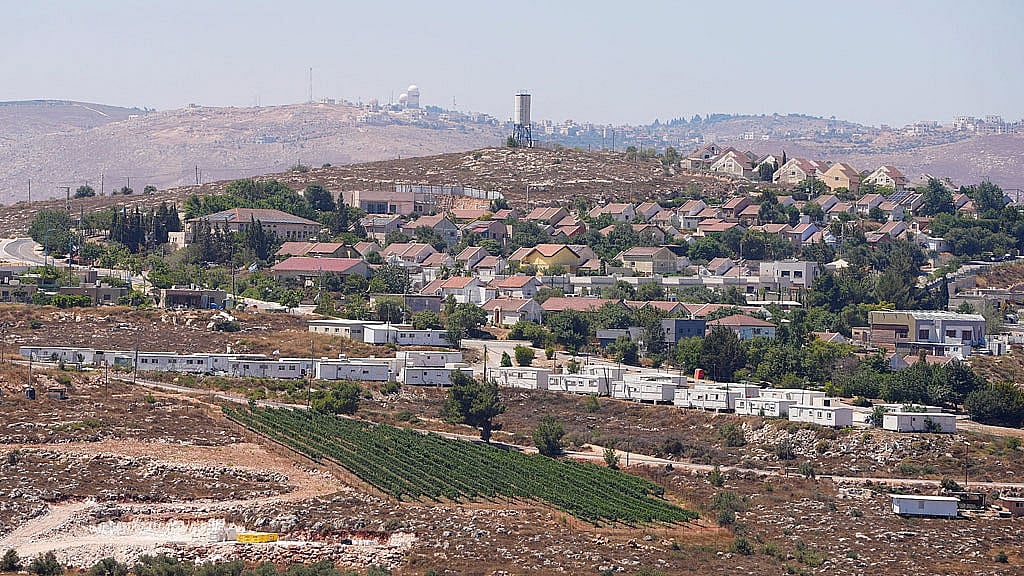
The most visible measure is an intended prohibition on goods originating in Israeli settlements in occupied territory.
Settlement exports include agricultural products such as dates, citrus fruit, herbs and wine, according to Reuters. They account for only a small fraction of Israel's overall exports.
Britain also plans to target specific companies and individuals that provide services supporting settlement expansion, including construction, infrastructure, financing and real estate.
Advertising settlement land in Britain will also be prohibited.
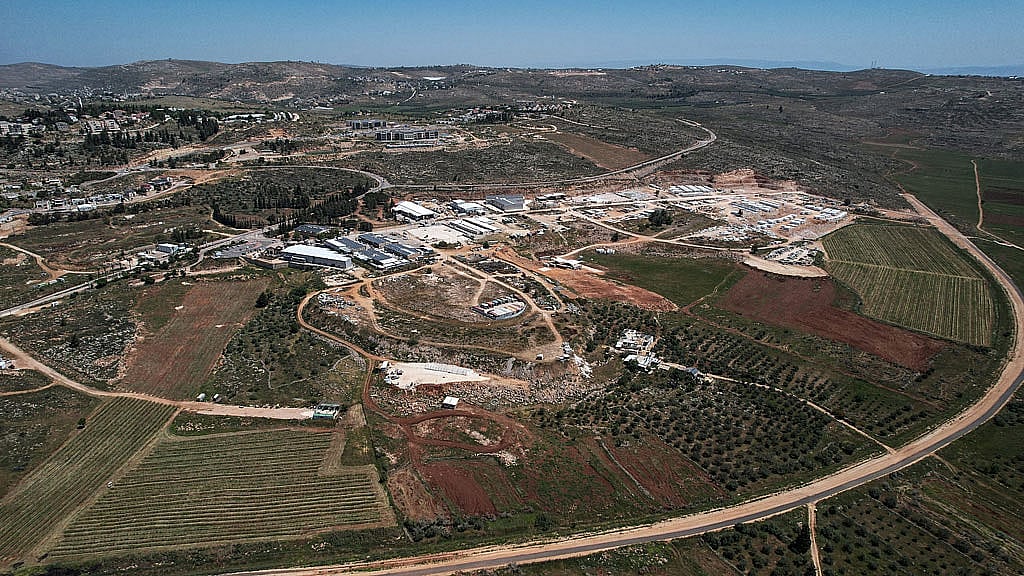
The measures are specifically aimed at settlements rather than Israel generally.
Settlement products were already treated differently under British trade rules: they do not qualify for the preferential tariffs available under the UK-Israel trade agreement.
Import documentation must identify where qualifying production occurred, and settlements are covered by a list of locations whose products are excluded from preferential treatment.
The planned policy therefore goes a significant step further — from imposing different tariff treatment to preventing those goods from entering Britain at all.
Why are Settlements Treated Differently?
Successive British governments have regarded Israeli settlements in the occupied West Bank as illegal under international law.
Israel disputes that position, as well as broader international legal interpretations concerning the territory.
[INSERT PHOTO: https://bdnews24.com/world/392fb7070ddc]
In a 2024 advisory opinion, the International Court of Justice concluded that Israel's continued presence in the occupied Palestinian territories was unlawful.
Miliband went further on Sept 8, announcing that the British government's official position is now that the occupation itself is unlawful and saying that this should be reflected in Britain's economic relationship with the territory.
For London, the distinction is therefore deliberate: commerce with Israel itself can continue, while economic activity connected to settlements faces separate treatment.
Why is Britain Acting Now?
The decision comes amid accelerating settlement expansion and rising international concern over violence in the West Bank.
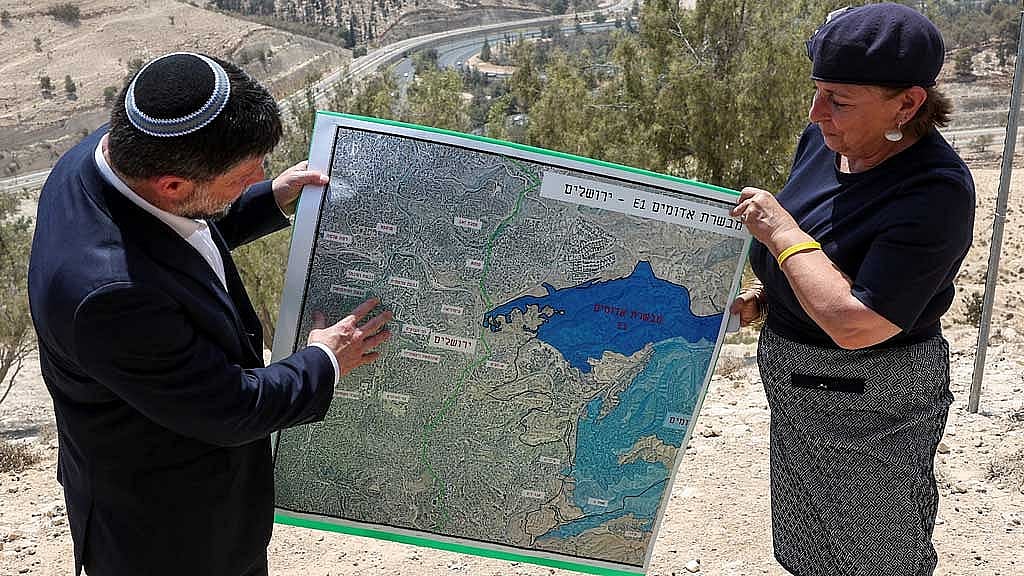
Particular attention has focused on E1, a settlement project east of Jerusalem.
In August, Israel issued tenders for more than 1,200 homes there. Britain argues that development in E1 would cut through territory intended for a future Palestinian state and make a viable two-state solution increasingly difficult.
Britain had already toughened its position earlier this year, advising businesses against economic or financial activity in Israeli settlements, including investment, purchases, financial transactions and some services.
Miliband said the government could no longer simply condemn settlement expansion while continuing to accept products originating there.
Britain, France and Canada announced settlement-import restrictions together, while foreign ministers from nine other countries issued a parallel statement supporting action to protect the two-state solution.
How Much Trade Will Actually Be Affected?
Probably a relatively small amount — although there is no reliable official figure for imports from Israeli settlements alone.
The House of Commons Library says accurate settlement-trade data are difficult to obtain because Israel and the occupied Palestinian territories are linked through a customs union.
For context, the British government estimated UK trade with the occupied Palestinian territories at about £38 million in 2025, compared with roughly £6 billion in trade with Israel.
But the £38 million figure includes Palestinian trade and therefore cannot be treated as the value of Israeli settlement goods affected by the planned ban.
Reuters says settlement exports are principally agricultural and make up only a tiny part of Israel's total exports. It described the import restrictions themselves as largely symbolic and unlikely to dent the wider bilateral trading relationship.
The direct commercial impact, then, is likely to be modest.
The potentially bigger question is what happens beyond goods.
Could Sanctions on Companies Matter More?
Potentially.
The new British regime is designed to reach companies and individuals that finance, build or otherwise facilitate settlement expansion.
That opens a broader front than an import ban on dates, wine or other produce.
Construction companies, property businesses and financial institutions could face sanctions if Britain determines that their activities meet the criteria set out under the new regime.
Exactly how far those measures extend will depend on how the legislation is drafted and enforced, so it would be premature to assume that entire sectors such as banking or insurance will be targeted.
But the government's own language makes clear that the policy is intended to reach beyond goods at the border and into the commercial networks that enable settlements to expand.
Why Has Israel Reacted So Strongly?
Because the dispute goes beyond the immediate value of the trade involved.
Israel argues that the measures improperly single out Israelis in the West Bank and amount to foreign interference.
Foreign Minister Gideon Saar called the British move "blatant interference" in Israel's affairs and electoral process. Israel said it would close Britain's consulate in East Jerusalem, bar some British nationals from entering the country and exclude Britain from a US-led Gaza coordination mission.
The British consulate in East Jerusalem is accredited to the Palestinian Authority, making its closure a particularly visible diplomatic retaliation.
Britain argues that its measures target settlement expansion rather than Israel itself, and Miliband explicitly rejected the wider Boycott, Divestment and Sanctions movement while saying trade with Israel inside the Green Line should continue.
That distinction is also what gives the move much of its political significance: London is drawing an increasingly hard economic line between Israel and territory occupied since 1967.
Is Britain Acting Alone?
No, although there is no unified Western approach.
France and Canada announced similar plans to block imports from Israeli settlements, and nine other countries joined Britain, France and Canada in reaffirming support for action to protect a two-state solution.
But the United States has rejected the trade-ban approach.
Secretary of State Marco Rubio said such measures could destabilise the West Bank and confirmed Washington would not prohibit settlement imports.
Attempts to secure broader EU action have also run into resistance, including from Germany.
So whether Britain's move becomes part of a wider international system of economic restrictions remains uncertain.
Will the Ban Make a Difference?
The import ban alone is unlikely to deliver a major blow to Israel's overall economy.
Settlement trade is small compared with the roughly £6 billion annual UK-Israel trading relationship, and there is no reliable official figure isolating the value of settlement imports.
The potentially bigger significance lies in what comes next.
Britain is moving from discouraging settlement-linked business and withholding preferential tariffs to prohibiting settlement goods and preparing sanctions against companies and individuals that finance or facilitate expansion.
If those restrictions remain narrow, their economic effect is likely to be limited.
If the corporate sanctions expand — and if more countries follow Britain's lead — their reach could become considerably broader.