Published : 23 May 2026, 07:01 AM
Updated : 21 Aug 2026, 03:46 PM


Flashpoint Havana: Echoes of the Cold War
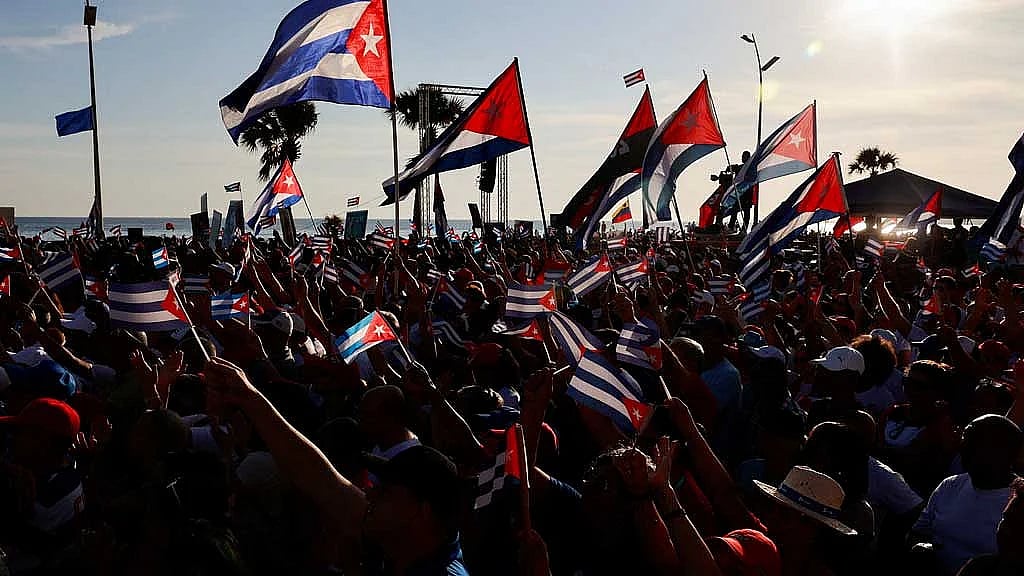
Cold War doctrine revived: Fearing US military action, Havana mobilises its "War of All People" strategy
Castro indictment sparks fury: Tensions soared after US prosecutors indicted Raúl Castro over the 1996 downing of American planes
Civil defence on high alert: Cuba issues emergency household guides and expands preparedness measures
Formidable strategic threat: Analysts warn Cuba's proximity and deep-rooted civilian military integration make it a far more volatile and complex target for Washington than Venezuela
The storm clouds gathering over Havana no longer feel metaphorical.
As relations between the United States and Cuba plunge into their sharpest crisis in years, the island’s leadership is reviving a doctrine forged in revolution, sacrifice and siege -- preparing ordinary citizens for the possibility of war.
Across Cuba, civil defence systems are being thrust back into focus, emergency protocols circulated and communities quietly reminded of an old revolutionary slogan: “Patria o muerte, venceremos” -- “Homeland or death, we will prevail”.
According to a feature report by Al Jazeera, Cuban authorities have intensified preparations for a possible confrontation with Washington after former President Raul Castro was indicted by US federal prosecutors over the 1996 deaths of four Americans whose aircraft were allegedly shot down by Cuban jets.
The indictment charged Castro with conspiracy to kill US nationals, four counts of murder and two counts of aircraft destruction, marking a dramatic escalation in already strained ties between the two countries.
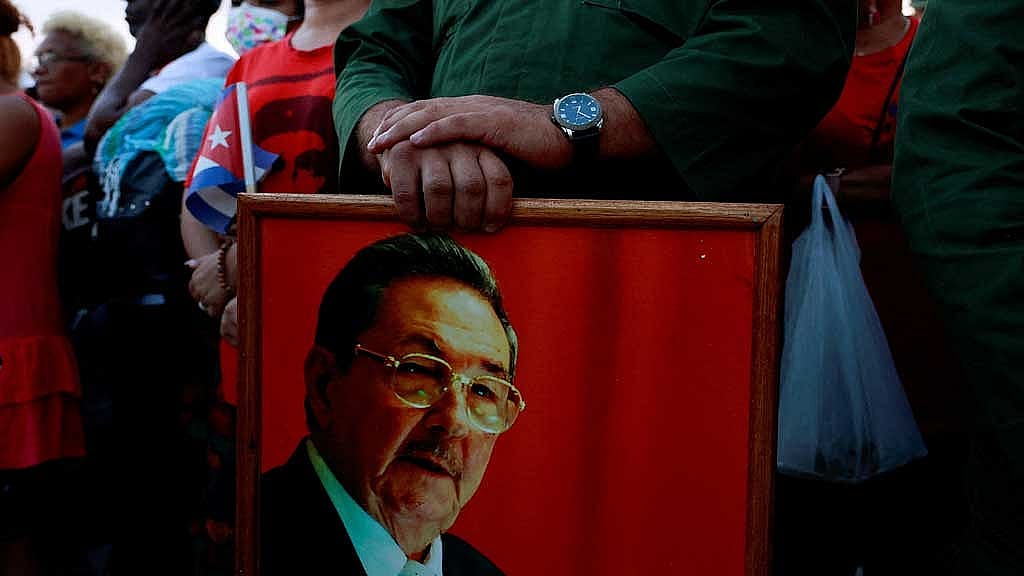
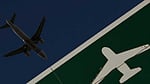
The tensions have deepened amid a surge in US surveillance flights near Cuba, executive orders labelling the island a “significant threat” to American national security, and increasingly combative rhetoric from President Donald Trump, who recently declared: “Cuba is next”.
Against that backdrop, Cuba’s Civil Defence agency published a detailed guide titled “The Family Guide for Protection Against Military Aggression”, outlining safety measures and responsibilities for households in the event of an attack.
For Helen Yaffe, a professor of Latin American political economy at the University of Glasgow, the move reflects Cuba’s longstanding doctrine known as the “War of All People”.
“Everyone in Cuba is trained militarily and … incorporated into this system of national defence,” Yaffe told Al Jazeera.
She compared the system to Cuba’s response to devastating hurricanes -- highly organised, decentralised and dependent on civilian participation.
Yaffe recalled living in Cuba during a Category Four hurricane, where residents instinctively knew their responsibilities. Some evacuated elderly neighbours to shelters while others prepared to clear debris once the storm passed.
That same mentality, she said, is now being redirected towards national defence.
A Nation Preparing for Siege
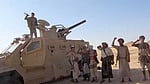
The doctrine emerged after the collapse of the Soviet Union, when Cuba feared isolation and invasion. It envisioned resisting a foreign attack not only through the military but through guerrilla warfare, local militias and civilian mobilisation.
While analysts disagree over how effective such resistance would be against the United States, many acknowledge that Cuba presents a far more complicated challenge than Venezuela.
When US forces abducted Venezuelan President Nicolas Maduro earlier this year, the speed of the operation stunned much of Latin America. But according to Yaffe, Cuban fighters in Venezuela mounted fierce resistance.
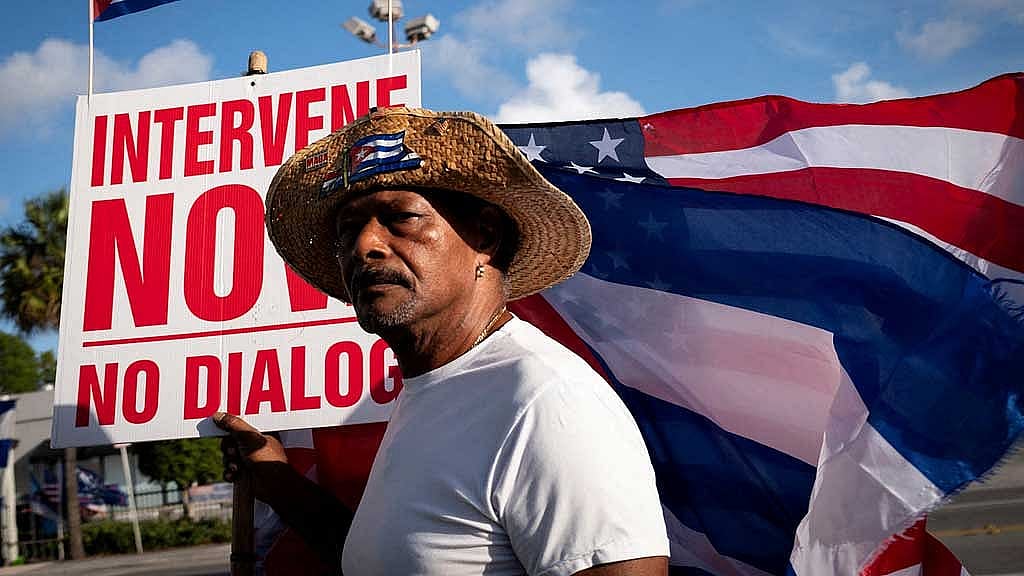
“They think that was a fierce resistance? That was 32 Cubans. Imagine if they come here, [there] will be 10 million,” she told Al Jazeera, describing sentiments widely echoed within Cuba.
Carlos Malamud, a Latin America analyst at Madrid’s Elcano Royal Institute, agreed that Cuba would prove significantly more difficult to confront than Venezuela.
“The capacity to provoke losses in the civilian population, and in the American cities, like Miami, for example, is higher,” Malamud told Al Jazeera.
He argued that Cuba’s proximity to the United States dramatically alters the military equation, potentially exposing American cities to retaliatory attacks.
Sebastian Arcos, director of the Institute for Cuban Studies at Florida International University, offered a more sceptical assessment of Havana’s military capability.
“Cuba’s military is obsolete. They have little chance of resisting the US,” he told Al Jazeera.
Still, even Arcos acknowledged that Cuba has spent decades preparing for precisely such a scenario.
“Cuba is a harder target [than Venezuela], not so much militarily, but because they have had time to prepare for a similar operation,” he added.
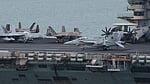
Recent reports by Axios, citing unverified US intelligence, claimed Cuba had acquired 300 military drones and could target Guantanamo Bay, American naval vessels and Key West.
Cuban officials dismissed the claims as attempts to justify military action.
Political Risks for Washington
Beyond military considerations, analysts told Al Jazeera that any attack on Cuba would carry severe political consequences for Washington.
Yaffe warned that conflict could trigger a mass migration crisis.
“Any attack on Cuba would spark an immediate, uncontrollable mass migration, mainly through the sea,” she was quoted as saying.
Such an outcome, she argued, could prove politically disastrous for Trump, whose political identity is closely tied to anti-immigration policies.
Cuban Americans also hold significantly greater political influence in the US than Venezuelan exiles, analysts noted.
“There is no comparison,” Malamud said.
Many Cuban Americans, particularly anti-Castro conservatives, would reject any settlement that preserved elements of the existing political system.
Seizing on Cuba’s deepening economic crisis, US Secretary of State Marco Rubio earlier offered what he described as a new framework for relations with Havana, including $100 million in food and medical assistance, according to Al Jazeera.
The proposal expanded on an earlier offer from President Trump that Cuban President Miguel Diaz-Canel had reportedly indicated openness towards.
Rubio, however, blamed Cuba’s leadership for the island’s shortages of food, fuel and electricity, while critics pointed to the longstanding US blockade as a major factor behind the worsening crisis.
Rubio, himself a Cuban American, has emerged as one of the administration’s most vocal hardliners on Cuba.
Yet Yaffe suggested Trump may ultimately view Cuba more pragmatically.
While Rubio has “monopolised Trump’s ear on Cuba”, she said, Trump remains deeply transactional and historically interested in business opportunities involving the island.
Arcos predicted that, if conflict occurs, it may resemble something “halfway between Venezuela and Iran, with aerial strikes and no boots on the ground”.
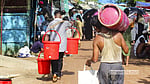
For now, Cuba faces the prospect of confrontation while grappling with blackouts, fuel shortages and deep economic distress worsened by decades of US sanctions.
Still, amid the uncertainty, one message continues to echo across the island.
“Aqui no se rinde nadie -- no one surrenders here,” Yaffe said.