Published : 12 May 2026, 05:40 PM
Updated : 21 Aug 2026, 03:43 PM


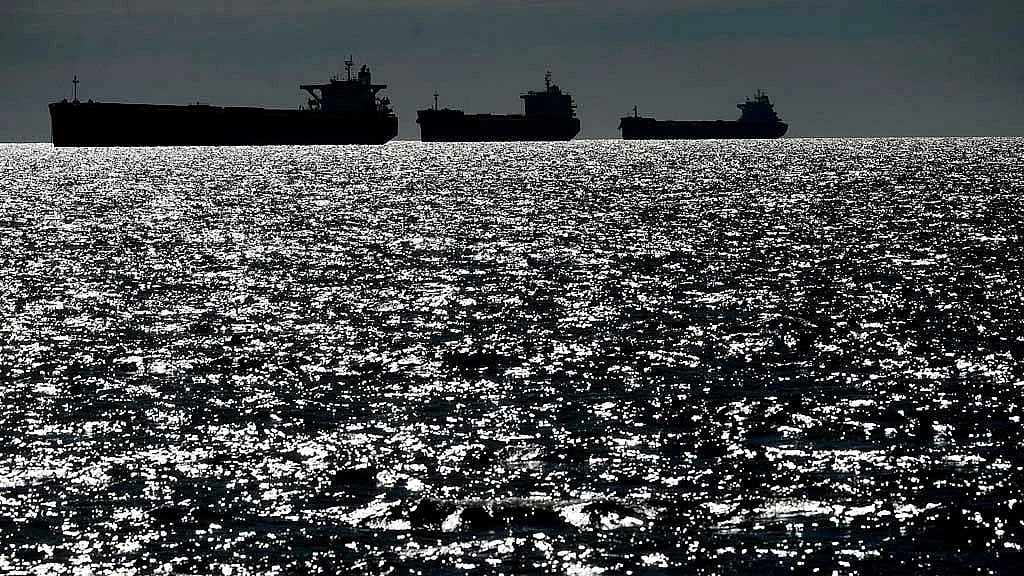
Nearly 200 UK-sanctioned vessels linked to Russia have entered British waters since Prime Minister Keir Starmer threatened to intercept them almost seven weeks ago, according to an analysis by BBC.
In March, Starmer announced that British armed forces were now able to board sanctioned vessels passing through UK waters.
The British broadcaster’s Verify unit, however, identified 184 sanctioned ships making 238 journeys through UK waters between Mar 25 and 3pm BST on May 11, with no public evidence that any had been boarded.
The UK Ministry of Defence (MoD) said it was “disrupting and deterring” vessels linked to Russia’s so-called shadow fleet, but did not provide operational details.
Former Royal Navy commander Tom Sharpe criticised the lack of direct action, calling it “utterly confusing” and “pathetic”.
The Kremlin has criticised the UK’s threat to detain Russian vessels, calling it “another deeply hostile step directed at Russia” and warning such actions “have consequences”.
The report said every vessel entered the UK’s Exclusive Economic Zone, which stretches up to 200 nautical miles from the coastline, while at least 94 ships briefly crossed into British territorial waters.
BBC Verify said the UK interception policy applies to both areas.
Russia has used a “shadow fleet” of tankers with opaque ownership structures to bypass international sanctions imposed on its oil exports following the war in Ukraine.
All 184 ships identified by the outlet appear on the UK Foreign Office sanctions list over links to Russia.
The sanctions prohibit the vessels from entering British ports and ban UK-based firms or individuals from providing financial, insurance or brokerage services linked to Russian oil shipments.
As per the BBC, most of the tracked ships were oil tankers, while others included liquefied natural gas carriers and one offshore support vessel.
Tracking data from MarineTraffic showed some ships temporarily disappearing west of Scotland and Ireland, where onboard AIS tracking systems appeared inactive.
Sharpe said Britain has the military capability to intercept vessels through warships, boarding teams and customs units, but accused authorities of being overly risk-averse and poorly coordinated.
One sanctioned tanker, the Universal, appeared to be escorted through the Channel by a Russian frigate, the Admiral Grigorovich, in early April.
Experts suggest such escorts indicate that the UK is keeping Russian activity under pressure, even if physical interceptions have not occurred.
James M Turner, a shipping lawyer, told the BBC that legal constraints might be the primary obstacle.
He explained that international law generally prohibits the seizure of vessels flying the flag of another country unless they are "false-flagged" or have no registration at all.
One tanker, Yi Tong, which had previously travelled through the English Channel on journeys between Russia and China, reportedly took a longer route around Ireland and northern Scotland last month.
Security and maritime analyst Alessio Patalano said the rerouting suggested Britain’s policy was having at least some impact, although Russia may continue testing UK defences and maritime infrastructure.
Longer routes increase fuel use and transport costs for ships carrying Russian cargo.
The MoD said more than 700 suspected vessels have been "challenged" since October 2024, though it declined to clarify what these challenges entail or whether any sanctioned ships have been physically intercepted since the March warning.