Published : 19 Sep 2025, 11:15 PM
Updated : 28 Aug 2026, 01:27 AM


The Euphrates River is a simmering front line in the struggle for the new Syria.
It separates the country’s two largest armed camps, marking the physical divide between clashing visions for the future. On one side is the army of the new Damascus government, dominated by Islamist factions who took down a dictatorship. On the other are the forces of a region run by Kurds, ready to guard their hard-won independence with their lives.
With tensions rising, Reuters journalists travelled 1,800 kilometres across this divide in the summer, visited key strategic centres on both sides of the waterway and interviewed dozens of military and civilian officials, activists, and displaced people.
They found a lawless frontier under the control of armed groups with scores to settle, local tensions that confound leaders’ hopes for unity, and soldiers prepared to kill each other before they give ground.
At their closest point, these forces stand 200 meters apart, stationed at either end of a dirt bridge across the Euphrates in the divided eastern city of Deir Ezzor. When the reporting team approached, fighters on both sides had received orders to close it to all traffic, but none of the men would explain why. They agreed to allow a crossing only after repeatedly examining press credentials.
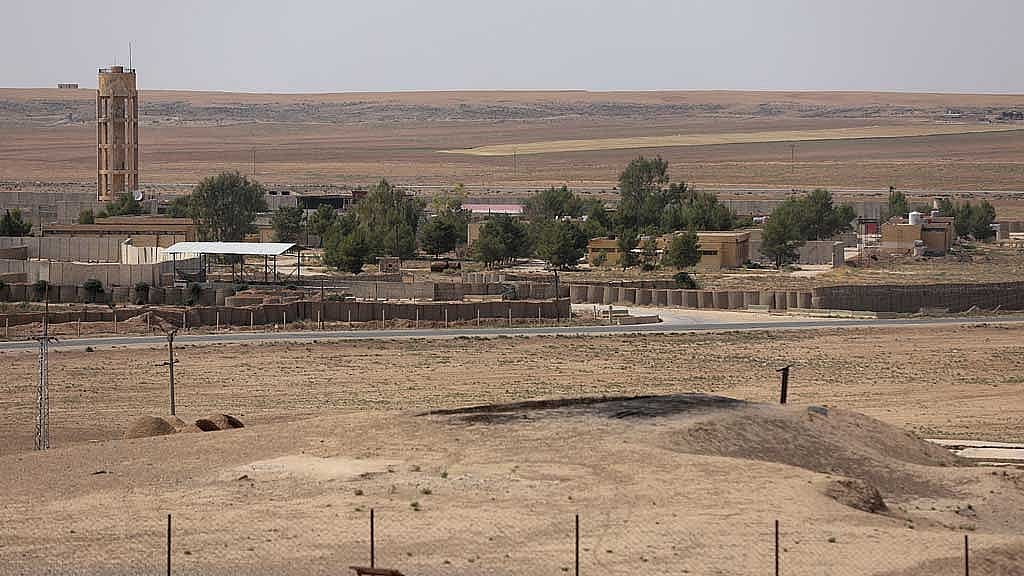
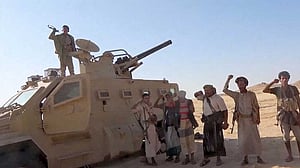
Fighters on the government side of the dirt bridge stood with weapons drawn and cocked, including one aggressive gunman with bloodshot eyes who was trying to stop a crowd of locals pushing to leave the Kurdish side. Cross-river gunfire has wounded several fighters and civilians in the weeks since. Each side accuses the other of starting it.
Ahmed al-Hayis, a commander in the new Syrian army who oversees Deir Ezzor, is stationed on the western bank of the Euphrates. Kurdish forces control his ancestral land on the other side of the river. He keeps a submachine gun by his side, a pistol and knife holstered to his belt, and surrounds himself with hardened Islamist fighters.
“In Damascus, they talk about liberation,” he said, referring to the fall of Syrian dictator Bashar al-Assad. “Here, we’re still occupied.”
To the river’s east, Sozdar Derik, a commander of the Kurdish women’s battalions, was taking her own precautions – she didn’t have a mobile phone so she couldn’t be tracked and changed location regularly. She said she’ll never trust Hayis and his comrades, whom she has battled in the past.
“We won’t attack, but we’ll defend ourselves,” Derik said. “We’re ready for war.”
The two camps facing off across the river emerged as the most powerful after the toppling of Assad in December.
Islamist former rebel factions control nearly all the areas to the west of the Euphrates – roughly two-thirds of Syria, including its major cities and the Mediterranean coast. They dominate the new government in Damascus led by President Ahmed al-Sharaa, a former Al Qaeda commander. They seek full control of the country and have the backing of the US administration and NATO member Turkey.
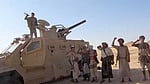
Kurdish-led militants hold roughly one-third of the country mostly to the east of the Euphrates, including hydroelectric dams that help power Syria and oil wealth crucial to its future. They run their own regional administration and want to keep it that way. They are US-trained but fear abandonment by American allies.
In meeting rooms, negotiators from both sides are struggling to advance a faltering unity agreement signed in March. The deal, now being negotiated in Damascus, would merge Kurdish-led forces into the Islamist-dominated military of Sharaa’s government.
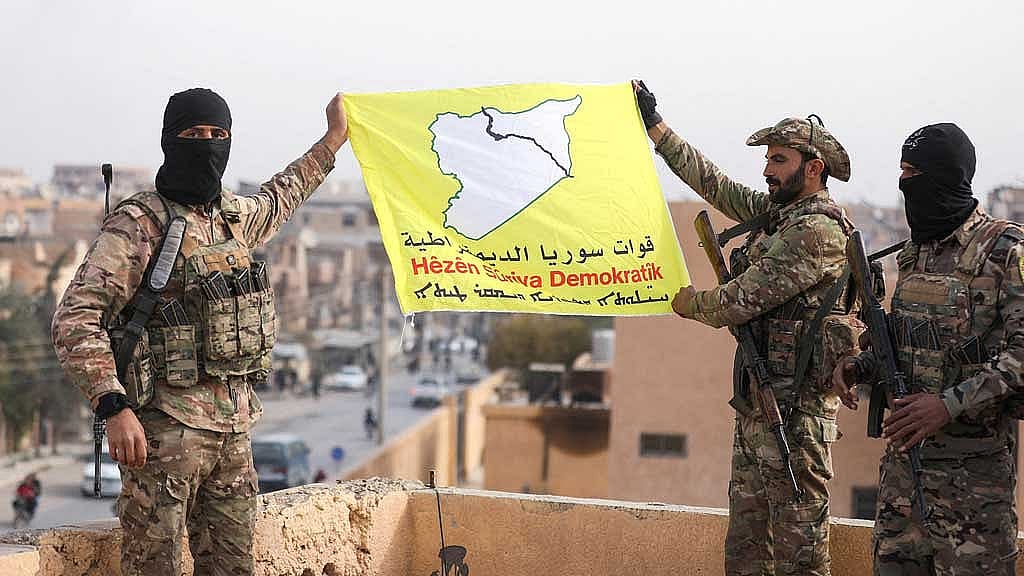
On the ground, signs point to a long-term partition or to confrontation. Neither outcome would bring the stability or unity so many Syrians desperately hoped would follow Assad’s fall.
Clashes took place at each point the reporting team visited along the Euphrates front line, both in the weeks before and after the journalists were there. While the cross-river skirmishes broke out in Deir Ezzor, Kurdish forces upstream killed a relative of an Arab commander Reuters interviewed in a fresh gun battle. The commander sent men and weapons to the front in response. Turkey meanwhile staged its first airstrikes in months on Kurdish positions, and the Kurds dug new defensive tunnels.
The months since Assad’s toppling in December have already tempered hopes for a peaceful transition. The new government’s security forces crushed a pro-Assad insurgency by killing hundreds of members of the Alawite minority in coastal areas. Bloodshed involving Druze gunmen, Bedouin tribes and Israeli airstrikes recently destabilised the south.
The Euphrates skirmishes threaten to ignite a bigger battle. On either side are tens of thousands of fighters funded, trained and armed at different stages in the Syrian civil war by the US and its allies.
Syria’s government did not respond to requests for comment about the Euphrates divide. In an interview earlier this month with Syrian state television, Sharaa said negotiations had stalled and that international partners were getting involved, including the United States and Turkey.
“Anything that will help avoid a battle or war in this problem, I’ve done it,” he said. “In the end, Syria will not give up a single inch of its land.”
Farhad Shami, spokesman for the Kurdish-led Syrian Democratic Forces, questioned whether a unified Syrian military was possible.
“The disagreement with them is not purely military but a difference of identity in the true sense,” he said in a statement to Reuters.
Syrians fear that fresh foreign meddling, local warlords and factional violence could yet tip the country into renewed conflict.
“My family told me things had gotten better,” said Tariq, an engineering graduate who returned from Turkey this year to Deir Ezzor, his ruined hometown that is now split by the river between Islamist and Kurdish control.
“I don’t feel safe,” he said. “I wish I’d not come back.”