Published : 22 Dec 2025, 07:56 AM
Updated : 21 Aug 2026, 02:54 PM


The southwestern district of Natore, long regarded as a Bangladesh Nationalist Party (BNP) bastion, is emerging as a microcosm of the party’s wider electoral challenge.
It is grappling with internal divisions as rival factions clash over party nominations, while facing a sharpened contest from the Jamaat-e-Islami in an Awami League-free field.
Across Natore’s four constituencies in the Rajshahi Division, nomination disputes have exposed fissures within the BNP just as campaigning gathers pace for the parliamentary election. While party leaders insist unity will follow once nominations are finalised, the scenes on the ground suggest a more complex reality.
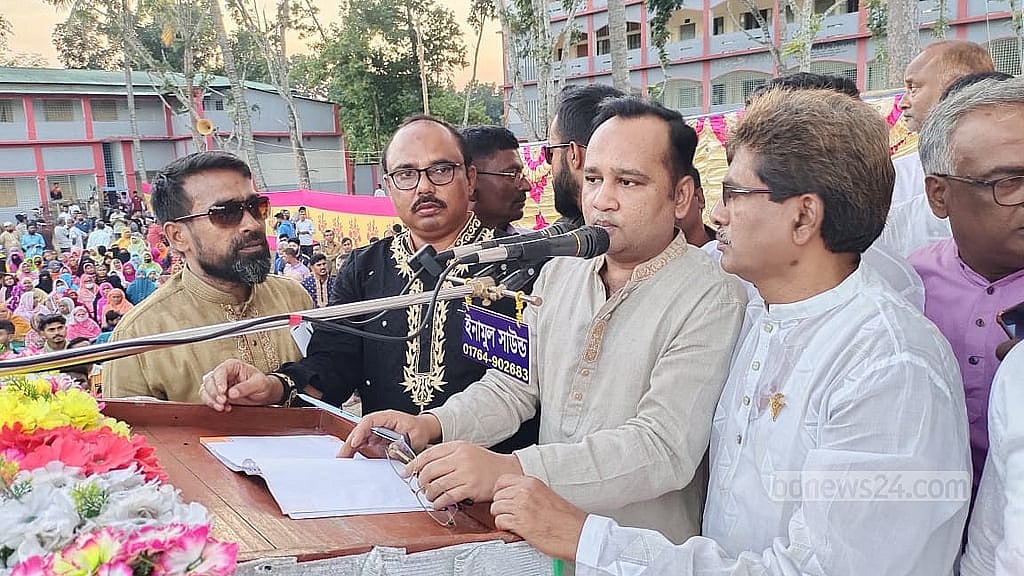
BNP failed to win a single seat in Natore in the 2008 ninth parliamentary election. Although the party participated in one of the following three elections, it did not secure any seats. Earlier, however, the BNP had swept all seats in the eighth parliament, won three in the seventh, and shared victories with the Jamaat-e-Islami in the fifth parliament.
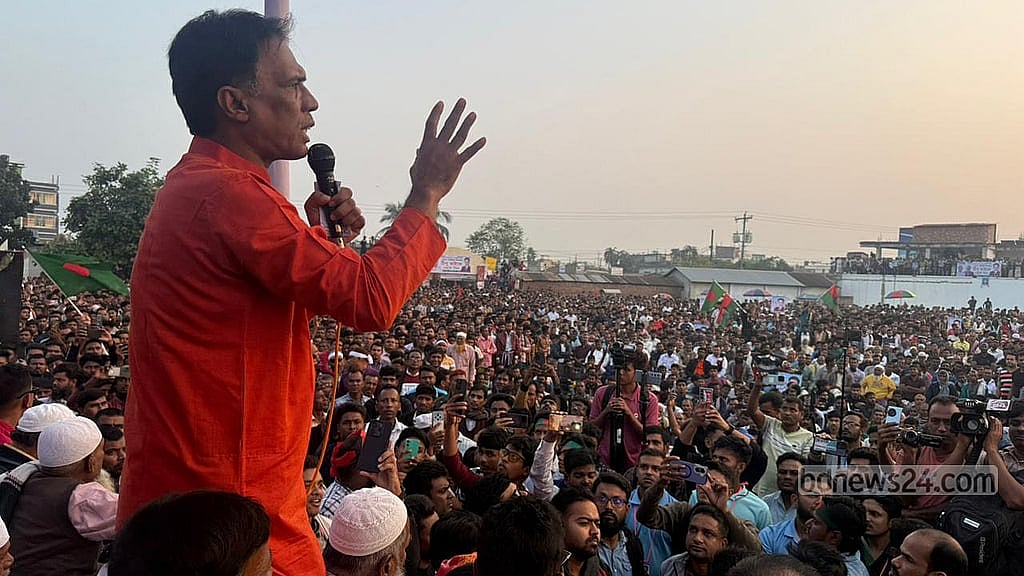
With the Awami League absent from the electoral field this time, new equations are emerging across Natore’s four constituencies. But it has not created space for new political forces. Instead, the contest has largely narrowed to the BNP and Jamaat, turning internal cohesion into a decisive factor.
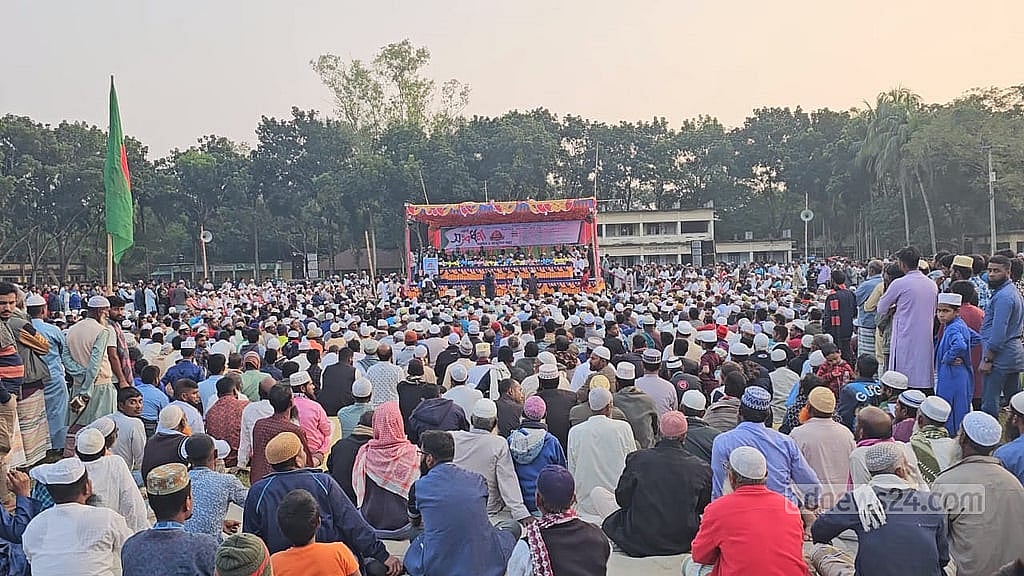
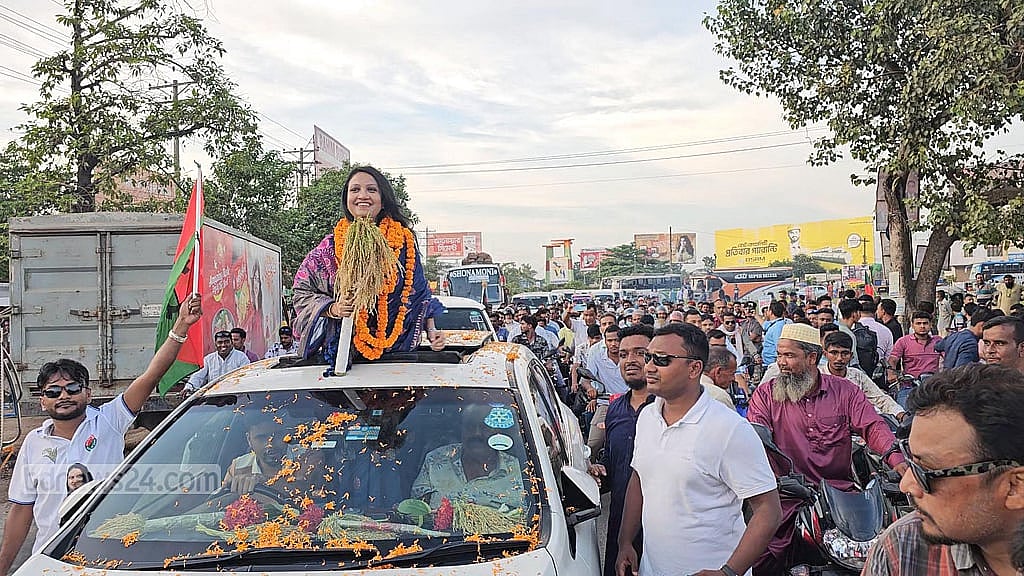
Nowhere is the strain more visible than in Natore-1, where a family rivalry has spilt into open confrontation. The BNP nomination of Farzana Sharmin Putul, daughter of the late Fazlur Rahman Patal, a former sports state minister and long-time powerbroker in the area, has triggered resistance from supporters of her elder brother, physician Yeasir Arshad Rajon.
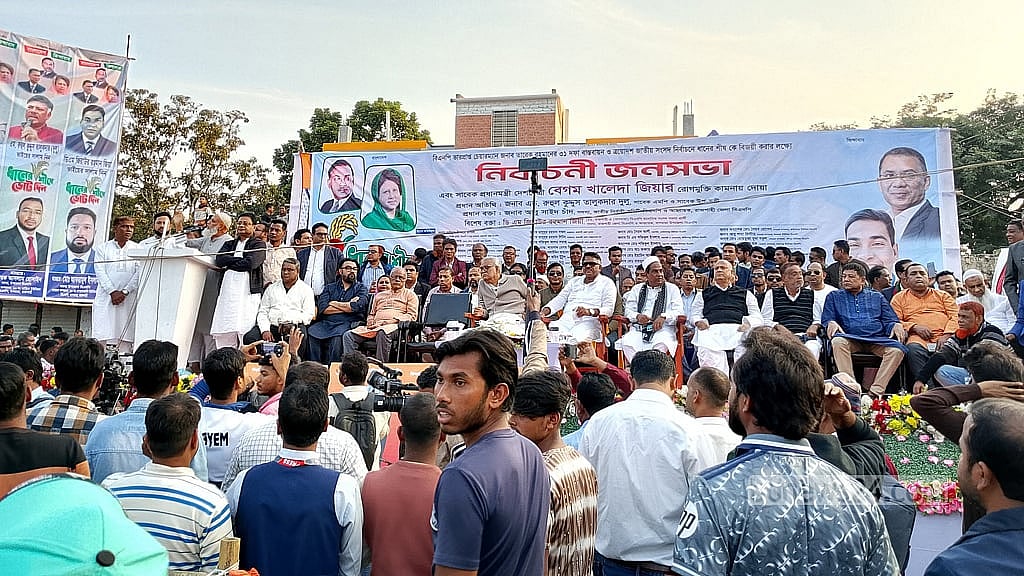
The dispute has spilt beyond party offices into street protests, road blockades and allegations of attacks, underlining how local loyalties can override party discipline.
Putul has sought to play down the tensions, arguing that both siblings remain loyal to the party. Rajon, meanwhile, has framed the dispute in emotive terms, invoking his father’s political legacy and vowing not to “compromise”.
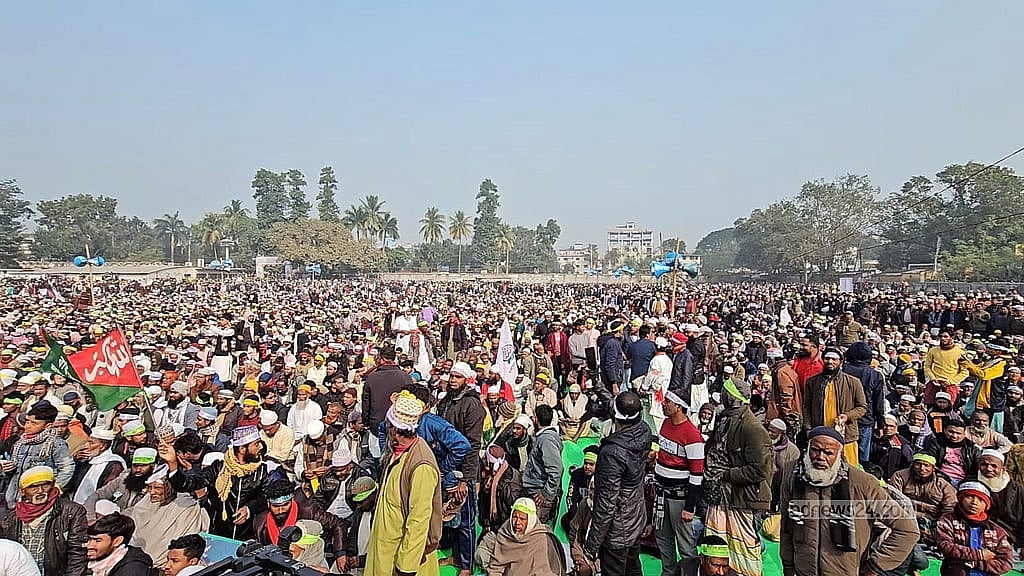
Alongside them, other BNP hopefuls continue campaigning, insisting that the nomination process remains open.
Natore-2 offers the BNP a rare patch of calm. Former deputy minister Ruhul Quddus Talukder Dulu has emerged as the clear frontrunner, with rival BNP hopefuls stepping aside.
But even here, the contest is not comfortable. Jamaat-e-Islami has fielded Yunus Ali, a former college teacher who has launched an early and disciplined campaign.
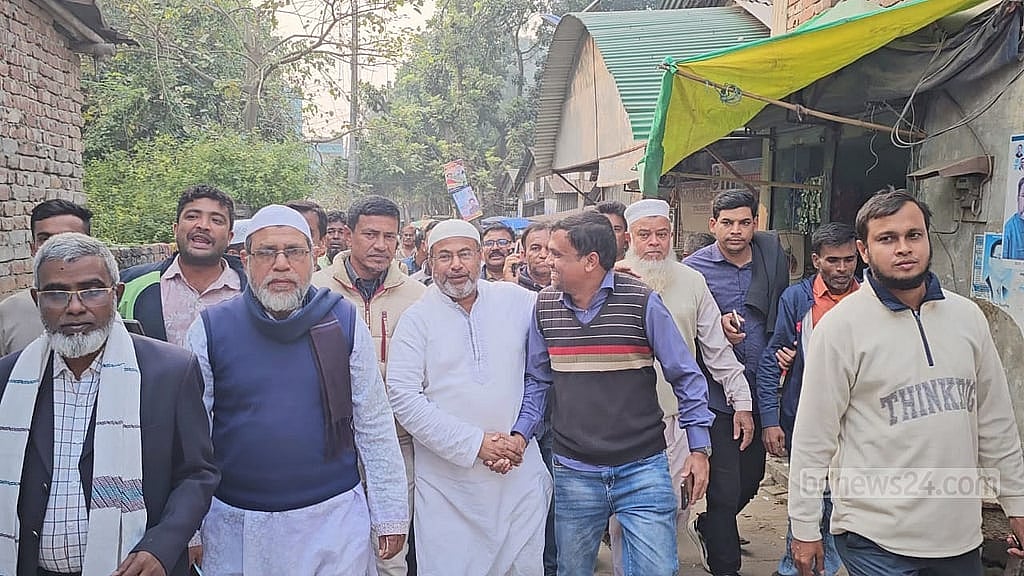
Jamaat has never won the seat, but its confidence reflects a broader calculation. The BNP’s internal distractions are an opening, forcing Khaleda Zia's party to campaign hard rather than rely on past dominance.
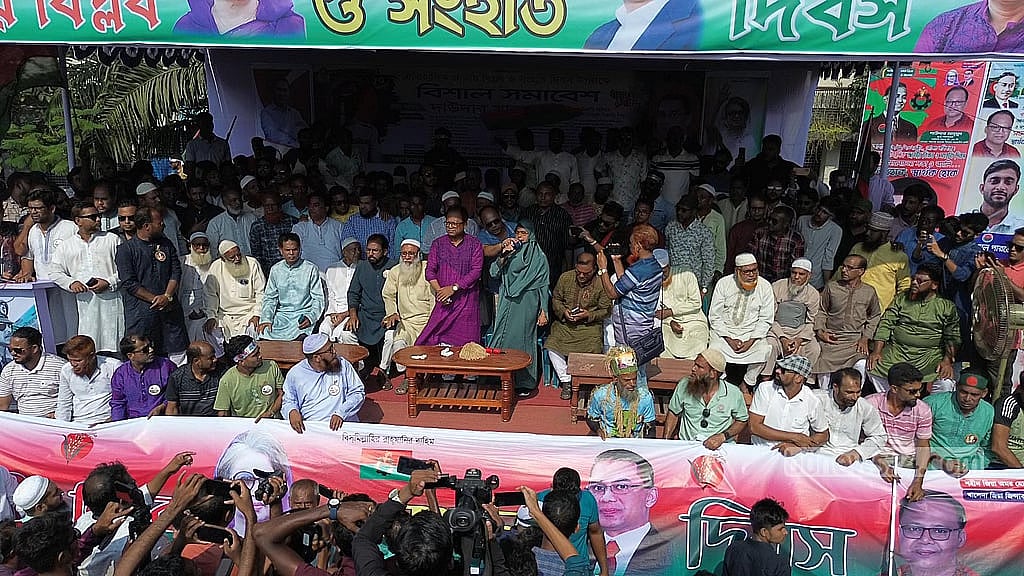
In Natore-3, once another BNP stronghold, the party’s authority looks thinner. Although Anwarul Islam Anu has been named as a candidate, several senior figures remain active, refusing to leave the field until the nomination is formally sealed.
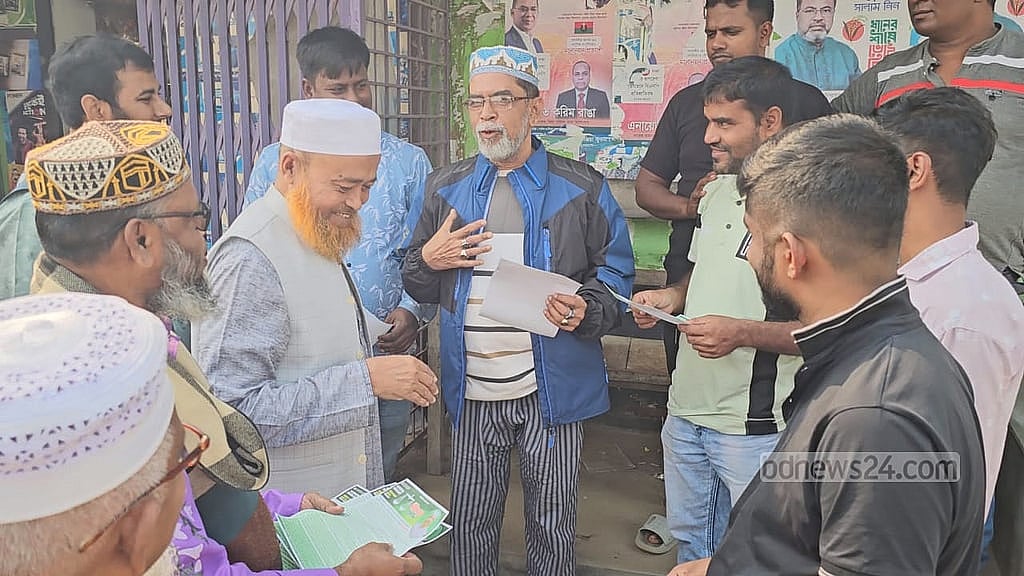
The result is a fragmented campaign that risks blunting the BNP’s organisational advantage just as Jamaat presses forward with a single candidate and a clear message.
Natore-4, by contrast, is being presented by BNP leaders as a model of reconciliation. Abdul Aziz, the nominee, is campaigning aggressively, while defeated hopefuls promise to fall into line.
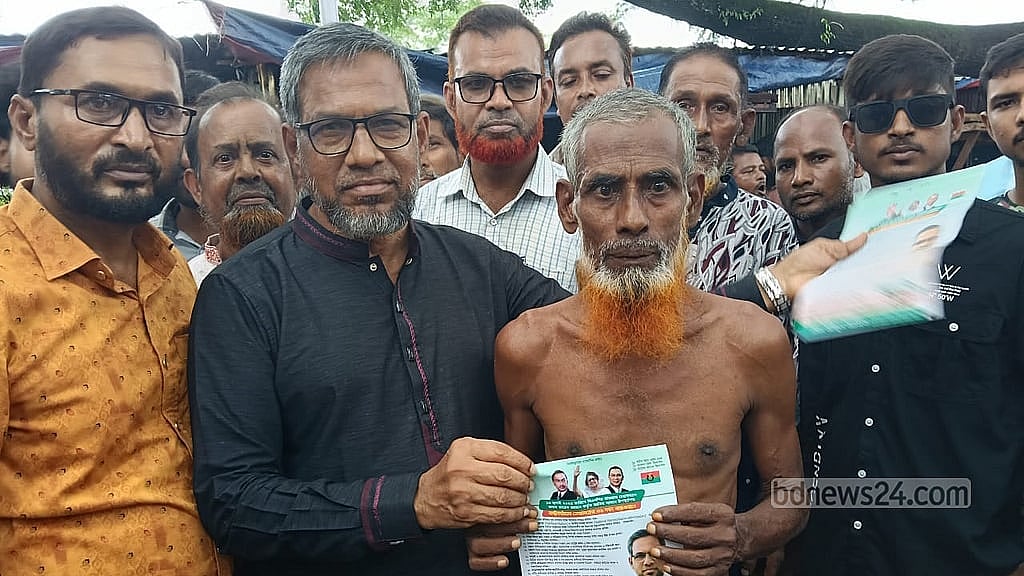
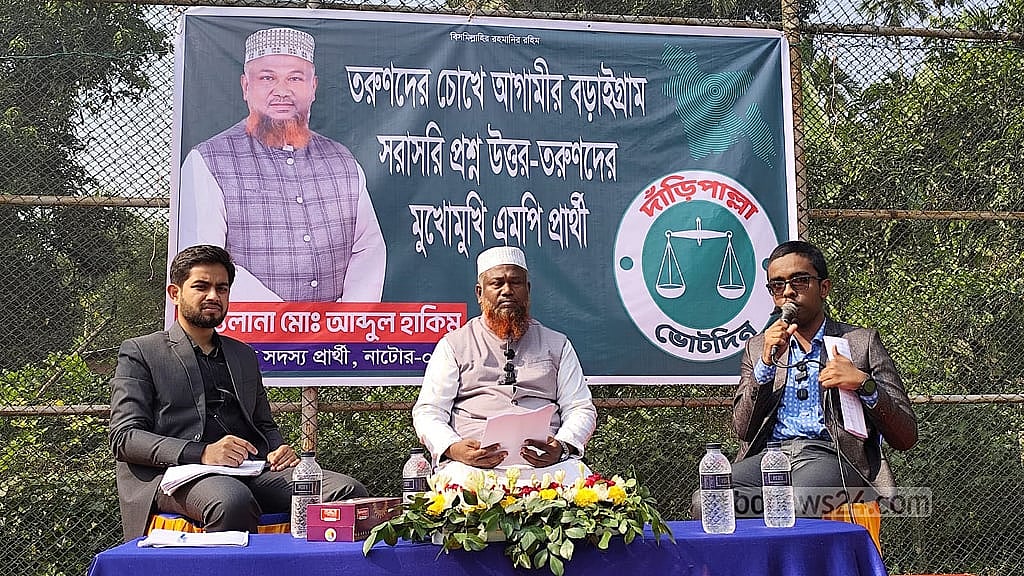
Jamaat, however, has nominated Abdul Hakim, a former local government figure who has pitched himself as a credible candidate for all communities.
For BNP’s central command, Natore is more than a local skirmish. It is a warning. The party remains the dominant force across the district, but dominance is no longer enough.
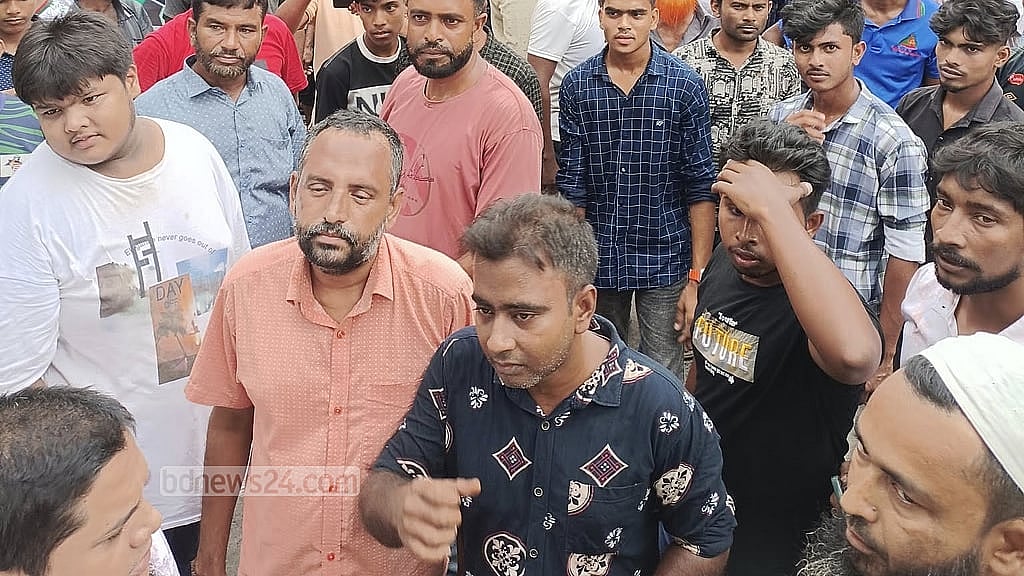
In a two-horse race with Jamaat and no Awami League to absorb dissent, its greatest vulnerability lies not in the opposition camps, but within its own ranks.
If the BNP cannot discipline itself in Natore, the district it once ruled with ease, the outcome may hinge on whether the BNP can translate its historical strength into an electoral unity.