Published : 30 Dec 2025, 05:24 AM
Updated : 21 Aug 2026, 02:56 PM


The Bangladesh Nationalist Party (BNP) is scrambling to contain internal divisions across Sylhet’s six parliamentary seats as Jamaat-e-Islami intensifies its ground campaign, sensing a rare opening in an Awami League-free contest.
While BNP candidates dominate the field numerically, factional disputes and lingering resentment among overlooked aspirants have slowed consolidation.
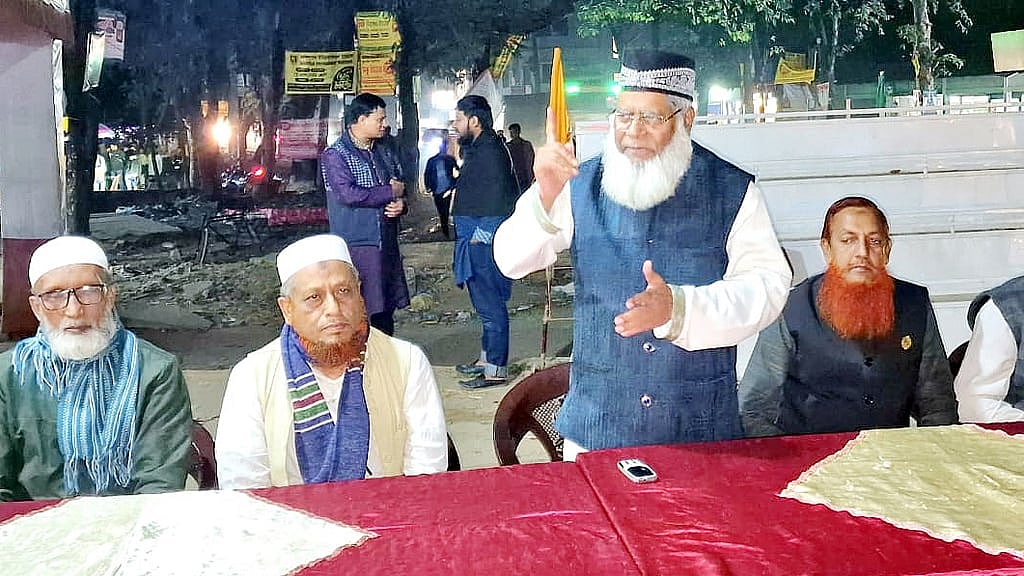
Jamaat, by contrast, has pressed ahead with disciplined campaigning, seeking to convert BNP’s struggles with resentment and slow-moving reconciliations into electoral gains.
Alongside candidates from the BNP and Jamaat, contenders from the National Citizen Party (NCP), the Jatiya Party and other political groups are also actively campaigning.
The NCP and the Jatiya Party have each nominated candidates in three of the six constituencies.
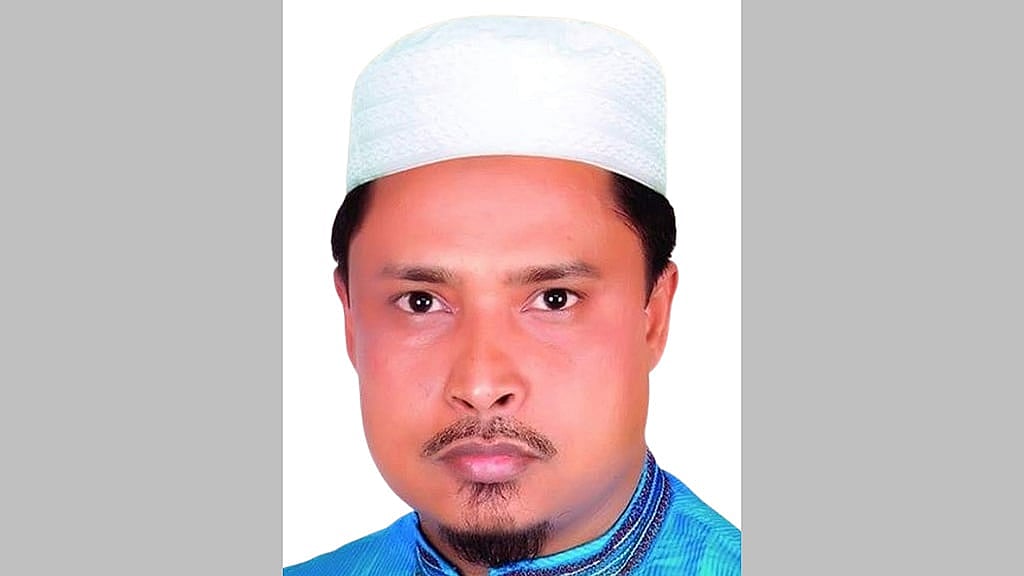
Political analysts say the absence of the Awami League and smaller groups failing to build momentum has turned Sylhet into a straight contest between BNP and Jamaat. One in which unity, rather than popularity alone, may decide the outcome.
SYLHET-1: MUKTADIR CLOSES IN ON A ‘MYTH’
Sylhet-1, comprising the city and Sadar Upazila, carries symbolic weight. A long-standing political belief holds that whichever party wins this seat goes on to form the government.
BNP has nominated Khandaker Abdul Muktadir, a party advisor and son of founding Sylhet BNP leader Khandaker Abdul Malik, a multiple-time MP. Though former mayor Ariful Haque Chowdhury also sought the nomination, he was shifted to Sylhet-4, easing tensions.
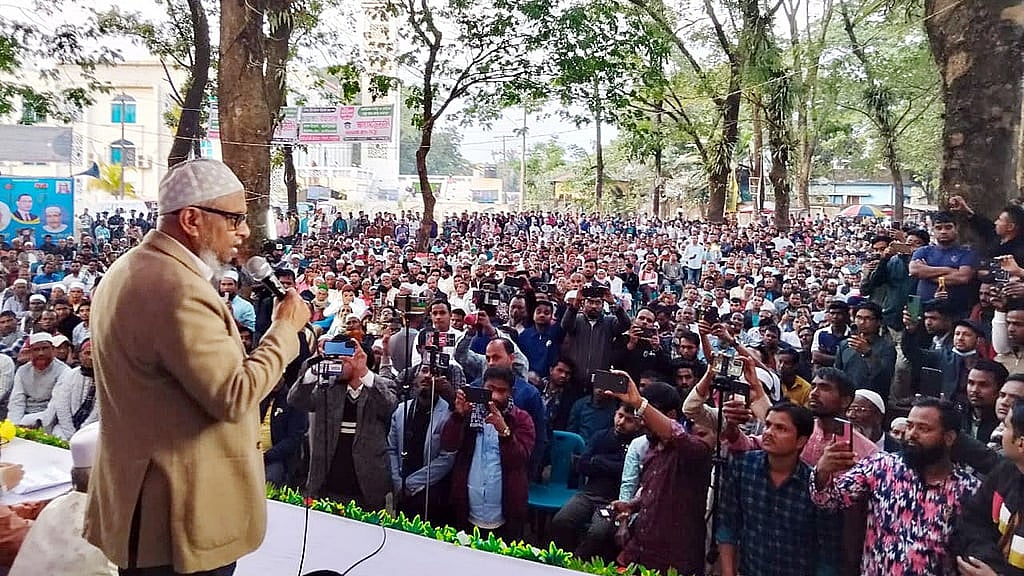
Muktadir, freed from internal challenge, has been campaigning aggressively and appears confident.
His main rival is Jamaat’s Maulana Habibur Rahman, the party’s Sylhet district chief and a central Shura member. A first-time contestant here, Habibur has been conducting door-to-door outreach without internal resistance.
Other contenders include Ehtesham Haque (NCP) and Maksud Ibn Aziz Lama (Jatiya Party).
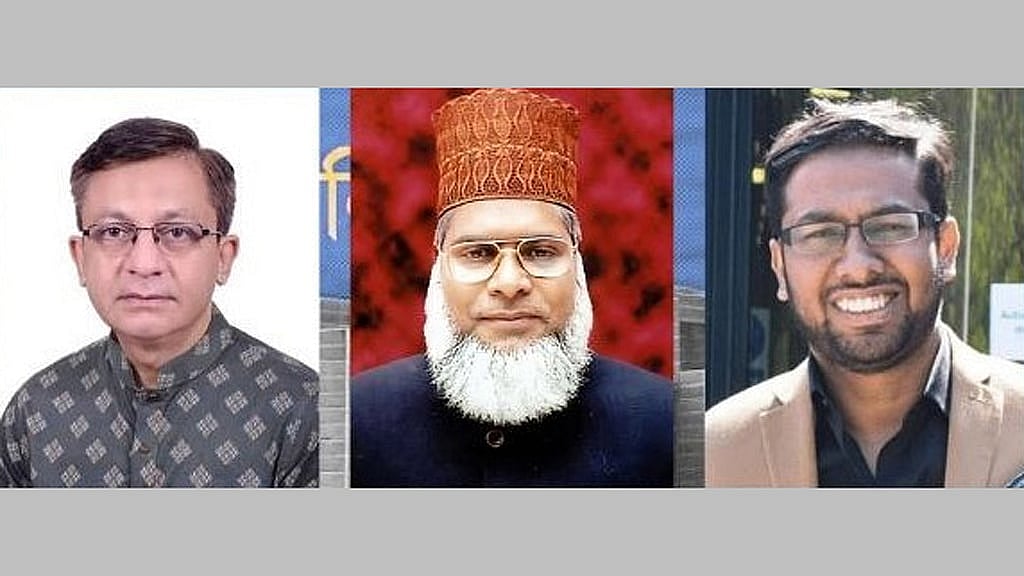
SYLHET-2: THE EMOTION OF ILIAS ALI
In Sylhet-2 (Bishwanath–Osmaninagar), BNP has fielded Tahsina Rushdir Luna, wife of the “disappeared” BNP leader M Ilias Ali.
Her campaign draws heavily on emotion, invoking Ilias Ali’s alleged disappearance and his development legacy.

BNP activists say her popularity remains strong, and grassroots mobilisation is intense.
Earlier tensions with Humayun Kabir, another BNP aspirant, subsided after his elevation to a party post.
Jamaat’s candidate Principal Abdul Hannan, a former educator, is positioning himself as a calm, service-oriented alternative.
Neither NCP nor Jatiya Party has fielded candidates here.
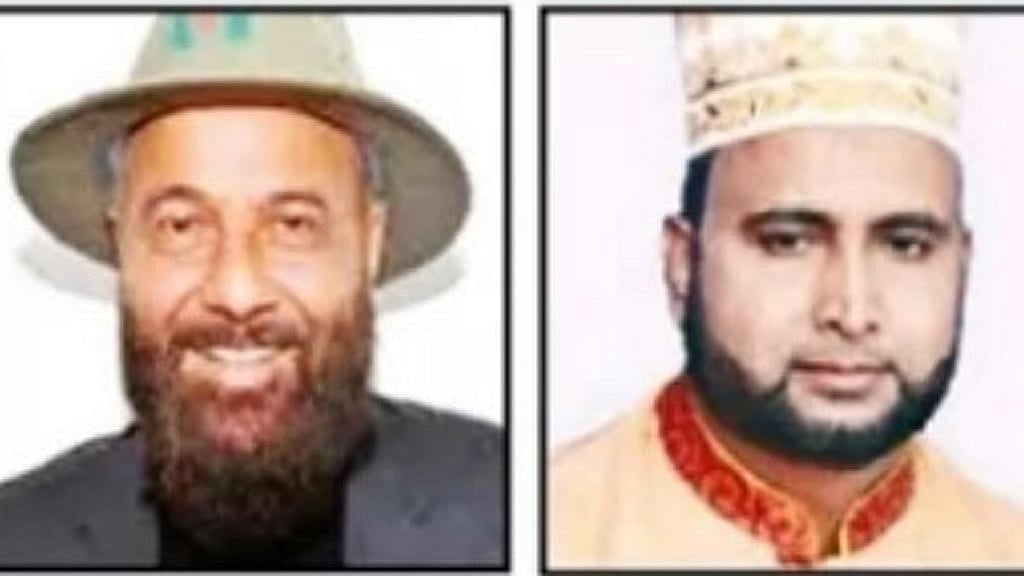
SYLHET-3: JAMAAT GAINS FROM BNP DISCORD
In Sylhet-3 (Fenchuganj–Balaganj–South Surma), BNP’s nomination of Mohammed Malique, a UK BNP veteran, has left two heavyweight leaders, Abdul Qayyum Chowdhury and Barrister MA Salam, visibly absent from the campaign.
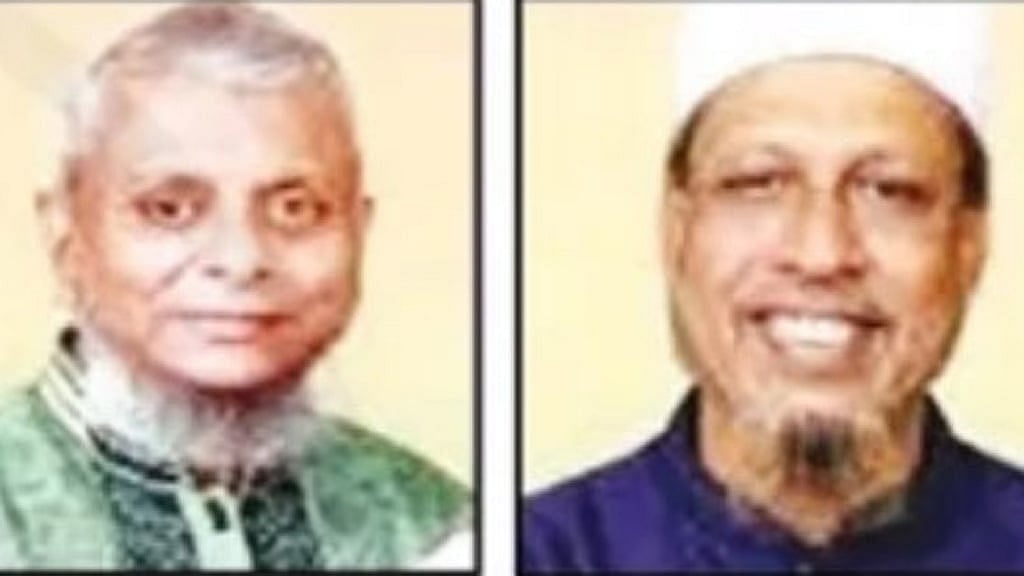
This lack of visible unity has apparently strengthened Jamaat’s hand. Their candidate, Lokman Ahmed, a former South Surma chairman, has worked the seat for years and benefits from Jamaat’s organisational depth here.
Analysts warn that unless BNP’s internal coordination improves, a seat long seen as a BNP bastion could slip.
SYLHET-4: HAS UNITY TRULY RETURNED?
Sylhet-4, covering Companiganj, Jaintiapur and Gowainghat, saw weeks of unrest over “local versus outsider” arguments after BNP nominated former city mayor Ariful Haque Choudhury.
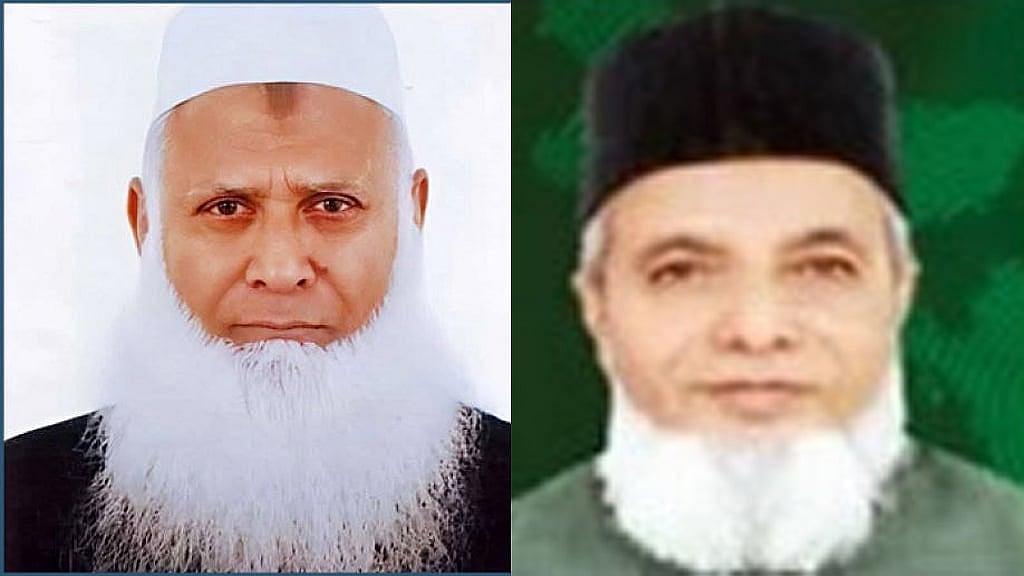
Supporters of local leader Abdul Hakim Chowdhury staged torch processions. Recent reconciliation talks, however, have brought Hakim’s camp back into the fold.
BNP leaders say Ariful Haque is now in a stronger position but warn that unresolved grievances among other aspirants could still cost votes.
Jamaat’s Zainal Abedin, a two-time former chairman with labour connections in tourist hotspot Jaflong, remains a formidable challenger.
SYLHET-5: ALLIANCE SPARKS REBELLION
In Sylhet-5 (Kanaighat–Zakiganj), BNP ceded the seat to ally Jamiat-e-Ulama-e-Islam, nominating its chief Maulana Ubaidullah Faruk.
That decision triggered anger among BNP aspirants, especially Mamunur Rashid “CUCSU Mamun”, who has declared himself an independent and vowed to stay in the race.
Jamaat’s candidate Anwar Hossain Khan, the district nayeb-e-amir, stands to gain if the BNP-Jamiat alliance fails to consolidate.
Local observers say this seat could swing dramatically depending on whether independents withdraw.
SYLHET-6: UNITY IS THE PRIZE
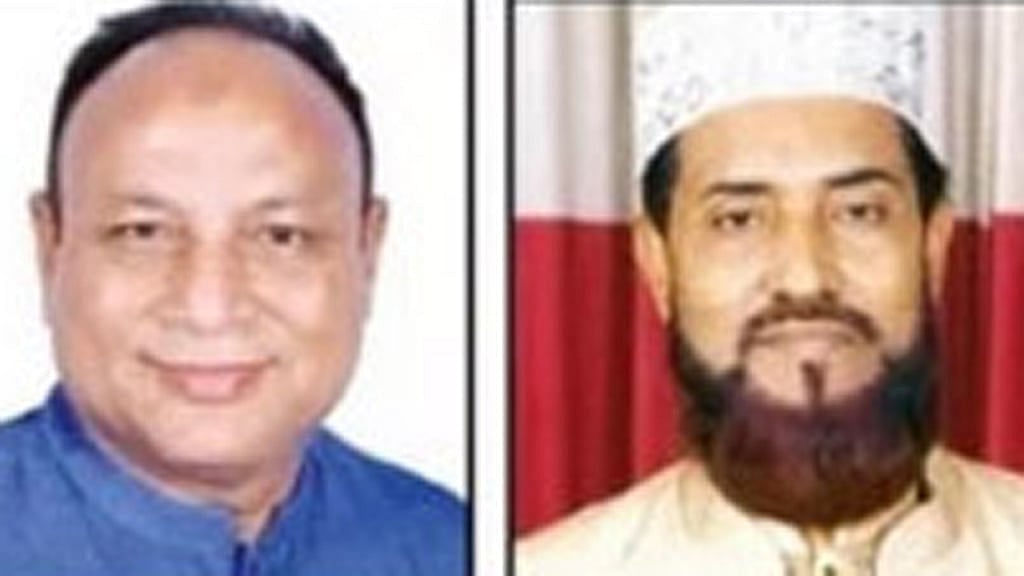
In Sylhet-6 composed of Golapganj–Beanibazar, BNP has nominated Emran Ahmed Chowdhury, the district general secretary.
Though several senior leaders sought the ticket, party workers believe unity can still be achieved. Jamaat’s candidate Muhammad Selim Uddin, Dhaka North chief, has strong name recognition and organisational backing.
Both camps acknowledge this seat will be decided by turnout and discipline.
Sylhet’s six seats underline a broader truth of this election: with the Awami League absent, victories will be decided less by ideology than by organisation.
BNP has the numbers. Jamaat has the momentum.
And in Sylhet, the margin between the two may be as thin as the BNP’s ability, or failure, to heal its own divides.