Home
+
Published : 07 Jul 2026, 01:10 AM
Cage of Governance
Transition to power: Five months after winning the election, the BNP prioritises governance over its internal political organisation
Quiet headquarters: The Naya Paltan office falls silent as key leaders focus on ministerial duties instead of party activism
Grassroots inertia: With local committees long expired, activists demand a clear political roadmap and a new National Council.
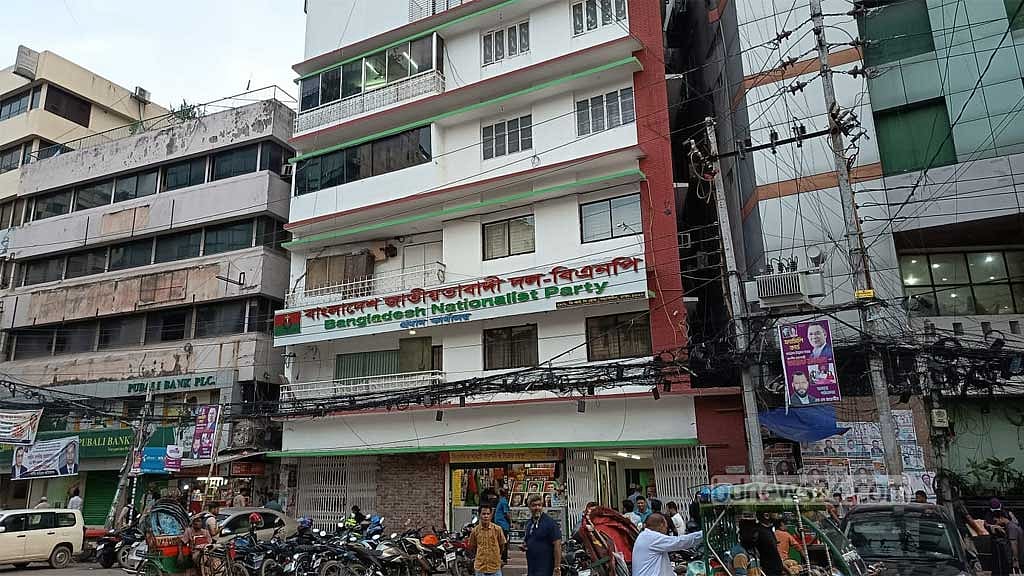
Only two years ago, crowds of BNP activists thronged the party's headquarters in Dhaka's Naya Paltan, brushing aside the risks of arrest and police crackdowns. Today, the six-storey building has been freshly painted and refurbished, but the corridors are noticeably quieter.
The transformation mirrors a broader shift inside Bangladesh's ruling party. Having returned to power after nearly two decades, the BNP has spent the past five months learning that governing a country demands a different rhythm from leading a movement.
While ministers and lawmakers immerse themselves in implementing election promises, many party leaders admit organisational politics has slipped into the background.
Away from the capital, however, the picture is more mixed. Across the country, BNP supporters have opened new party offices under the banners of the BNP and its affiliated organisations, although activity varies widely from district to district.
From Protest to Government
Since winning the Feb 12 parliamentary election under Tarique Rahman's leadership, the BNP has concentrated on delivering its election manifesto while confronting the challenges of running the state.
The opposition, meanwhile, has returned to the streets with demands ranging from implementing referendum outcomes to broader political reforms.
Several central and metropolitan BNP leaders told bdnews24.com that Tarique's attention has largely shifted from organisational affairs to overseeing the government's agenda.
That change, they say, has created a sense of inertia within the party after years of relentless political mobilisation.
Discussions on holding the BNP's long-awaited National Council surfaced earlier this year but have made little progress. Many committees of both the main party and its affiliated bodies have long outlived their terms, yet organisational restructuring has barely begun.
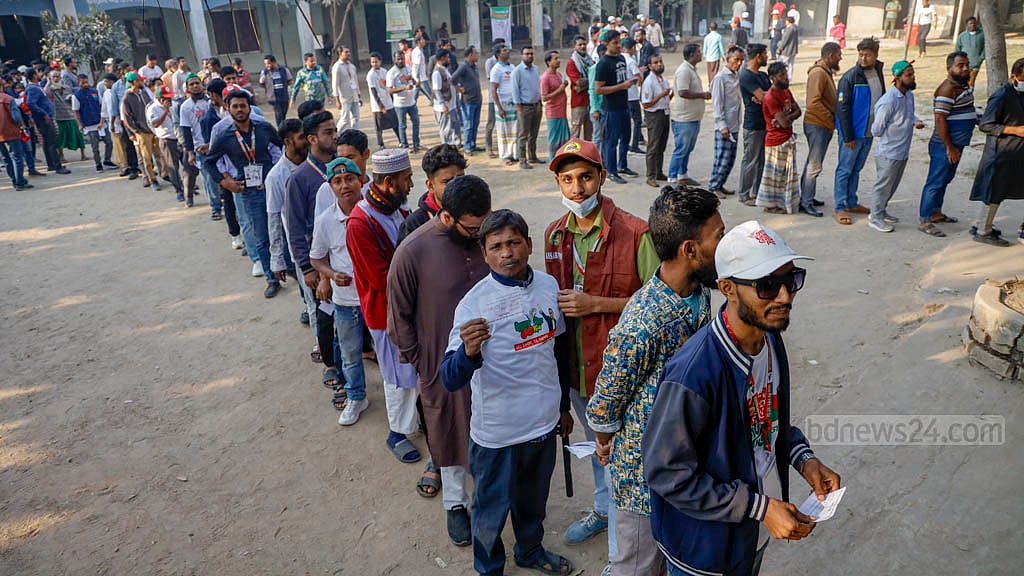
Many ministers and MPs who once spent much of their time at the party headquarters now devote most of their attention to government responsibilities.
Some senior leaders believe the lull is temporary. They expect the National Council and the local government elections to inject fresh energy into the organisation and pave the way for a new generation of leadership.
Several senior BNP figures also said the premier has already instructed key cabinet members to prepare plans for tackling pressing national challenges over the next three months.
But, they added, no comparable roadmap has yet been issued for the party's political or organisational activities.
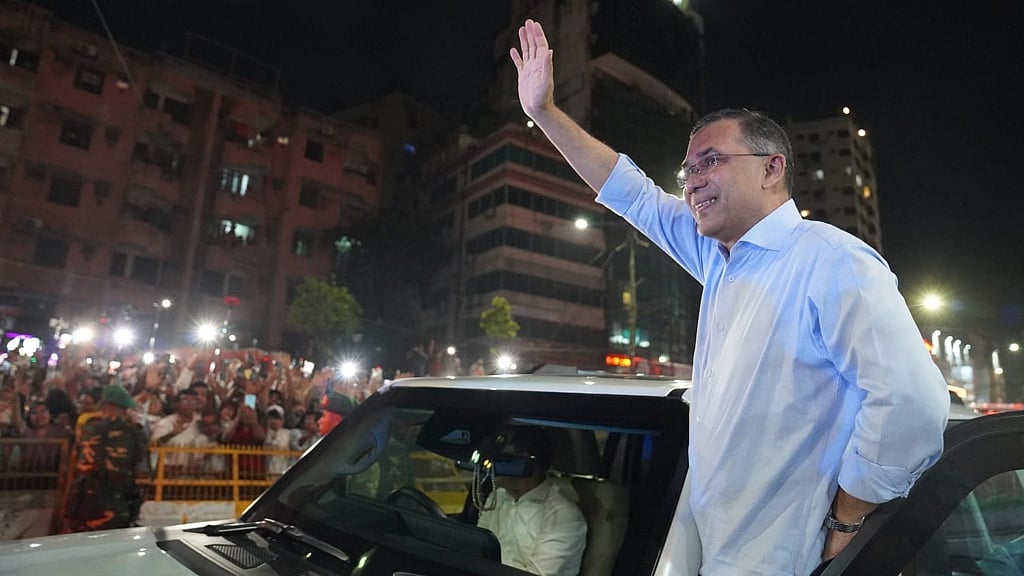
A Quieter HQ
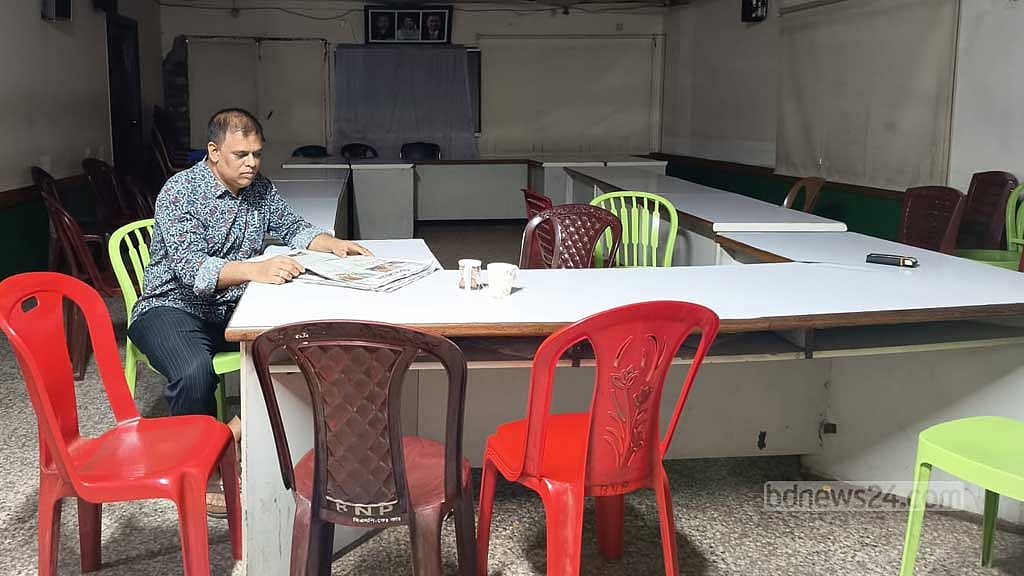
The contrast is visible inside the Naya Paltan headquarters.
Senior Joint Secretary General Ruhul Kabir Rizvi, once regarded as the party's "resident" leader after spending years directing protests from the office, still visits several times a week to brief journalists.
Youth leaders and members of the student wing also remain regular visitors.
But many senior leaders who have become ministers or MPs are now rarely seen. Those left outside government are also spending less time at the headquarters, preferring seminars and policy discussions instead.
The BNP has not announced a major central event since a discussion marking the death anniversary of founder Ziaur Rahman on May 30.
At the grassroots, opinions are divided.
Saidur Rahman Mintu, a joint convenor of the Dhaka South BNP, believes the slowdown is understandable.
"After struggling for 16 or 17 years, everyone is exhausted," he said. "The Jubo Dal committee has been completed, and we're hearing about the Chhatra Dal committee. I hope everything will regain momentum."
In Noakhali, former Senbag Municipality BNP convenor Abdul Hannan Liton offered a more critical assessment.
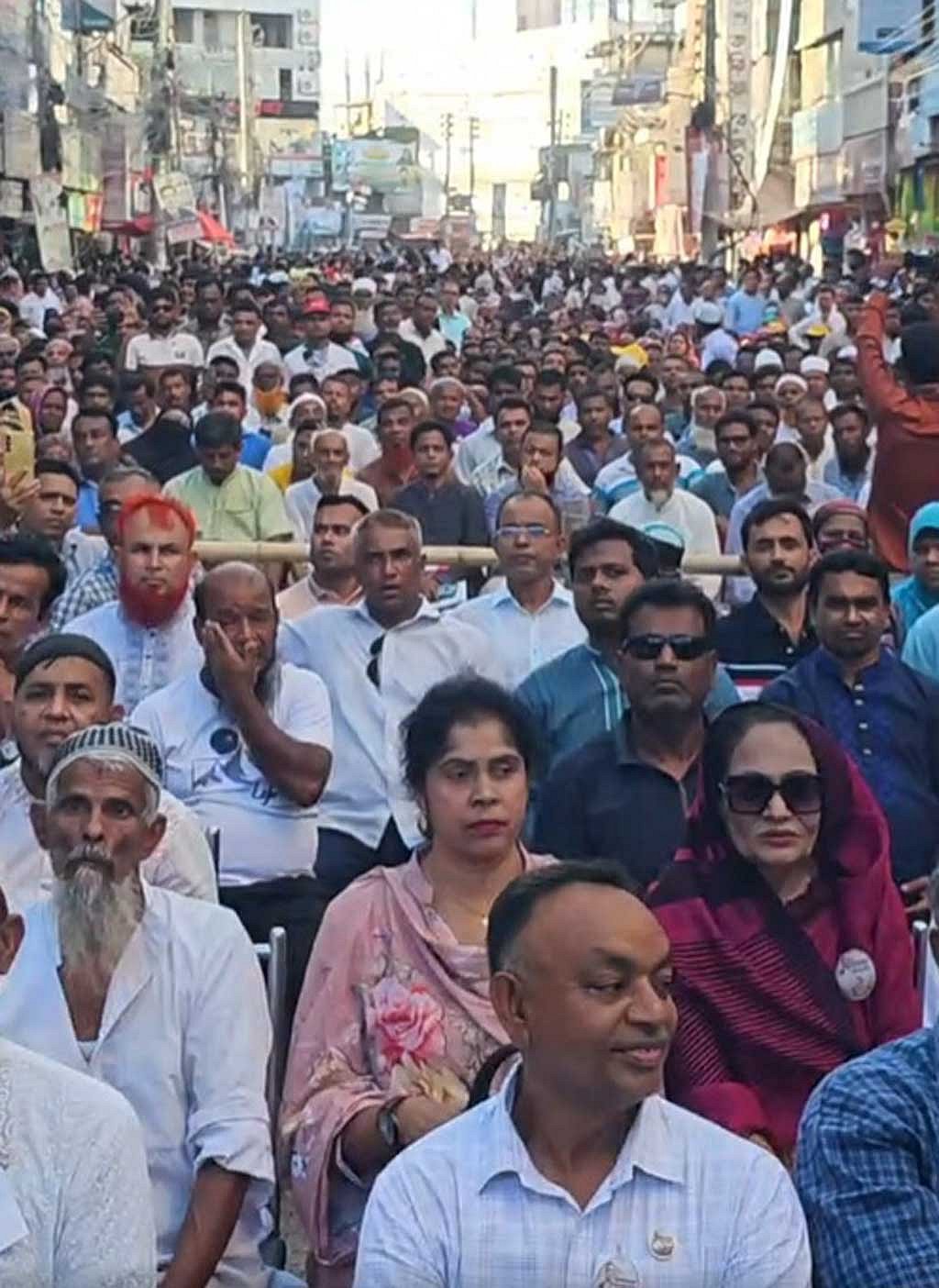
"The chairman spoke directly to grassroots leaders during the 2024 movement," he said. "After the election, the organisation has not moved forward as it should have."
He argued that expired local committees needed to be reconstituted quickly and that the party required fresh nationwide programmes to keep activists engaged.
Waiting for the Next Phase
Even within the party's senior ranks, there is broad agreement that the transition from opposition to government has inevitably slowed organisational work.
One minister described the current lull as natural, arguing that restoring a battered economy and fulfilling campaign promises had to take precedence.
State Minister for Environment Shaikh Faridul Islam echoed that view.
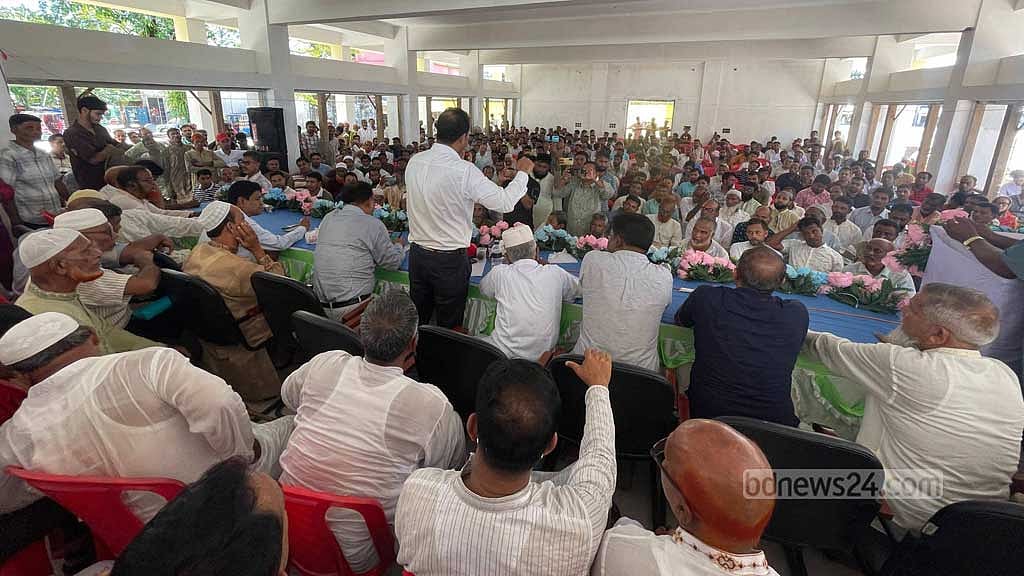
"The BNP has returned to power after a long time," he said. "Our immediate focus has been on delivering our election commitments and earning the people's confidence."
He said attention would soon turn back to strengthening the organisation, with local government elections and a National Council expected to reshape the party structure.
"After 17 years of struggle, we have finally formed the government," he said. "We will soon turn our attention to the organisation. New leadership will emerge, and the prime minister will gradually focus on every aspect of the party."
For now, the BNP's biggest challenge is no longer winning power.
It is proving that it can govern the country without losing the political organisation that carried it there.