Published : 31 Dec 2022, 06:17 PM
Updated : 31 Dec 2022, 07:11 PM


The past year saw COVID-19 taking many away from their families as the pandemic hammered Bangladesh’s economy and the livelihoods of its people.
As Bangladesh tries to recover from the blows of the coronavirus and the Russia-Ukraine war, we should strive to remember the stars of politics, film, education, sports and culture we lost in 2022.
Their examples and contributions to the country will, hopefully, serve as a guide to the future.
TH Khan
Justice Tafazzal Hossain Khan, a veteran jurist of the Bangladesh Supreme Court, and a former minister for the BNP government, died on Jan 16 at a hospital in Dhaka. He was 102.
In 1968, TH Khan, as he is popularly known, joined the East Pakistan High Court as a judge. He was elected as the president of the Supreme Court Bar Association in 1974 and 1979. He is also the founding chairman of the Jatiyatabadi Ainjibi Forum, a network of pro-BNP lawyers. He graduated with a master’s degree from the University of Dhaka and began working as a lawyer after the Bangladesh High Court was founded.
TH Khan joined the Bangladesh Nationalist Party founded by Ziaur Rahman.
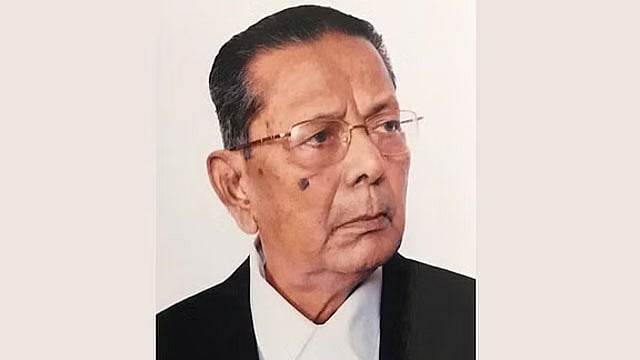
Qazi Anwar Hussain
Author Qazi Anwar Hussain, writer of spy thrillers, detective fiction and adventure novels, and creator of beloved Bangladeshi espionage agent Masud Rana died on Jan 19 in Dhaka. He was 85.
He was a translator, publisher, screenwriter and singer. His father Professor Qazi Motahar Hossain was a pre-eminent mathematician and chess player.
Hussain launched Seba Prokashony, through which cheap paperback books became popular in Bangladesh. His most famous creation was Masud Rana, a Bangladeshi secret agent modelled after Ian Fleming’s James Bond.
Anwar Hussain remained the creator of Masud Rana, although Sheikh Abdul Hakim won the copyright of 260 books featuring the character in a legal battle in 2020.
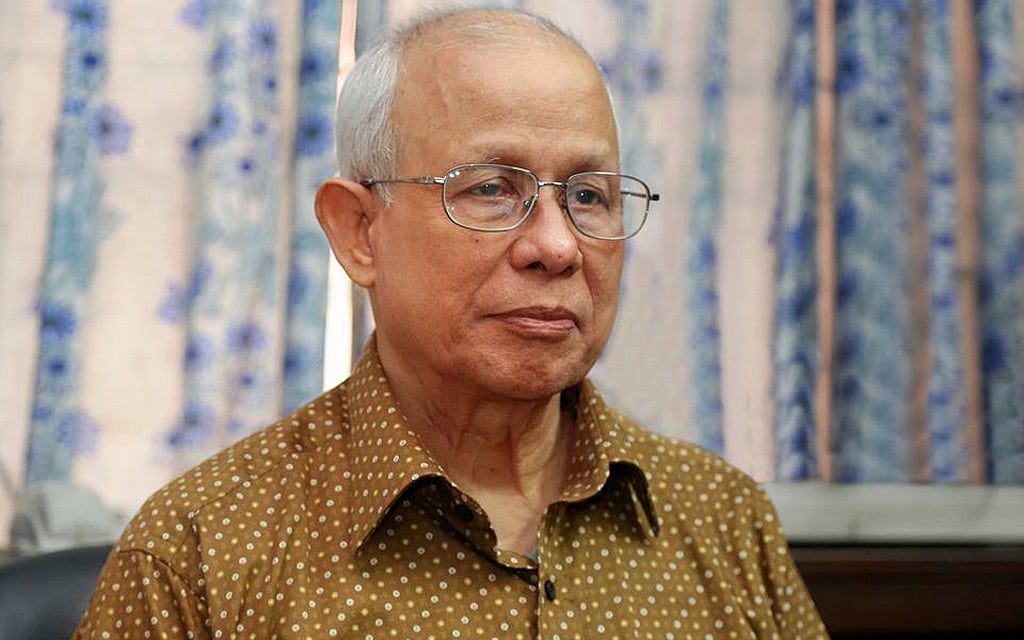
Kausar Ahmed Chaudhury
Pre-eminent Bangladeshi lyricist Kausar Ahmed Chaudhury, whose songs dominated the hit lists of the 80s and the 90s, died on Feb 22 at the age of 75 in hospital care in Dhaka.
Kausar Chowdhury, who was also a popular astrologer, had suffered from kidney and nervous system complications for the past few years. He had also suffered two strokes and tested positive for the coronavirus.
He penned the lyrics to many popular songs such as “Amay Dekona”, “Jekhane Simanto Tomar”, “Aj Ei Brishtir Kanna Dekhe”, “Kobita Porar Prohor Esechhe”, “Ei Rupali Guitar”, “Ek Jhank Projapoti Chhilam Amra”, “Mousumi”, “Elomelo Batase”.
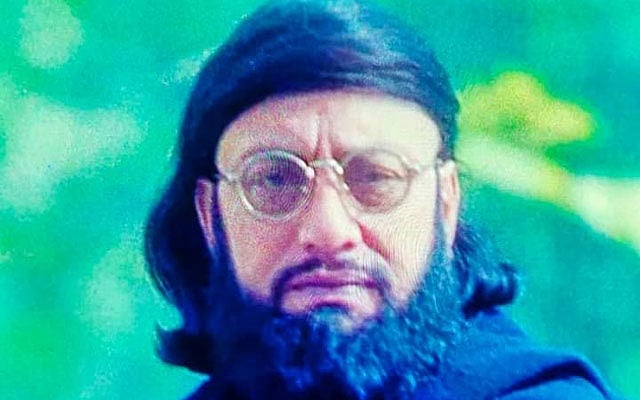
Azizur Rahman
Film director Azizur Rahman, known for his masterpiece, "Chhutir Ghonta", died from heart disease at a hospital in Canada on Mar 14. He was 82.
The 1980 film “Chhutir Ghonta”, which portrays the death of a boy locked in a school toilet, was a beloved tearjerker. Rahman also directed “Ashikkhit” and “Matir Ghor”.
Azizur, who had retired from filmmaking for some time, went to Canada to visit his daughter before the COVID-19 pandemic. He could not return to his homeland afterwards due to travel restrictions.

Shahabuddin Ahmed
Shahabuddin Ahmed, the former president and chief justice of Bangladesh, died while receiving care in a Dhaka hospital on Mar 19. He was 92.
In 1990, military dictator HM Ershad, bowing to pressure from opposition political parties amid an uprising, handed over power to the then chief justice, who became the head of the government as acting president of Bangladesh.
Shahabuddin formed a caretaker government with officials outside the political
sphere and held a ‘free and fair’ election in February 1991. Then he handed over the ruling power to Khaleda Zia, the newly elected prime minister, and returned to his previous post of chief justice from which he eventually retired in 1995.
He restored the freedom of the press by amending a number of laws, including the Special Powers Act. In 1996, Shahabuddin was nominated for the presidency by the Awami League government and was elected unopposed. He fell out with the Awami League after it lost the parliamentary election in 2001. Shahabuddin retired from the presidency that same year.
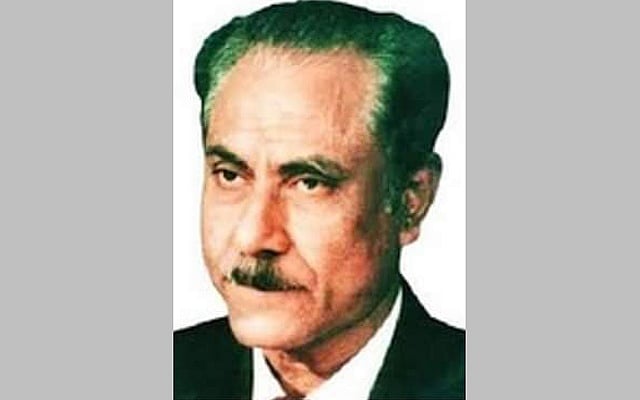
Hasan Arif
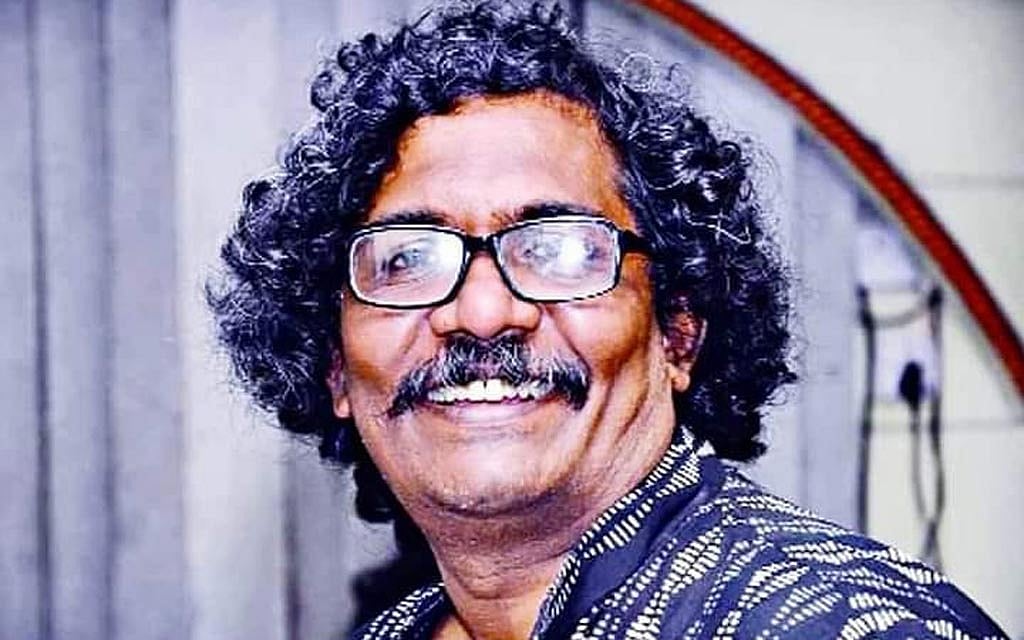
Hasan Arif, eminent elocutionist and a former president of Sammilita Sangskritik Jote, died in hospital care in Dhaka on Apr 1. He was 56.
After testing positive for COVID-19 in December 2021, the cultural activist died due to low oxygen levels. A former general secretary of the Bangladesh Recitation Coordinating Council, Arif had been actively engaged in democratic and cultural movements in Bangladesh, starting with the anti-authoritarian uprising in the 1990s.
Mosharraf Hossain
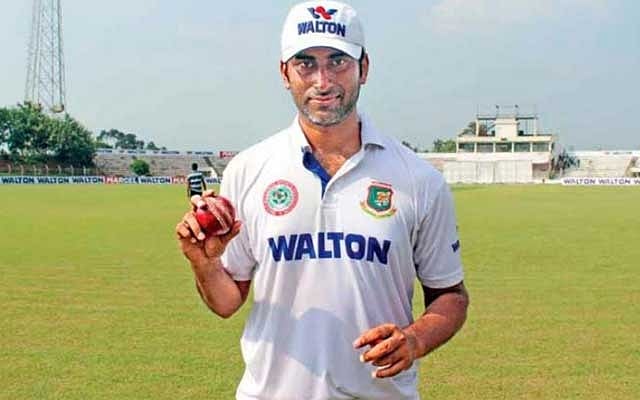
Former Bangladesh national team cricketer Mosharraf Hossain Rubel died of cancer at the age of 40 on Apr 19, after struggling with the disease for three years.
A heavyweight in the domestic arena, Mosharraf appeared in five ODIs for the Tigers and played his last game of cricket in the Bangladesh Premier League in 2019 for the Cumilla Victorians.
He fell ill during the tournament. Following the event, he collapsed several times within a few days and was diagnosed with a tumour. He underwent surgery and recovered, but there was a relapse, which led to his untimely death.
Mosharraf’s domestic career spans almost two decades. He snared 392 wickets in 112 first-class games with a best of nine for 105. He also scored 3,305 runs, including two centuries and 16 fifties. In 104 A-List games, he bagged 120 wickets and scored 1,792 runs which include eight half-centuries. In 56 Twenty20s, Mosharraf grabbed 60 wickets.
MA Mannan
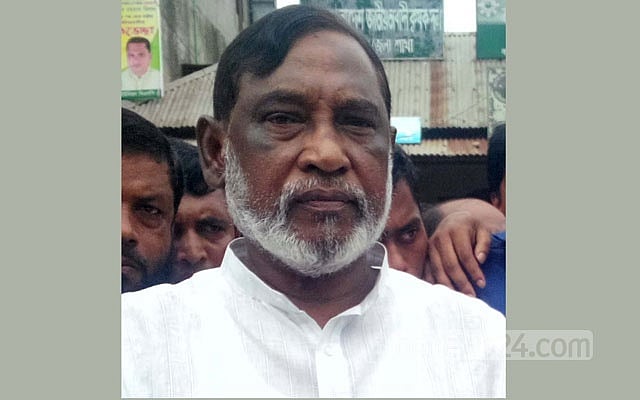
MA Mannan, the first mayor of Gazipur City Corporation and a BNP vice-chairman, died on Apr 28. He was 72. Mannan, also a former state minister for religious affairs, was elected mayor in the first-ever election to Gazipur City Corporation in July 2013.
He left a teaching job and joined the Jatiyatabadi Ganatantrik Dal, which dissolved in 1978, paving the way for the BNP to appear on the political scene under Ziaur Rahman’s leadership.
Mannan became an MP from a Gazipur constituency in 1991 and was elected again as a lawmaker in 2001. Mannan became the vice chairman of the BNP during its sixth national council. He had also been a member of the party chairperson’s advisor’s council.
Abul Maal Abdul Muhith
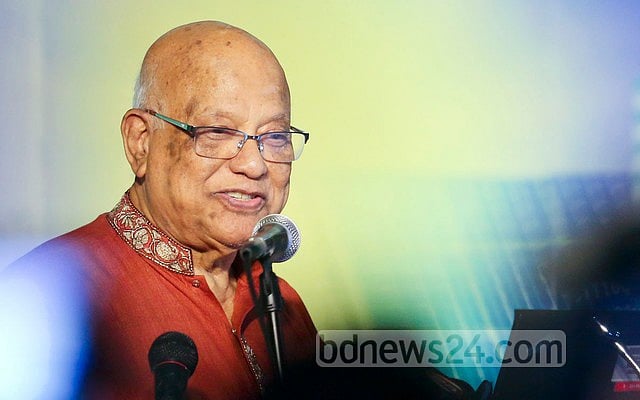
Former Finance Minister Abul Maal Abdul Muhith, who delivered a record number of budgets for Bangladesh, died at the age of 88 on Apr 30.
Muhith was born to Advocate Abu Ahmad Abdul Hafiz and Syed Shahar Banu Chowdhury in Sylhet on Jan 25, 1934. Hafiz was the founder of the then Sylhet District Muslim League. Shahar Banu was also active in politics.
He stood first class first in BA (honours) in English Literature in 1954 from Dhaka University and passed his MA from the same university in 1955. During his service period, he studied at Oxford University from 1957-58 and received an MPA degree from Harvard University in 1964.
Muhith served Sheikh Hasina’s cabinet from 2009 to 2018, executing her decision to finance the Padma Bridge project from domestic sources after the World Bank scrapped $1.2 billion in loans, and delivering 10 national budgets in a row. Muhith retired from politics in 2019.
KG Mostafa
Lyricist and journalist KG Mostafa breathed his last on May 8 at his home in Dhaka’s Azimpur. He was 84. He rose to fame for his iconic songs -- “Tomare Legechhe Eto Je Bhalo” and “Aynate Oi Mukh Dekhbe Jokhon”.
He joined the Department of Films and Publications as an assistant editor in 1976. He worked as the editor of the youth magazine Nobarun, the literature magazine Purbachal and the weekly Bangladesh Sangbad. More than a thousand songs written by him were performed on Bangladesh Betar and Bangladesh Television.
Abdul Gaffar Chowdhury
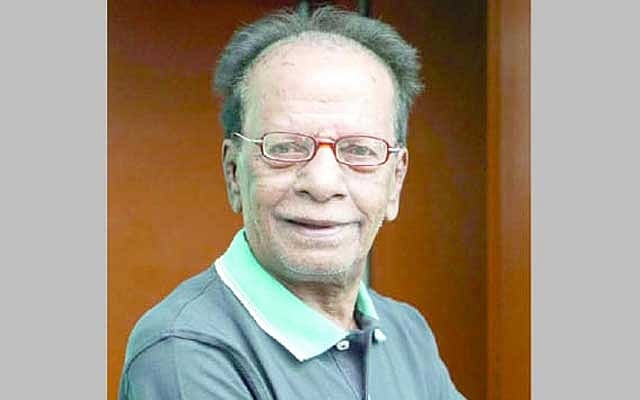
Abdul Gaffar Chowdhury, a journalist and columnist best known for writing the lyrics to “Amar Bhaier Rokte Rangano”, a tribute to the martyrs of the 1952 Language Movement, died on May 19. He was 88.
Gaffar was the editor-in-chief of the weekly Joybangla, the mouthpiece of the Mujibnagar government of 1971. Though he lived in London since 1974, Gaffar was always vocal in support of the Liberation War, Bangabandhu and liberal values.
Despite living abroad, he regularly wrote political commentary and discussed contemporary issues in Dhaka newspapers. He also wrote poems, stories, novels, plays, memoirs and essays.
Gaffar was awarded the Bangla Academy award, the UNESCO literature prize, and the Bangabandhu Prize for his contribution to the Liberation War. He was also awarded the Swadhinata Padak and Ekushey Padak by the Bangladesh government.
Mohiuddin Ahmed
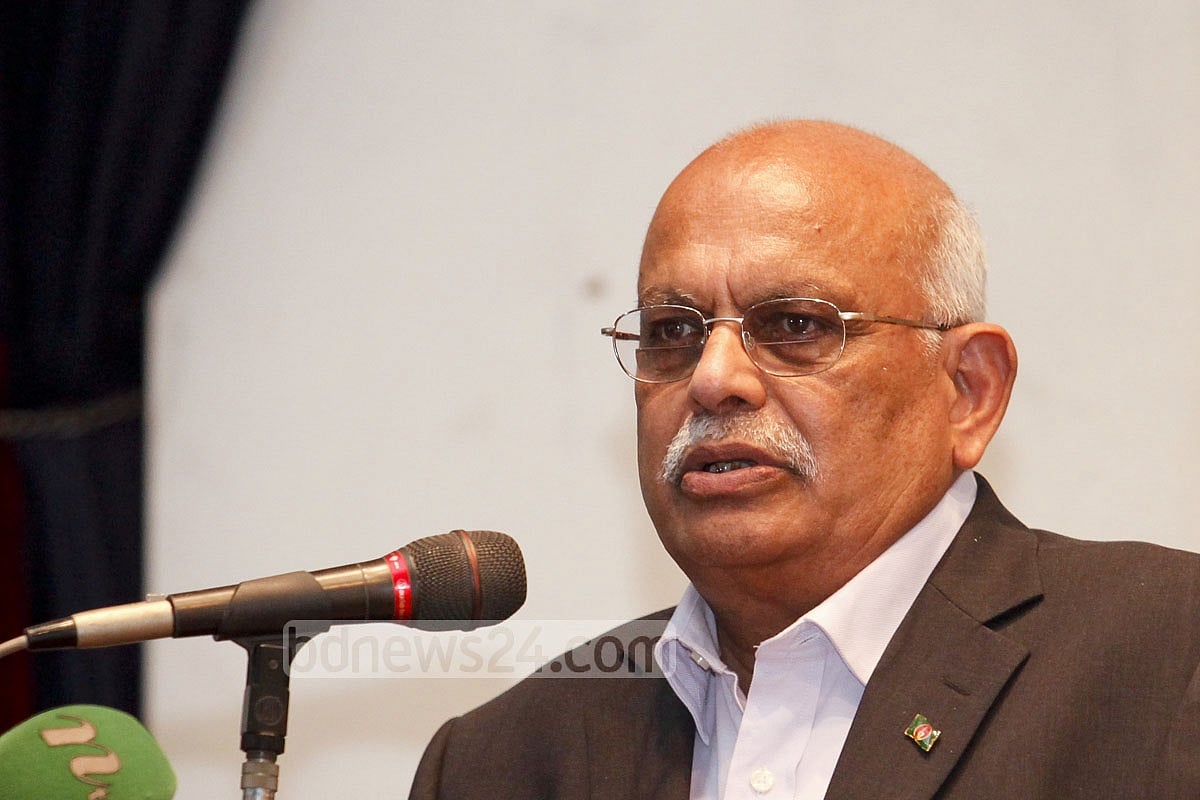
Veteran publisher Mohiuddin Ahmed, the founder of University Press Limited, died at the age of 77 on Jun 20 in his home in Dhaka’s Uttara.
After graduating and gathering experience in journalism, he took over as the chief executive officer of the Oxford University Press’s Dhaka branch in 1972.
When the OUP closed their Dhaka branch in 1975, it offered Mohiuddin Ahmed the chance to join its Karachi office as editor-at-large. He turned down the offer and eventually established his own publishing company University Press Limited or UPL for short.
Under the leadership of Ahmed, UPL received the National Book Centre Award 16 times since 1981. Ahmed published the Unfinished Memoir of Bangabandhu Sheikh Mujibur Rahman in 2012, an incomplete autobiography which Bangabandhu had penned during his days in prison from 1966 to 1969.
Abu Musa Chowdhury
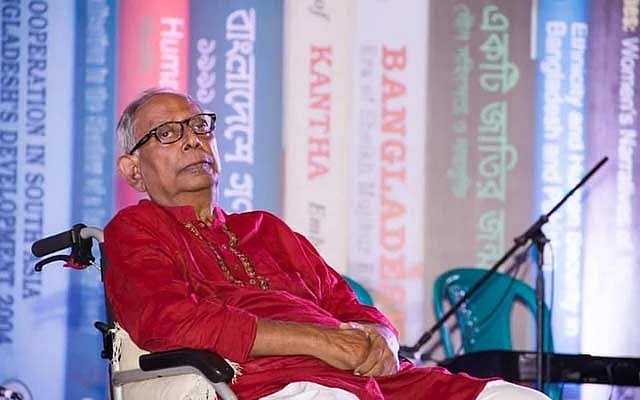
Freedom fighter Abu Musa Chowdhury, who led ‘Operation Avloz’ on the Karnaphuli River as a teenager during the Liberation war, died at his village home in Chattogram on Jul 8. He was 67.
Sixteen-year-old Musa set limpet mines to sink a foreign ship in the widely-discussed mission on Oct 2, 1971. He also took part in "Operation Jackpot" and five other valiant naval operations during the Liberation War. He was the founding co-ordinator of the Jatiya Samajtantrik Dal.
Sharmili Ahmed
Actor Sharmili Ahmed, beloved for playing many mothers on screen, died on Jul 8 after a long battle with cancer at the age of 75. Sharmili used the stage name “Majeda Mullick”. She was born in India’s West Bengal on May 8, 1947.
She starred in a multitude of films and television dramas over the years and won critical acclaim for the drama “Agun”, directed by Md Mohsin. She left her mark in films like “Ayna O Abashishta”, “Alingan” and “Abhirbhab”.
Kazi Ebadul Hoque
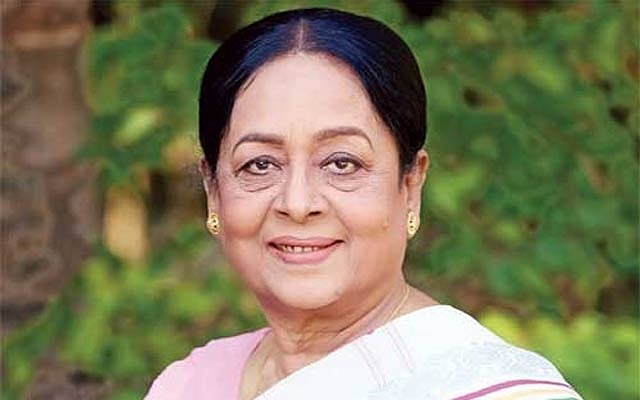
Kazi Ebadul Hoque, a former Supreme Court judge and a Language Movement activist, died at a hospital in Dhaka on Jul 14. He was 86.
Hoque was born on Jan 1, 1936 in Feni. He played an active role in organising the movement to establish Bangla as the official language of then East Pakistan in Feni town. In 1954, he began serving as the convener of the Feni Language Movement Council.
He joined the High Court Division as a judge in 1990 and set himself apart by writing verdicts in Bangla.
In 2016, he was awarded the Ekushey Padak, the second-highest civilian award in the country, for his contributions to various fields.
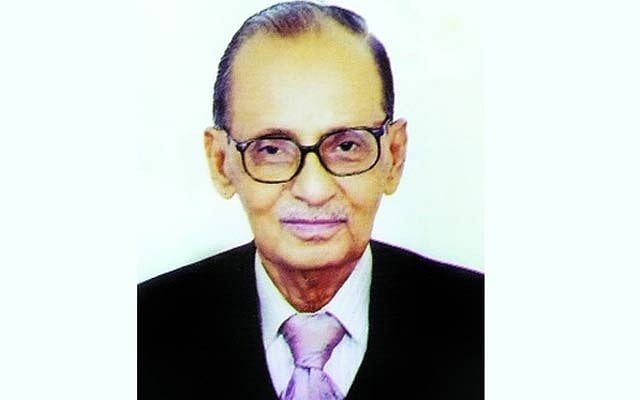
Md Fazle Rabbi Miah
Md Fazle Rabbi Miah, a former deputy speaker and a member of the Bangladesh parliament, died in the US on Jul 22 at the age of 76.
He was elected to parliament as an Awami League candidate for the seventh time from the Gaibandha-5 seat (Phulchhari-Saghata) in the 2018 national polls.
He made his first foray into politics in 1958 when he participated in the Awami League's campaign opposing martial law following a military coup. He was only an eighth-grader at the time.
He also fought against the Pakistani occupation forces in sector 11 during the Liberation War.
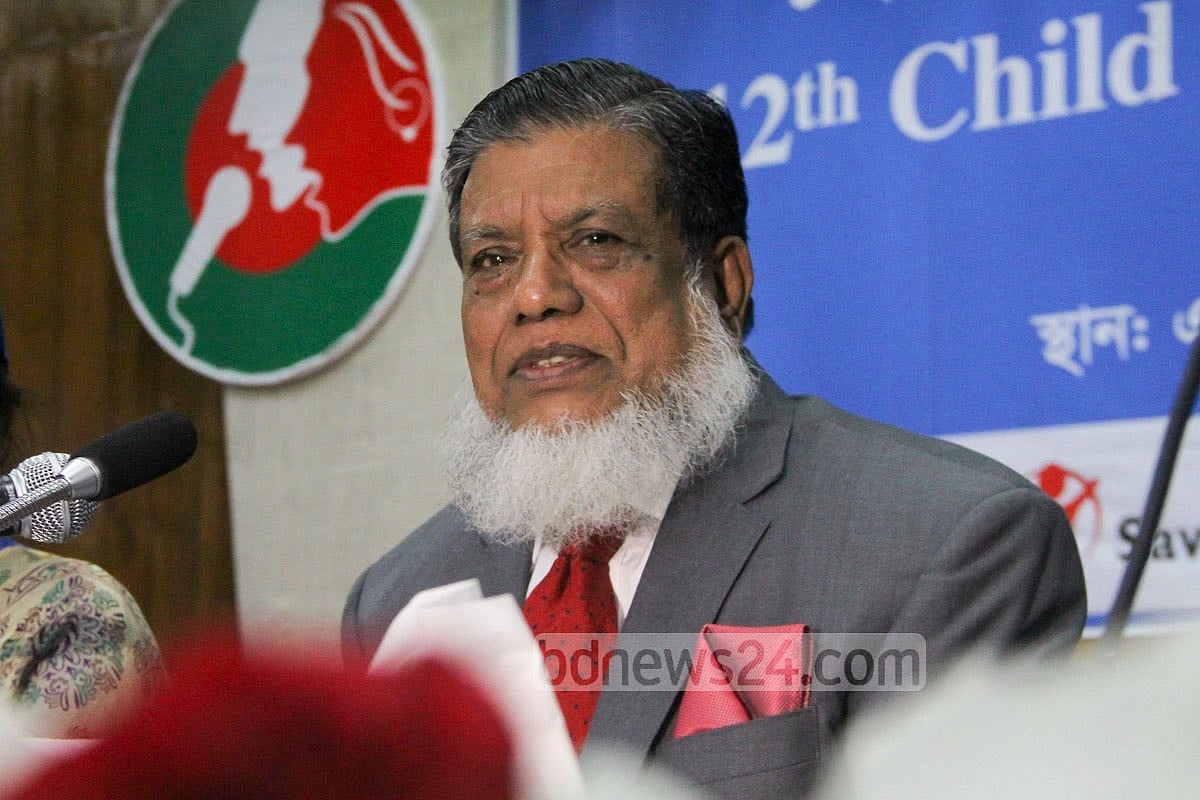
Mahbub Talukdar
Former election commissioner Mahbub Talukdar died in hospital care at the age of 80 on Aug 24.
He was a member of the Nurul Huda-led Election Commission and was known for speaking out against the panel’s decisions. He claimed his recommendations were rarely followed and the election watchdog did not ensure a level playing field for all parties.
Talukdar was born in 1942. He studied at the University of Dhaka and went on to teach Bengali Language and Literature at the University of Chattogram.
He wrote 44 books, mainly poetry and fiction and was awarded the Bangla Academy Prize in 2012.
In 2017, Talukdar was nominated by a search committee and eventually selected as a member of the Nurul Huda-led Election Commission, which oversaw the 2018 general election.
He was also a freedom fighter during the Liberation War and joined the government in exile in 1971.
After independence, he became a speechwriter and public relations officer for the first four presidents of the country. He also served as assistant press secretary to Bangabandhu Sheikh Mujibur Rahman, according to the Election Commission website.
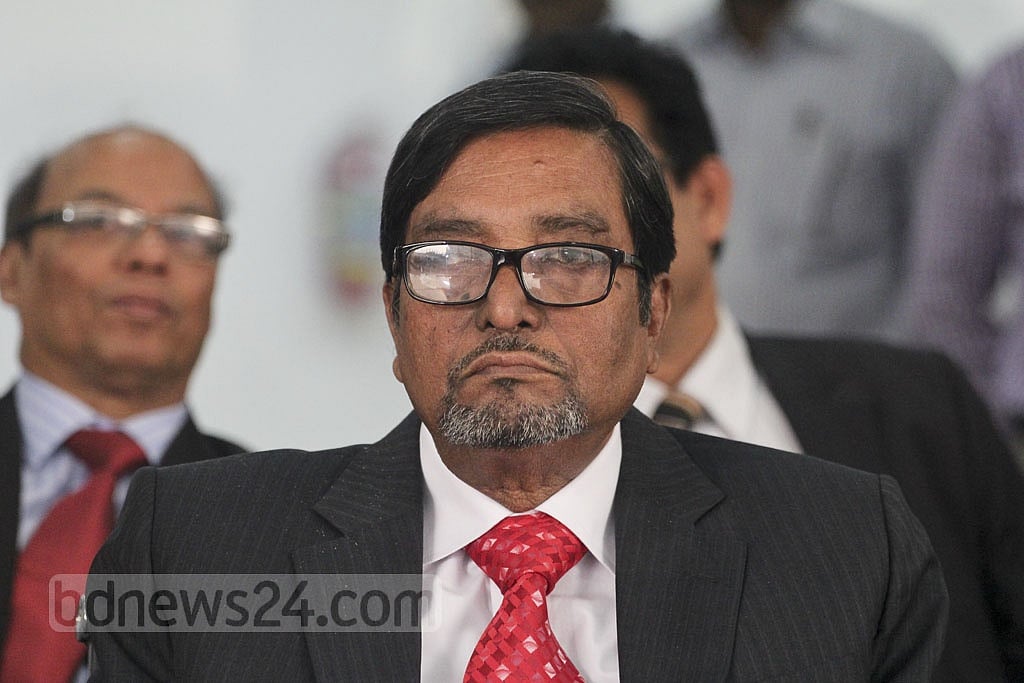
Gazi Mazharul Anwar
Gazi Mazharul Anwar, a renowned film director, producer and lyricist, has died in a Dhaka hospital at the age of 79. He worked as a lyricist at the Swadhin Bangla Betar Kendra. He was honoured with the Ekushey Padak in 2002 and the Independence Award in 2021. He won the Bangladesh National Film Award for Best Lyricist six times, a record in the film industry.
Over the course of a long and illustrious career, he penned nearly 21,000 songs, including timeless classics such as "Joy Bangla Banglar Joy", "Ekbar Jete De Na Amar Chotto Shonar Gae", "Ektara Tui Desher Kotha Bolre Ebar Bol", "Ganer Khatae Shorolipi Likhe", and "Akasher Hate Acche Ekrash Neel".
"Joy Bangla” is known as a Liberation War standard and has lent its stirring melody to countless newsreels, documentaries and other audiovisual depictions of Bangladesh’s struggle for independence.
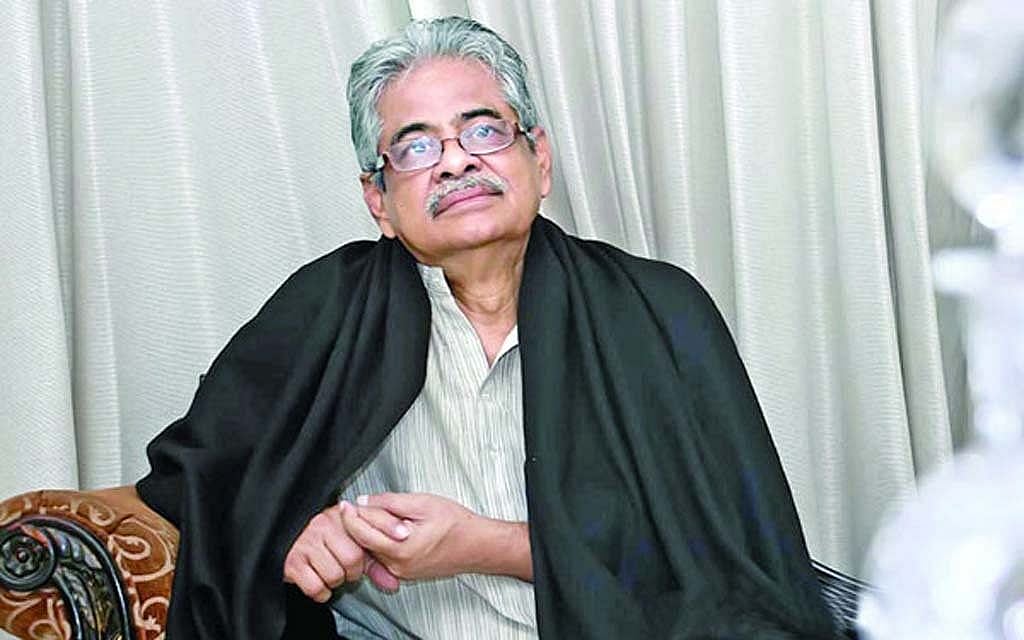
Akbar Ali Khan
Akbar Ali Khan, an economist, a bureaucrat and a former adviser to the military-controlled caretaker government, died at the age of 78 on Sept 8.
Born in 1944 at Nabinagar in Brahamanbaria, he joined the civil service in 1967 and actively participated in the Liberation War. He worked for the provisional government of Bangladesh as a deputy secretary of defence.
He also worked as a teacher at Jahangirnagar University, the Bangladesh Public Administration Training Center and BRAC University.
He served as Bangladesh’s finance secretary for more than five and a half years covering three consecutive governments.
He was the adviser in charge of the ministries of finance, planning and commerce to the caretaker government in 2006, but later resigned.
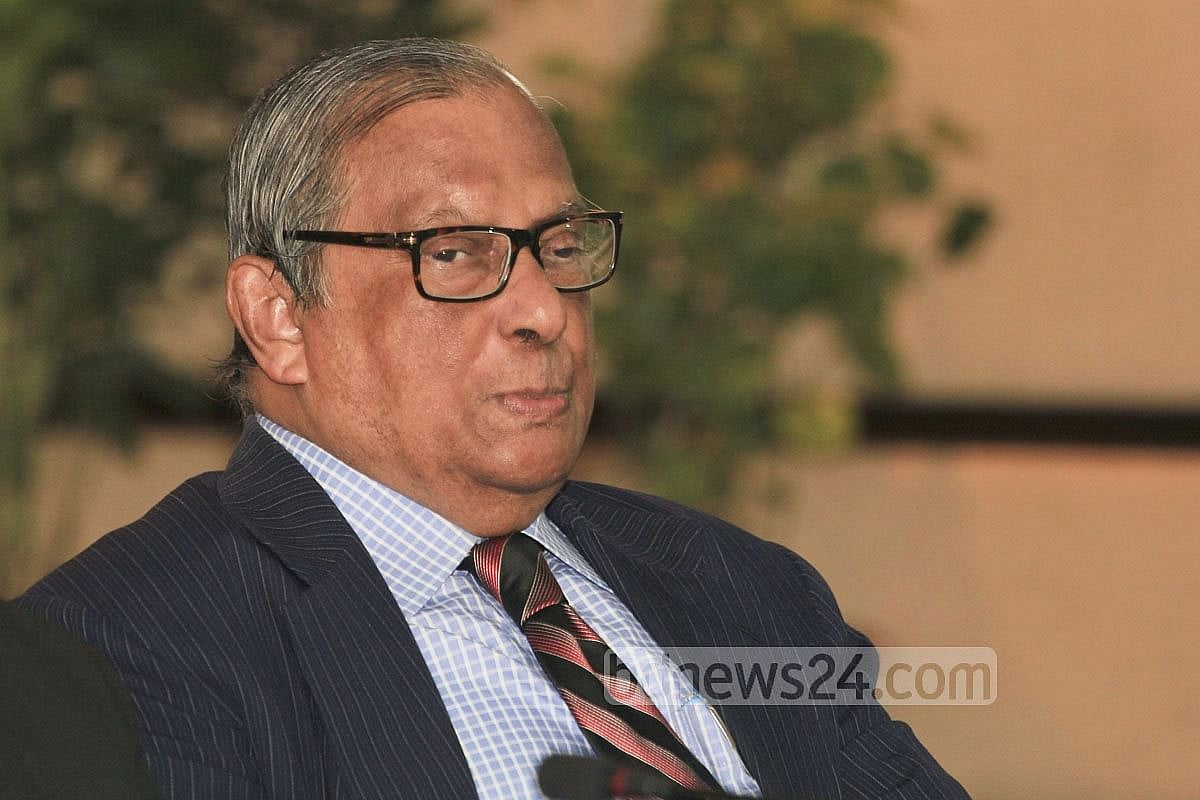
Syeda Sajeda Chowdhury
Syeda Sajeda Chowdhury, a veteran Awami League leader and deputy leader of the House, died at the age of 87 on Sept 11. She was one of the best-known women in politics.
One of party chief Prime Minister Sheikh Hasina’s most trusted comrades, Sajeda had been involved with the Awami League since 1956.
During the 1971 Liberation War, Sajeda established and ran the Gobra Nursing Camp in Kolkata. She also took part in the war. She earned Bangladesh’s highest civilian honour, the Independence Award, in 2010 for her contributions.
After independence, she worked as the director of the Bangladesh Women’s Rehabilitation Board from 1972 to 1975. She was also the national commissioner of Bangladesh Girl Guides at that time.
After the assassination of founding father Bangabandhu Sheikh Mujibur Rahman with most members of his family in 1975, Sajeda steered the Awami League through its most difficult times first as its acting general secretary and then as the general secretary.
After her stint as general secretary from 1986 to 1992, she joined its highest policymaking body, the presidium. She was elected MP from the Faridpur-2 seat several times.
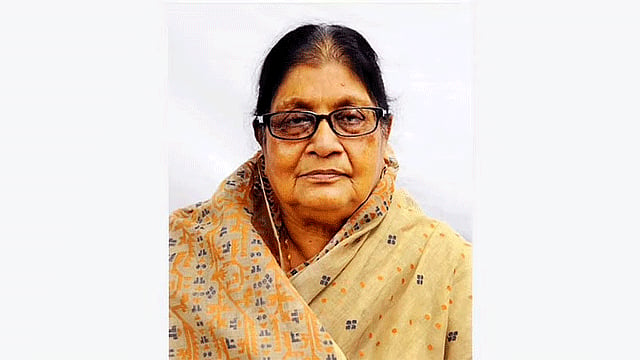
Shah Moazzem Hossain
BNP Vice-Chairman Shah Moazzem Hossain died at his home in Dhaka’s Gulshan at the age of 83 on Sept 14. Born in Munshiganj on Jan 10, 1939, Moazzem was the chief whip of the Awami League government in the first parliament of Bangladesh. He became a member of Khandakar Mushtaque Ahmed’s cabinet after the assassination of Bangabandhu Sheikh Mujibur Rahman.
During the Jatiya Party’s rule, he became a deputy prime minister and the secretary general of the party. He joined the BNP after HM Ershad expelled him from the Jatiya Party in 1992.
Ranesh Maitra
Ranesh Maitra, a veteran of the Language Movement and the Liberation War who won the Ekushey Padak for his contributions to journalism, died at the age of 89 on Sept 26.
Ranesh was a member of many movements in the country, joining the Language Movement protests in 1952 and the Liberation War in 1971. He also served jail time alongside Bangabandhu Sheikh Mujibur Rahman.
At the start of the Liberation War, Ranesh became a member of the Pabna Sangram Committee.
Ranesh started his career in journalism in 1993, working for the Sylhet weekly publication Naobelal. He worked at the Kolkata-published daily Satyajug before joining the daily Sangbad in 1955.
From the 1960s through 2000, he worked at the Daily Morning News and the Daily Observer as well. He also served as the local news editor for The New Nation and the Pabna correspondent for The Daily Star.
Even after his retirement, Ranesh wrote columns for a number of publications. He also served as the president and secretary of the Pabna Press Club for extended periods of time. In 2018, he was awarded the Ekushey Padak, Bangladesh’s second-highest civilian award, for his contributions to journalism.
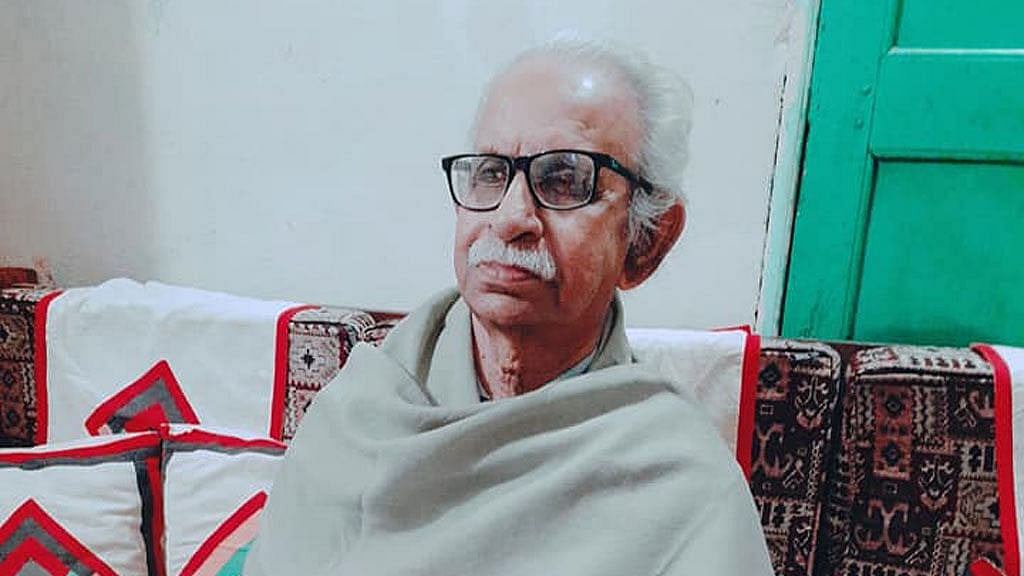
Toab Khan
Toab Khan, a renowned editor and once press secretary to Bangabandhu Sheikh Mujibur Rahman, died at a hospital in Dhaka at the age of 88 on Oct 1.
The Ekushey Padak-winning journalist was the press secretary to Bangabandhu between 1973 and 1975. He also served as the chief information officer and the director general of the Press Institute of Bangladesh.
During the 1971 Liberation War, Toab was a member of the Swadhin Bangla Betar Kendra. He oversaw the ‘Pindir Prolap’ show on the station, which was known for its striking presentation.
Toab began a career in journalism in 1953 and he joined the Dainik Pakistan in 1964. After independence, he became the first editor of the Dainik Bangla, which replaced Dainik Pakistan.
Toab was an advisory editor of the daily Janakantha, which was a turning point in Bangladesh’s newspapers. In 2016, he received the Ekushey Padak for his contributions to journalism.
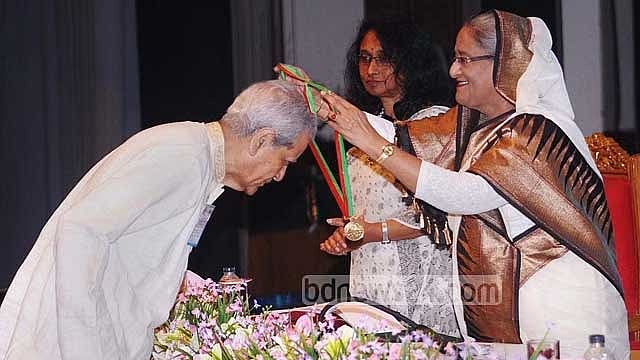
Mahbub Jamil
Mahbub Jamil, a businessman and a cultural personality, who was also part of the Fakhruddin Ahmed-led caretaker government, died in hospital care in Dhaka at the age of 83 on Nov 16.
Jamil, also a trustee of Biswa Sahitya Kendra, had been suffering from old-age complications.
He was appointed as a special assistant to the chief adviser of the caretaker government, Fakhruddin Ahmed, with the rank of a minister. He was in charge of the Ministry of Industry, the Ministry of Civil Aviation and Tourism and the Ministry of Sports and Youth Affairs.
Jamil also served as chairman of Singer Bangladesh, International Leasing and Financial Services Ltd, ICE Retail Initiative and IL Capital. He was appointed as an adviser to the Board of Directors of Robi Axiata in 2011.
Jamil was involved with different cultural organisations over the last four decades. Along with Biswa Sahitya Kendra, he was president of the Bangladesh Federation of Film Societies and a member of BRAC University’s Academic Council.
He also worked as a Bangladesh Film Censor Board member and jury board member of the National Film Award for several years. He wrote for publications on film, sociology and drama.
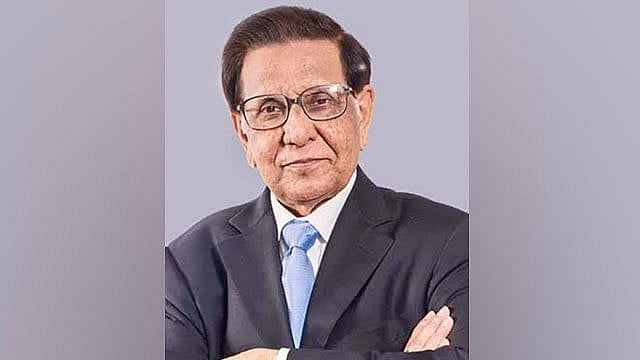
Ali Imam
Ali Imam, a renowned children's writer and cultural personality, died in hospital care in Dhaka at the age of 73 on Nov 21. The author of more than 600 books was born in Brahmanbaria in 1950.
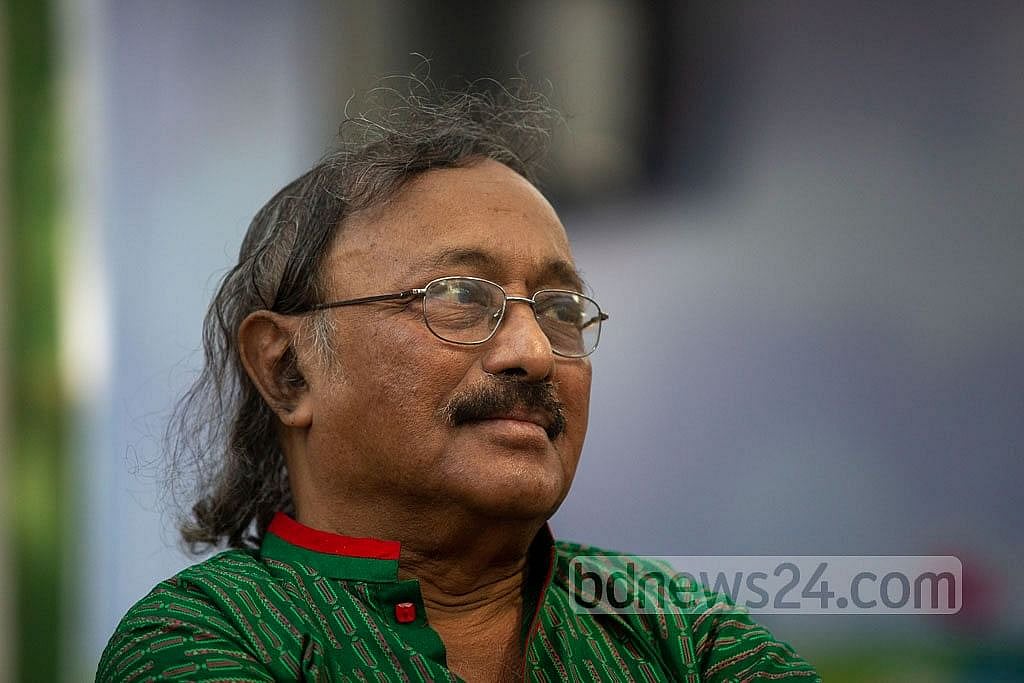
Before working as the chief executive officer of several satellite television channels towards the end of his career, he served as the general manager of Bangladesh Television in 2004-2006 and the now-defunct Channel One in 2007-2008. He was also the anchor of "Hello Apnake Bolchhi", which is noted as the first live show in Bangladesh.
For his overall contribution to children's literature in Bangladesh, Ali Imam received the Bangla Academy Literature Award (2001) and Shishu Academy Children's Literature Award (2012).
With assistance from Akramul Momen and Anonno Reza Neel