Published : 29 Aug 2026, 09:53 PM
Updated : 08 Sep 2026, 09:36 AM


There will be no cake, no candles, no party. Michael Jackson's 68th birthday exists only in the imagination, a milestone the King of Pop was never allowed to reach.
And yet, 17 years after his death, Jackson refuses to fade into memory the way most icons eventually do.
His videos still rack up billions of views. His estate still pulls in nine figures a year. A film about his life just crossed $1 billion at the box office.
Whatever else Michael Jackson has become since 2009, forgotten is not one of them.
He Conquered Screens Before Social Media Existed
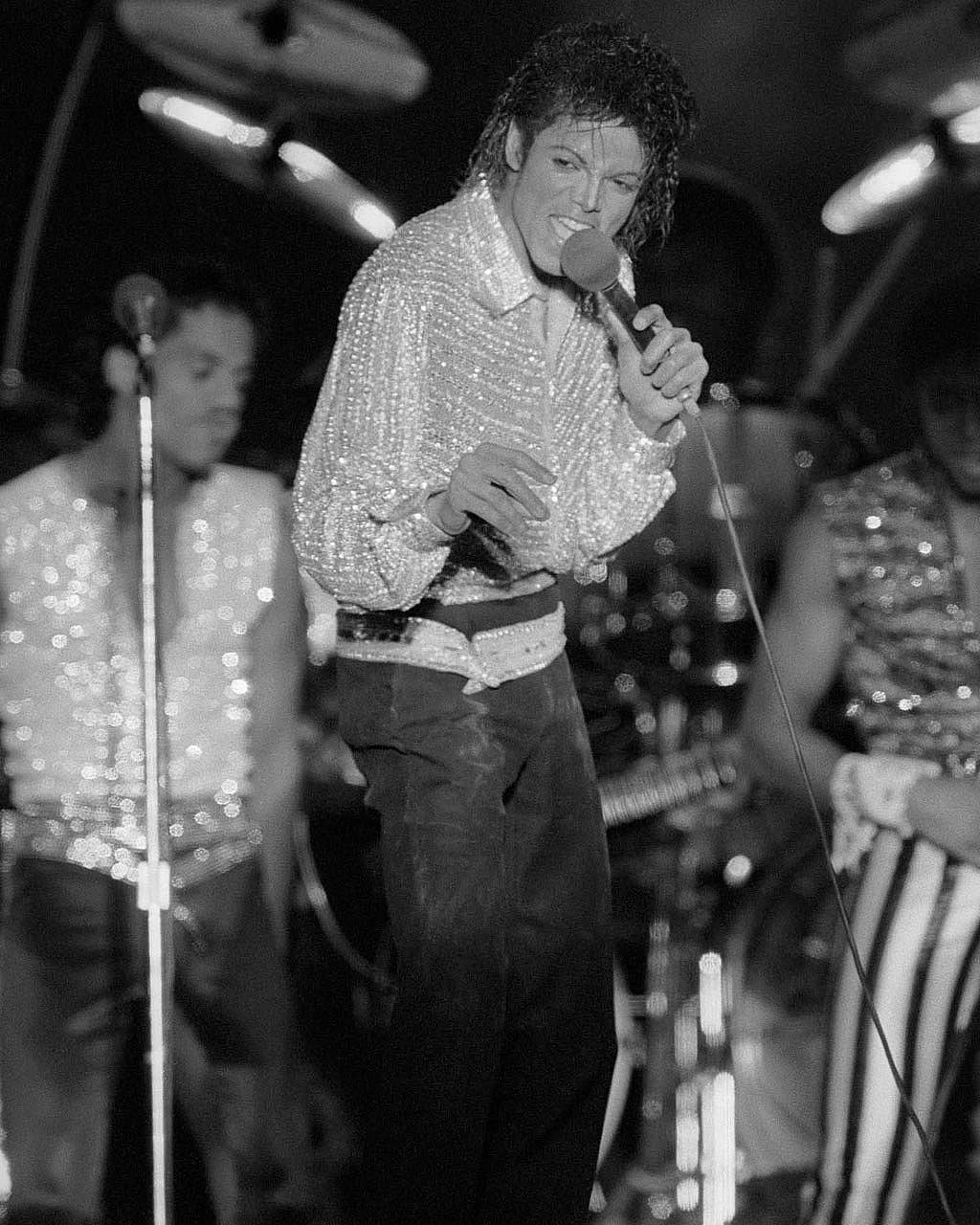
There was no YouTube, TikTok or algorithm to resurrect old hits when “Thriller” dropped in 1982.
Yet Jackson built videos with the visual ambition of cinema, consumed entirely on television.
“Thriller”, released as a roughly 14-minute short film in 1983, helped turn the music video into an event and was later selected for the US National Film Registry.
In September 2024, it became the fourth Jackson video to cross one billion YouTube views, following “Billie Jean”, “Beat It” and “They Don't Care About Us”, according to Billboard.
A song recorded in the early 1980s has now been watched more than a billion times on a platform that did not exist until 2005.
Jackson's pre-internet visual catalogue has effectively become native to the internet age, with audiences still studying his choreography and costumes decades on.
Then Came The Money
Forbes estimated Jackson generated about $105 million in 2025, making him the highest-earning dead celebrity on its list, with his estate having generated roughly $3.5 billion since 2009, according to figures reported by RouteNote.
The Financial Times has separately reported the estate, managed by John Branca and John McClain, has generated more than $3 billion through projects including This Is It, Cirque du Soleil productions and the Broadway musical MJ.
There is no reliable public figure for how much Jackson earns from YouTube specifically.
The platform does not disclose precise advertising revenue per video, and returns vary by geography, ad rates and rights arrangements.
But the view counts alone show his catalogue is still being consumed at enormous scale.
The Billion-Dollar Biopic
Directed by Antoine Fuqua and starring his nephew Jaafar Jackson, Michael arrived in theatres on Apr 24 after years of delays.
It opened to more than $217 million worldwide in its first weekend and ultimately crossed $1 billion, becoming the highest-grossing music biopic in history, per box office figures.
The film's success answered a question the industry had been asking: does the world still care about Michael Jackson?
People too young to have been alive when Jackson died turned up in theatres to watch a dramatisation of his life.
Jaafar's casting added another layer, requiring him to reproduce not just his uncle's voice and looks but his posture, footwork and stage presence.

The film ends around Jackson's Bad era, leaving out the child sexual abuse allegations that emerged in the 1990s and the legal battles that followed.
This was not accidental: Variety reported that material covering the 1993 allegations was removed after major reshoots, while The Washington Post reported an earlier version of the film had included that material before the story was reworked.
Critics accused the film of sanitising Jackson's story; others argued it was never meant to be a courtroom-style account and should be read as a dramatisation of his artistic rise.
Allegations, A Settlement, An Acquittal
In 1993, Jackson faced allegations of sexual abuse involving a young boy, a case that ended in a civil settlement Reuters reported at around $23 million.
Jackson denied any wrongdoing. In 2005, he stood trial on child molestation and related charges and was acquitted on all counts, according to ABC News.
A settlement is not a criminal conviction, and an acquittal is not a finding that every allegation was fabricated, a distinction that has continued to shape debate around his legacy as later documentaries have reopened the discussion.
The Sequel Could Tell The Part Left Out
In an Aug 20 interview with GQ Middle East, Jaafar said he hoped a sequel would offer more insight into the allegations from Michael Jackson’s own perspective.
The first film concentrated on the rise, Gary, Indiana, the Jackson 5, Motown, Off the Wall, Thriller, the moonwalk, Bad.
A sequel would have to confront the allegations, the investigations, the court cases, the 2005 acquittal, and finally, the death.
A Death Still Shrouded in Controversy
Jackson died on Jun 25, 2009, aged 50, while preparing for his planned This Is It concerts in London.
The Los Angeles County coroner determined he died of acute propofol intoxication, and the death was classified as a homicide in the medical-legal sense, according to Reuters.
His physician, Dr Conrad Murray, had been administering the anaesthetic to help Jackson sleep.
Reuters reported prosecutors argued Murray was grossly negligent, while the defence argued Jackson had ultimately administered the fatal dose himself.
Murray was convicted of involuntary manslaughter in 2011 and sentenced to four years in prison, of which he served roughly two.
The Empire That Kept Moving
Jackson's death did not end the business around him, it accelerated it. This Is It became a major posthumous film, Cirque du Soleil built a live show around his catalogue, Broadway staged MJ, and Hollywood has now turned his biography into a billion-dollar franchise.
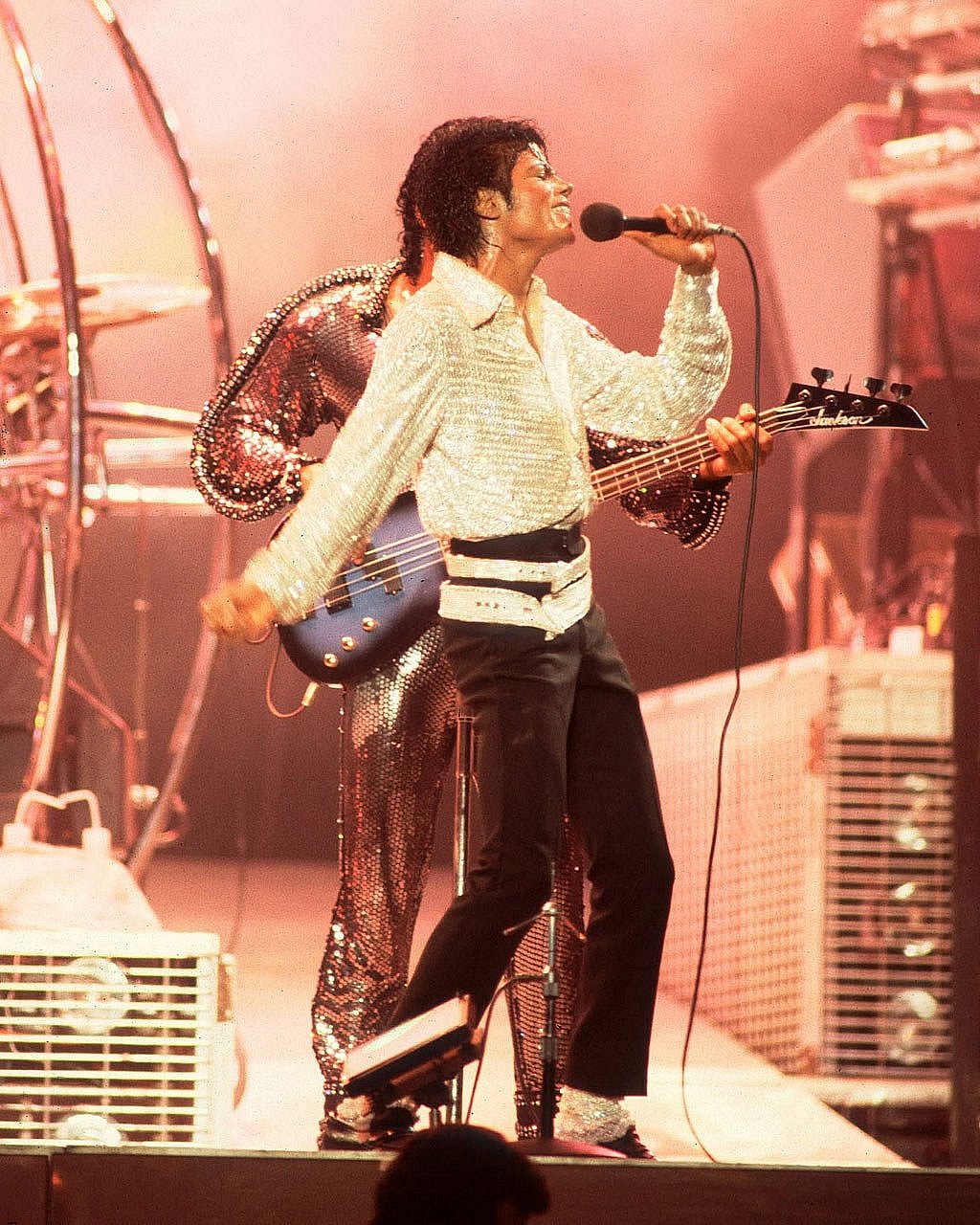
His symbols, the glove, the fedora, the moonwalk, the lean, the red Thriller jacket, have long outlived the man who created them. Play the opening bars of "Billie Jean" to someone born decades after his commercial peak, and odds are they will know exactly what comes next.
Seventeen years on, Jackson remains neither simply celebrated nor simply condemned, but a figure whose music, money and controversy continue to generate headlines in equal measure.