Home
+
Published : 03 Sep 2014, 05:07 PM
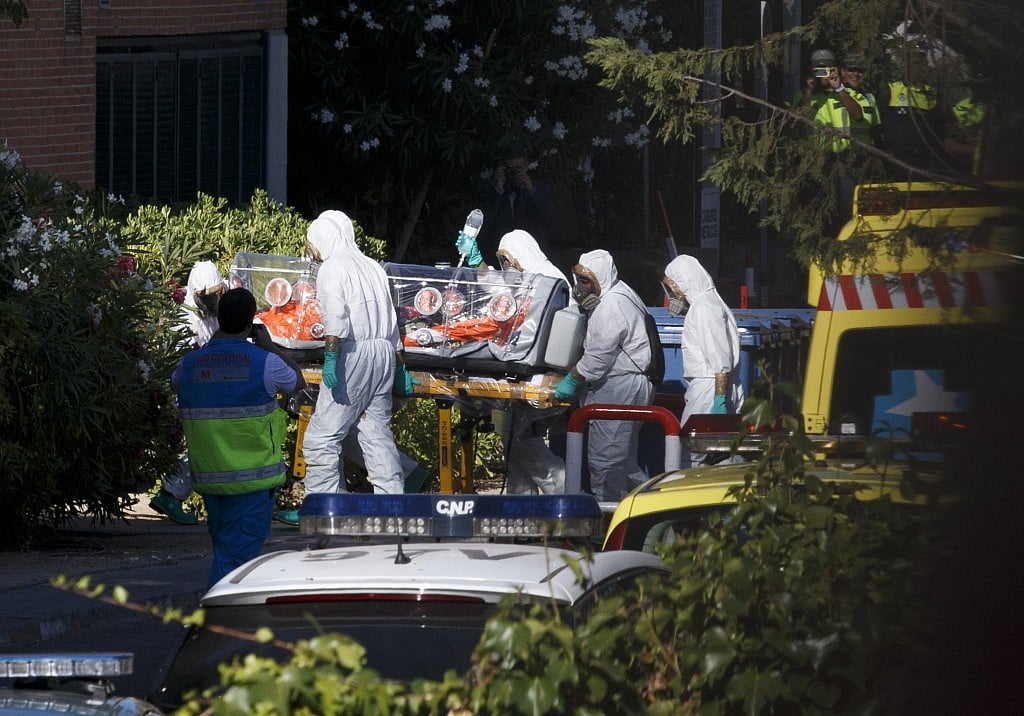
Dead bodies in the street, families wiped out, dozens of health care workers infected, hospitals shut down and panic and mistrust in the eyes of the people in the streets. This is what Médecins Sans Frontières (MSF) usually sees in countries that are ravaged by war, but in Sierra Leone, Liberia and – to a lesser extent – Guinea, it is Ebola that is generating immense, public distress.
As of today more than 1,427 patients have succumbed to Ebola viral disease and the care centres established by Médecins Sans Frontières are overwhelmed. On 8 August, far too late, the World Health Organization (WHO) declared the Ebola epidemic a public health emergency of international concern. However, it had been officially declared in West Africa since March 2014.
The disaster is becoming even more dramatic as the health systems in the affected region have imploded. Patients are dying of Ebola, but also of malaria, diarrhoea or complicated deliveries due to the absence of effective medical care. In Liberia especially, hospitals are deserted. And fear is spreading.
MSF has been responding to the crisis since March 2014. We have opened up more and more isolation centres throughout the affected countries to care for the sick and we have assisted the communities. For the last three months, we have actively been calling for more hands-on assistance to control the epidemic and to provide the best possible care to patients.
However, the international response is slow and derisory. It can equally be defined as irresponsible. Today, only a handful of international actors are engaged in the fight against Ebola. But this is nowhere near enough. This is an exceptional crisis, the number of new infections is still on the rise, and the virus has a serious potential to spread to other countries.
Promises of funding and political statements are not sufficient – decisive action is needed now. Case finding must be intensified, more isolation centres have to be set up, epidemiological surveillance and laboratory capacity have to be reinforced, contact tracing and follow-up must be strengthened, communities must be sensitised, experienced staff and training are needed in the field, and general health services must be reopened: these activities must be properly coordinated inside and beyond the borders of the affected countries. This necessitates a hands-on, operational approach.
The situation can only be reversed if there is a significant commitment of states with available effective disaster response capacity – be it through civil protection mechanisms, the support of military medicine units or of logistics or medical staff who are used to working with strict infection prevention and control measures.
The successive closure of international borders including air travel renders our efforts increasingly difficult. Infected medical personnel cannot be evacuated anymore – another layer of collective irresponsibility. The international community must ensure that those who try to contain the outbreak can enter and leave the affected countries if need be. A functional system of medical evacuation has to be set up urgently.
Why is it that the international community is largely relying on the very fragile health systems in the affected countries to manage an international health crisis of this scope? And why are they entrusting global health security to private organisations that have, by nature, limited capacities to respond to major outbreaks? It is irresponsible to place exclusive management of such a devastating, deadly epidemic on the back of overwhelmed nations such as Sierra Leone and Liberia while praying that the private sector is filling the gaps left by the shortfalls of its heath system.
MSF has accumulated significant experience in dealing with Ebola outbreaks over the last 20 years. During the same period, operational capacities in the United Nations system have been gradually reduced through reforms. For example, the restructuring of the World Health Organization in Geneva has led to the closure of its viral hemorrhagic fever unit. Member states should be held accountable for an unceasing reduction of response capacity. A destructive spiral has materialised, leading to what we see today: lack of leadership, deficient coordination and, last but not least, a striking absence of operational capacity. This is compounded by the fact that the international community simply doesn't feel responsible for responding to what is happening in regions that are not perceived as politically or economically interesting.
Crises that are threatening global health security demand a commitment from all states. Once this commitment is ensured, response capacity can be built around either existing or newly established institutions or networks.
It is shortsighted of developed nations to limit their response to the potential arrival of one infected patient on their territory. If the aim is to avoid further spread of the epidemic, we have to control transmission of the virus. And this is only possible by caring for patients in West Africa.
Today and again, Médecins Sans Frontières asks for more – not more lip service, but more action.
*Originally published in Le Temps (Switzerland) on 27 August 2014
———————————
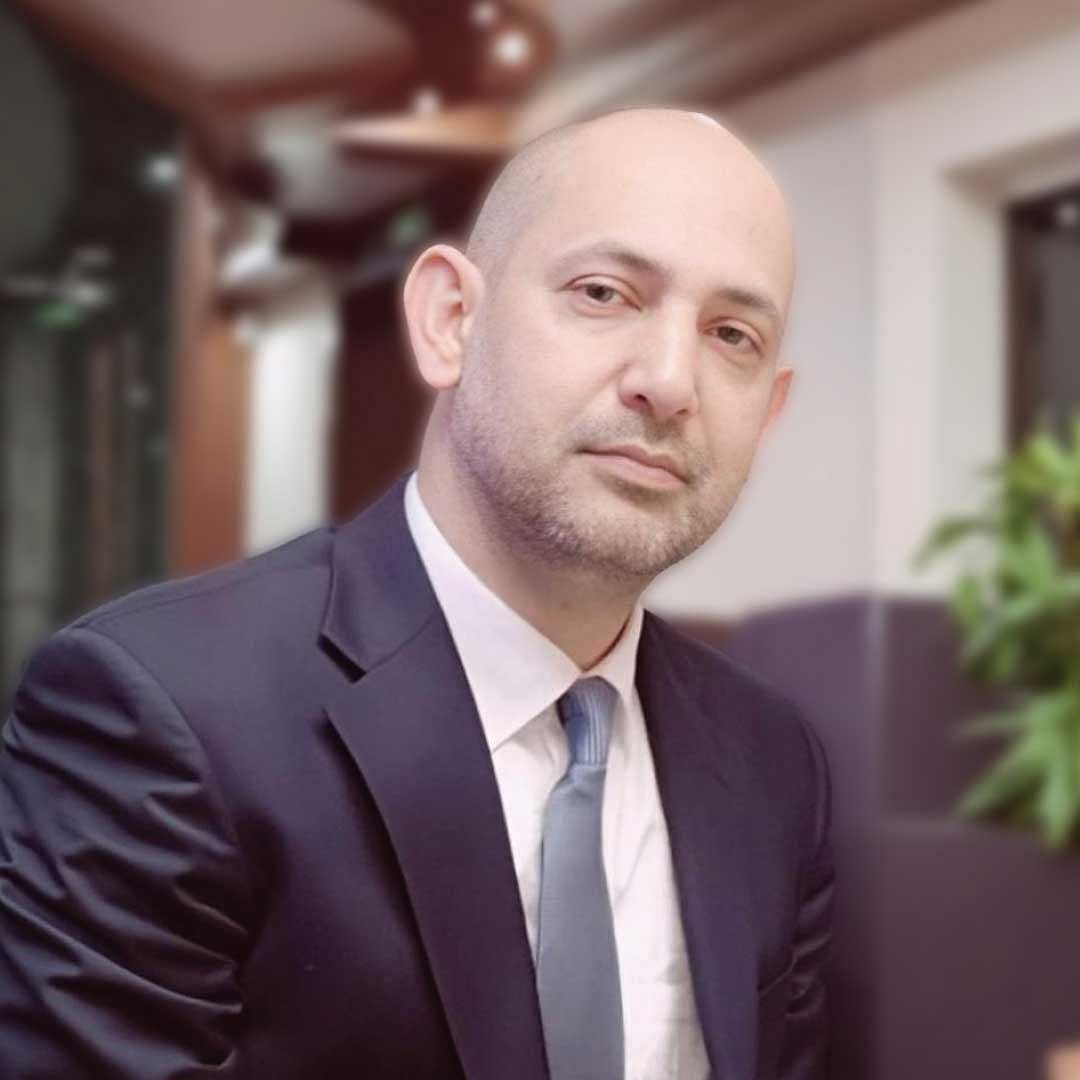
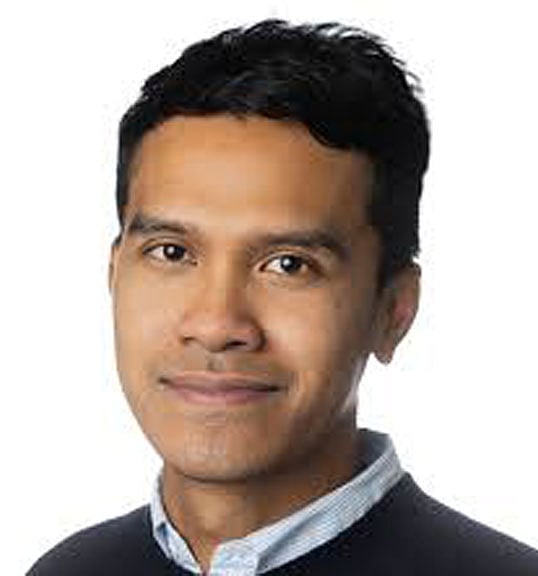
Thomas Nierle is the President of Médecins Sans Frontières, Switzerland (MSF) and Bruno Jochum is the General Director of MSF Switzerland.