Published : 08 Feb 2026, 08:08 AM
Updated : 21 Aug 2026, 03:07 PM


For decades, Jamalpur’s five parliamentary constituencies have epitomised Bangladesh’s electoral tug-of-war between the Bangladesh Nationalist Party (BNP) and Awami League.
Since 1991, the district has oscillated between the two, often by narrow margins. This year, however, the Awami League is absent with activists largely inactive or in retreat, leaving the BNP with a near-complete grip on the field.
Into this vacuum steps the Jamaat-e-Islami, emerging as a serious challenger. In at least one constituency, its campaign has become conspicuously vigorous, prompting local observers to anticipate tightly contested races.
As polling day nears, energy and anticipation are rising among supporters.
Since Jamalpur became a district in 1978, the BNP, Awami League, and the Jatiya Party have all held office here. In the past 15 years, power has mainly alternated between the BNP and Awami League.
This election sees the BNP aiming to reclaim lost seats, while Jamaat seeks historic gains. Smaller parties, including Islami Andolan Bangladesh and Gono Odhikar Parishad, are also active in local outreach.
JAMALPUR-1: BNP FACES ‘REBEL’ THREATS
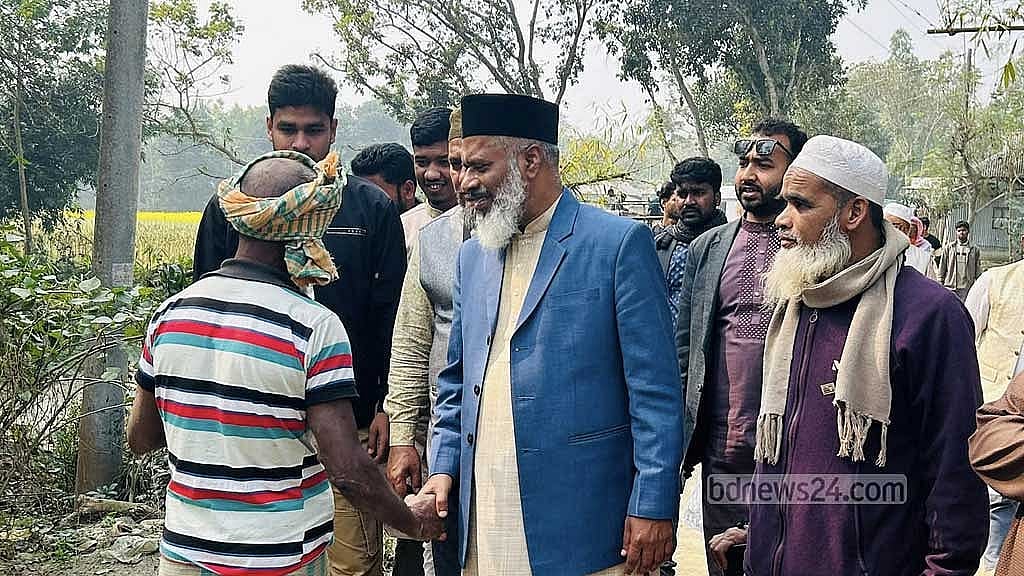
Comprising Dewangonj and Bokshiganj Upazilas, Jamalpur-1 is contested by BNP’s former treasurer M Rashiduzzaman Millat and Jamaat’s central Majlis-e-Shura member Nazmul Haque Saidi.
Bokshiganj’s former BNP president Abdur Rouf Talukder has joined Islami Andolan Bangladesh, contesting under the “Hand Fan” symbol.
Voters suggest the primary contest may remain between the BNP’s Sheaf of Paddy and Saidi. Both parties aim to attract the absent Awami League vote.
Smaller candidates include Jatiya Party’s AKM Fazlul Haque and Gono Odhikar Parishad’s Rafiqul Islam.
Historically an Awami League seat, the BNP captured it in 2001 with Millat defeating heavyweight candidate Abul Kalam Azad. Development work during Millat’s tenure bolstered his popularity, giving the BNP confidence for this election.
Meanwhile, Saidi actively campaigns across villages and markets, holding worker gatherings, street meetings, and social events. Rouf leverages his established vote bank and prior experience as Upazila chairman.
Jamalpur-1 has 431,707 voters: 216,707 men, 215,498 women, and two third-gender voters.
JAMALPUR-2: JAMAAT EYES BREAKTHROUGH
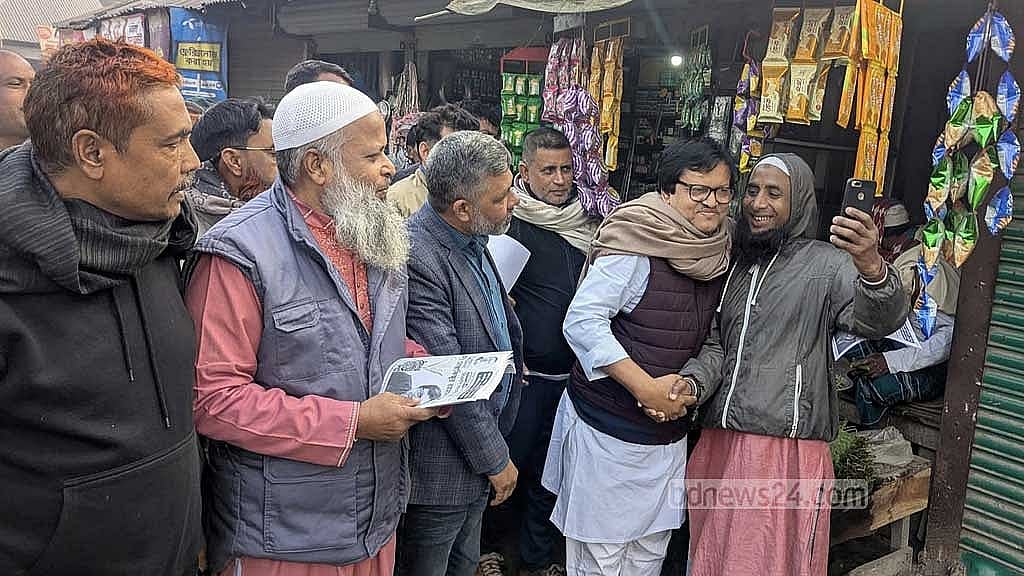
Jamalpur-2, covering Islampur Upazila, is contested by the BNP’s former MP Sultan Mahmud Babu and Jamaat’s Organisational Secretary Shamimul Haque Faruki.
Islami Andolan’s Sultan Mahmud Siraji and independent Arnab Wares Khan, running under the “Horse” symbol, are also in the race.
Internal BNP disputes have created openings for Jamaat. Faruki mobilises supporters through regular meetings and public gatherings, capitalising on the BNP’s internal rifts to create electoral advantage.
JAMALPUR-3: BNP CONFRONTS MULTIPLE “REBELS”
Covering Melandah and Madarganj Upazilas, Jamalpur-3 has historically been an Awami League stronghold, winning eight of 12 elections.
The BNP’s Mostafizur Rahman Babul, previously narrowly defeated in 2001, enjoys party support but faces rebellion: Joint General Secretary Sadikur Rahman Siddiqui running independently, and Daulatuzzaman Ansari switching to Islami Andolan.
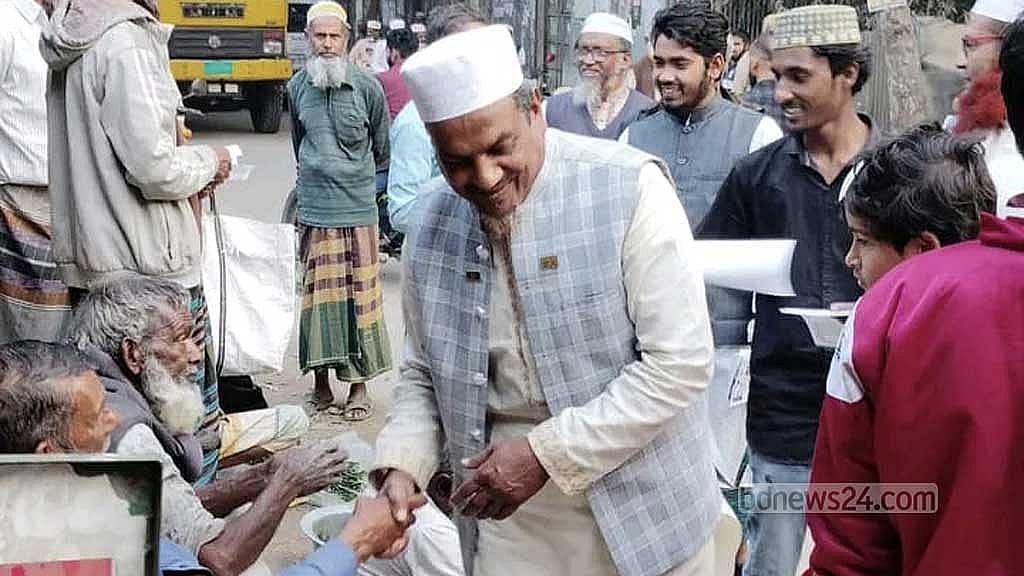
Jamaat candidate M Mujibur Rahman Azadi is campaigning with an aim to exploit BNP fractures. Other contestants include leftist Shiblul Bari Raju, Jatiya Party’s Mir Samsul Alam, Gono Odhikar Parishad’s Liton Mia, Ganosamhati Andolon’s Fidel Naeem, and independent Farzana Farid.
Jamalpur-3 comprises three municipalities and 18 unions, with 539,503 voters: 274,258 men, 265,239 women, and six third-gender voters.
Local observers note that all parties are now competing for the absent Awami League vote.
JAMALPUR-4: BNP BASTION
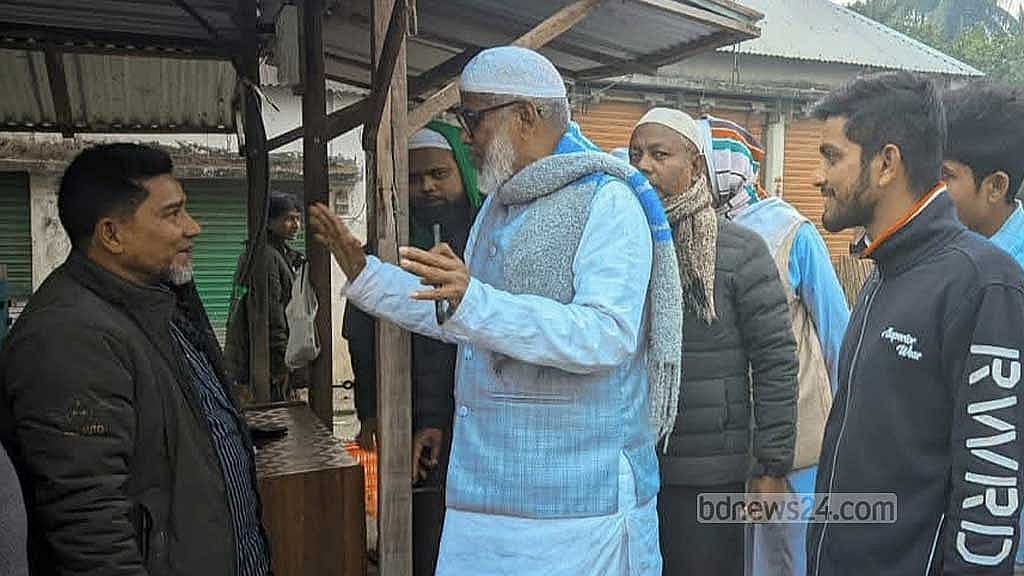
Jamalpur-4, comprising Sarishabari Upazila, is the BNP stronghold of former secretary Abdus Salam Talukdar. BNP’s Faridul Kabir Talukdar Shamim enjoys unified party support and sees the Awami League's absence as an opportunity.
Mohammad Abdul Awal, Jamaat’s district secretary, Islami Andolan’s Ali Akbar, Gono Odhikar Parishad’s Iqbal Hossain, Nagorik Oikya’s Md Kabir Hasan, and CPB’s Mahbub Jaman Jewel are also running.
JAMALPUR-5: BNP AHEAD
Encompassing Sadar Upazila, Jamalpur-5 is politically the largest seat and traditionally an Awami League stronghold.
BNP candidate Shah Wares Ali Mamun, former Jamalpur mayor, enjoys strong support. Jamaat’s Mohammad Abdus Sattar, Islami Andolan’s Syed Yunus Ahmed, and seven other candidates also contest.
Wares Mamun lost narrowly in 2018 but retains a strong local presence. Abdus Sattar campaigns actively, gaining visibility and voter trust.
Former freedom fighter Sirajul Haq, contesting again for BNP, won only in 1991, while Islami Andolan’s Yunus Ahmed has previous parliamentary and mayoral experience.
WHAT LEADERS SAY
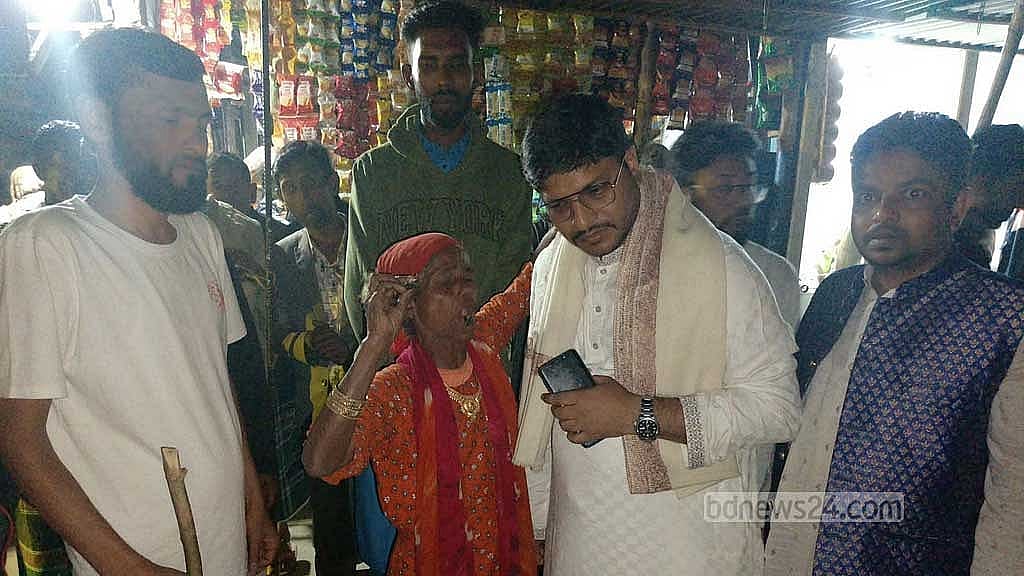
Wares Mamun, Jamalpur BNP general secretary, said: “Over the past 17 years, the BNP has made the highest sacrifices to uphold people’s rights.
“This election gives voters the opportunity to express their choice. We are reaching out, listening to concerns, and assuring citizens. The BNP will secure victories across all seats in the district.”
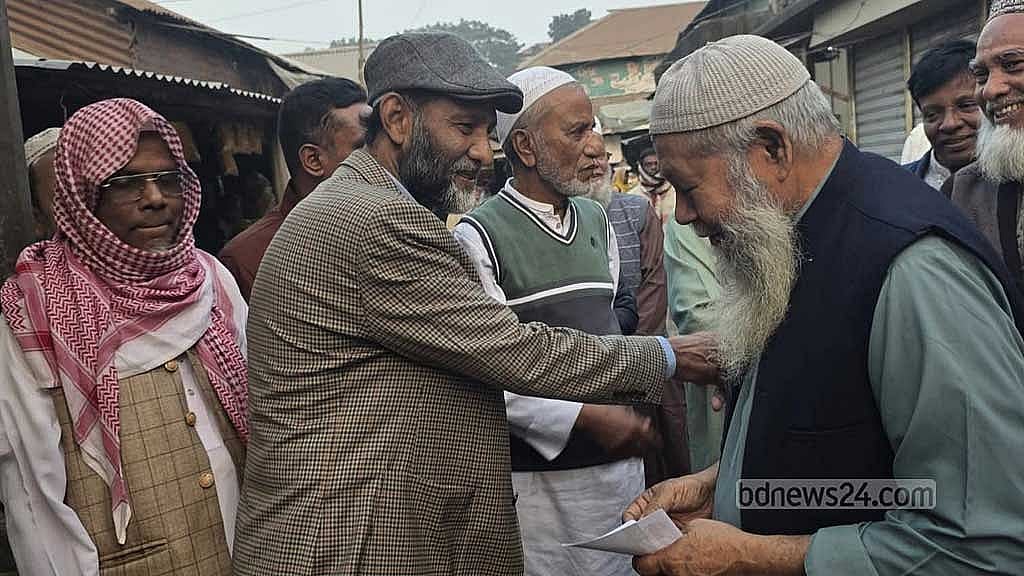
Sattar, Jamalpur Jamaat chief, said: “The electoral field is still favourable for us. In some areas, our workers face threats, yet we are confident. Jamaat aims to win all five seats by a substantial margin.”
CANDIDATES SUMMARY:
Jamalpur-1: M Rashiduzzaman Millat (BNP), Nazmul Haque Saidi (Jamaat), Abdur Rouf Talukder (IAB)
Jamalpur-2: Sultan Mahmud Babu (BNP), Shamimul Haque Faruki (Jamaat), Sultan Mahmud Siraji (IAB), Arnab Wares Khan (Independent)
Jamalpur-3: Mostafizur Rahman Babul (BNP), M Mujibur Rahman Azadi (Jamaat), Daulatuzzaman Ansari (IAB), Sadikur Rahman Siddiqui (Independent), others
Jamalpur-4: Faridul Kabir Talukdar Shamim (BNP), Mohammad Abdul Awal (Jamaat), others
Jamalpur-5: Shah Wares Ali Mamun (BNP), Mohammad Abdus Sattar (Jamaat), Syed Yunus Ahmed (IAB), others