Published : 17 Jul 2026, 08:09 AM
Updated : 08 Sep 2026, 09:25 AM


The US dollar has risen continuously against the Bangladeshi Taka over recent weeks, with the interbank exchange rate climbing by Tk 0.63 or 0.51 percent in just three weeks.
The average interbank rate reached Tk 123.38, up from Tk 122.75 on Jun 24, on Thursday.
Bangladesh Bank attributed the rise to higher demand, while some bankers suggest it could also reflect efforts to align with International Monetary Fund (IMF) recommendations.
During Thursday’s interbank trading, the dollar peaked at Tk 123.55 and hit a low of Tk 123.
Several commercial banks sold cash dollars at Tk 124.50, whilst letters of credit (LCs) for imports were priced above Tk 124.
The open market rate surged to Tk 126.60. Compared with Jul 9 last year -- when the interbank rate averaged Tk 122.01 -- the dollar has increased by Tk 1.54 or 1.26 percent over the year.
Bangladesh Bank spokesperson Arief Hossain Khan linked the surge to increased demand driven by government payments, adding that the central bank has stopped buying dollars from commercial banks to manage market liquidity.
He dismissed speculation linking the rise to a visiting IMF delegation.
However, a private bank managing director, speaking on condition of anonymity, said the rate hike aimed to "please the IMF" to smooth negotiations for a new loan package with the new government.
Meanwhile, the IMF has consistently advocated for a fully market-driven exchange rate.
On Thursday, state-owned Sonali and Janata banks sold cash dollars at Tk 124 and bought at Tk 123.
Private lenders Eastern Bank and City Bank both posted selling rates of Tk 124.50 and buying rates of Tk 123.50.
In the open market, dollars were bought at Tk 126.30 and sold at Tk 126.60, up from last Thursday's selling rate of Tk 125.50.
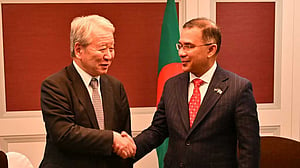
Concluding their visit to Dhaka from Jul 12, the IMF delegation met with Finance Minister Amir Khasru Mahmud Chowdhury on Thursday afternoon.
An IMF statement urged Bangladesh to maintain tight monetary and effective fiscal policies to curb inflation and rebuild foreign reserves.
The organisation emphasised that the continued phased implementation of the "crawling peg" system introduced in 2025 will ensure exchange rate flexibility and safeguard external sector stability.