Published : 12 May 2026, 08:11 PM
Updated : 21 Aug 2026, 03:43 PM


Fiscal Crossroads: Budget of Constraints?
Survival over expansion: Policymakers must ditch grand projects to keep the economy afloat, economists say, the priority should shift to shielding the poor from rising costs.
Revenue under pressure: A looming Tk 980 billion deficit and stalled IMF funds challenge the Tk 9.2 trillion budget ambition. Success hinges on urgent tax reforms and broadening the domestic base.
Growth dilemma: Ministers face a balancing act: funding election pledges and vital infrastructure while avoiding inflationary money printing or excessive high-cost borrowing.
Bangladesh enters the planning cycle for the 2026–27 national budget under the weight of compounding economic pressures that have not eased -- instead, they have intensified.
Inflation remains stubborn, external shocks persist, and fiscal space is narrowing.
Yet, layered on top of this economic reality is a political one: expectations generated by the BNP’s election promises now press upon the finance ministry, creating a budgetary dilemma defined less by ambition and more by limitation.
At the heart of the debate lies a fundamental question: will this budget break from tradition or merely extend it?
Officials, economists, and policy advisors increasingly suggest the answer may not lie in choice, but in constraint.
There is, they say, no “magic wand” available to the finance minister. Instead, the 2026–27 budget appears destined to be shaped by what is unavailable rather than what is possible.
Years of inherited fiscal stress, combined with new global volatility, have narrowed the government’s room for manoeuvre.
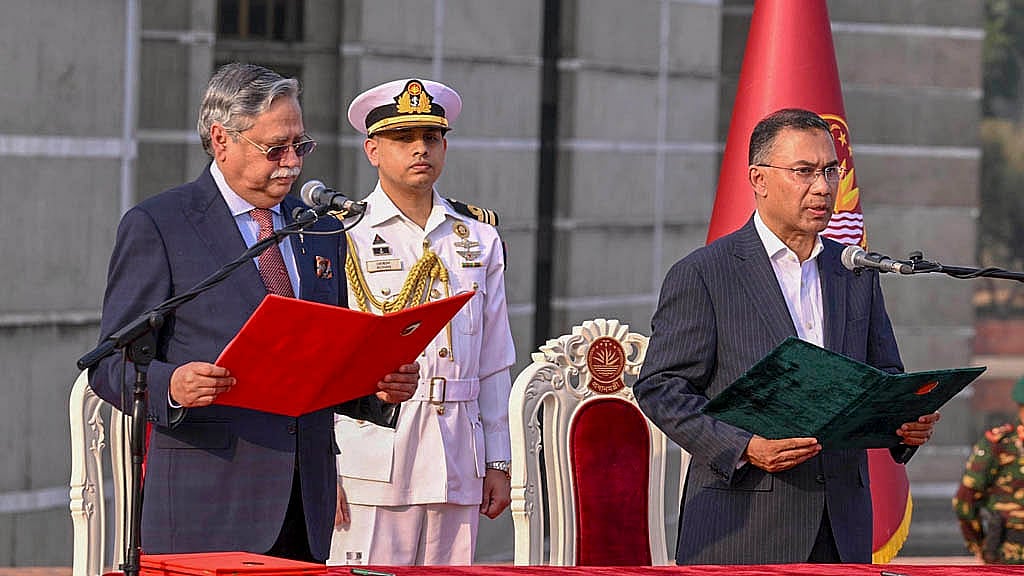
The BNP-led administration under Tarique Rahman assumed office already burdened by global economic headwinds.
Early hopes that political transition would ease macroeconomic pressure were quickly disrupted by renewed geopolitical tensions, including the West Asia conflict, which further unsettled global markets and energy prices.
Shrinking Fiscal Room
Policymakers and economists consulted for this report describe a long “list of absences” facing the government: limited fiscal space, weak revenue growth, high inflation, liquidity stress, low investment, and fragile external financing.
Zahid Hussain, former lead economist at the World Bank's Dhaka office, is blunt in his assessment.
“Being frugal is no longer an option, it is an obligation. The question is how frugal we will be, where we will be frugal, and how we will do it,” he said.
He cautions that the core challenge is not expansion but stability.
“The main issue now is keeping the economy afloat and ensuring that the hardship of poor people does not increase further. They are already suffering, and that burden must not grow,” he added.
Revenue Stress and External Pressures
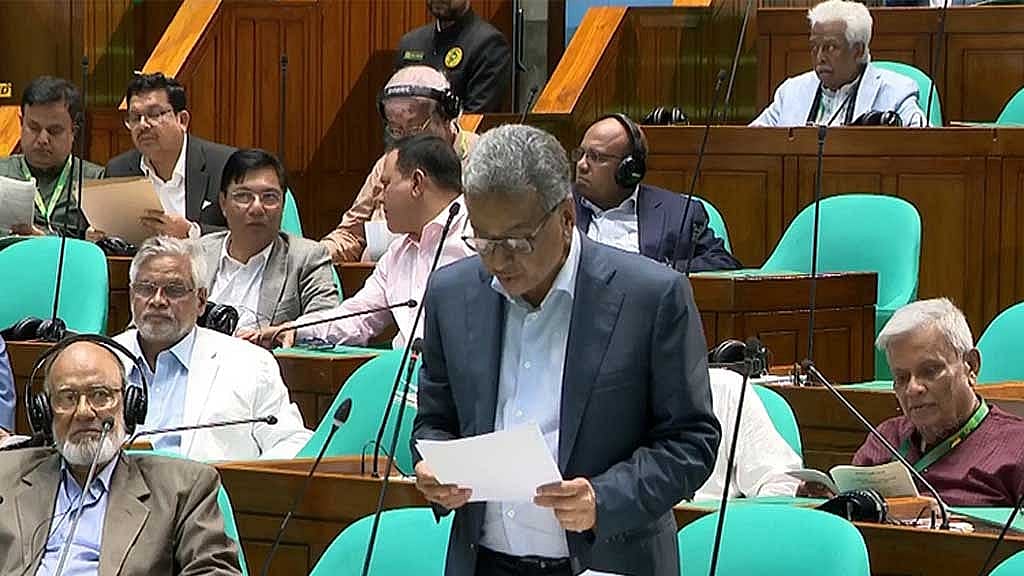
A budget size exceeding Tk 9 trillion is under discussion, despite unresolved structural weaknesses in tax administration.
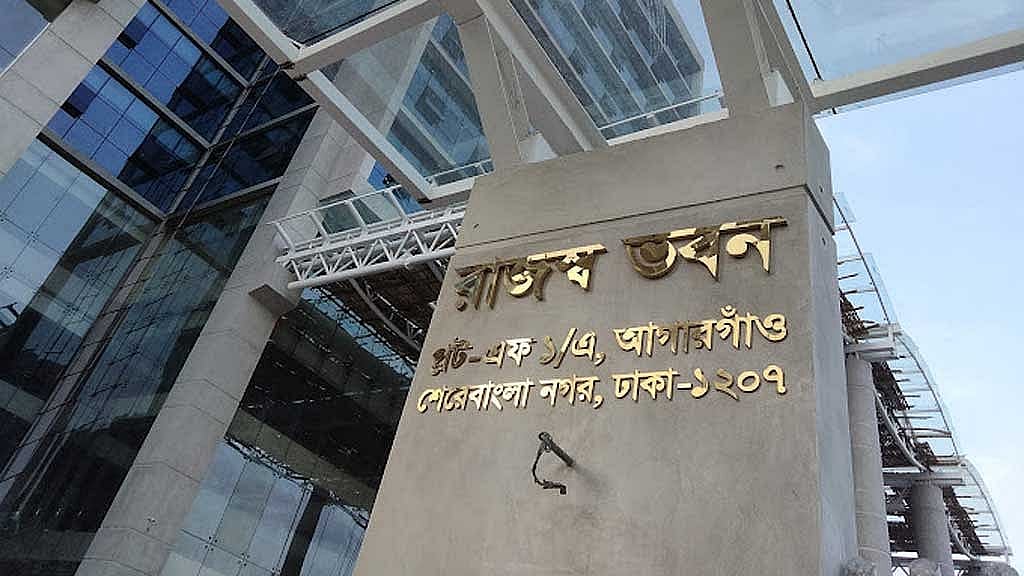
The National Board of Revenue (NBR) has already fallen short by Tk 980 billion in the first nine months of the fiscal year, raising doubts over whether it can meet its annual target of Tk 4 trillion.
External financing is also under strain. The International Monetary Fund has paused disbursements under its ongoing programme, while uncertainty remains over compliance with new conditions required to resume funding.
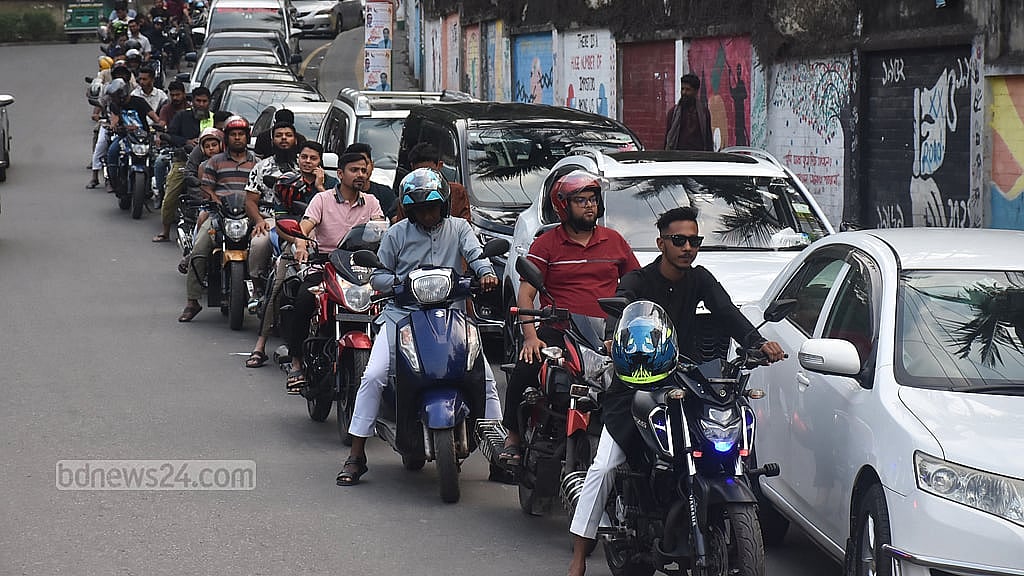
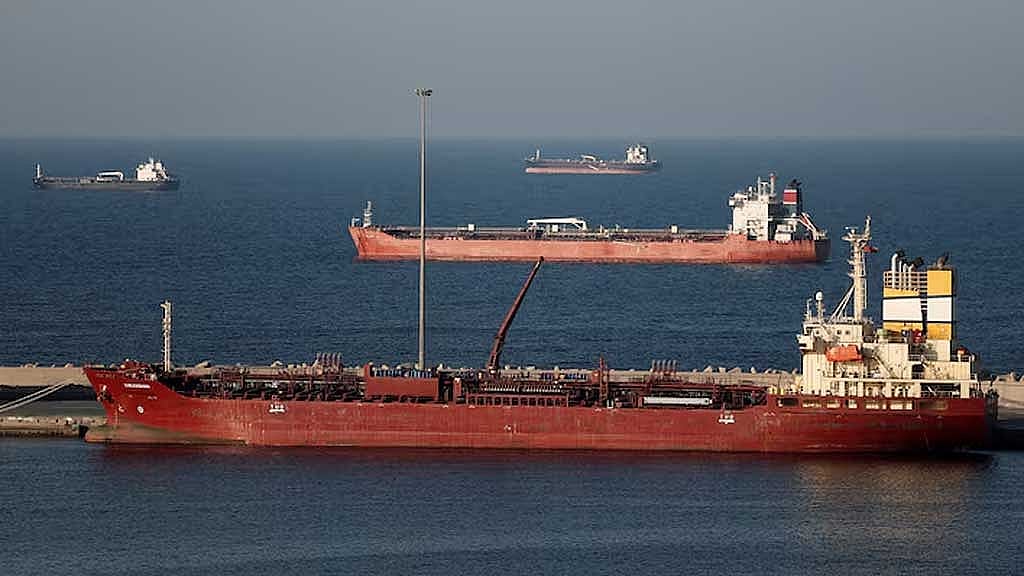
Meanwhile, inflation continues to hover near 9 percent, driven further by rising global energy costs linked to West Asia tensions. Fuel imports are becoming more expensive, and electricity price hikes remain a looming concern.
Can the Government Spend Its Way Forward?
Centre for Policy Dialogue (CPD) Executive Director Fahmida Khatun says the main constraint is not intent but fiscal capacity.
“There is a lack of sufficient funds. Without reform, revenue mobilisation will not improve significantly, but reform cannot happen overnight,” she said.
She urges immediate institutional strengthening, expansion of the tax base, and reduction of reliance on the same group of taxpayers.
• Broaden tax net rather than increasing burden on existing taxpayers
• Strengthen institutions before expecting revenue growth
• Focus on short-term reform initiation rather than full transformation
A Tightrope Budget Ahead
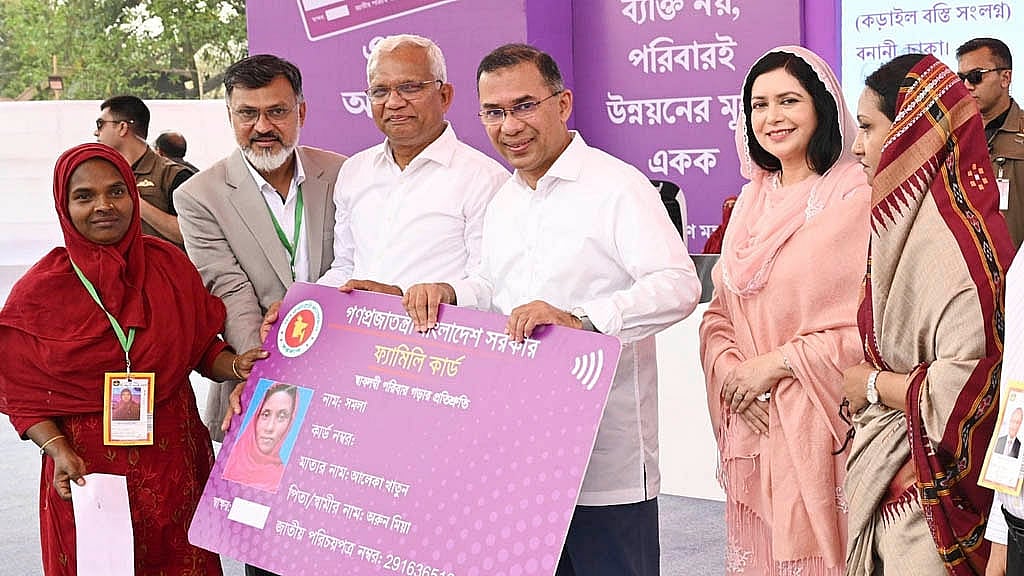
Government spending commitments are rising even as fiscal space shrinks. New election pledges, including family cards, agricultural debt relief, and social safety net expansion, are being rolled out.
These initiatives may ease social pressure, but they also risk fuelling inflation and widening financing needs.
Finance Secretary Md Khairuzzaman Mozumder acknowledges the dilemma.
“We have been following contractionary budgets for three years. The challenge is that prolonged austerity creates structural weakness in growth,” he said.
He confirms that the government will avoid money printing and excessive bank borrowing, but insists expansion is unavoidable.
“If we want growth and investment, there is no alternative to increasing the budget. We must invest in education and health to realise demographic dividends,” he said.
Spending Priorities and Risks
Planned allocations include:
• Budget size: around Tk 9.2 trillion
• Development programme expansion: from Tk 2.3 to Tk 3 trillion
• Election-linked family card scheme: Tk 130 billion
• New salary structure partial implementation: Tk 250 billion
• Interest payments: Tk 1.22 trillion
Officials also anticipate rising import costs for fuel and energy subsidies.
Yet economists warn that financing such expansion through borrowing or money creation risks worsening inflation and crowding out private investment.
Growth Without Excess
Finance Minister Amir Khosru Mahmud Chowdhury says the government will avoid inflationary financing methods.
“We will strictly avoid printing money and high-cost borrowing,” he said. “But if we want growth, we must expand the budget. There is no alternative if we want investment, education and health spending.”
A Budget Built on Limits
Despite political optimism, the reality remains constrained. Bangladesh faces high inflation, weak revenue, external financing delays, and fragile investment sentiment simultaneously.
Economists argue that the only viable path is prioritisation.
Economist Zahid summarises it starkly: “There is no scope for an ambitious [Annual Development Plan]. The priority must be survival, protecting the poor, ensuring food and energy security, and preventing further hardship.”
He adds that reform -- not expansion -- will determine long-term fiscal sustainability, from tax administration to banking stability.
As budget preparations intensify ahead of its expected Jun 11 presentation in parliament, one truth dominates policymaking circles: this is not a budget of choices, but a budget of constraints.