Published : 15 Oct 2025, 05:51 AM
Updated : 21 Aug 2026, 02:35 PM


Tucked into Chittagong University’s emerald hills, the campus hums with a quiet, gathering tension as voting for the Central Students’ Union (CUCSU) nears.
Across halls and tea stalls, students are sizing up their choices with unusual care, looking less for party loyalists than for advocates who will put student welfare first.
This year’s election, the first in 35 years, has reignited hopes among general students that their representatives -- whoever they may be -- will rise above political allegiance and address everyday student issues.
Although the university charter mandates annual elections for the central and hall unions, CU’s half-century history has seen only six such elections. The last one was held on Feb 8, 1990.
Campaigning concluded on Monday, with voting set for Wednesday.
Student organisations representing groups such as the Jatiyatabadi Chhatra Dal, Islami Chhatra Shibir, left-wing alliances, and several cultural and indigenous bodies are fielding candidates under at least 12 panels this year.
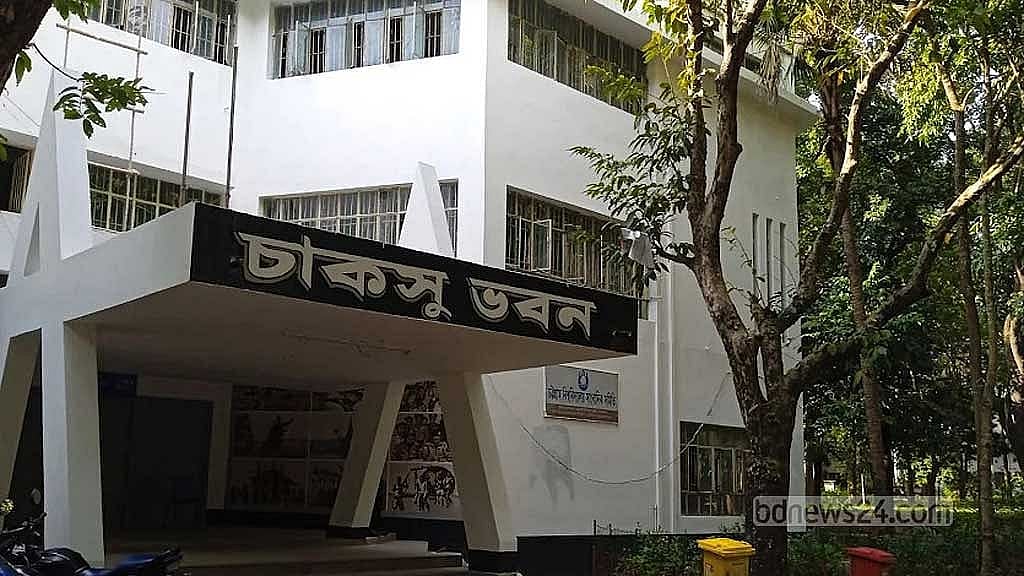
A total of 27,516 students are eligible to vote to elect new leadership for CUCSU, the hall unions, and hostel councils.
Altogether, 908 candidates are vying for different positions.
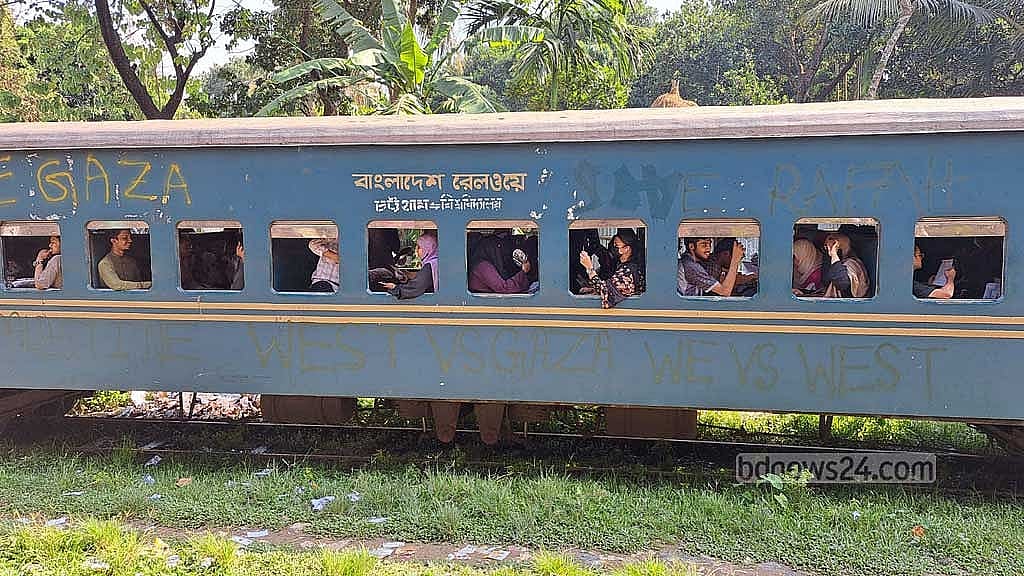
While candidates have made lavish promises during the campaign, most students say their priorities remain the same -- solving the accommodation crisis, increasing funding for education and research, and addressing transport problems that cost them hours every day.
Imdad Hossain, a criminology student said: “Housing and transport problems are the biggest issues for us. It takes three to four hours daily to travel between the city and campus, wasting a lot of time. These two problems need urgent solutions.”
“We want leaders who work beyond party factions, standing for the common students. Party-affiliated candidates make promises but fail to deliver,” he added.
Tawsif Hossain from the Department of Economics said the new CUCSU leadership must go beyond their own organisations to work for all students.
“It is fine if candidates from political groups win, but we don’t want them to act according to party lines once elected,” he added. “Only 27 percent of students receive housing benefits. We want new leaders to ensure full housing arrangements.”
Sociology student Rafat Ahmed called for leadership that will increase university funding towards education and research, pointing out most of the budget goes to staff salaries.
“We need leaders who will push for greater investment in higher education and modern facilities,” he said.
He added that political groups often promote their party ideals while speaking about student welfare, but leadership is needed that focuses on fundamental student needs beyond party ideology.
Anika Anzum, also from Sociology, said: “We want student representatives we can communicate with directly on basic issues.”
The election is taking place at a time when no political government is in power nationally and campus ruling parties have lost their dominance, giving some students hope for change.
Fahmida Orpi from International Relations said, “We do not want to live in halls under any party’s control. Those elected must stand for general students beyond party politics.”
Ebtisam Ahmed, a student from the same department, said: “We need leaders who work beyond political or organisational views and remain accountable to students.
“They must be capable of pressuring university authorities to meet rightful student demands.”
Students from 48 departments and six institutes will vote for 26 CUCSU posts, contested by 415 candidates.
According to the final candidate list, 24 are running for vice-president, 22 for general secretary, and 21 for assistant general secretary.
Voting will take place Wednesday from 9am to 4pm at the IT building, new arts building, and faculties of science, social sciences and business (BBA).