Published : 20 Nov 2025, 04:54 AM
Updated : 21 Aug 2026, 02:46 PM


Education authorities are reassessing and refining the draft ordinance for the proposed Dhaka Central University, which is to be formed with seven government colleges in the capital after their affiliation with Dhaka University was cancelled.
On Wednesday, officials said the draft is being revised after taking into account the opinions submitted by stakeholders on the proposed structural outline published earlier.
The ministry has not provided any clear indication of how long it will take to finalise the ordinance and formally establish the new university.
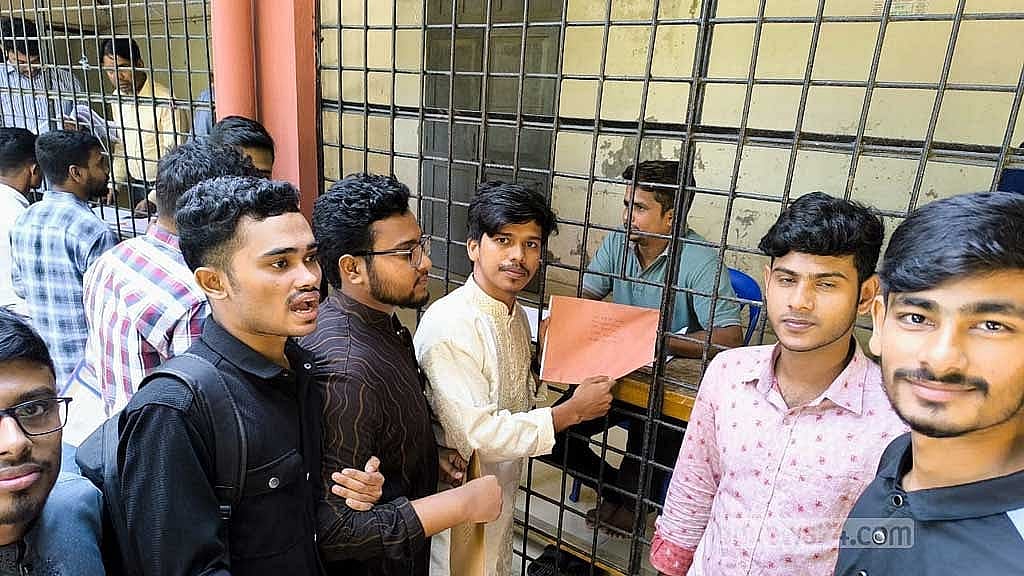
The first batch of students enrolled for the 2024–25 Academic Year -- for what is expected to become a new higher-education institution -- will begin classes on Sunday.
Alif Rudaba, additional secretary of the university wing in the Secondary and Higher Education Division, told bdnews24.com: “We received more than six thousand opinions online and offline on the draft ordinance.
“Opinions and recommendations were also taken after discussions with teachers, students, and academics. The draft ordinance is being revised based on those reviews.
“We have examined the opinions, and amendments based on stakeholder feedback will be incorporated before the draft is finalised.”
Dhaka Central University is being formed with Dhaka College, Eden Mohila College, Government Shaheed Suhrawardy College, Kabi Nazrul Government College, Begum Badrunnesa Government Mohila College, Mirpur Government Bangla College, and Government Titumir College.
As the formation process moves forward, teachers and students of these colleges have taken opposing positions over the proposed structure.
Officials of the BCS General Education Cadre, who work as teachers across government colleges nationwide, including the seven institutions, fear that the new structure could undermine fundamental rights such as career promotion.
Students of the colleges want the legal framework for the new university to be confirmed quickly and have called for the ordinance to be issued without delay.
Once affiliated with the National University, these colleges were brought under Dhaka University in 2017. But, after alleging harassment by Dhaka University authorities, students from the seven colleges demanded the establishment of a separate university.
After the government changed following the July Uprising, the movement gathered fresh momentum.
The education ministry then formed a four-member high-level expert committee led by the chairman of the University Grants Commission (UGC) to draft an institutional framework equivalent to a university for the seven colleges.
Following intense protests by students of the seven colleges and clashes with Dhaka University students, the university decided on Jan 27 to cancel the colleges’ affiliation while admission for new students was underway.
An interim administration was later formed to restart the admission process. But although classes have begun at other universities, classes for the 2024–25 session students of the new university have yet to start.
The UGC-led committee consulted stakeholders and proposed the structural outline. With no parliament in place, the interim government initiated the process of issuing the university’s law in the form of an ordinance.
A committee led by UGC member Professor Mohammad Tanzimuddin Khan drafted the ordinance. To gather stakeholder feedback on the proposed administrative and academic structure, the ministry published the draft on Sep 24.
The draft proposes establishing the university with an “interdisciplinary” structure by dividing the seven colleges into four schools. Under the proposal, these colleges would also continue teaching at the higher-secondary level.
Education cadre officials are concerned that around 1,500 posts at the seven colleges might fall outside the cadre. They fear this would create complications for promotions, which depend on vacancies within the cadre.
FINALISING ORDINANCE WILL TAKE TIME: MINISTRY
In a statement on Tuesday, the education ministry said more than five thousand opinions had been received from students, teachers and members of the public regarding the draft ordinance.
Alongside collecting online and in-person submissions, the Secondary and Higher Education Division has so far held three consultation meetings with teachers, students, academics and representatives of civil society. Opinions from relevant ministries and departments have also been taken.
“The Secondary and Higher Education Division is carefully reviewing every opinion from legal and practical perspectives. The process of reassessing and revising the draft based on online and direct feedback has already begun,” the ministry said.
It added that finalising the ordinance is a “time-consuming” process, but assured that the division remains “conscious and active” to ensure that students’ academic activities are not disrupted in the meantime.