Home
+
Published : 01 Jul 2026, 01:22 AM
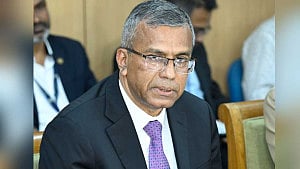
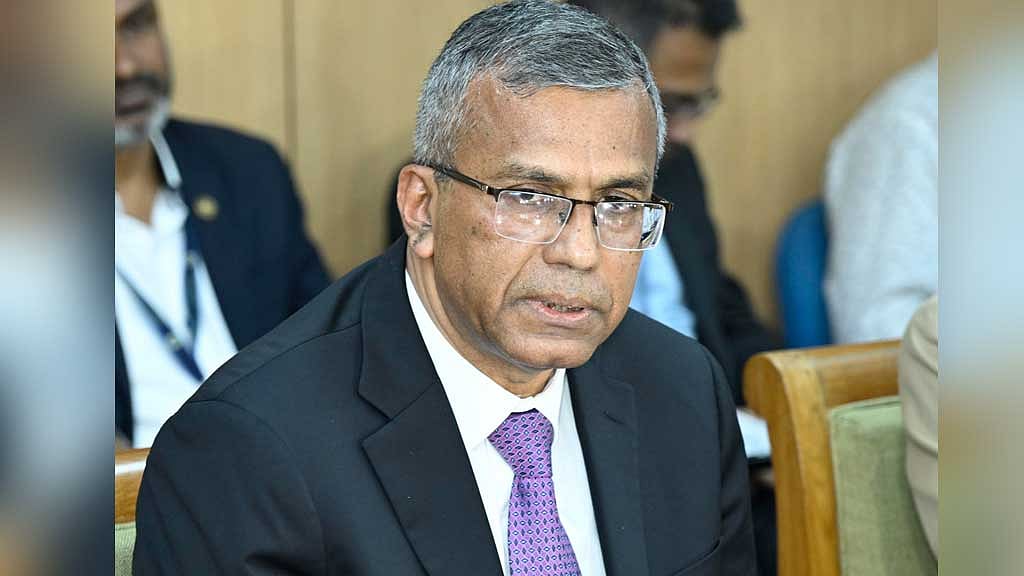
The debt crisis facing City Group may be resolved within three months, Bangladesh Bank Governor Mostaqur Rahman has said.
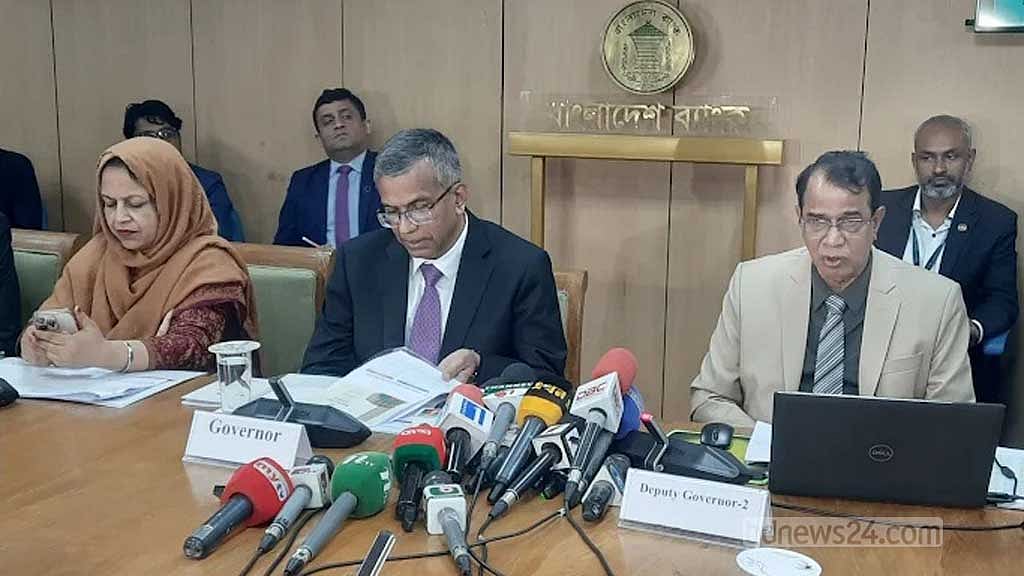
He made the remarks on Tuesday at a press conference following the announcement of the central bank's monetary policy for the first half of the new fiscal year.
City Group currently has outstanding loans of Tk 240 billion from 29 banks.
"I met with the managing directors of three leading banks and asked them to work out a solution. We will provide support," Mostaqur said.
"They have proposed some solutions. I believe that if these are implemented over the next three months, City Group may be able to emerge from its current difficulties."
The country's leading business conglomerate, which has investments in consumer goods and several other industries, has recently come under financial pressure due to its large bank borrowings.
The governor's comments came amid reports that several banks have come under strain after extending large loans to the group.
Questions at the press conference also touched on the approval of foreign currency loans for another major conglomerate, Meghna Group.
Asked why the group was allowed to secure an $80 million foreign currency loan despite not having significant foreign exchange earnings, Mostaqur said: "Our gross foreign exchange reserves have exceeded $37 billion and will increase further. We are now in a stable position.”
“We will make it easier to obtain foreign loans. In particular, foreign companies will be able to borrow in foreign currency without prior approval."
Irregularities Found at Six Banks
The governor said six inspection teams carried out special audits at six private banks on Jun 23, 24 and 25.
"The audits focused on the use of foreign currency. We found serious irregularities. Many loan records had been concealed. The same was true for defaulted loans. We also conducted IT audits," he said.
However, he declined to identify the banks involved.
More Time Needed on Islami Bank
Mostaqur said more time would be needed to form a full board of directors at Islami Bank Bangladesh to address the lender's ongoing instability.
"The situation at Islami Bank has now gone beyond the provisions of the Bank Company Act. Give us a little more time; it will be resolved," he said.
He added that the central bank had continued to provide liquidity and other support to the bank, saying it had so far extended Tk 130 billion in liquidity assistance.
Liquidity Will Support Production, Not Inflation
Although the new monetary policy remains contractionary, Bangladesh Bank has announced measures to increase the flow of funds through the banking system, including restoring the 4 percent interest rate spread between deposits and lending to help reduce borrowing costs.
Asked how inflation could be contained while increasing liquidity, Deputy Governor Habibur Rahman said inflation was driven by both supply-side and demand-side factors.
"If we increase the money supply on the demand side, demand will rise and fuel inflation," he said.
"To contain that, we have kept the policy interest rate high. The cost of funds has increased. At the same time, we believe liquidity injections through stimulus packages and other measures will go into production."
He said the concessional rates under the stimulus scheme would help lower production costs and boost output.
"These measures will support both inflation control and the revival of economic activity," he added.