Home
+
Published : 12 Jun 2026, 03:08 AM
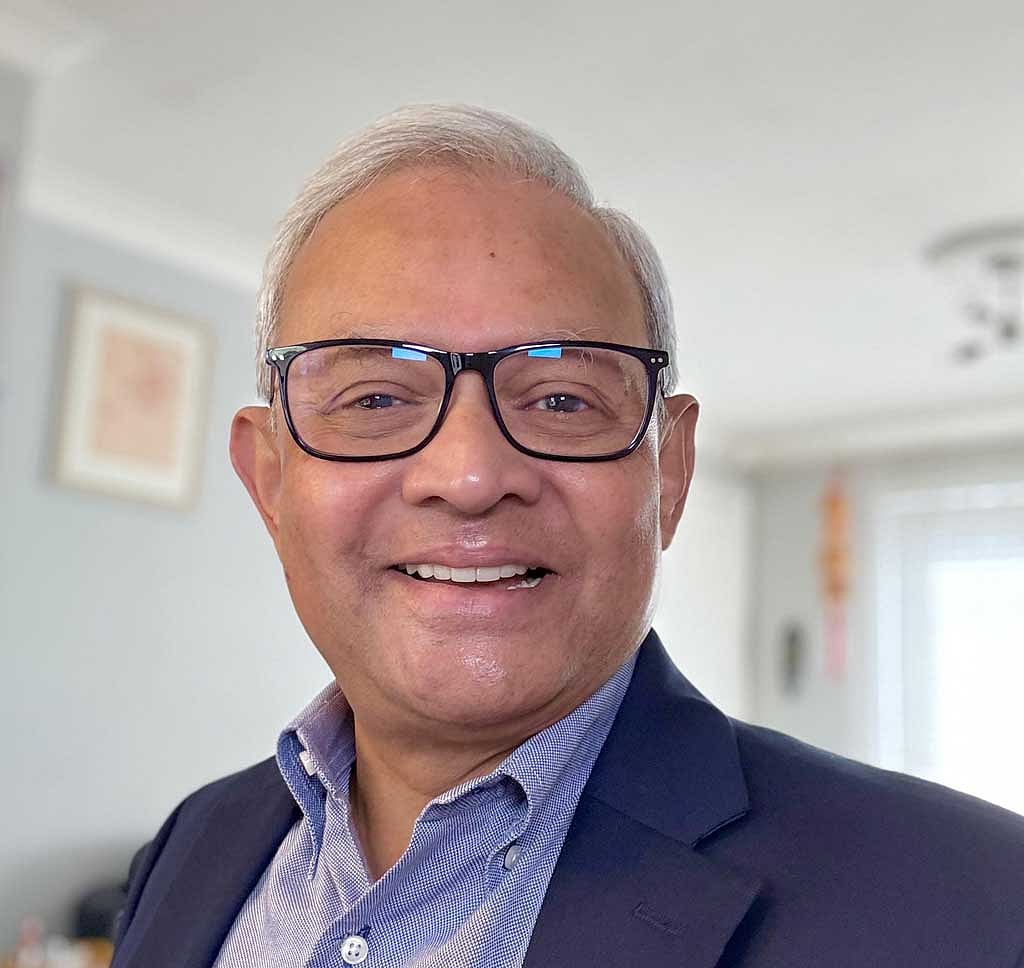
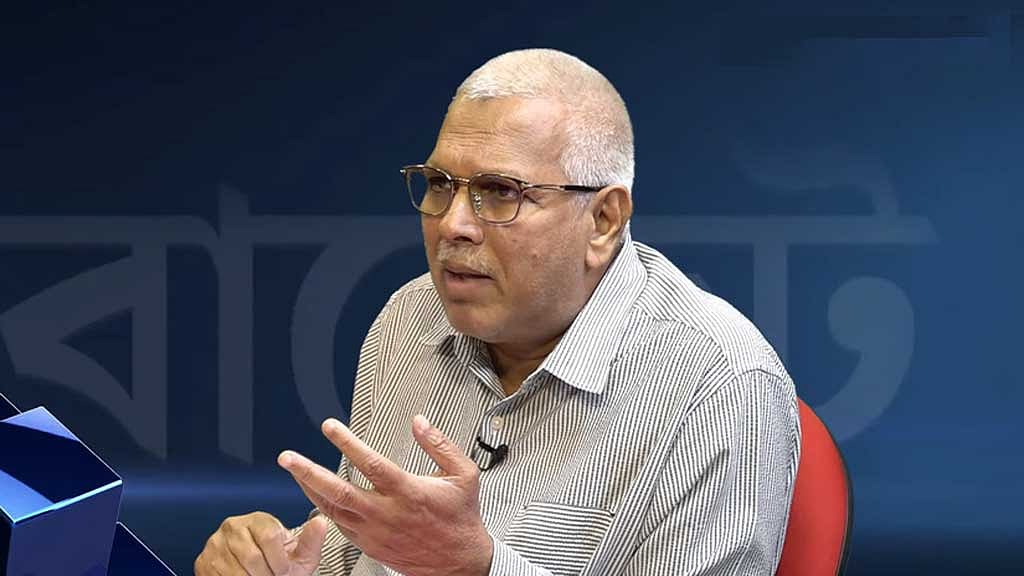
Policy Exchange Bangladesh Chairman Masrur Reaz has said the BNP government had little choice but to propose a larger budget, though doing so carries significant economic risks.
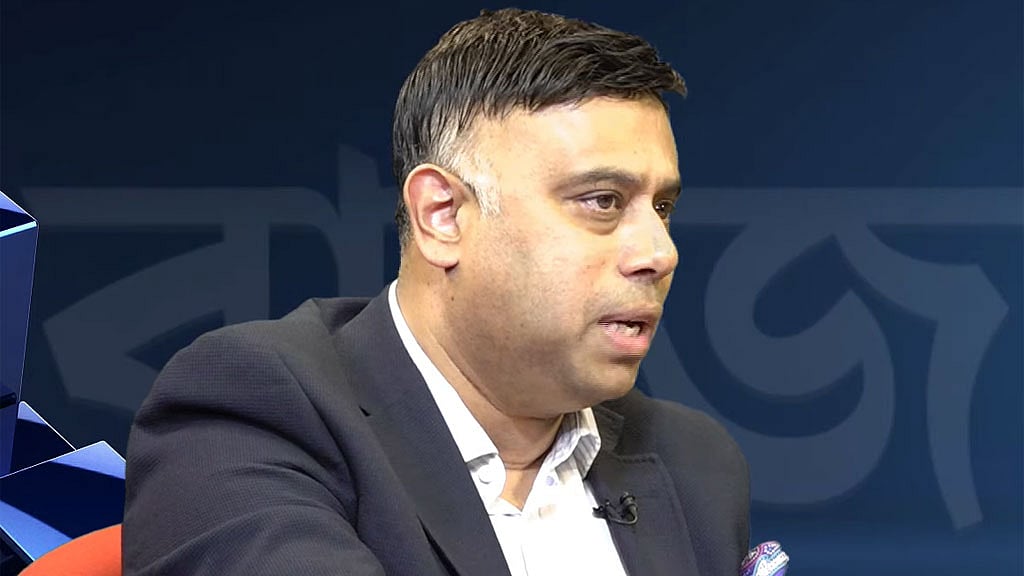
Speaking at bdnews24.com's discussion programme, Kemon Holo Budget (How Was the Budget?), on Thursday, Masrur analysed the political and economic realities shaping the proposed budget for fiscal year 2026-27.
Earlier in the day, Finance Minister Amir Khosru Mahmud Chowdhury presented a Tk 9.38 trillion budget in parliament, setting a revenue target of Tk 6.95 trillion for the next fiscal year.
The BNP returned to power in the Feb 12 election after a turbulent 18 months under the interim government.
Led by Tarique Rahman, the party formed its government on Feb 17, nearly two decades after leaving office.
Masrur highlighted the unusually short period the government had to prepare its first fiscal plan.
"There is both a political and an economic context to this budget," he said. "Politically, an elected government has returned after a long time. It has had to present a budget within just three months and 20 days of taking office. When a political government comes to power, voters' expectations naturally rise."
Turning to the economic backdrop, he described the situation as exceptionally difficult.
"This budget comes at a very challenging economic moment. These pressures have been building for several years. The foundations of the economy are weak, while inflation continues to rise."
He added that the key drivers of growth -- particularly private investment, small businesses, exports and the employment they generate -- had all weakened.
"At the same time, the government's financial capacity to tackle these challenges and support growth is extremely constrained. This was not an easy position from which to prepare a budget."
Masrur said the government was balancing heightened public expectations against severe economic headwinds.
"The government came to power with a major victory, and expectations are equally large. From a political perspective, the budget was always likely to be bigger. But from an economic perspective, a larger budget carries risks, particularly inflation risks."

He noted that inflation was already imposing heavy costs on households and businesses.
"People are suffering. Businesses are suffering because financing costs have risen sharply. Demand has fallen, purchasing power has weakened and prices have increased. Many businesses are having to reduce output."
He said a cautious monetary policy was necessary to limit excess liquidity and control inflation, while fiscal policy needed to remain aligned with those efforts.
"The budget is the most important fiscal policy instrument. If its size expands excessively without justification, it can become counterproductive to the restrictive monetary stance we have adopted.
"Some increase in the budget may have been unavoidable. A political government could hardly avoid it. The real question is how much of an increase was appropriate. That is what deserves discussion and analysis."