Home
+
Published : 11 Jun 2026, 11:01 PM
The Foreign Investors' Chamber of Commerce and Industry (FICCI), the top body representing multinational companies in Bangladesh, has welcomed the budget while raising concerns over several aspects of the business and investment environment.
The multinational chamber shared its evaluation of the proposed budget and the Finance Bill for the 2026-27 fiscal year in an official statement on Thursday.
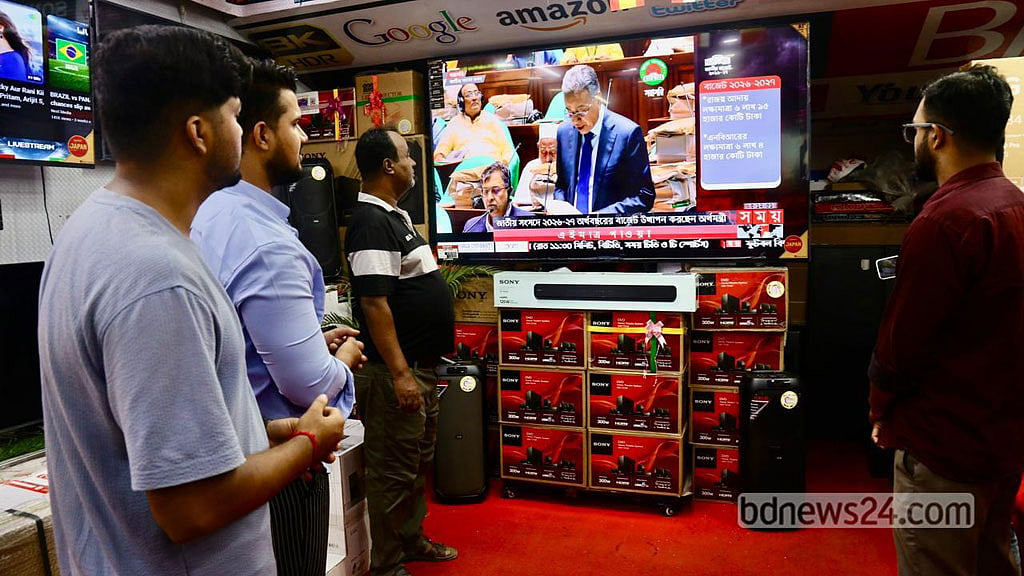
The policy feedback followed the budget presentation by Finance Minister Amir Khosru Mahmud Chowdhury in parliament, marking the first fiscal layout by the BNP government since returning to power after nearly two decades.
Welcoming the government's strategic "3R" framework of recovery, restoration and reconstruction, the chamber described the Finance Bill as a “positive, progressive and business-friendly initiative that reflects a clear commitment to improving the investment environment through greater clarity, simplification, predictability and digitalisation in tax, VAT and customs systems”.
The organisation said its emphasis on deregulation and technology-driven reforms is expected to strengthen investor confidence and support trade, investment and sustainable economic growth.
According to the FICCI, the decision to treat tax deducted at source (TDS) as an advance tax rather than a minimum tax will ease pressure on business working capital.
It also said the proposed automated and faceless tax refund system would help companies maintain cash flow.
The chamber believes allowing VAT returns to be filed quarterly instead of monthly will reduce administrative costs for businesses.
It also said proposals to lower source tax on raw material imports, interest on foreign loans and machinery rentals would help reduce production costs.
While corporate tax rates remain unchanged, the FICCI expressed concern that the absence of a long-term tax reduction roadmap could leave Bangladesh at a disadvantage in attracting foreign direct investment compared with regional competitors.
The organisation also warned that making e-VAT mandatory for large and multinational taxpayers without adequate preparation could create “serious” operational difficulties.
The FICCI said raising the top personal income tax rate to 35 percent would increase the cost of hiring skilled foreign professionals. It also recommended withdrawing the proposed requirement of collecting 0.2 percent advance income tax at the retail level.
On the broader fiscal framework, the chamber described the Tk 9.38 trillion expenditure target and Tk 6.95 trillion revenue goal as highly ambitious, saying success would require expanding the tax base and bringing more taxpayers into the revenue system.