Published : 15 Aug 2023, 01:19 PM
Updated : 15 Aug 2023, 01:19 PM


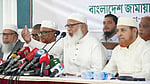
Jamaat-e-Islami has proved once again that the party has not changed its character, by attacking law enforcers on Tuesday, police said.
The party will be denied permission to hold the funeral prayers for its leader Delwar Hossain Sayedee in Dhaka on Wednesday, said Khandker Golam Faruq, commissioner of Dhaka Metropolitan Police.
Sayedee died on Monday night after suffering cardiac arrest at Bangabandhu Sheikh Mujib Medical University.
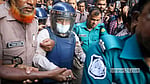
After the conclusion of a prayer session, and while his body was being taken away from the hospital at around 2:15 am, thousands of activists lay down in front of the vehicle and attacked the police, Faruq said.
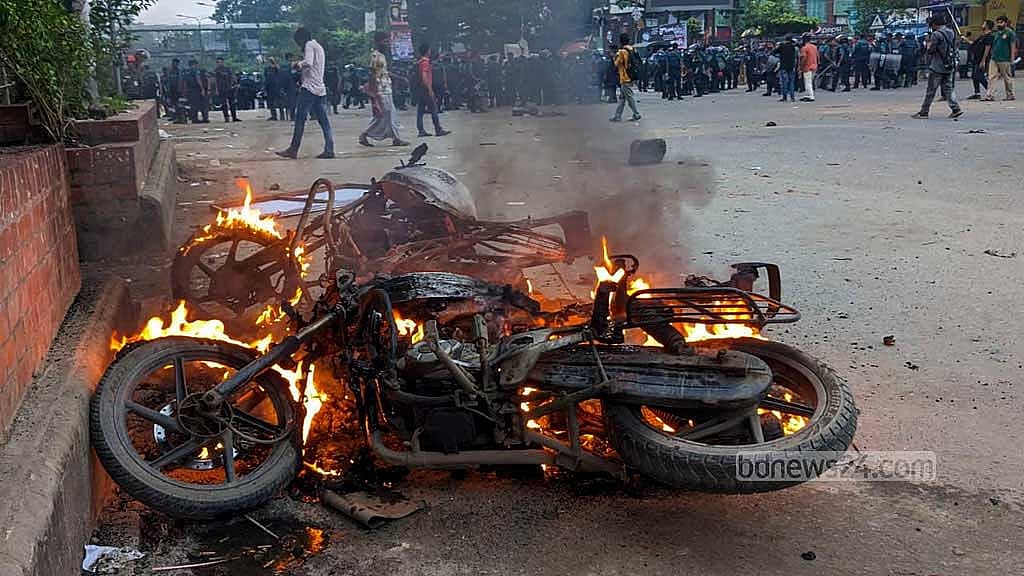
Several policemen were injured and two motorcycles were set on fire.
Faruq said that the jail authorities called a magistrate for the post-mortem. The magistrate prepared a report and took the initiative to send the body to Dhaka Medical College morgue for autopsy.
In the meantime, thousands of leaders and activists of Jamaat arrived at the hospital and its surrounding areas, he said.
Arrangements were also made when Sayedee's sons wanted to take the body away without conducting a post-mortem, but the activists present at the scene did not want his body to be removed without funeral prayers.
Jamaat activists asked the police to hold the body at the hospital until a funeral service could be arranged. However, the two sons of Sayedee had asked the police to take his body to his birthplace in Pirojpur and the law enforcers were preparing and making arrangements accordingly. Police told the activists to conduct a prayer service immediately, but they declined to do so.
When the body departed the hospital, Jamaat and Sayedee’s relatives worked themselves into a frenzy of rage.
Activists called for a protest at Shahbagh after Fazr prayers. They were later driven away by the police and the body was sent to Pirojpur, he said.
Sayedee came to prominence during the Liberation War in 1971 and went on to lead the local Razakar units on a number of raids, the International Crime Tribunal said in its verdict.
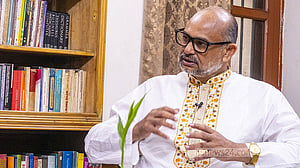
He was the Nayeb-e-Amir, or the deputy to the chief, of Jamaat. He was popular among Jamaat supporters for his Islamist lectures.