Home
+
Published : 24 Jan 2016, 09:32 PM
An enquiry revealed that all of them were born premature and in the hands of unskilled traditional birth attendants, a practice which is common in Bangladesh.
Local administrators met in Tangail to find a way out. Their goal was to reduce home delivery and establish a referral system to deal with complicated cases at facilities.
One officer at the civil surgeon’s office came up with an idea of introducing a ‘referral slip’ which would be provided to pregnant mothers and health workers of the respective areas.
The slip would also be pasted on the doors of pregnant mothers, so that their house could be easily spotted. All agreed. The local chairman immediately supplied 10,000 slips.
Officials say from then on, with delivery facilities being properly provided, the rate of maternal and infant deaths has been decreasing in that area.
This was possible with a “small change” which needed no big investments or high level approval, a concept called ‘Kaizen’ in Japan.
‘Kai’ means ‘change’ and ‘zen’ means ‘better’. Since 2013, the government’s Ministry of Public Administration has been spreading this concept with Japan’s development arm JICA’s support to enhance public services.
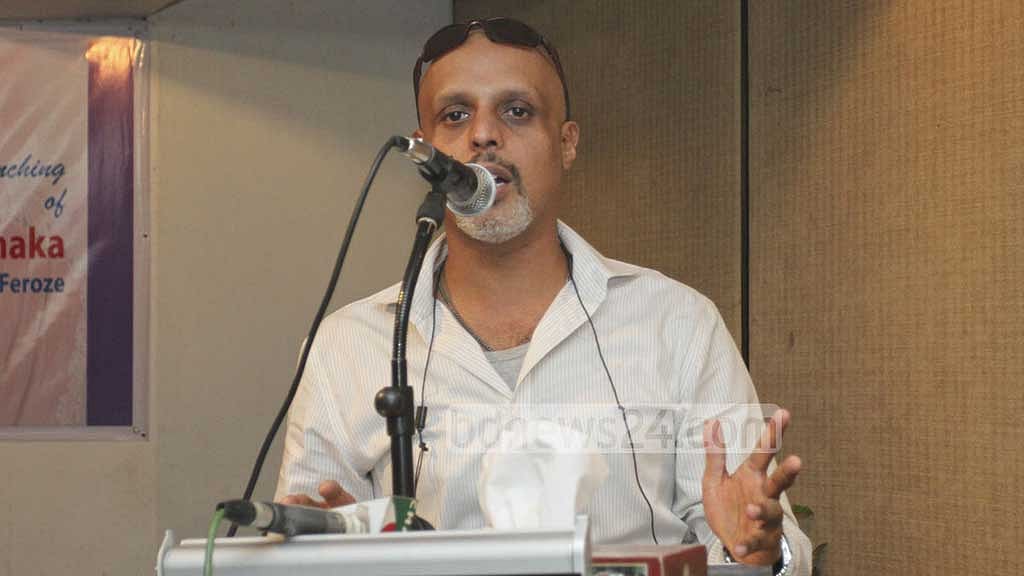
“We tell our officers at district and upazilla levels that this ‘change for the better’ is possible with existing resources,” Md Zaydul Hoque Molla, an additional secretary of the government, told bdnews24.com.
He is the Project Director of Improving Public Services through the Total Quality Management project with a focus on Kaizen.
So far, over 4,000 small improvements have been seen in 21 districts. Efforts are on to take the concept across Bangladesh.
Some of the best practices will be presented on Monday at the national kaizen convention in Dhaka. Minister for Public Administration is expected to be the chief guest at the event at Hotel Sonargoan. bdnews24.com is the media partner.
Team Leader of the Project Yojiro Fujiwara, explaining the concept, told bdnews24.com that public service providers face two difficulties – one is the increasing demand from citizens and the other is a lack of resources for public service providers.
“That’s why public service providers have to do more with less. Kaizen is for continuous organisational improvement.
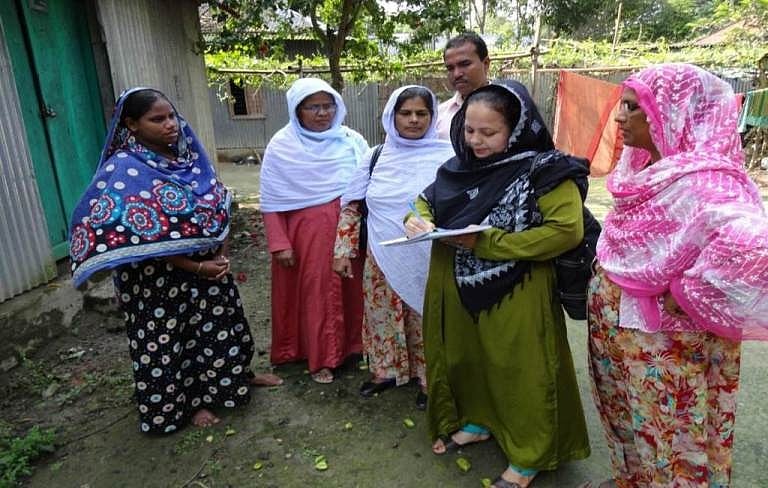
Project director Molla said their aim was to make this “a habit” in public service.
“We individually make many efforts to improve services. But we are promoting Kaizen as a concept with an aim that one day it will become a habit”.
“The ultimate goal is to turn it into a work culture,” he said.
District administrators are first trained so that they can inspire their upazilla officials of the 24 government departments.
Each department is encouraged to implement Kaizen in their own workplace -- at least one project in one year.
On Monday’s convention, those who performed best will be awarded for their dedication. Launching of this ‘one year, one project’ initiative across Bangladesh will also take place.
The Tangail case, which has been recorded as one of the best examples by the project was simple.
First the idea of the referral slip was developed. Then they printed the slip with the funds raised from local leaders.
They distributed the referral slip copies and provided support for its institutional distribution. They continued the referral slip distribution and extended the activities over the whole district.
JICA said the slip delivery system has been updated since then and awareness on the issues among people has been increased.
Kaizen aims “to remove all wastage like time, money, material, and movement; remove strains and work smarter and easier; and remove errors to do the right thing at the right time”.