Published : 14 Apr 2026, 07:48 AM
Updated : 21 Aug 2026, 03:36 PM


Baishakh: A Nation in Rhythm
Subtle political undercurrent: Beyond festivity, the New Year carries a quiet but visible political tone, with calls for human-centred values and renewed democratic aspirations shaping parts of the national mood.
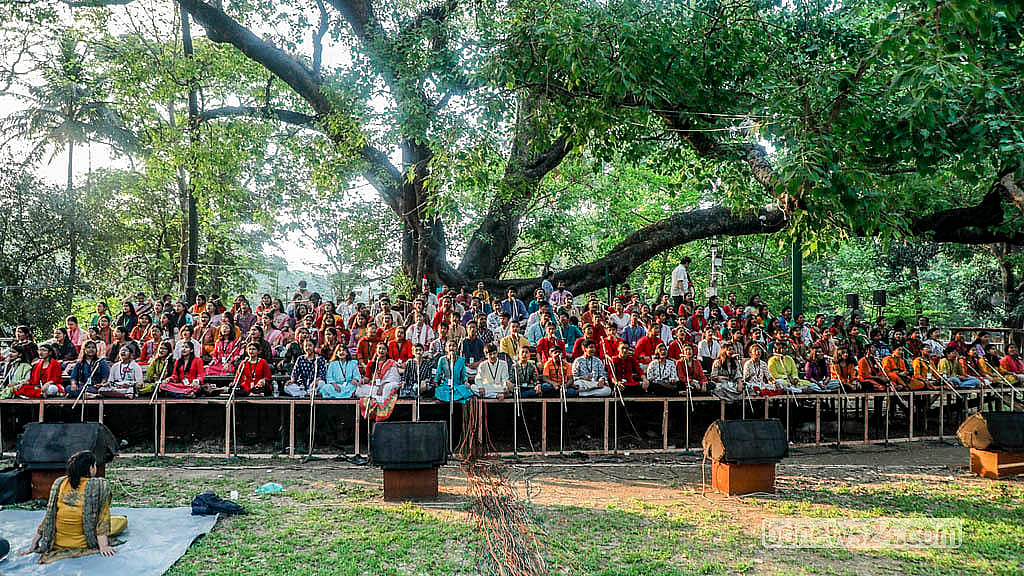
Chhayanaut sets cultural tone: At Ramna Botomul, Chhayanaut leads Dhaka’s signature dawn event with around 200 artistes, weaving music, poetry and heritage into a nationally broadcast celebration.
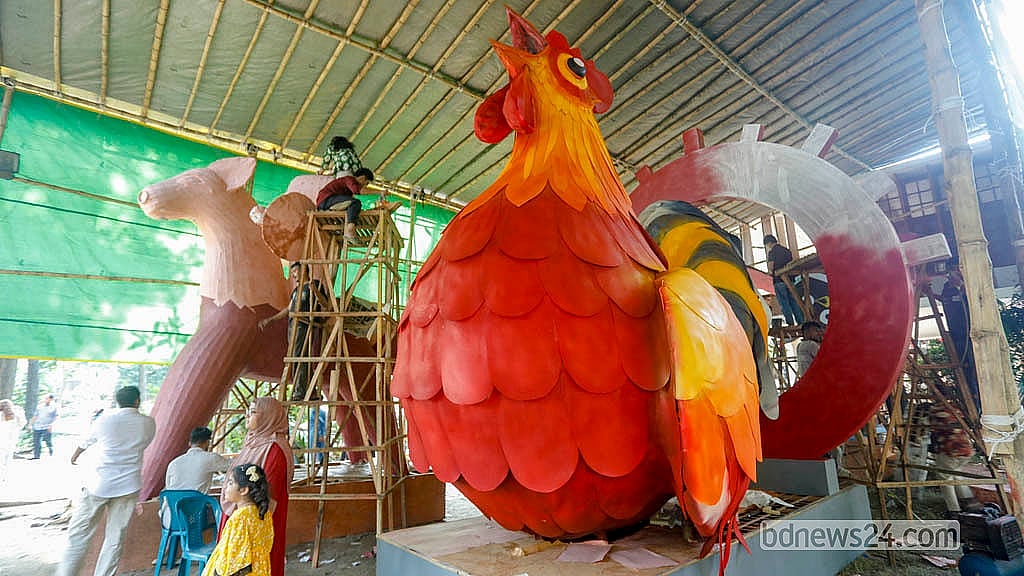
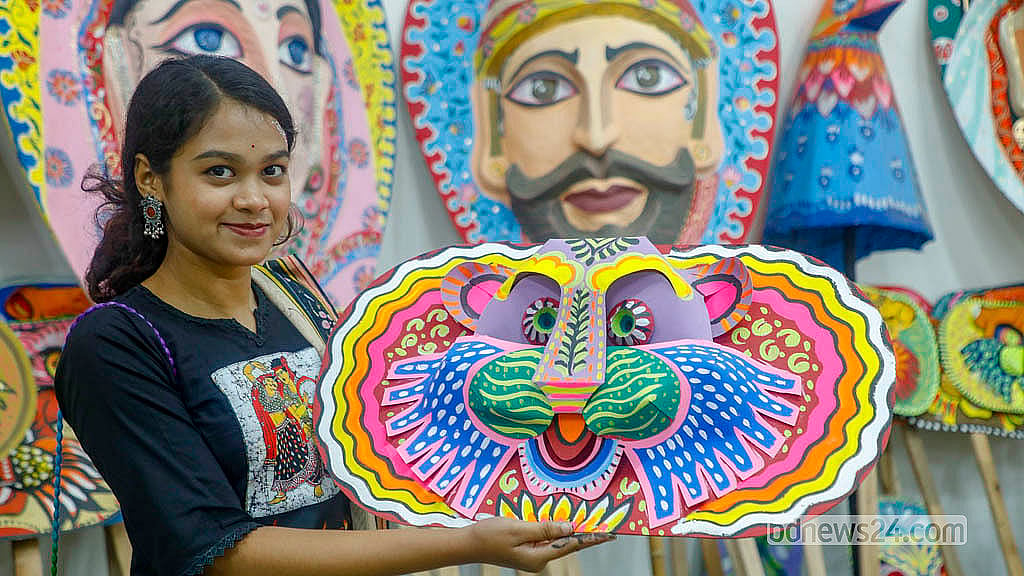
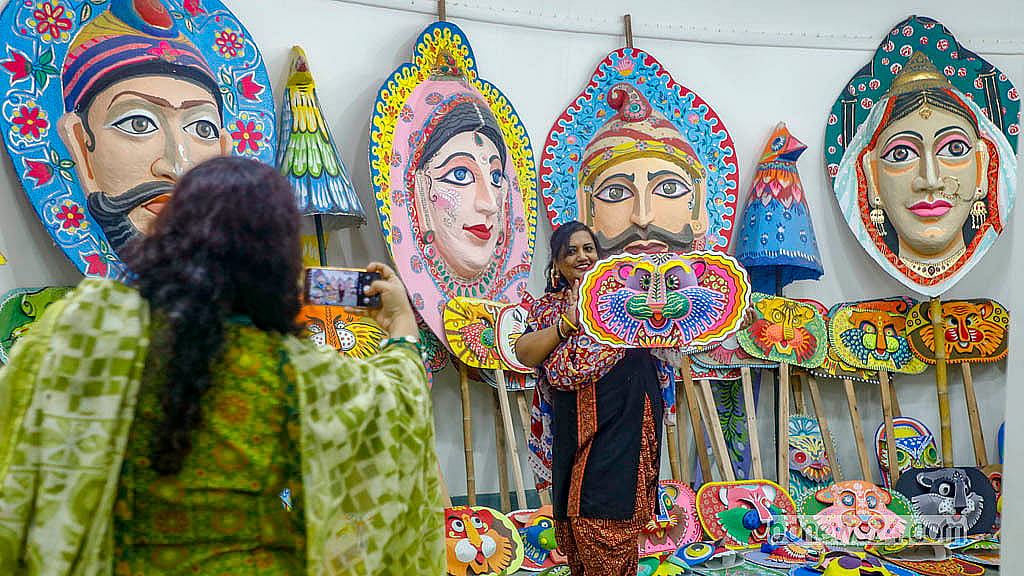
Shobhajatra reimagined: The Faculty of Fine Arts procession continues its iconic journey under the name “Baishakhi Shobhajatra”, featuring symbolic motifs framed by the theme “Harmony of the New Year, Revival of Democracy”.
As the last light of Chaitra fades, millions of Bengalis wait for the dawn of Baishakh.
Before the first note is sung at Ramna, before the “Baishaki Shobhajatra” procession moves through Dhaka, before the nation greets its new year, there is only anticipation -- heavy with history, and light with hope.
From the rolling hills to the bustling urban centres, the nation stands poised on the threshold of Bengali Year 1433 -- a season heralded by the promise of rebirth, moral purpose, and collective awakening.
On the first morning of the Bengali New Year, the air will be filled with the call to abandon grief, bitterness and imperfection, and join in the chorus of liberation -- “Eso He Baishakh, Eso Eso...”.
The celebrations carry an added political undertone. Alongside the traditional festivities will be a reaffirmation of human-centred values and, in several events, a call for the “restoration of democracy”, reflecting the country’s evolving political moment.
A Tapestry of National Celebration
Cultural institutions across Bangladesh are preparing extensive events. Shilpakala Academy, Chhayanaut, the Liberation War Museum and numerous organisations will host events marking the New Year.
In Brahmanbaria, the Literary Academy continues a four-decade tradition of organising its Baishakhi fair, while Chattogram, Jashore and other regions will also stage wide-ranging festivities.
President Mohammed Shahabuddin and Prime Minister Tarique Rahman have extended greetings to the nation, expressing aspirations for a peaceful and prosperous future.
In a notable move, the premier has chosen Baishakh to inaugurate the government’s “Farmer Card” distribution initiative in Tangail’s Shaheed Maruf Stadium on Tuesday morning.
Under the initiative, 20,671 landless, marginal and small farmers will receive cards entitling them to annual support of Tk 2,500 along with additional benefits.
From Chaitra’s Farewells to Baishakh’s Promise
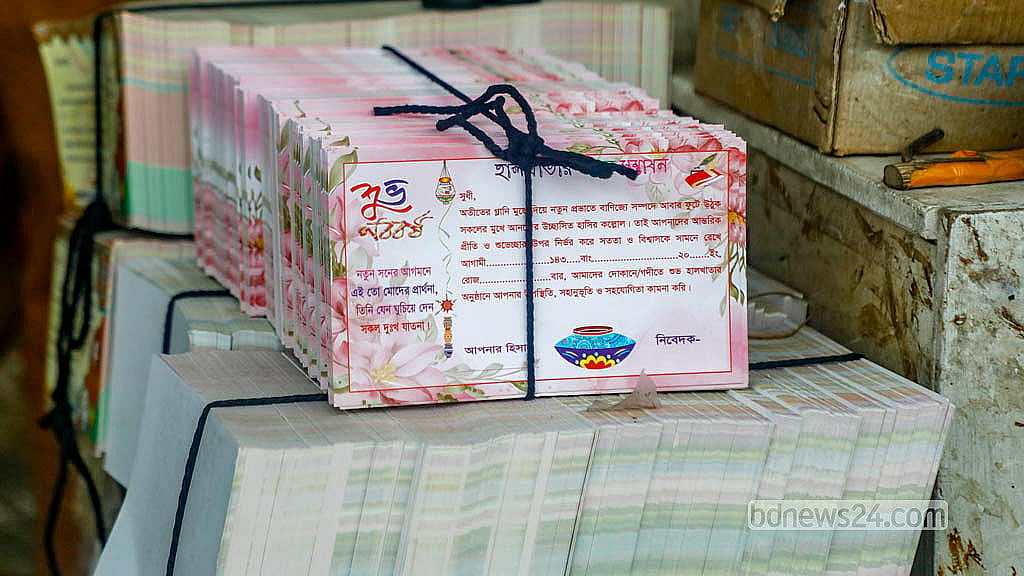
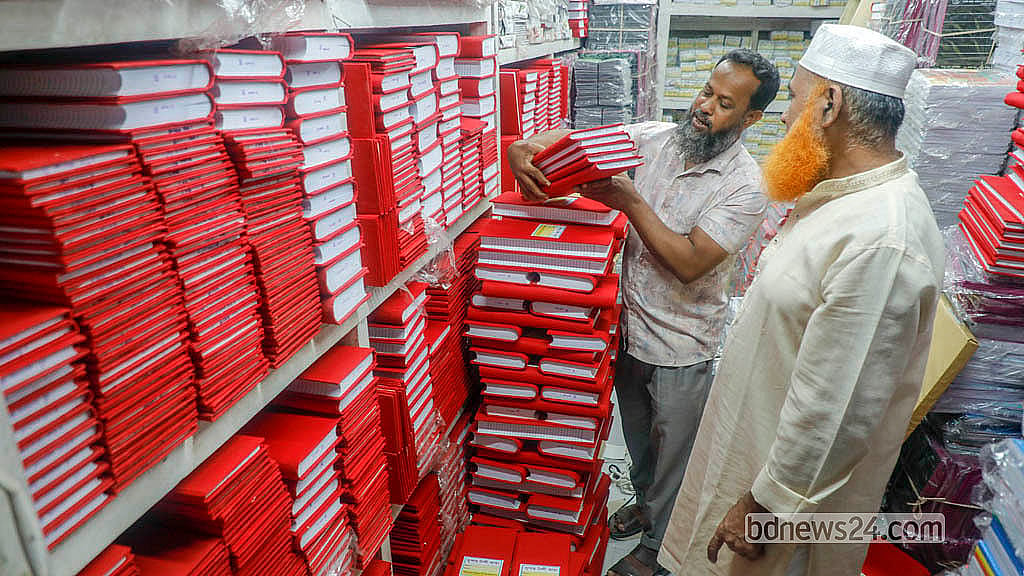
The transition from Chaitra to Baishakh remains more than a change of calendar -- it is a cultural passage. The traditional “Halkhata” ritual closes old accounts, while Rabindranath Tagore’s timeless lyrics carry the hope that Baishakh’s storms will sweep away accumulated debris, purifying life itself.
From the studios of the Faculty of Fine Arts to the archives of Bangla Academy, Chaitra Sankranti wove together performance and prayer, bringing 1432 to a resonant, reflective close.
Historically, Baishakh began as an agrarian and fiscal marker, later evolving into a powerful cultural and political symbol.
During Pakistan’s rule, when Bengali identity faced suppression and Tagore’s songs were banned under Field Marshal Mohammad Ayub Khan, Pahela Baishakh became a quiet but defiant assertion of cultural existence.
That spirit later fed into the broader struggle for independence and the birth of Bangladesh.
Even after independence, the festival has remained a reminder of secular ideals and collective identity -- so much so that attempts to undermine it have repeatedly met resistance.
Chhayanaut: ‘Opening the Gates of light’
At the heart of Dhaka’s celebrations, Chhayanaut once again prepares to usher in the New Year at Ramna Botomul.
“We want to practise culture freely,” said Chhayanaut General Secretary Laisa Ahmed Lisa.
“We hope that all fear, uncertainty and anxiety in the world come to an end, and that humanity finds peace, harmony and well-being. Let humanity, unity, equality and coexistence bloom across the world. Let us open the gates of darkness and journey towards light.”
She added, “With the words of Tagore -- ‘Where the mind is without fear, and the head is held high’ -- lies the victory of Bengalis. Let us become more human-centred by removing the debris of the past year.”
Founded in the 1960s, Chhayanaut’s Ramna celebrations have endured political turbulence, censorship and violence. The tradition, which began in 1967, has been held every year except during wartime and the pandemic years, when it went virtual.
This year’s event will feature eight group songs, 14 solo performances and two recitations, performed by around 200 artistes.
The repertoire will blend nature, patriotism and folk traditions, alongside tributes to composers Salil Chowdhury and Motlub Ali.
The two-hour event will be broadcast live across multiple television channels and digital platforms.
A Tradition Shaped by Resilience
Since its inception, Ramna’s Baishakh celebration has become a defining feature of Bengali cultural identity.
Despite disruptions -- including a deadly bomb attack in 2001 that killed 10 people -- the event has continued under heightened security.
The fine arts faculty’s Baishakhi procession, now a UNESCO-recognised cultural heritage, also returns under a new name this year: “Baishakhi Shobhajatra”.
The theme, “Harmony of the New Year, Revival of Democracy”, reflects both cultural symbolism and contemporary political discourse.
This year’s motifs include a rooster, elephant, dove, string instrument and horse, alongside illustrated scrolls depicting the Sundarbans’ guardian Bonobibi, Mughal Emperor Akbar, the Liberation War and anti-autocracy movements, folk art traditions, and the figure of Behula from Bengali mythology.
Voices, Debates and Parallel Traditions
While official celebrations proceed across the capital, alternative cultural groups are also organising events under the banner of “Mangal Shobhajatra” in Dhanmondi, alongside theatrical performances at the Shilpakala Academy.
A theatre group will stage Rabindranath Tagore’s “Chitrangada” twice on Pahela Baishakh, continuing the tradition of linking performance arts with the New Year.
Across the Nation
From fairs to exhibitions, Baishakh will be marked nationwide.
The government has directed that celebrations begin with the national anthem and “Eso He Baishakh”, with broadcasts across television and radio networks.
Museums, archaeological sites and cultural venues will remain open, while prisons, hospitals and children’s homes will serve traditional meals and host cultural events.
Districts and Upazilas will organise processions, fairs and competitions, with schools also participating in festivities.
Hotels and clubs are set to host special events, and medical and sanitation facilities will be deployed around major venues such as Ramna Park and Suhrawardy Udyan.
All public events are scheduled to conclude by 6pm, with strict security guidelines in place, including bans on masks, sharp objects, fireworks and loud devices.
A Message from the State
In separate messages, the president and premier extended greetings to citizens at home and abroad.
Shahabuddin described Baishakh as a symbol of unity and secularism, urging collective effort to overcome global challenges and build a humane society free from sorrow and inequality.
Tarique highlighted the cultural and agricultural roots of the festival, noting its deep ties to farming cycles, folk traditions and economic life. He said the newly launched farmers’ card initiative could play a transformative role in rural livelihoods.
Both leaders called for harmony, tolerance and collective well-being in a world facing uncertainty.