Published : 23 Jun 2026, 12:10 AM
Updated : 08 Sep 2026, 09:17 AM


Prime Minister Tarique Rahman has received a warm welcome in Malaysia during his first foreign visit since taking office, but the key question remains: what did Bangladesh gain from the trip?
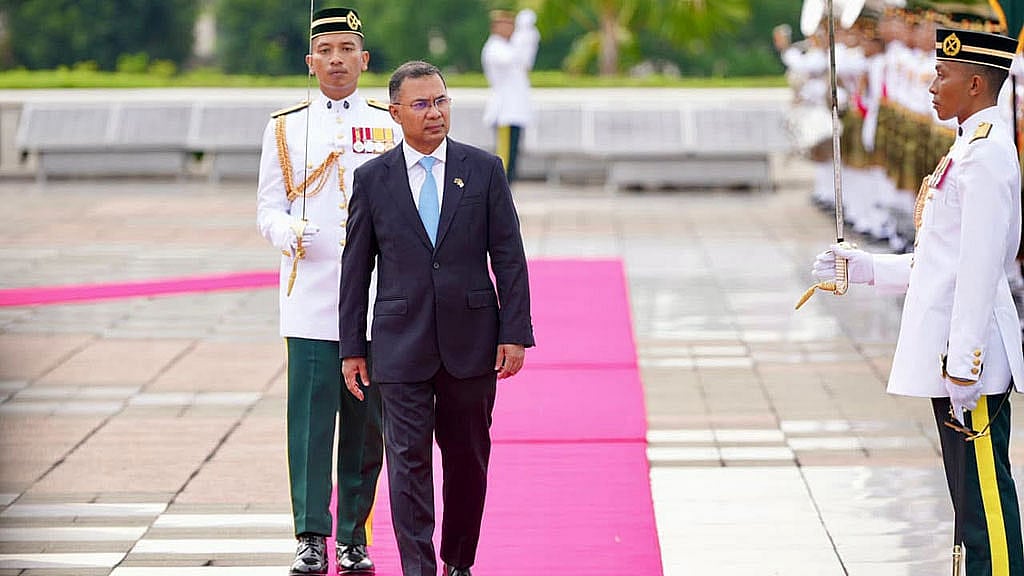
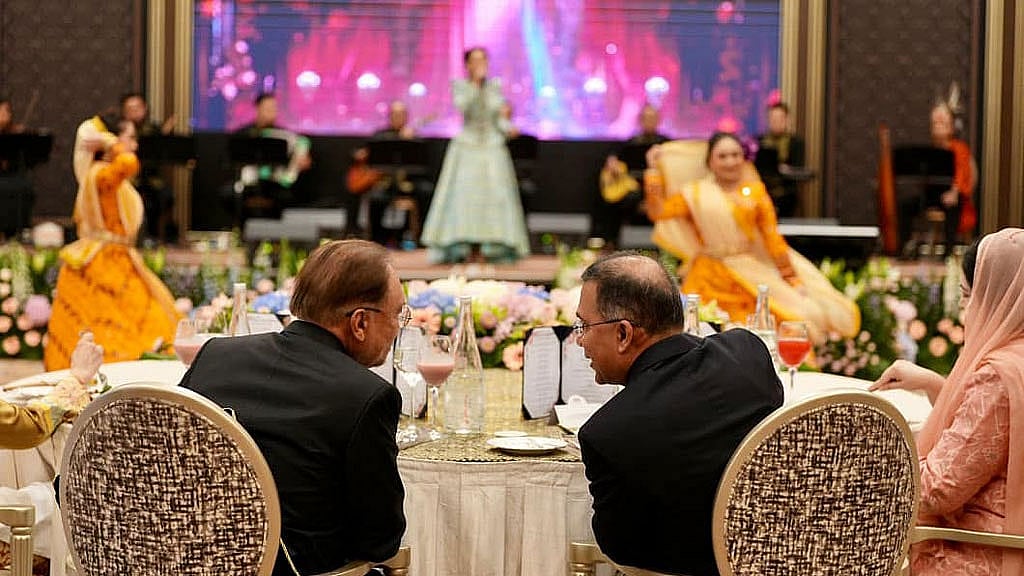
Tarique and his wife Zubaida Rahman were accorded a red-carpet reception at the Malaysian Prime Minister’s Office Perdana Putra in Putrajaya on Monday morning.
They were welcomed by Tarique’s Malaysian counterpart Anwar Ibrahim and his wife Wan Azizah Wan Ismail.
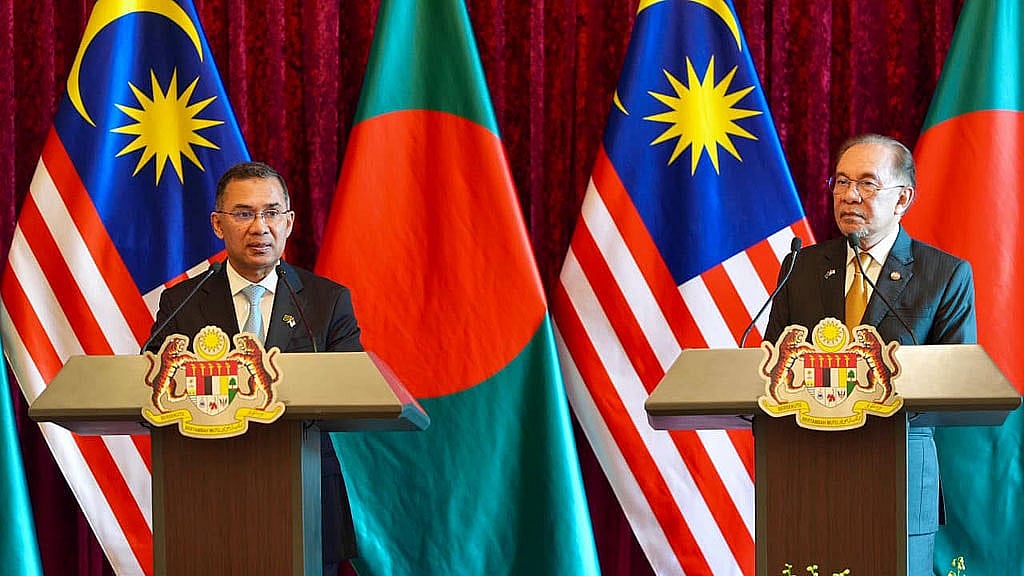
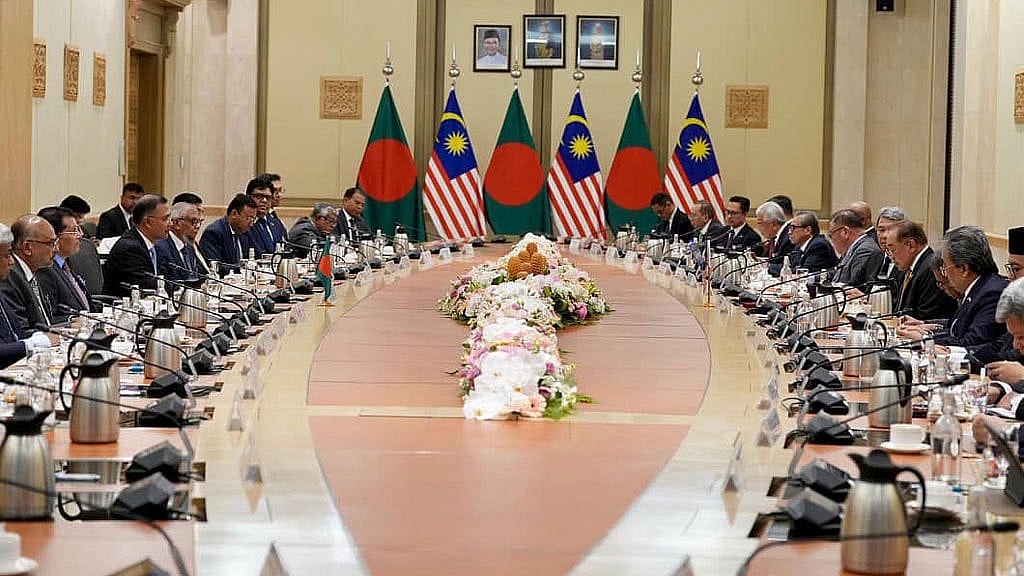
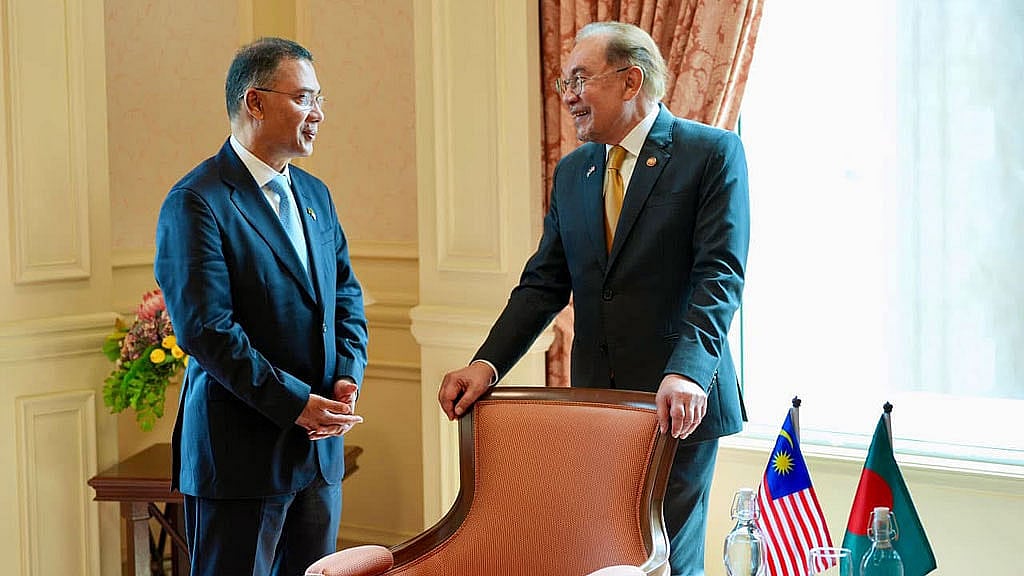
Following the reception, the two leaders held a one-on-one meeting before leading their respective delegations in bilateral talks focused on expanding cooperation across a range of sectors.
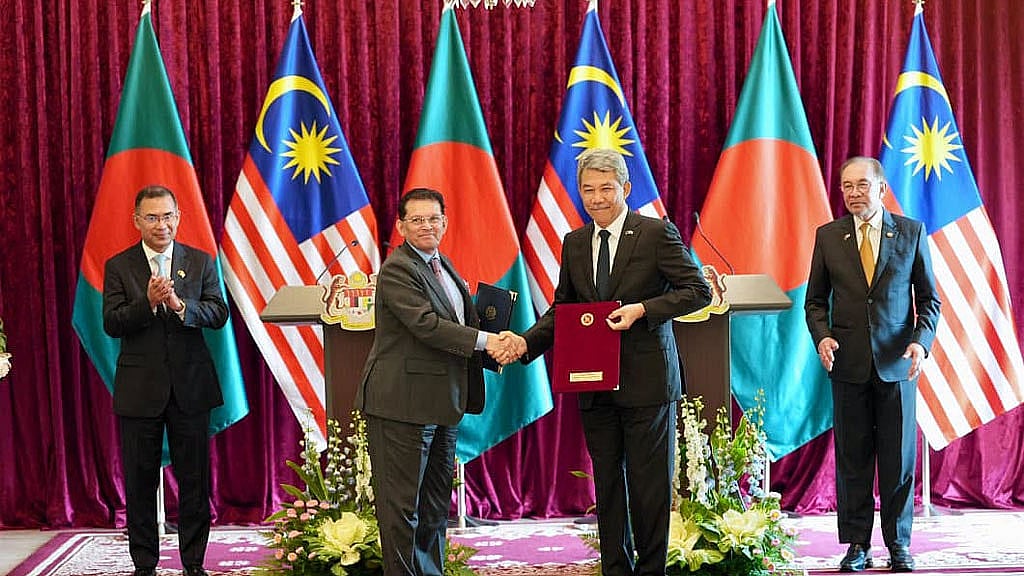
After the meeting, Bangladesh and Malaysia signed a memorandum of understanding on cultural cooperation.
The two countries also exchanged two bilateral documents on cooperation in counter-terrorism research and capacity building, and on investment-related matters.
However, discussions on labour exports and a future free trade agreement were seen as the most significant outcomes of the visit, although no major breakthrough was announced.
Labour Exports
Tarique urged Anwar to recruit more Bangladeshi workers and to reopen Malaysia’s labour market to Bangladeshis as quickly as possible.
He also raised the issues of regularising undocumented Bangladeshi workers and the possible repatriation of detained Bangladeshis.
Anwar said Malaysia requires foreign workers, but stressed that the protection of workers and their families was equally important.
He noted that the sector has faced considerable controversy and concern, particularly regarding humanitarian issues and the treatment of migrant workers.
The Malaysian premier said exploitation, mistreatment and the use of workers solely for personal gain were practices that could not be accepted.
A joint statement issued after the meeting said both sides emphasised making the worker recruitment process transparent, fair, non-discriminatory, affordable and competitive.
The two countries also agreed to convene a meeting of the Joint Working Group (JWG) to ensure continued, safe and mutually beneficial migration of Bangladeshi workers to Malaysia.
The JWG will also prepare a draft for a new memorandum of understanding on worker recruitment.
Free Trade Agreement
Another major focus of the bilateral talks was the proposed Malaysia-Bangladesh Free Trade Agreement (MBFTA).
Noting that Bangladesh is Malaysia’s second-largest trading partner in South Asia, both sides stressed the importance of expanding bilateral trade and investment.
The two countries agreed to advance negotiations with the goal of reaching a mutually beneficial free trade agreement by 2027.
According to the statement, the two premiers welcomed progress towards establishing the Malaysia-Bangladesh Joint Business Council (JBC).
They expressed hope that the council would strengthen private-sector cooperation and help expand bilateral economic, trade and investment relations.
The statement said both sides emphasised trade, investment and sustainable economic partnership during the discussions.
To support that goal, they agreed to deepen cooperation in priority sectors including telecommunications, energy, infrastructure, ports and logistics, the halal industry, agro-processing, education and skills development, the digital economy, semiconductors, smart manufacturing and other high-value industries.
Energy Sector Investment
Bangladesh pushed for deeper cooperation in the energy sector, with both sides emphasising full utilisation of the existing memorandum of understanding between state-owned companies Petronas and Petrobangla on LNG supply and infrastructure development.
Dhaka also invited Malaysian firms to invest in offshore oil and gas exploration in the Bay of Bengal, mineral extraction, and renewable energy projects, while both sides agreed to strengthen links between national energy companies and private-sector stakeholders.
Halal Industry Collaboration
Bangladesh praised Malaysia’s expertise in developing a robust halal ecosystem, while Kuala Lumpur pledged greater support for the growth of Bangladesh’s halal sector.
The two sides discussed expanding cooperation on halal certification, regulatory frameworks, capacity building, research, innovation and institutional development, building on existing collaboration between Malaysia’s Islamic Development Department (JAKIM) and Bangladeshi regulators.
Digital Economy and Semiconductors
The leaders agreed to deepen cooperation in emerging technologies, including artificial intelligence, fintech, cybersecurity, digital governance and the wider digital economy.
Malaysia’s experience in digital transformation is expected to support Bangladesh’s capacity-building efforts, while opportunities for Malaysian investment in technology parks, digital public infrastructure and special economic zones were also explored.
The two countries also agreed to link Malaysia’s semiconductor expertise with Bangladesh’s rapidly growing IT and engineering sectors and discussed a framework for talent exchange and skills cooperation.
Education and Tourism
Education and tourism featured prominently in the talks, with both sides agreeing to promote university partnerships, joint research initiatives and greater academic collaboration.
The leaders also committed to strengthening tourism promotion and cultural exchanges between the two countries.
Defence and Security Framework
Bangladesh and Malaysia pledged to fully implement their existing defence cooperation framework covering military science, technical expertise and defence industry partnerships.
The two sides agreed to convene a bilateral joint committee to prepare a structured defence cooperation roadmap and reaffirmed support for joint exercises, pre-deployment training and knowledge-sharing in UN peacekeeping operations.
They also committed to strengthening cooperation against terrorism and violent extremism through intelligence-sharing, capacity-building initiatives, training and exchanges of best practices.
Regional and Multilateral Cooperation
Malaysia reiterated support for Bangladesh’s aspiration to become an Association of Southeast Asian Nations (ASEAN) Sectoral Dialogue Partner, a longstanding foreign policy objective for Dhaka.
Tarique raised the issue during talks, while Anwar welcomed Bangladesh’s interest and expressed readiness to support its aspirations within the ASEAN framework.
The leaders also discussed using ASEAN mechanisms to advance efforts towards a durable solution to the Rohingya crisis.
Malaysia Reaffirms Backing For Rohingya Repatriation
Kuala Lumpur renewed its support for Bangladesh’s efforts to ensure the safe, dignified and sustainable repatriation of displaced Rohingya people to Myanmar.
Bangladesh, in turn, thanked Malaysia for its continued support on the issue in ASEAN, the Organisation of Islamic Cooperation (OIC), the United Nations and other international forums.
Shared Stance on West Asia Peace
The two leaders also exchanged views on developments in West Asia.
According to the statement, they reaffirmed support for a just and lasting peace for the Palestinian people and backed dialogue and diplomatic efforts aimed at achieving sustainable peace in the region.