Published : 26 Jul 2025, 10:37 PM
Updated : 28 Aug 2026, 01:23 AM


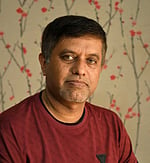
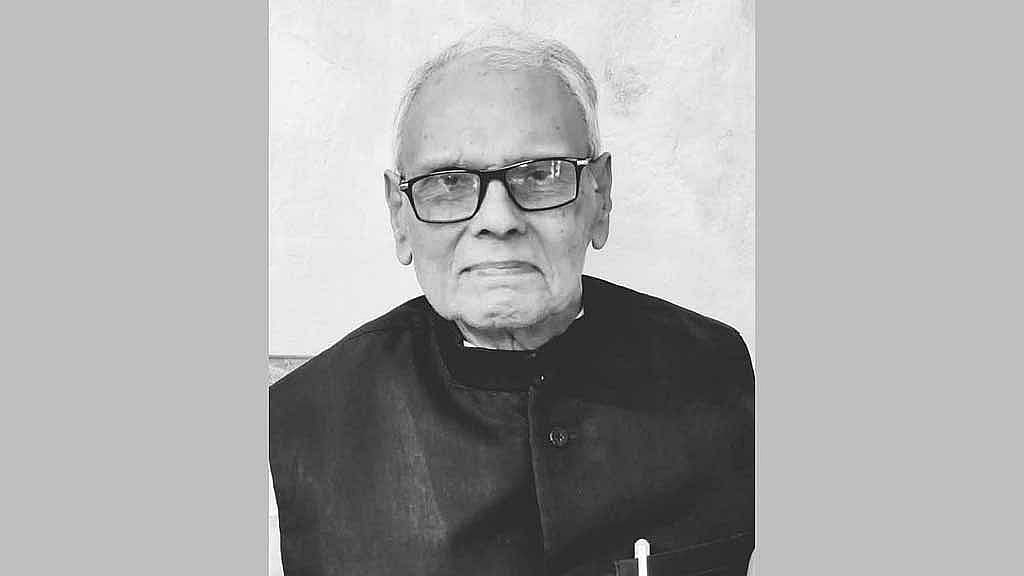
Sheikh Ohidur Rahman, commander of the “Ohidur Bahini” guerrilla force during Bangladesh's Liberation War, has died at the age of 81.
The former Naogaon-6 MP passed away during treatment in a Dhaka hospital around 9:40am on Saturday, according to his son Omar Faruk Suman.
He was suffering from age-related ailments.
Suman said his father's first funeral prayer will be held on Saturday evening at Nawjowan field in Naogaon town. Another funeral prayer will take place on Sunday at 10am in Rasulpur village in Naogaon's Atrai Upazila. He will then be laid to rest at the family graveyard.
Born in 1943 in Atrai Upazila, Ohidur formed a large guerrilla force of over 2,000 freedom fighters during the 1971 Liberation War, covering vast swathes of Naogaon, Rajshahi, and Natore. The force became known as the “Ohidur Bahini”.
A leader of the Communist Party of East Bengal, Ohidur was also a founding member of the Revolutionary Communist League of Bangladesh and general secretary of the Communist League in the then-undivided Rajshahi district.
He served as vice-president of the central committee of the Bangladesh Krishak Samity and general secretary of the Bangladesh Sugarcane Farmers Federation.
Shafiqul Islam, general secretary of the Communist Party’s Naogaon district branch, said Ohidur was known locally as the “Atraier Lal Surjo” (Red Sun of Atrai) for his courage and leadership.
In 1965, he was treasurer of the Rajshahi district committee of the Students' Union. He earned a Master’s degree in political science from Rajshahi University in 1968.
Ohidur was elected chairman of Shahagola Union Parishad in 1983. In 1986, he was elected to the third Jatiya Sangsad from Naogaon-6 and joined the Communist Party.
In 1989, he became the party’s Naogaon district general secretary and was later co-opted into the central committee. In 1990, he was elected chairman of Atrai Upazila Parishad.
He joined the Awami League on Jan 21, 1991. He is survived by two sons.
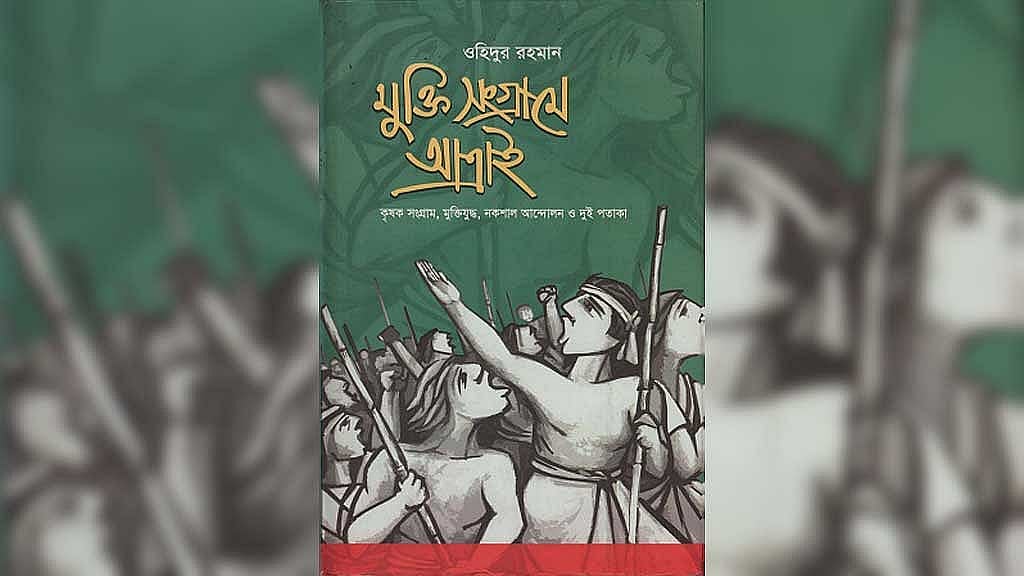
Among his key works is the book "Mukti Sangrame Atrai", considered an important account of the Liberation War in the Atrai region.