Published : 18 Jul 2026, 06:24 AM
Updated : 08 Sep 2026, 09:25 AM


Chasing Ghost Trails
Wild-goose chases: Inaccurate FIRs forced officers to search for shootings that never occurred, wasting months on fabricated crime scenes
Tricked for signatures? An injured survivor says he was deceived into filing a major case under the false promise of receiving government assistance
Widespread systemic errors: DMP analysis exposed dozens of Uprising cases plagued by entirely incorrect or unidentifiable incident locations
For months, police searched for a shooting that never happened.
Investigators questioned fruit sellers, shopkeepers and even vagrants in an alley beside Azad Products in Dhaka's Paltan, asking whether anyone had been shot there on Aug 4 last year. No one had seen anything.
The breakthrough came only after a third investigating officer discovered the problem was not the witnesses, but the case itself. The crime scene recorded in the first information report was wrong.
The finding has exposed a little-known obstacle in investigations into cases stemming from the July Uprising, where inaccurate FIRs have at times sent investigators to the wrong locations while the real trail lay elsewhere.
One such case involves July protester Shakil Molla, also known as Bappi.
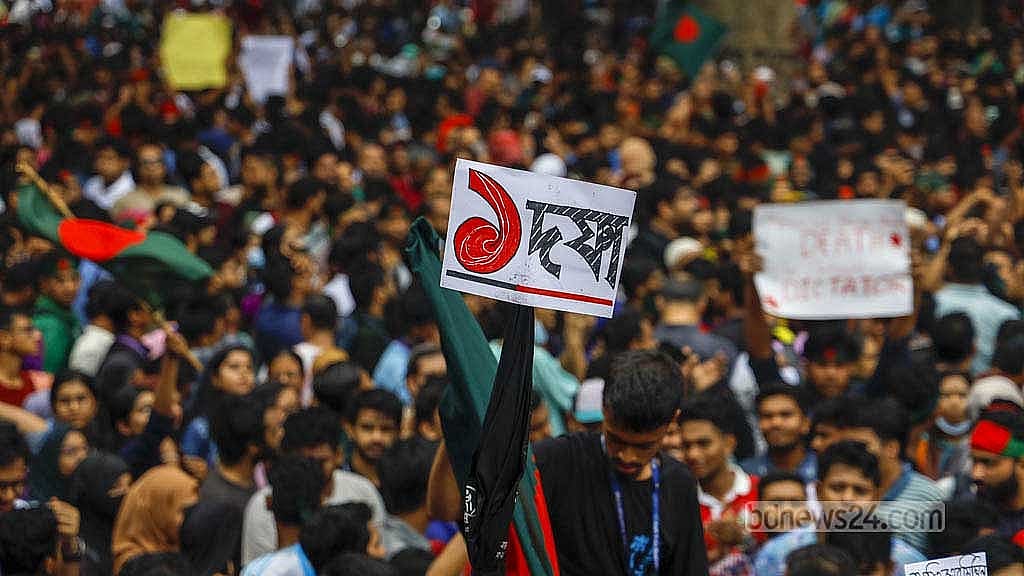
Shot in the chest on Aug 4, the day before Sheikh Hasina's government fell, he was treated at several hospitals in Dhaka and later included in the government's official gazette recognising those injured during the Uprising.
On May 6 this year, a case was filed in his name accusing 346 people, including fugitive former prime minister Hasina, senior Awami League leaders, local party figures and top police officials.
Yet, according to the investigation report submitted to court on Jun 30 by Paltan Model Police Sub-Inspector Md Atikuzzaman, Shakil told police he did not even know the case had been filed.
He said a close relative had promised to help him obtain government assistance for July protesters and took him to a lawyer, where he was asked to sign several documents before leaving. He only learned about the case after police began investigating.
Speaking to bdnews24.com, Shakil said the shooting took place beneath the new footbridge in front of Allah Karim Mosque near Mohammadpur Bus Stand -- not in Paltan, as stated in the FIR.
"I knew nothing about this case. Lawyer Rubel Bhuiyan made me sign papers after calling me with the promise of assistance," he said.
"Although my home is in Barishal, I live in Mohammadpur for work. I was shot in front of Allah Karim Mosque."
"When they called me, my physical condition was very bad. I had been shot and wasn't in any state to think things through."
The investigation reconstructed the incident through medical records, finding that protesters first rushed Shakil to Sikder Medical College Hospital before he was transferred to the Combined Military Hospital (CMH) for advanced treatment.
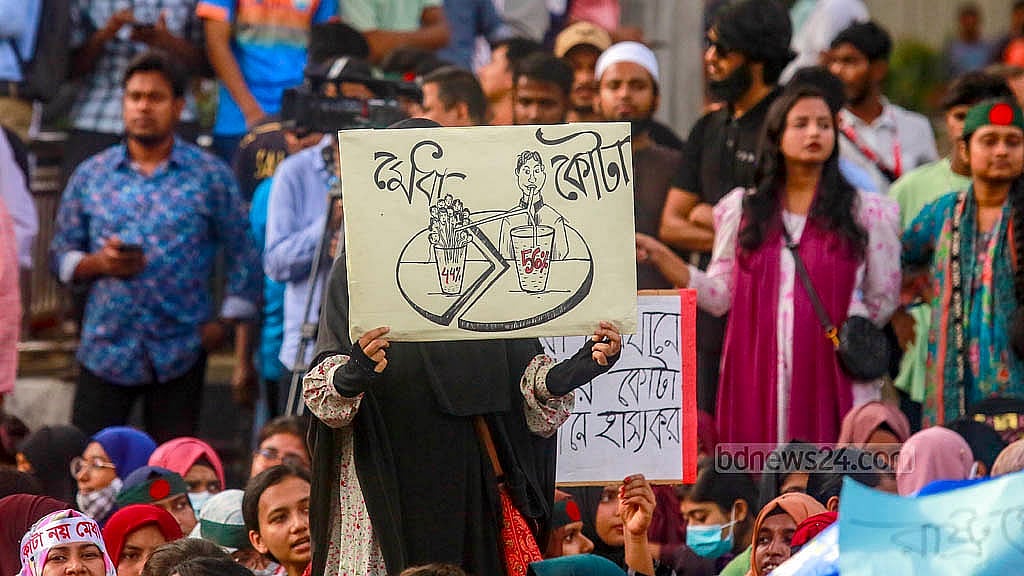
For investigators, the incorrect crime scene proved to be the biggest hurdle.
"Had the crime scene been correct, we could have completed the investigation without difficulty," SI Atikuzzaman told bdnews24.com.
"The shooting happened in Mohammadpur, but we spent our time verifying the incident in the Azad Products alley in Paltan."
"We asked everyone -- from fruit sellers to vagrants. Nobody knew anything. That's why the two officers before me couldn't solve the mystery."
Asked why the wrong location appeared in the case, the officer said: "According to his testimony, he didn't even know a case was being filed. The people who brought him there did this."
Lawyer Rubel acknowledged knowing about the case but declined to respond to the allegation.
"I do not know about this matter. So I do not want to speak with you about it at this moment."
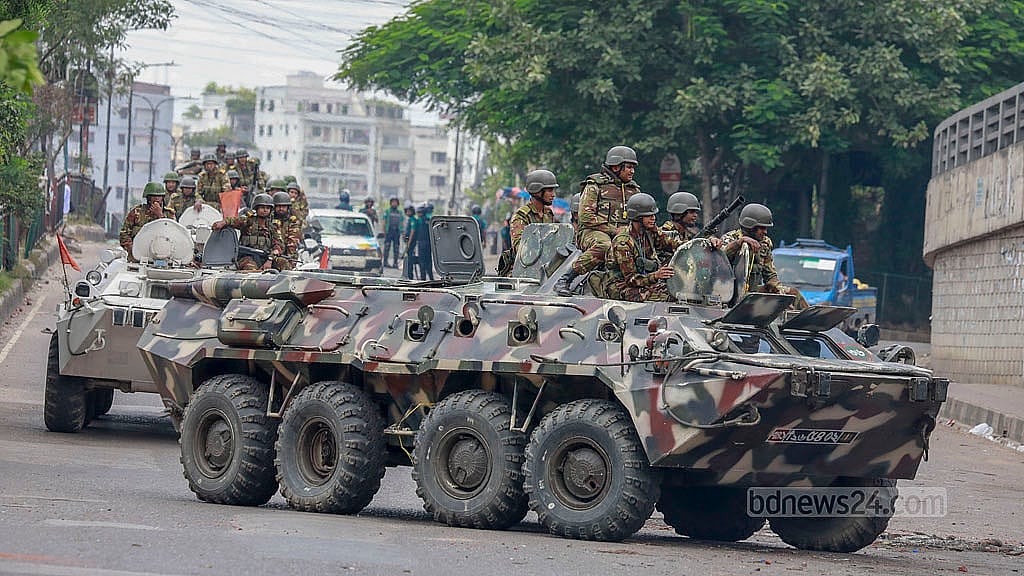
Shakil's case is not unique.
According to Dhaka Metropolitan Police data, 707 cases involving killings, attempted killings and other violence linked to the July Uprising were filed across 50 police stations in the capital.
Investigations into 126 are nearing completion, while final reports have been submitted in at least 21 cases.
An analysis of those investigations found 14 cases in which the crime scene recorded in the FIR was incorrect, including 12 at Paltan Police Station. Another 37 cases contained no identifiable crime scene at all.
Investigators say such errors have repeatedly stalled their work.
In another case filed at Paltan Police Station, Md Mobarak Hossain alleged he was shot during the quota reform protests. But investigating officer Md Nur Islam said he found no evidence supporting the stated location and received no response despite repeatedly asking the complainant and victim to meet investigators.
Mobarak's sister Khadija Islam said someone claiming to represent an organisation collected the family's documents while her brother was being treated at Dhaka Medical College Hospital.
"My brother was at Dhaka Medical. Someone came claiming to represent an organisation, gave us some money, collected our documents and filed the case. We don't know anything beyond that."
Former DMP Additional Commissioner (Crime and Operations) SN Md Nazrul Islam, now serving at the Criminal Investigation Department, acknowledged that incorrect crime scenes and cases filed in the wrong police jurisdictions had created confusion in the early stages of the investigations.
"The same incident was reported at multiple police stations... In some cases, the actual crime scene fell under one police station while the case was filed in another. Those have also been rectified in the interest of the investigations."
He said many of the inconsistencies stemmed from the chaotic flow of information immediately after the uprising and that most had since been corrected.
But for investigators chasing justice, every incorrect address has carried the same consequence: time lost following a trail that never existed while the real crime scene waited elsewhere.