Published : 04 Jul 2026, 05:01 AM
Updated : 08 Sep 2026, 09:21 AM


Summer of Shadows: Midnight Meltdown
Multi-pronged failure: A perfect storm of fuel deficits, financial strain and sudden plant faults crippled the power system in June
Overnight surge: Late-night World Cup matches and electric vehicle charging sent midnight power demand soaring past 17,000MW.
Paper capacity: Despite boasting nearly 30,000MW of installed capacity, fuel scarcity left half the nation's fleet idle
Public backlash: Severe load-shedding topping 3,400MW triggered widespread street protests and tense parliamentary scrutiny
The lights were still going out long after midnight.
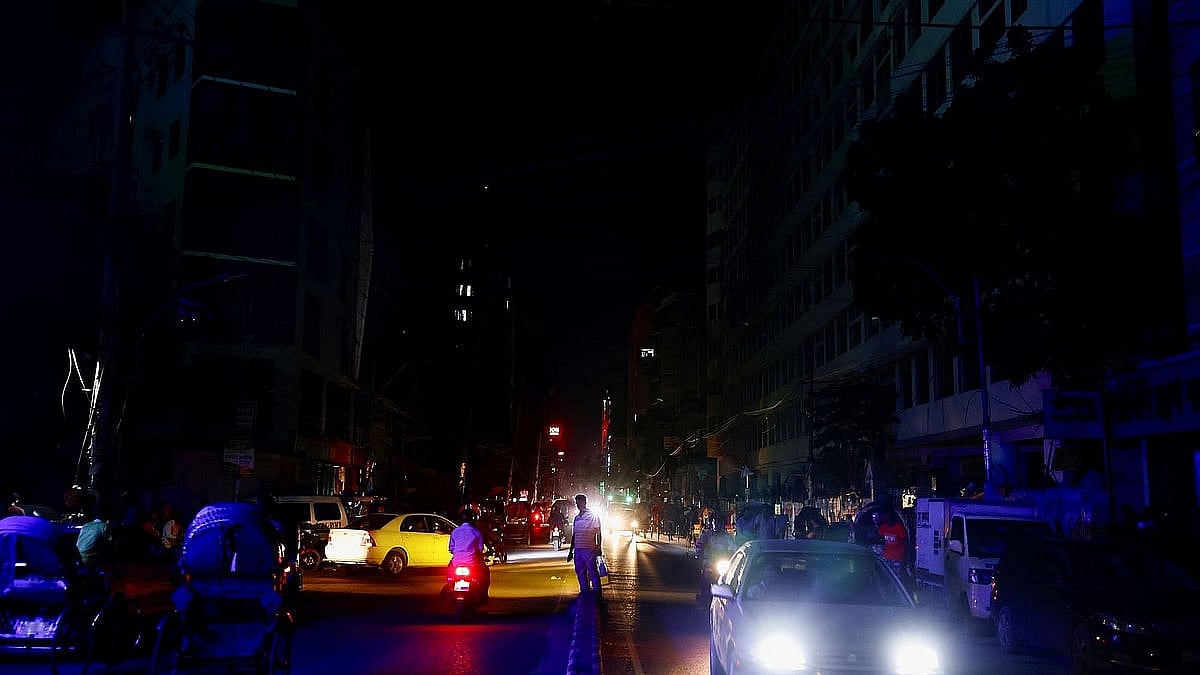
For several nights in late June, Bangladesh experienced power cuts exceeding 3,000MW even during the hours when electricity demand normally eases.
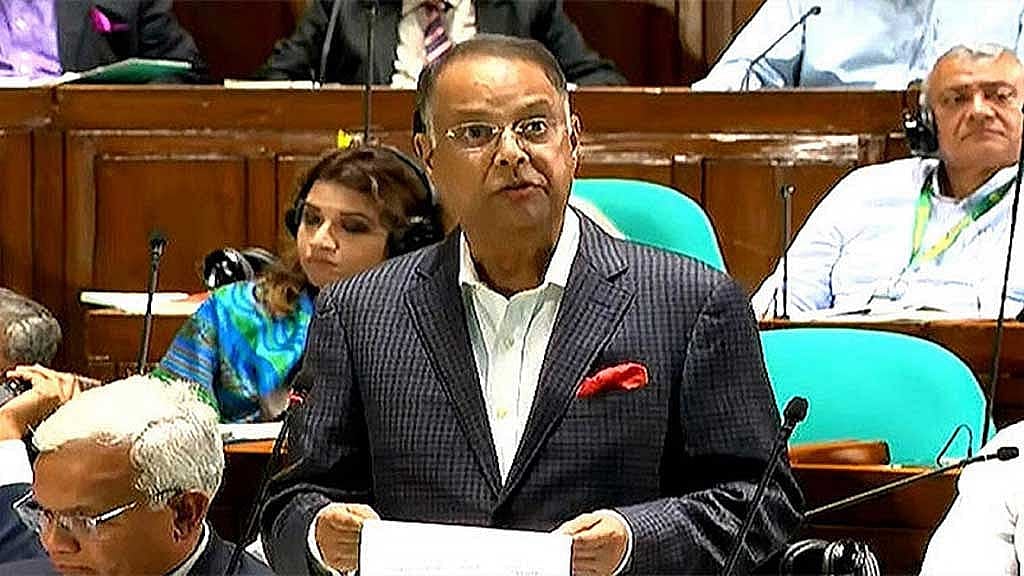
The shortages became so severe that Power Minister Iqbal Hassan Mahmood Tuku was forced to explain the crisis in parliament.
The blackouts raised an uncomfortable question: if Bangladesh has enough installed generating capacity, why was so much of the country left in the dark?
Officials say the answer lies not in a single failure but in a combination of shrinking gas supplies, fuel shortages, reduced coal-fired generation, technical faults at major plants and mounting financial constraints.
Energy analysts argue that an unexpected surge in electricity demand during the second half of June only magnified those weaknesses.
The consequences were felt across the country.
On Jun 28, residents in Tangail, Jhalakathi and Dohar in Dhaka staged demonstrations, blocked roads and surrounded electricity offices in protest against prolonged outages.
That same night, at 2am, load-shedding reached its highest level of the month -- 3,400MW.
A Crisis That Snowballed
An analysis of daily reports from Power Grid Bangladesh’s National Load Dispatch Centre (NLDC) shows how rapidly the situation deteriorated.
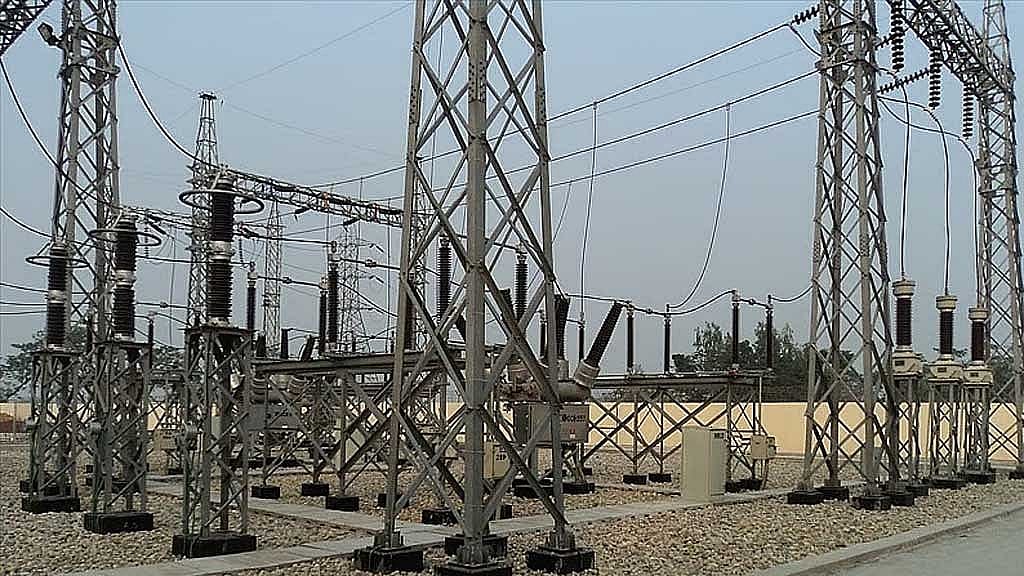
Electricity demand in June totalled 10,776.28 million kWh, while generation reached only 10,244.85 million kWh, leaving an "energy unserved" deficit of 531.43 million kWh.
Nearly 92 percent of that shortfall occurred during the final 20 days of the month.
During the first 10 days, unsupplied electricity amounted to just 43.4 million kWh. Between Jun 11 and 20 it jumped to 217.54 million, before climbing further to 270.5 million during the final 10 days.
The figures suggest that while the month began relatively smoothly, conditions worsened dramatically after mid-June.
Fuel, Finance and Faults
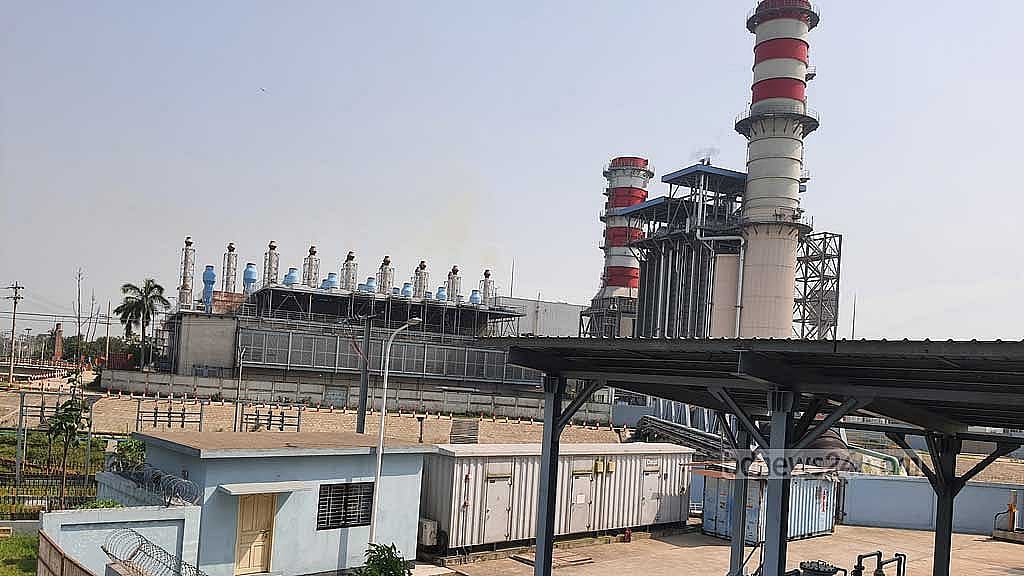
Bangladesh Power Development Board (BPDB) Chairman Md Rezaul Karim said electricity production had been constrained on several fronts.
"There are limitations in power generation. Gas supply has declined and dependence on coal-fired generation has increased. Sometimes coal supplies are disrupted, while technical problems force some power plants to shut down."
Financial pressure has compounded those operational problems.
"The financial issue is a major one," he said. "We are gradually overcoming it, but these problems cannot be solved overnight."
Outstanding payments remain a challenge, although, he added, arrears have been reduced compared with previous years.
BPDB Member (Generation) Md Zahurul Islam said several developments converged at the same time.
Coal shortages affected the SS Power plant at Banshkhali in Chattogram, while both units of the Rampal coal-fired power station went offline one after another, sharply reducing coal-based generation.
Gas-fired generation also declined because of delayed payments and lower fuel supplies.
"It wasn't one single reason," he said. "Everything combined to create the overall impact."
He said many of the affected plants have since resumed operation, while gas supplies have improved.
On Thursday alone, gas-fired plants generated around 6,000MW -- something he said had not been achieved for some time.
Petrobangla has promised to supply around 1,000 million cubic feet of gas a day for power generation, although officials acknowledge sustaining that level will depend on overall gas availability and competing priorities.

Why Were Blackouts So Severe after Midnight?
Normally electricity demand falls sharply after midnight.
June was different.
During the first 10 days of the month, hourly load-shedding never exceeded 1,000MW. By Jun 14, however, outages had reached 2,172MW at 11pm. Two days later they climbed to 2,846MW before exceeding 3,275MW shortly after midnight on Jun 17.
The worst came on Jun 28, when outages remained above 3,000MW from midnight until 4am.
Average load-shedding between midnight and 3am exceeded 1,000MW throughout the month.
Despite the late hour, electricity demand on several nights still surpassed 17,000MW.
Zahurul Islam said the BPDB has no detailed technical study explaining the unusually high overnight demand, but officials suspect charging of battery-powered three-wheelers is one contributing factor.
"People charge battery-operated vehicles between midnight and 3am or 4am, particularly in Dhaka," he said. "The load doesn't fall as much as it used to."
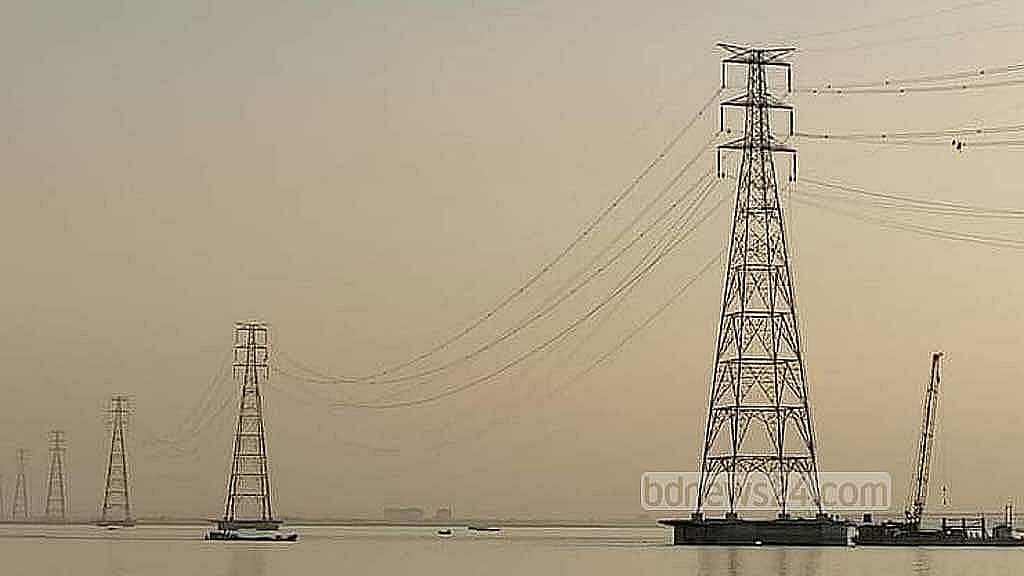
Did the World Cup Add to the Pressure?
Energy economist Shafiqul Alam, lead energy analyst at the Institute for Energy Economics and Financial Analysis (IEEFA), believes demand itself became a major factor after mid-June.
Electricity demand remained relatively modest during the first 11 days of the month, he said, before rising steadily across the day and night.
Supplying between 16,000MW and 16,500MW is manageable, he said. Once demand exceeds 17,000MW, however, pressure on the system increases significantly.
He believes the ongoing football World Cup also played a part.
"The World Cup wasn't the only reason, but it certainly had an impact," he said.
"Because matches were being played after midnight and sometimes at 2am, demand did not fall in the way it normally would."
Combined with rising temperatures, battery charging and fuel shortages, those factors created a perfect storm.
Capacity Isn't the Same as Supply
Bangladesh's installed generating capacity appears more than sufficient on paper.
The national grid had an average available capacity of about 29,300MW in June, yet average evening peak generation was only around 15,360MW -- barely half that figure.
On Jun 30, installed capacity stood at 29,323MW, but actual peak generation reached only 16,152MW.
The reason is simple: installed capacity cannot automatically be converted into electricity.
Some plants undergo maintenance, others lack fuel, while some remain idle because operating them is too expensive.
The NLDC reports for Jun 30 listed 27 gas-fired plants facing gas shortages or low gas pressure, including units at Ghorashal, Meghnaghat, Siddhirganj, Ashuganj, Chandpur, Bheramara and Sirajganj.
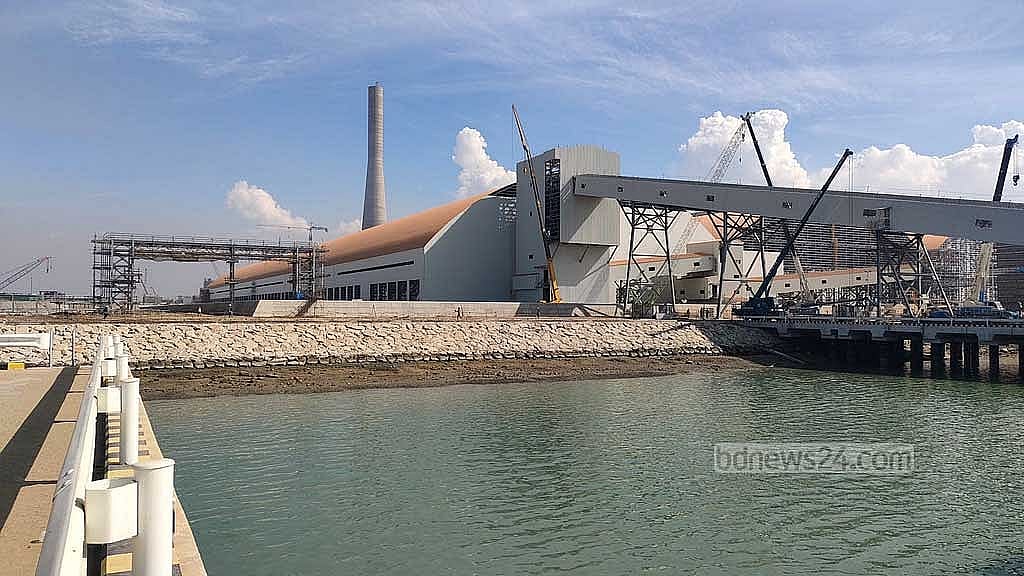
Another 44 plants were affected by shortages of liquid fuel.
Together, those stations represented thousands of megawatts of idle capacity that could not be fully utilised.
Gas supply to power plants averaged about 904 million cubic feet per day during June, falling to its monthly low on Jun 11 before recovering slightly by the end of the month.
Gas remained Bangladesh's largest source of electricity, supplying nearly 37 percent of generation, followed closely by coal at almost 35 percent.
Imported electricity from India accounted for about 17 percent, while furnace oil contributed around 10 percent.
More than 71 percent of Bangladesh's electricity therefore depended on gas and coal -- making the entire system vulnerable whenever either fuel came under pressure.

Preparing for July and August
Officials insist the situation is improving.
The BPDB says plants that had been shut down have returned to operation, gas supplies have increased and efforts are continuing to clear fuel payments to prevent further disruptions.
But Shafiqul Alam argues that avoiding another crisis will require more than short-term fixes.
Bangladesh, he said, must make better use of existing capacity while investing more heavily in renewable energy, battery storage, domestic gas exploration, energy efficiency and demand management.
Installed capacity alone, he warned, does not guarantee energy security.
Without reliable fuel, stronger finances and better planning, even a power system capable of generating nearly 30,000MW can still leave millions of people in the dark.