Published : 13 May 2026, 06:03 AM
Updated : 21 Aug 2026, 03:43 PM


Shafiqul Islam left Satkhira Sadar Upazila carrying more debt than dignity, borrowing from multiple sources just to settle old loans before boarding a flight to Lebanon in search of a better life.
There was no war in West Asia then. No missiles crossing skies. No reason, his family believed, for fear.
“He had no reason to worry or anticipate difficulty going abroad,” his relatives said. “His family was also unconcerned.”
But the promise of Lebanon, once a symbol of escape from rural poverty, began to unravel soon after he arrived.
Shafiqul, 38, settled in Zebdine in southern Lebanon’s Nabatieh region. Alongside him, 26-year-old Nahidul Islam from Assasuni Upazila also worked in the same war-shadowed country.
As Israeli strikes intensified across southern Lebanon, fear became routine. Both men told their families they were trapped, unable to leave as attacks grew closer and more frequent.
A few days ago, Shafiqul described a van bombing nearby that killed two people. Panic, his family said, only deepened after that.
Then came Monday afternoon.
An Israeli drone strike hit their residence in Zebdine. A Syrian worker also died in the attack.
Both Shafiqul and Nahidul were killed on the spot, said Mohammad Anwar Hossain, first secretary (labour) at the Bangladesh Embassy in Beirut. He added that two other Bangladeshis remain missing.
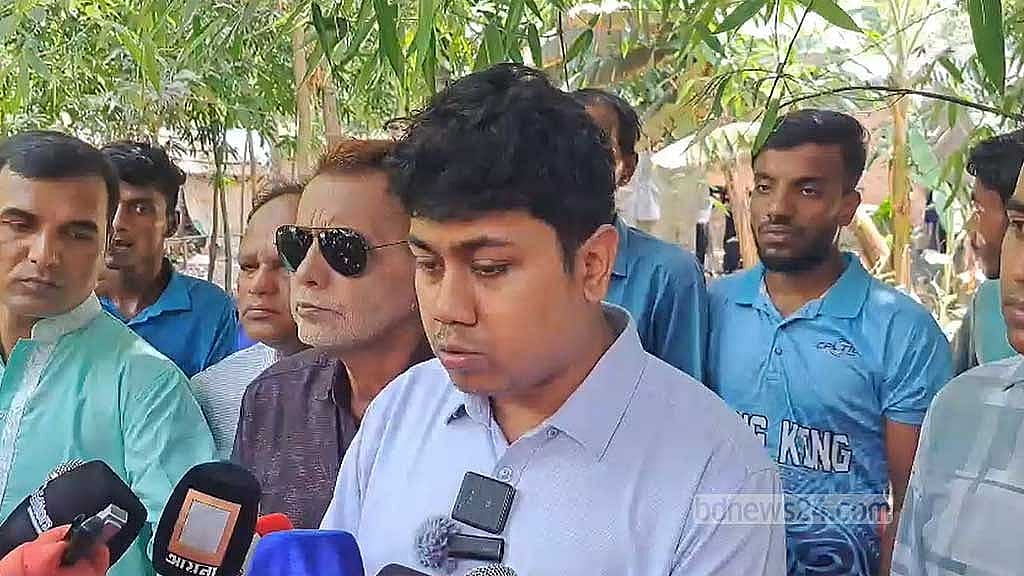
On Tuesday night, Bangladeshi authorities confirmed a third death from Satkhira in the same crisis. Kalaroa Upazila official Ariful Islam identified him as 28-year-old Shuvo Kumar Das of Sripratipur village.
Officials said the bodies of the two earlier victims are now kept at a hospital in Nabatieh.
Across West Asia, at least nine Bangladeshis have reportedly died amid the wider conflict -- four in Lebanon, two each in the United Arab Emirates and Saudi Arabia, and one in Bahrain.
Lives Built on Borrowed Money
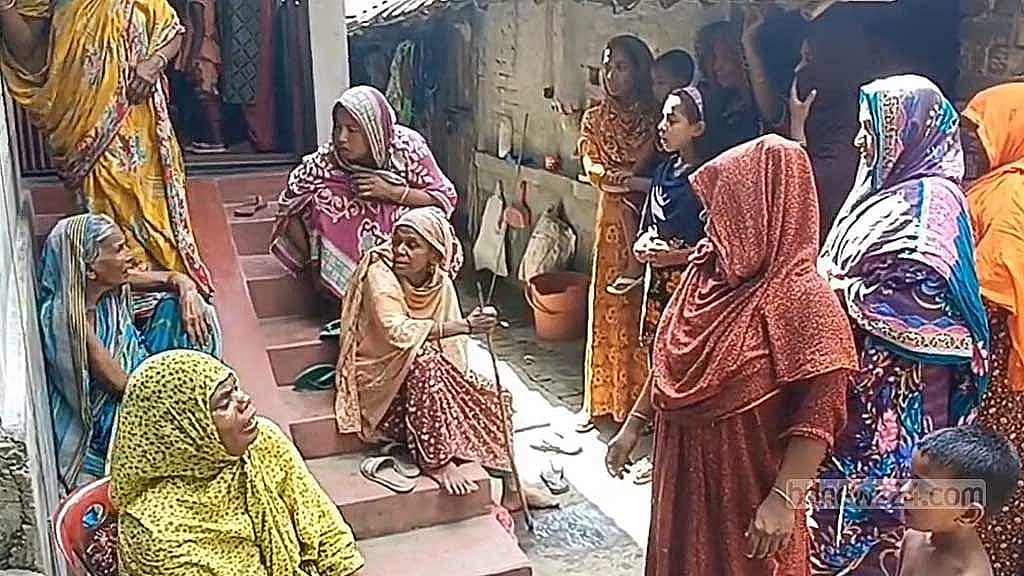
Shafiqul was his family’s only son and sole earner. Once living in a government shelter house, he had taken loans of Tk 600,000 from several NGOs to build a brick home.
To repay those debts, he left for Lebanon in early March.
In April, he sent home Tk 40,000 -- his family’s first glimpse of relief. He had promised more before Eid-ul-Azha.
Instead, his earnings ended in silence.
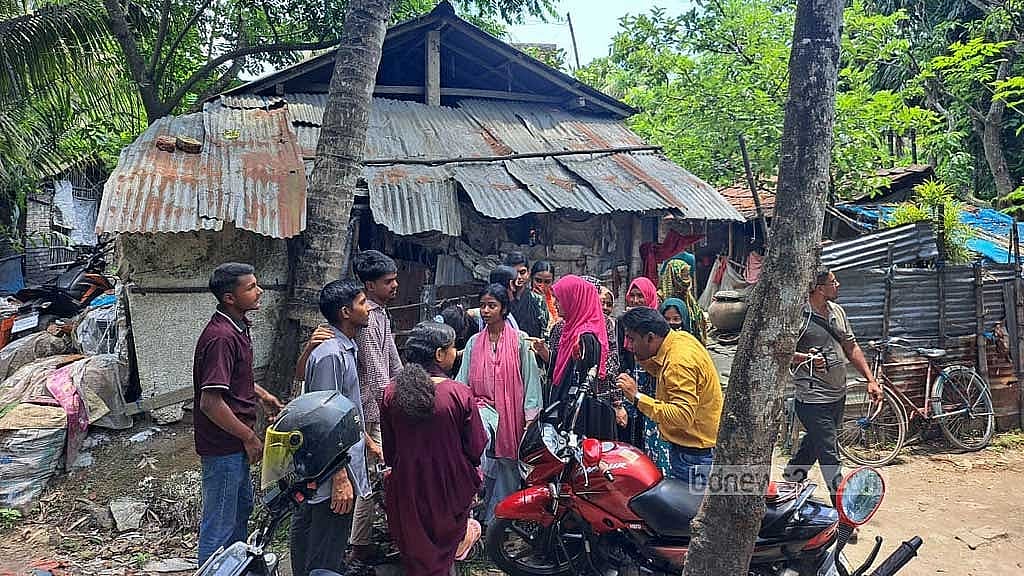
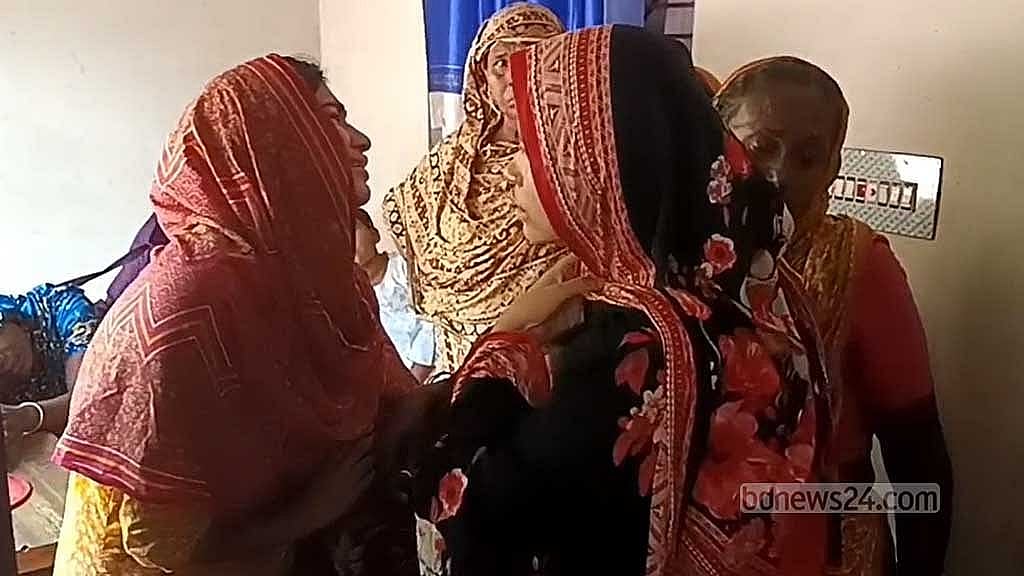
His wife Ruma Khatun now sits in a home where hope has collapsed.
During a visit on Tuesday, she was seen fainting repeatedly, her two young daughters beside her, unable to speak but old enough to understand absence.
“He [Shafiqul] went abroad taking a loan, considering the future of my daughters. How will I survive now? The government should bring his body back home quickly,” she said.
His father Afsar Ali said, “I sent my son abroad in the hope of happiness. Now he is returning as a corpse. I just want to see his son's face one last time.”
Local officials said support measures would be arranged.
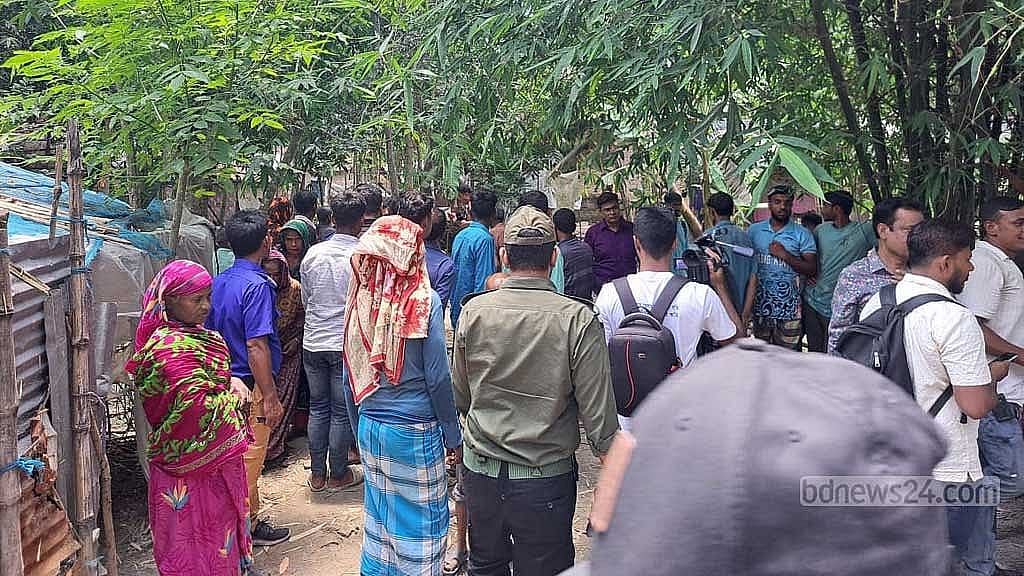
“The administration will make every effort to support the two families,” said UNO Arnob Dutta.
Another Family, Another Ruin
In Kadakati village, Nahidul’s home is filled with the same stunned grief.
Like Shafiqul, he was the family’s only provider. His father, Abdul Quader, had already accumulated significant debt. To repay it, Nahidul sold what little he owned and borrowed further before leaving for Lebanon three months ago.
He sent Tk 37,000 home in April.
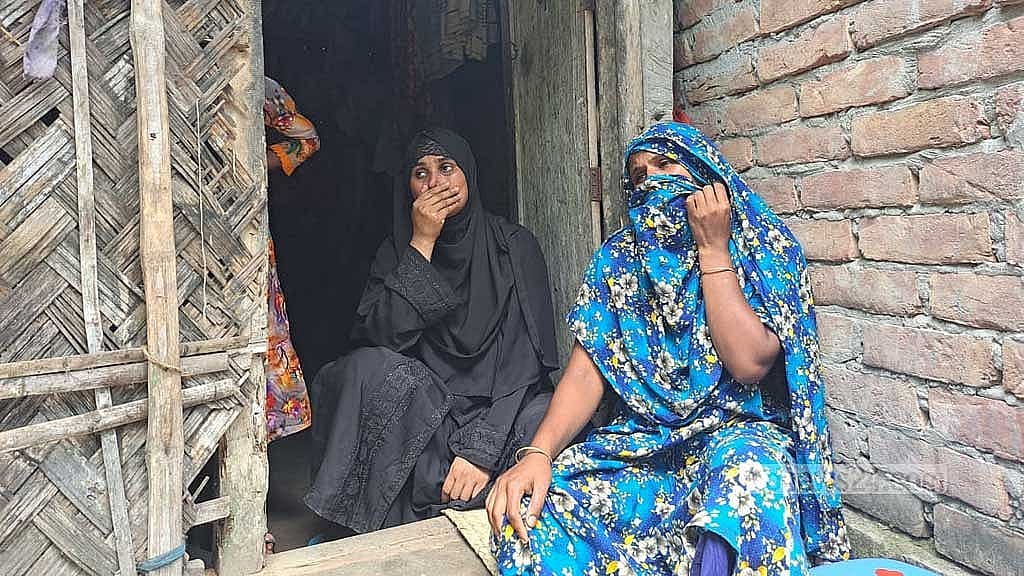
That was the last relief his family received.
His father said, “Nahidul promised him that he would repay all the debts. Now, I don't have a son. What will I do with this burden of debt?”
His mother, Nurunnahar Khatun, is bedridden with grief.
In both homes, in two villages separated by distance but bound by the same loss, the dream that sent them abroad has returned not as prosperity -- but as silence, debt, and waiting.