Home
+
Published : 18 Jun 2026, 10:58 PM
Prime Minister Tarique Rahman’s scheduled visit to China will cover “many issues, starting with defence”, according to Bangladesh Investment Development Authority (BIDA) Executive Chairman Chowdhury Ashik Mahmud Bin Harun.
On Thursday, Ashik said substantial progress had been made on the long-delayed Chinese Economic and Industrial Zone (CEIZ) before the visit.
After the Awami League government fell amid the July 2024 student-led uprising, Bangladesh's ties with India cooled while relations with China strengthened.
Since Aug 5, 2024, leaders of the BNP, Jamaat-e-Islami and National Citizen Party (NCP) have visited China.
During the tenure of the interim administration, China was also discussed as an alternative destination to India for medical treatment.
The trend appears to be continuing under the BNP-led administration.
After taking office as the head of the government, Tarique has chosen China for his second foreign trip, scheduled for later this month. His first official visit is likely to be to Malaysia.
While the Malaysia visit comes first, the China trip is widely viewed as more significant in terms of regional politics and trade.
Amid preparations for the visit, the Executive Committee of the National Economic Council (ECNEC) on Tuesday approved a Tk 41.89 billion project to establish an economic zone with Chinese financing.
The project had remained stalled for more than a decade due to different complications.
When asked after the approval whether the project was linked to the premier’s China trip, Planning State Minister Zonayed Saki said: “That’s for you (journalists) to find out.”
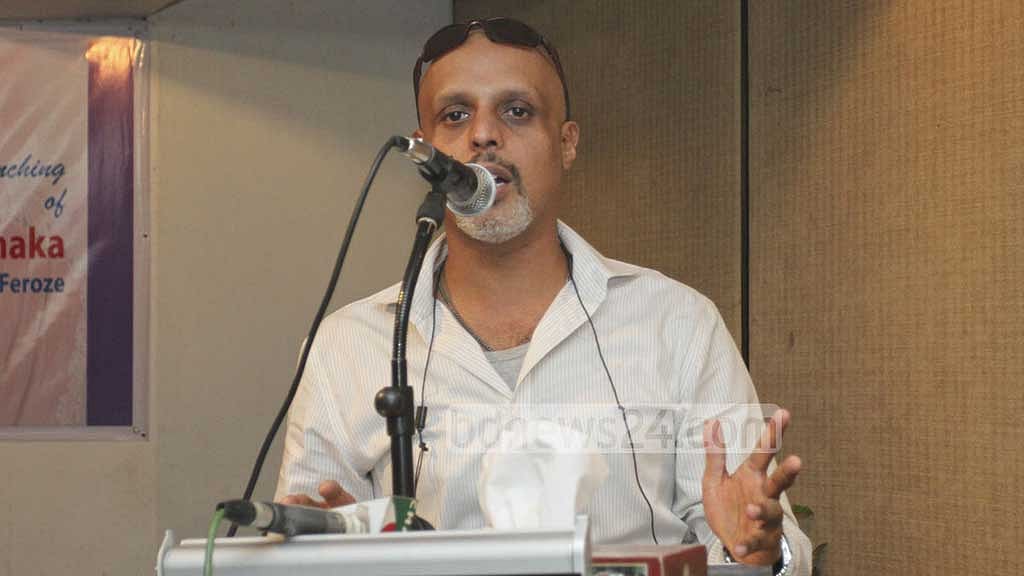
The issue resurfaced on Thursday at a BIDA workshop for journalists.
Speaking there, Ashik said: “China is extremely important to us from an investment perspective and, of course, as a major diplomatic partner.
“So, overall, this is a very important visit for Bangladesh. It is not only about investment. Many other issues will come up, starting with defence. Political issues will come up, and many other matters will also be discussed.”
He said the foreign ministry would provide a fuller account of the visit later.
On investment, Ashik said China had remained Bangladesh’s largest source of investment over the past five years.
“That is why, targeting this visit, we have been able to move much of the work on the [CEIZ] forward very quickly. We may be able to begin implementation as soon as we return from China.
“Once work begins, we will see a fundamental change in Chinese investment there.”
He also said China had expressed interest in Mongla Port and sought a second economic zone there alongside the proposed zone in Chattogram’s Anwara.
“You may see some decisions on that as well,” he said.
Ashik added that meetings were being arranged between the premier and several major Chinese investors with strong prospects of investing in Bangladesh.
He said the government viewed its first two years in office as the ideal period for attracting investment and was keen to pursue major infrastructure projects to support economic growth.
He also outlined efforts to address energy shortages, bureaucratic delays and other barriers to foreign investment, expressing hope that while challenges may persist this year, domestic investment would increase and foreign investment would gain momentum next year.