Published : 17 Dec 2025, 07:29 AM
Updated : 21 Aug 2026, 02:53 PM


When the generation that carved Bangladesh out of blood and bullets is dismissed as the “worst”, it tears open wounds that never truly healed, war-wounded freedom fighter Md Shahjahan Mia has said.
“Independent Bangladesh has honoured us as its finest citizens,” he said on Victory Day night at the launch of bdnews24.com’s Liberation War anthology.
“Whether we receive anything while alive or not, when we die we will be buried with state honours, wrapped in the national flag.”
Shahjahan made the remarks on Tuesday night, while attending the publication ceremony of the first volume of the anthology.
The three-volume compilation, published by bdnews24.com, seeks to bind together the blood-soaked history of Bangladesh’s independence -- a history born from the breaking of colonial chains and paid for with Bengali lives.
The first volume of the compilation, titled “Raktorekhay Bangladesh – Antoheen Juddho: Gourob, Bedona Ar Shikorer Itihash” or “Bangladesh, Penned in Blood: An Endless War, a storied legacy of grief and glory” was released on Victory Day on Tuesday.
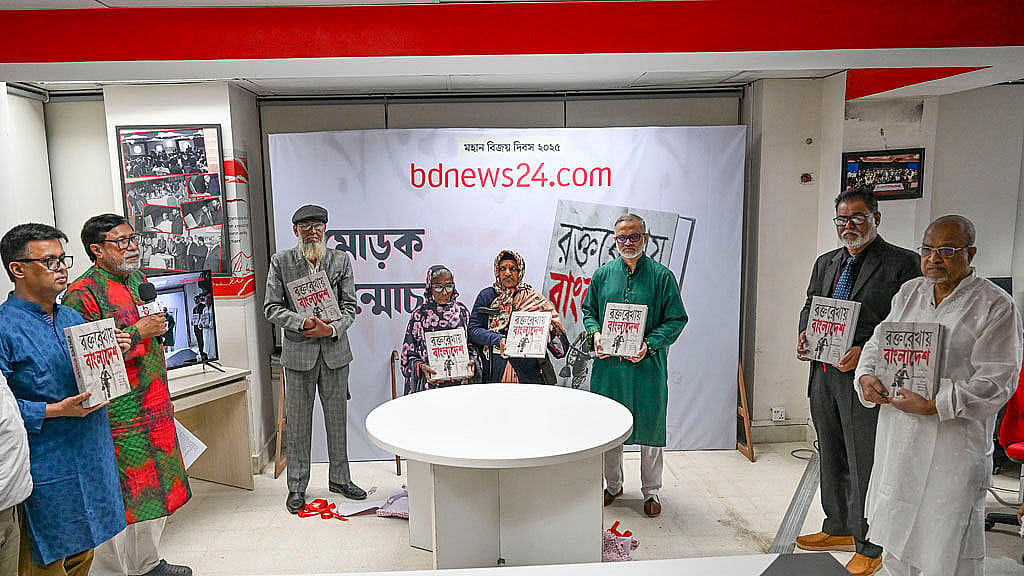
The cover was jointly unveiled by two courageous women of the Liberation War -- Sheikh Fatema Ali and Firoza Begum. Present at the ceremony were freedom fighter Mohammad Moniruzzaman Chowdhury, war-wounded fighters Shahjahan and Mohammad Shahidullah, and bdnews24.com Editor-in-Chief Toufique Imrose Khalidi.
Shahjahan, visibly pained, repeated his anguish at hearing the 1971 generation dismissed as “the worst”.
“Independent Bangladesh has given us the dignity of ‘the best citizens’,” he said again. “That recognition cannot be erased.”
Shahjahan, from Kendua in Netrokona, served as a wireless operator at the Rajarbagh Police Lines in 1971. On Mar 25, he was the first to transmit news of the Pakistan Army’s attack through a wireless message.
Beyond the resistance at Rajarbagh, he fought in Chandua, Bijoypur and Dharampasha under Sector 11.
Reflecting on the present state of the country, the wounded freedom fighter spoke with despair. “Now I see videos on mobile phones where many freedom fighters are being garlanded with shoes. What can I say after seeing this? We no longer have the strength to protest.”
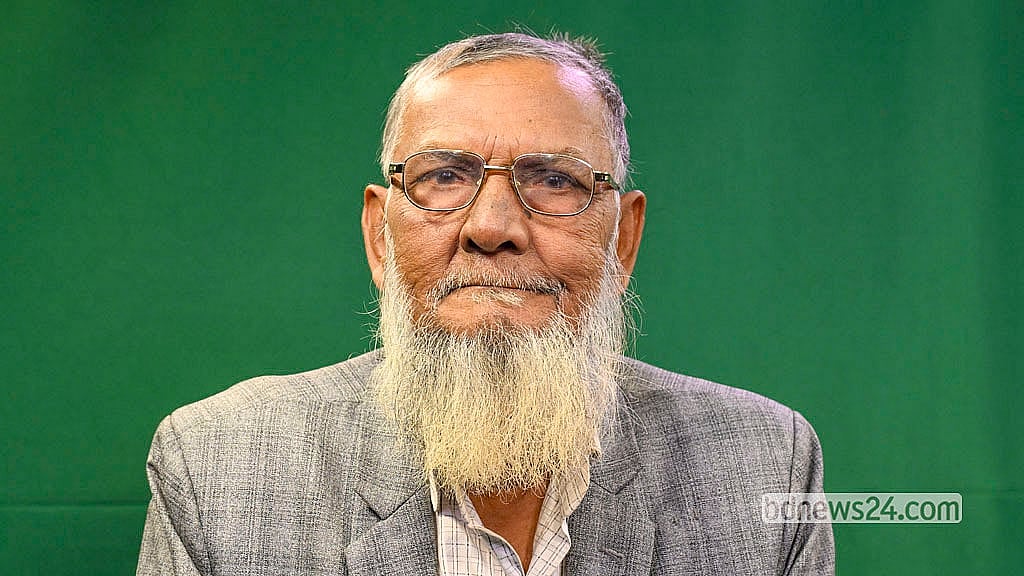
Insisting on truth, Shahjahan said the Liberation War was never an individual endeavour. “I did not fight alone. Bangabandhu did not fight alone. Ziaur Rahman did not fight alone. We fought collectively. We liberated this country together.”
He rejected narratives suggesting that 1971 was merely a fratricidal conflict. “We now hear that brothers fought brothers in 1971. Can anyone accept such a history? This cannot be accepted.”
Shahjahan was wounded on Dec 7, near the end of the war, when shrapnel from a landmine planted by Pakistani troops pierced the sole of his left foot during the Bijoypur operation.
Condemning the bravado of anti-liberation forces, he said: “Termites grow wings only before death. I say this to those shouting ‘Pakistan Zindabad’ in this country. Regardless of political positions, everyone must unite on the question of the Liberation War.”
Another war-wounded freedom fighter, Shahidullah said during the war, he underwent 28 days of basic training and 22 days of specialised junior leadership training at the Loharbon camp in Assam, India. He later fought under Sector 4’s Jalalpur sub-sector in Kanaihat and Atgram in Sylhet.
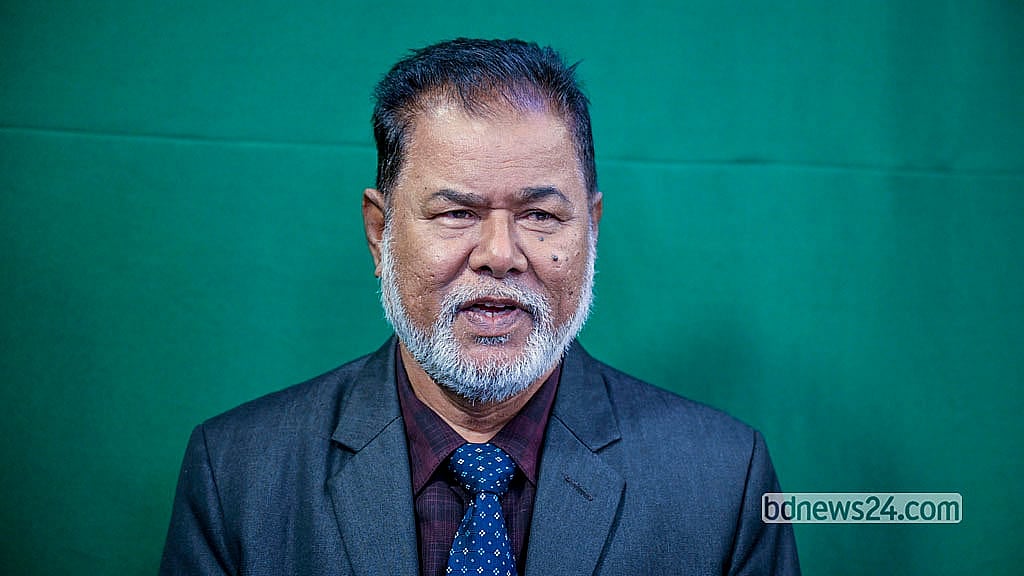
Fifty-four years on, he questioned whether the country was still moving in the right direction.
“I think we were,” he said. “But many things have obstructed us over time. Now we are moving in a blocked condition. We had advanced considerably, but at this moment it feels like we are moving backwards. Only the future will reveal what lies ahead.”
Shahidullah was wounded in mid-November 1971 when shrapnel from a Pakistani shell struck his right knee and multiple parts of his left leg during an operation in Atgram.
Thanking bdnews24.com for publishing the anthology, he said the timing was deeply meaningful.
“Right now, doors and windows feel closed on all sides. The atmosphere resembles the days of the Liberation War. In such a time, this compilation feels like an expression of love for the country.”
Expressing hope in future generations, he added: “Some misguided elements will come and go with time. I believe these problems will not last. Our generation will rise again.”
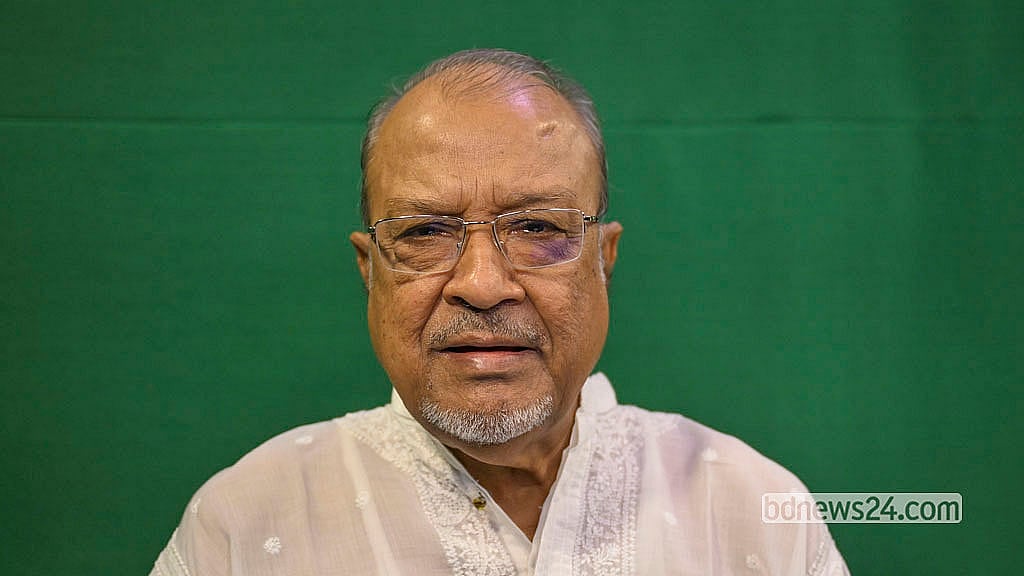
Freedom fighter Moniruzzaman said, during the war, he was an income tax officer in the Narayanganj circle. After the war began, he travelled to Kolkata to work with the Mujibnagar government and served as deputy director of its youth and reception camp.
Asked about his expectations of the younger generation, he said: “They give me hope. When I look at their activities, I feel optimistic. But there is a gap between reality and the current situation.”
Still, he remained hopeful. “We are producing thousands of graduates. Education must be diversified and made functional. Unofficially, Bangladesh has around 3 million educated unemployed. If we count the uneducated unemployed, the number likely exceeds 10 million.”
He pointed to Bangladeshi students winning innovation prizes abroad, including a second prize in Seoul. “Despite limited resources, they compete globally. If we give them realistic opportunities, this generation can take the country much further.”
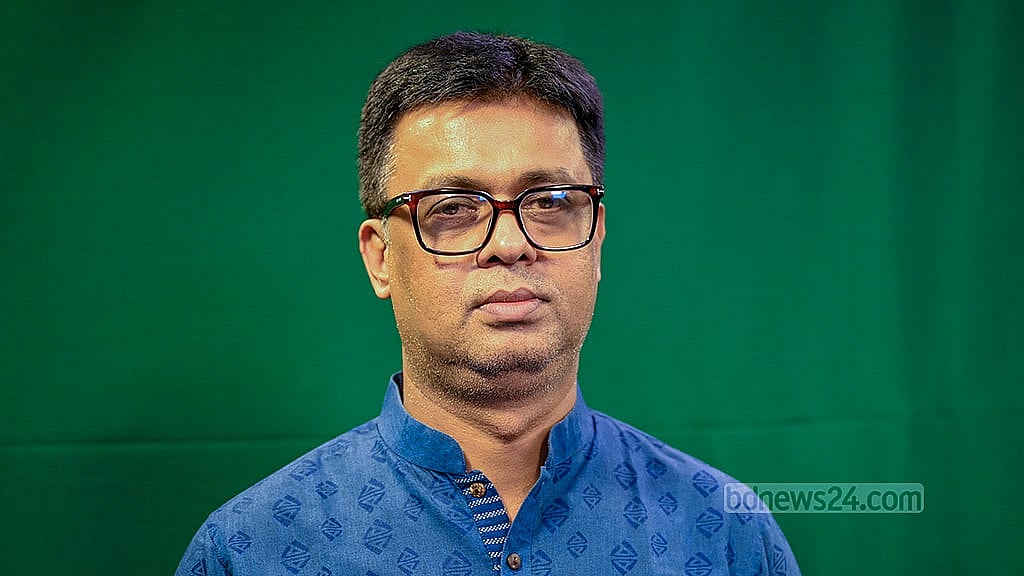
Liberation War researcher Salek Khokon, a member of the anthology’s editorial board, thanked Editor-in-Chief of bdnews24.com Toufique Khalidi for initiating the project.
Publishing the first volume at this time, he said, sends a clear message.
“The state must be unequivocal: there can be no compromise on the Liberation War. Whoever comes to power must unite on this issue.”
He added that the book would help present the true history of 1971. “Having Birangona and freedom fighters unveil the book is profoundly meaningful. It honours those whose dignity has long been challenged.”
“Birangonas endure constant social humiliation,” he said. “This gesture will bring them peace and affirm respect for the true heroes of our Liberation War.”