Published : 23 Apr 2026, 10:56 PM
Updated : 21 Aug 2026, 03:38 PM


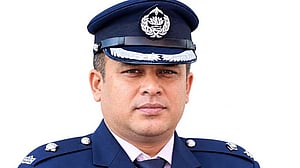
A Dhaka court has placed former Directorate General of Forces Intelligence (DGFI) director Afzal Naser on a fresh four-day remand in connection with the murder of Mahmudul Hasan during the July Uprising.
Additional Chief Metropolitan Magistrate Md Sefatullah passed the order on Thursday, confirmed state counsel Muhammad Shamsuddoza Suman.
With this latest order, the retired lieutenant colonel has been remanded for a total of 27 days across eight separate phases in three different cases.
Afzal, who was a director at the DGFI from March 2006 to March 2008, was produced in court upon the completion of a previous remand in the Delwar Hossain murder case.
While Magistrate Monirul Islam initially ordered him to be sent to jail, a fresh seven-day remand plea was submitted by Sub-Inspector Mohammad Ashraful Alam of Uttara East Police Station regarding the Mahmudul Hasan murder.
The prosecution argued that preliminary investigations suggest Afzal issued orders to suppress the student-led July Uprising with an "iron fist", leading to widespread violence.
Defence lawyers sought the cancellation of the remand, which the court ultimately rejected.
Mahmudul participated in a protest march in the Uttara East area on Aug 5, 2024.
According to the case documents, around 4pm, as protesters reached the Azampur footbridge, attackers opened fire.
Mahmudul was hit by bullets and collapsed on the spot, and he was rushed to the Bangladesh-Kuwait Friendship Hospital, where doctors pronounced him dead.
A murder case was subsequently filed at Uttara East Police Station on Sept 26, 2024.
Afzal was apprehended by detectives at his Mirpur DOHS residence in the early hours of Mar 30 this year.
He was first shown arrested in the Delwar murder case and placed on a six-day remand.
He later faced 11 days of questioning across four phases in the murder case of BNP activist Mokbul Hossain.
Between Apr 17 and Apr 20, he was remanded for another six days in the Delwar murder case before being shifted to the current investigation.