Published : 28 Jul 2025, 12:54 AM
Updated : 21 Aug 2026, 01:34 PM


A small rural market named Bherar Bazar sits right along the banks of the Madhumati River.
As soon as bdnews24.com arrived in the area and asked about Imon Talukdar, locals pointed the way to his family home.
Before reaching the house made of wood and corrugated iron sheets, I heard them call out: “Imon’s mother! More journalists have come!”
The villagers have grown used to the constant stream of journalists coming to interview the family.
“This many reporters have never come to this village before,” one local said.
The sudden attention centres on the home of 17-year-old Imon, who was killed during the Gopalganj violence on Jul 16.
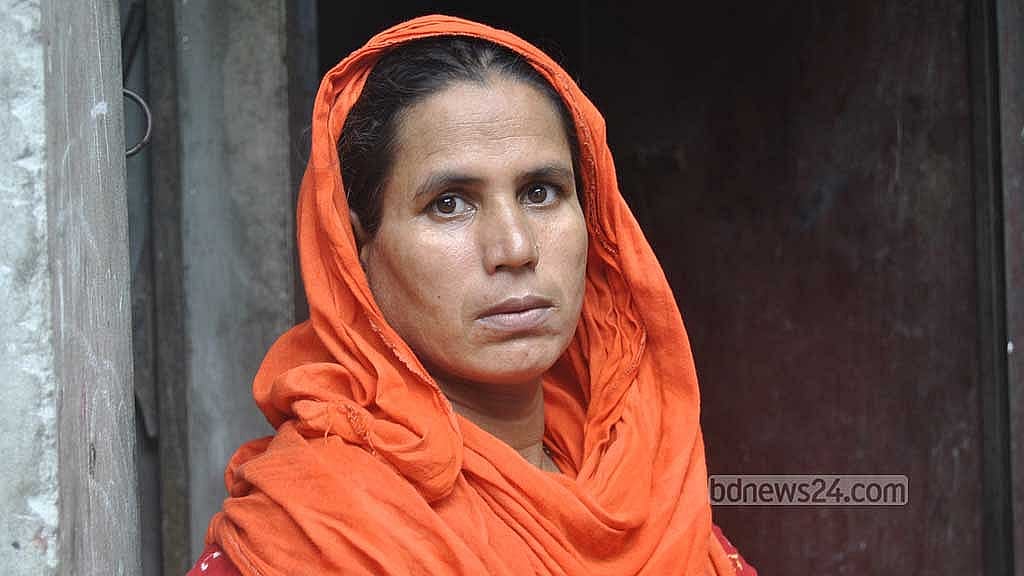
Hearing the calls of her neighbours, Imon’s mother Rokhsana Begum stepped out of their home as a group of women gathered around.
One of them broke the silence, saying: “That viral video, the one with the boot over his head -- that’s our Imon.”
The family’s entire home consists of a single room roughly 12 by 10ft in size, made of wood and corrugated iron.
Two large cots dominate the small room. The entire family sleeps here.
Rokhsana leaned on the warped doorway as she stepped into the yard, using a guava tree for support.
She looked frail and shaken.
A neighbour pulled out a mobile phone and showed a widely circulated photo -- a boot hovering over a boy’s head.
The moment Rokhsana saw it, she broke down in tears.
"They shot my son,” she said, sobbing. “After being shot, he was crushed and stomped to death. They trampled his throat and killed him. Then they dragged his body away.
“I couldn’t find him anywhere -- I went to the camp, I went to the police station.
“In the evening, they sent the body in an ambulance to the hospital. I saw them unloading him onto a stretcher from the ambulance. Why did they kill my boy like this?”
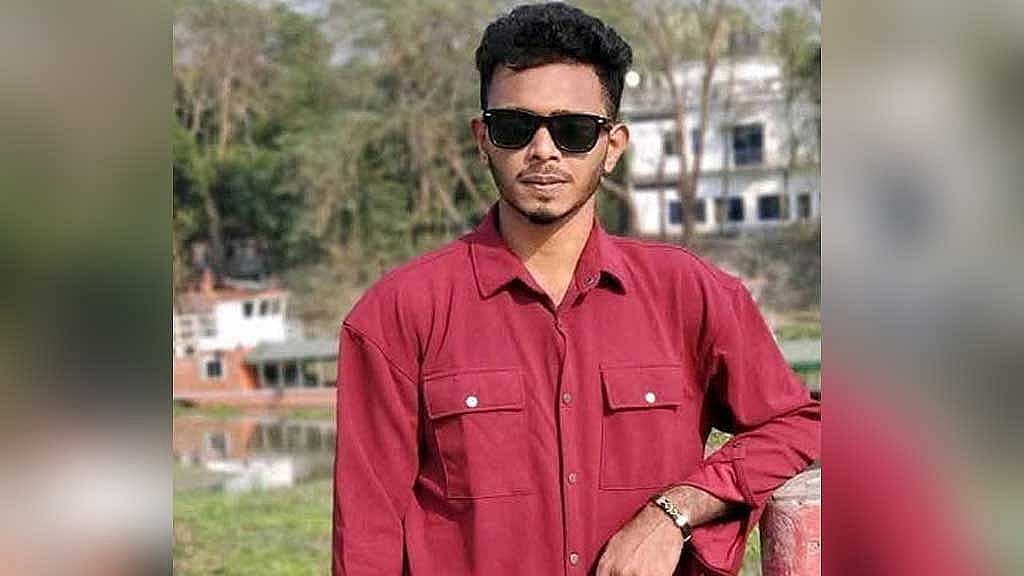
When asked when she first saw the photo, Rokhsana said she saw it in a video clip. “I went out looking for my son after seeing it. They were dragging him through the alley while beating him.
“He had gunshot wounds, too.”
She said a young woman who lived nearby showed her the clip that afternoon. From the clothes, she immediately recognised her son and ran frantically towards Gopalganj town.
“That girl came and said, ‘Is this Imon? Have a look.' I ran like crazy to find him.”
Imon’s aunt Banu Akhter said her brother had five children. The eldest is “too simple” to work, and the father is widely believed to suffer from “mental illness”.
Though the father worked as a three-wheeler driver, his income was erratic. He has been missing since his son's death.
Banu said, “My brother was never quite right in the head. After he heard Imon died, he dropped the three-wheeler and left. Didn’t even see the body, didn’t attend the burial.”
Imon was the sole earner in the household, working all day at a crockery shop in Gopalganj town for a monthly wage of Tk 13,000. That income kept the family going.
Crying, Rokhsana said: “He was the only reason our family survived. Whatever little he earned, we lived on it. If I needed medicine, I told him. He brought it. Now, who will we go to?”
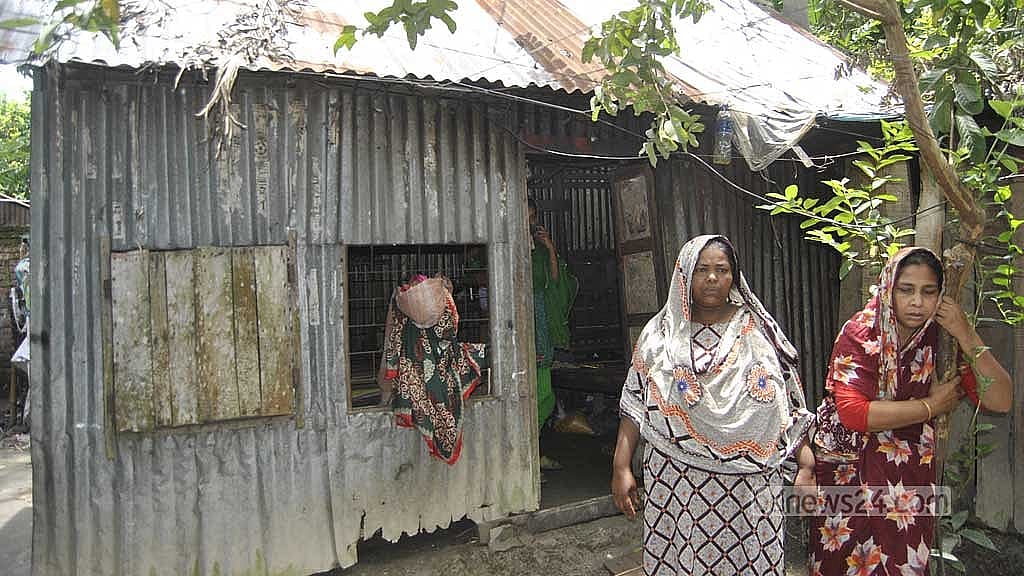
The mother’s grief quickly spread to others in the group. Several neighbours grew emotional, some voicing anger.
“The whole country saw how they pinned him down like that,” Imon’s aunt said. “Even if they shot him, they could’ve handed him over to us. We could’ve tried to get him treatment, even by raising money.
“We aren’t involved in politics.”
She added, “Is this what happens to people who get involved in politics? These people don’t even have a place to stay. Look at their house -- it’s about to collapse. They all lived here.
“We don’t want money. Just bring back my nephew. He didn’t kill anyone. He wasn’t involved in politics. Why did they kill him like this?”
When asked if anyone had come forward to help, Banu said: “No one gave us a single penny. Some people called and said they’re with us. But we don’t know how. Only Allah knows how this family will survive.
“Imon paid for the wedding of one sister and covered the younger one’s school fees.”
The hospital eventually called the family and asked them to collect the body. The family brought it home and buried it.
Rokhsana said Imon had a bullet wound in his thigh and injuries on his face.
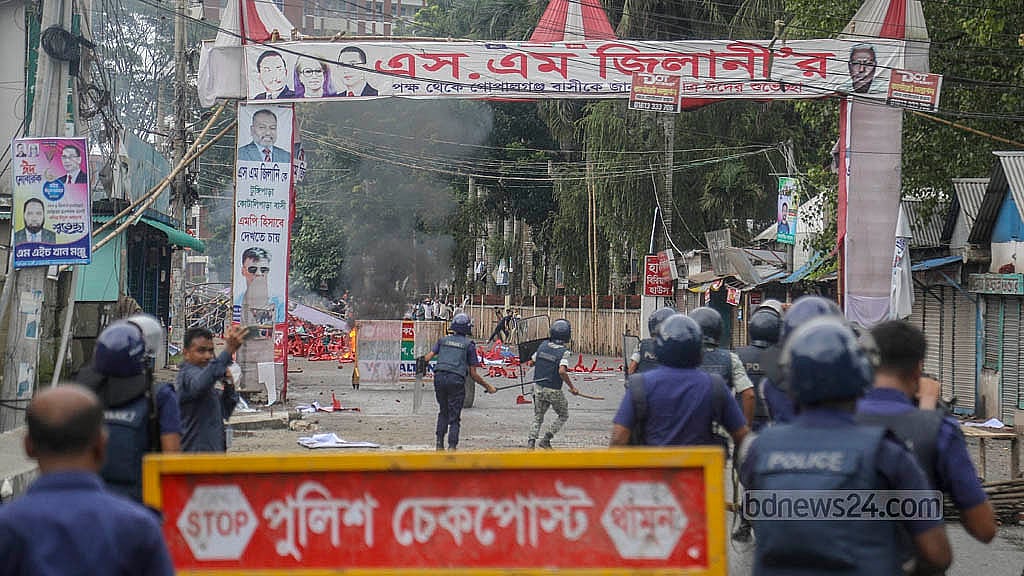
On Jul 16, a programme by the National Citizen Party in Gopalganj triggered waves of violence amid attacks by Awami League activists.
Clashes soon broke out between police, Army personnel, and the Awami League supporters.
Eventually, violence spread across the entire town.
Four people were confirmed dead during the clashes, while at least nine others were shot. Dozens more were injured. Another person died while undergoing treatment at Dhaka Medical College Hospital.
Apart from Imon, the others killed were Dipto Saha, 27, the son of Santosh Saha, from Udayan Road in Gopalganj town; Ramzan Kazi, 17, the son of Kamrul Kazi, from Harinhati village in Kotalipara; Sohel Rana, 30, from Shanapara in the town; and Ramzan Munshi, 32, the son of the late Akbar Munshi from Thanapara.
A four-strong team from rights group Ain o Salish Kendra (ASK) visited Gopalganj on Jul 21 and 22.
They also went to Imon’s house.
In a report sent to the media on Friday, ASK said the family had rushed to the hospital around 1:30pm on the day of the incident after hearing Imon had been shot.
The hospital reportedly pressured them to take the body away by 5pm, forcing them to bury him without a postmortem examination.
The family reportedly told ASK that Imon’s body had gunshot wounds and bruises across his face and body. They also said a viral video showed a boy being hit by military boots to the face while on the ground, and that boy was their Imon. He had no political ties and worked at a crockery store.
The ASK statement also said its representatives had tried but failed to meet military officials stationed in Gopalganj.
It read: “On the 22nd of July, when ASK representatives attempted to speak with Captain Sakib, the company commander on duty near the deputy commissioner’s office in Gopalganj town, he said he was on VIP duty and could not speak at the time.
“He gave his phone number and asked to be contacted later. ASK later tried to reach him over the phone, but the conversation did not take place.”
On Friday, bdnews24.com contacted Lt Col Sami Ud Dowla Chowdhury, director of Inter-Services Public Relations (ISPR), through his official number to ask about the incident.
In response, he said: “Please follow the ISPR website for official statements.”
As of Saturday, ISPR has not released any statement on the matter.
SILENT GRIEF
Like Imon, 17-year-old Ramzan -- another working-class teenager -- also lost his life after being shot during the violence.
His destitute family was found at the home of his uncle Kolim Munshi in Gopalganj town.
Ramzan’s mother, Marzina Begum, was staying at Kolim’s home. Though she stepped outside when called, she remained silent.
“She keeps fainting since her son’s death,” said Kolim. “She can barely speak now.”
A video that went viral on Jul 16 showed a lifeless body being carried away on a three-wheeler. Kolim identified the boy in the footage as his nephew Ramzan.
Recalling the day, Kolim said: “My brother found him dead at the hospital. Around 3pm, I went there and saw no treatment being given. No doctors around.
“So we loaded the body onto a three-wheeler and took it to the police station.
“The gate to the police station was locked. Then someone from the station told us to take him back to the hospital,” he added. “While we were taking him there, you could hear intense gunfire. I mean, ordinary people didn’t have firearms; they were carrying sharp weapons.
“But police and the Army were shooting. Someone must have recorded the video then.”
Kolim continued, “Once we returned to the hospital, the staff told us to take the body away. Locals warned us it might disappear if we left it there. So, after the Isha prayers, we buried him.”
Ramzan worked as a labourer assisting a tile mason for Tk 500 a day.
The family still does not know how he ended up in the middle of the clashes. They have been unable to contact the mason he worked with either.
“DIPTO WAS ALIVE AT THE HOSPITAL”
Though police reports claim that Dipto was brought to the hospital dead, relatives told ASK that “Dipto was still alive and speaking when they took him there”.
In its report, ASK said: “The superintendent of Gopalganj Hospital told our team that four individuals were brought dead to the emergency department on the 16th of July. The duty doctor declared them ‘brought dead’.
“However, two people who brought Dipto to the hospital claimed he was alive at the time and even spoke to relatives. He was taken into the operating theatre, and only after some time did doctors pronounce him dead.”
“Therefore, the 'brought dead' claim is inaccurate.”
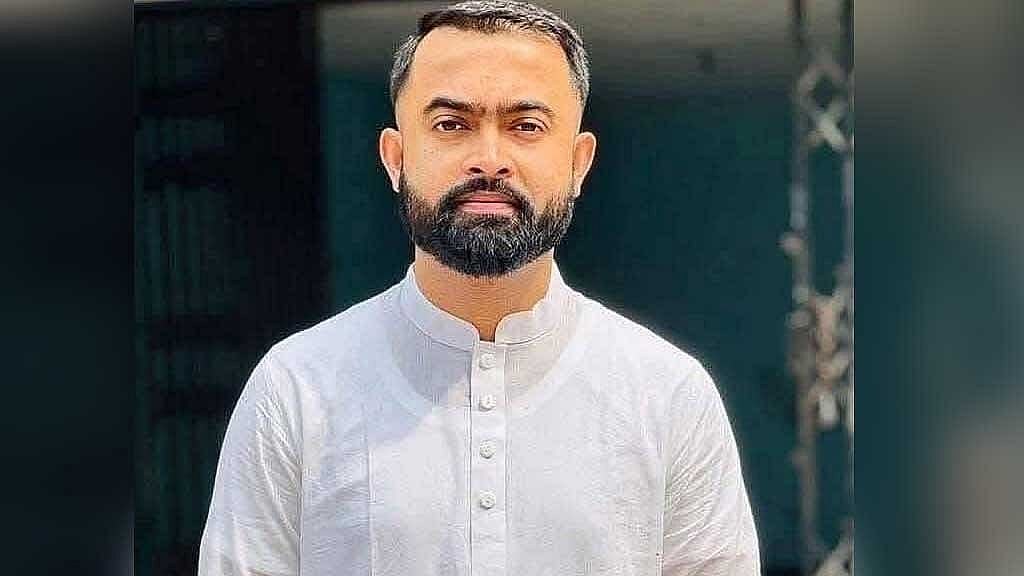
Dipto, Imon, Sohel, and Ramzan were all buried or cremated without an inquest or postmortem investigation that day.
Later, three bodies were exhumed for postmortem and reburied.
Dipto's body could not be exhumed because he was cremated.
The postmortem of rickshaw-puller Ramzan Kazi, who died later at the DMCH, was conducted there.
Police reports confirm that all five suffered gunshot wounds.
Gopalganj police have filed four cases over the deaths, accusing Awami League and Bangladesh Chhatra League supporters of the killings.
[Writing in English by Sheikh Fariha Bristy; Editing by Shoumik Hassin]