Published : 21 Dec 2025, 11:58 PM
Updated : 21 Aug 2026, 02:54 PM


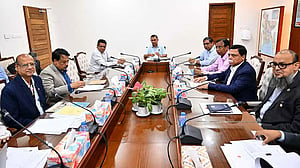
Bangladesh Bank Governor Ahsan H Mansur has announced an initiative to verify all loans exceeding Tk 200 million as part of efforts to “restore governance and public confidence” in the banking sector.
Speaking at a seminar in Dhaka on Thursday, he said the banking sector is “gradually improving” from difficult times.
“We have maintained public trust, and the world is surprised that Bangladesh’s banking system is functioning. To ensure good governance and restore customer confidence, we will regularly review whether these large loans have landed correctly.”
A 500-member team has been formed, including 50 staff trained in forensic audits -- a capability previously absent in the country.
Ahsan added, “Without forensic capacity, fraud cannot be detected. The team will also verify whether adequate collateral exists against these loans. Officials and bank directors will be held accountable if it is lacking.
“Branches cannot approve loans independently; head offices are also responsible. Employees can act as whistleblowers, and Bangladesh Bank will be informed.”
On questions about misconduct, loan irregularities, or money laundering involving central bank officials, Ahsan said: “The Anti-Corruption Commission (ACC) has full authority. Bangladesh Bank will not interfere. Anyone found involved will face action. The ACC is examining the distribution of loans and those responsible.”
He emphasised the need for Bangladesh Bank’s independence and proposed legislation to empower the central bank further. Ahsan also outlined recent banking reforms: troubled Shariah-based banks -- including Exim Bank, First Security Islami Bank, Global Islami Bank, Union Bank, and Social Islami Bank -- were merged into the Combined Islami Bank on Nov 30.
No further mergers are planned; the remaining nine troubled institutions will be wound up, with full refunds for depositors and directors’ shares nullified under international law. Institutional depositors will be repaid after liabilities are settled.
Ahsan noted the economy has regained stability in reserves, balance of payments, remittance inflows, and trade. He set a goal to raise foreign currency reserves to $35 billion this year without external aid.
He acknowledged that non-performing loans remain the highest globally, with a capital shortfall in many banks.
“I expected NPAs of 25–27 percent, but they have reached nearly 36 percent. We will not hide information; the truth will be published, even if it affects credit ratings,” he said.