Published : 02 Jan 2026, 08:04 AM
Updated : 28 Aug 2026, 01:31 AM


After the seismic mass uprising of 2024, hopes for Bangladesh’s economic revival soared. Reforms promised a new dawn, but as 2025 drew to a close, the promise remained uneven -- some wounds healed, others painfully raw.
Inflation may have eased, liquidity stress moderated, yet investment and job creation stayed stubbornly stagnant. Analysts warn that without a credible election, the country’s economic recovery risks stalling before it even begins.
Banking sector restructuring and tighter monetary steps helped ease liquidity stress and tame runaway inflation. October’s inflation rate fell to 8.17 percent, the lowest in 39 months, though food prices surged again at year-end.
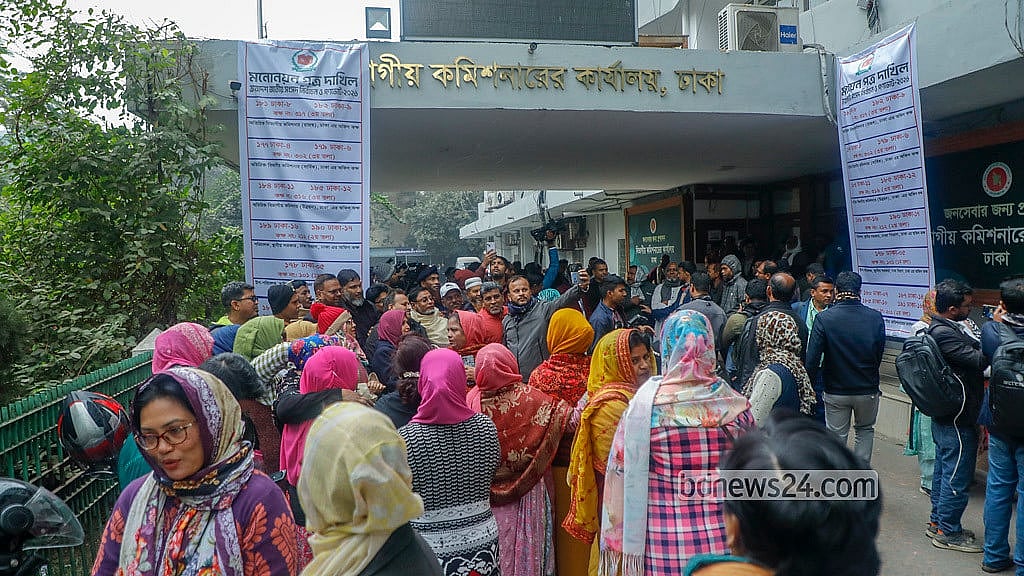
Analysts warn that without credible elections, investor confidence will remain shaky.
The interim government’s reforms slowed the bleeding but failed to spark new investment or job creation.
Export earnings, once resilient, dipped in the last four months of 2025, hit by US tariffs and Europe’s stagnation.
Garment exporters admit they may miss annual targets as buyers hesitate ahead of polls.
Banking woes lingered despite mergers and liquidity support. Non-performing loans crossed Tk 6 trillion, eroding trust.
While foreign reserves improved on remittance inflows and reduced import bills, development spending faltered.
Only one major Tk 350 billion project was approved late in the year, signalling policy inertia.
Economists like the Centre for Policy Dialogue’s Mustafizur Rahman see “positive trends” but stress that inflation still bites low-income households.
Zahid Hussain, former lead economist at the World Bank's Dhaka office, calls 2025’s macroeconomic outcome “mixed”, external balance improved, but inflation and financial sector distress remain unresolved.
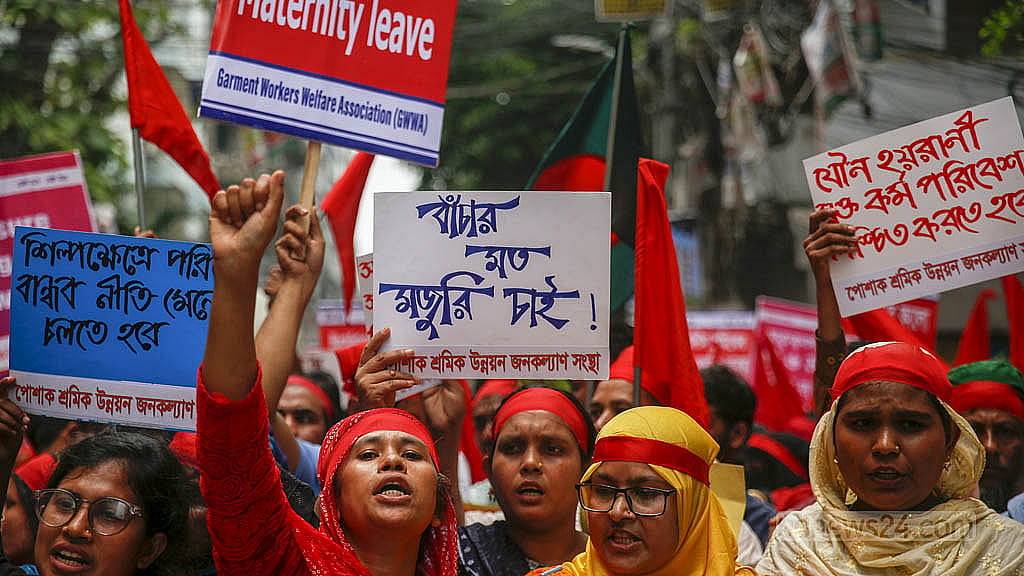
Analysts and business leaders believe a credible election and a new government could revive confidence, spur investment, and lift stagnant indicators. Employment generation, long stalled, may finally resume if stability returns.
ECONOMY SEEKS DIRECTION IN POLLS BEYOND REFORMS
The fragile economy left behind by its predecessor worsened further under the shock of government collapse, conflict, and violence -- pushing it to the brink.
While the mass movement inflicted damage, it also created an opportunity to dismantle the decayed structures of the past. Against this backdrop of reform, the question remains: how much recovery has truly taken place over the past 16 months? Especially in the last calendar year, how far did the hope of an invigorated economy materialise?
Despite initial optimism surrounding the interim government, the economy remains stagnant nearly a year and a half later. The government points to progress in reducing inflation as a sign of hope, but acknowledges that much ground still needs to be covered before low-income households can feel relief.
Economists argue that achieving a truly prosperous year will require more work and more patience. CPD’s distinguished fellow Mustafizur said: “The economy of 2025 began with some positive trends. Yet the accumulated problems have not been overcome. Ahead of elections, potential investors are turning positive -- I can see this in capital machinery import data.”
HOW 2025 UNFOLDED
Looking back, many indicators failed to reach sustainable levels. Some reforms dried the wounds in the banking sector, but non-performing loans worsened. Investment stagnated, inflation stayed high, and growth slowed. Export earnings faltered mid-year, though dollar shortages eased and reserves rose thanks to remittance inflows.
Economist Zahid observed: “Macroeconomic assessment is mixed. External balance has improved, giving us relief. But inflation and financial sector distress remain far from resolved.”
Research and Policy Integration for Development (RAPID) Chairman Mohammad Abdur Razzaque said, “Much has been said about reforms, but implementation has not advanced strongly. We know what needs to be done, but serious efforts to execute them are still missing.”
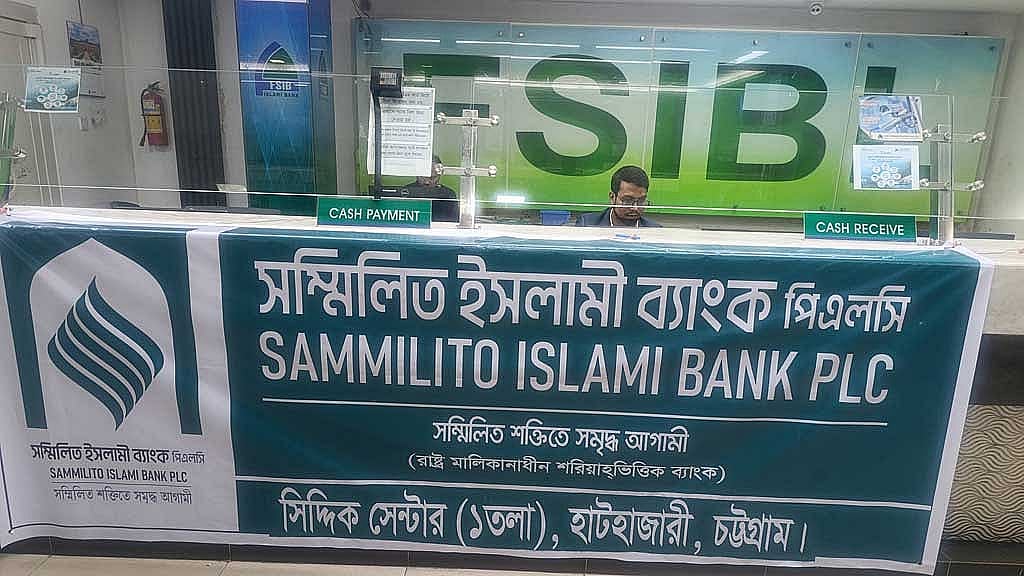
INFLATION’S STUBBORN GRIP
Inflation peaked at 11.66 percent in July after political shocks, easing to 8.17 percent in October, the lowest in 39 months. Yet food inflation rose again at year-end.
Economist Mustafizur cautioned: “Inflation is trending downward, but low-income households still face declining living standards. And since new employment, new investment, and the targets we had in updating private sector credit have not yet been achieved, the lack of decent employment is putting more pressure on these people.”
Economist Zahid echoed: “Our achievements in inflation control are very limited.”
TRUMP’S TARIFF STORM HITS EXPORTS
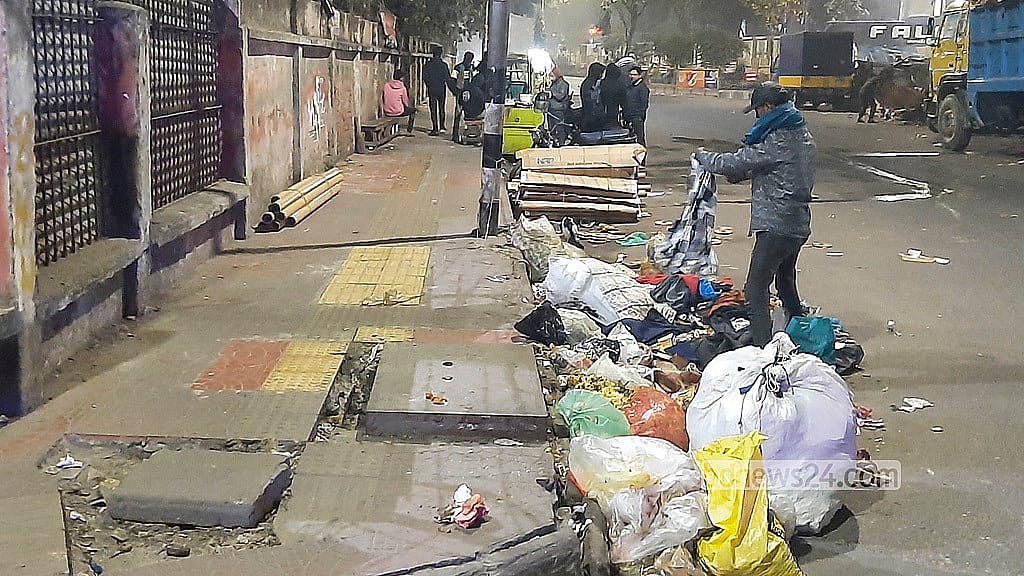
Exports, once resilient, declined in the last four months of 2025. US tariffs under President Donald Trump and Europe’s stagnation squeezed Bangladesh’s garment sector. November export earnings fell 5.54 percent.
Bangladesh Garment Manufacturers and Exporters Association (BGMEA) President Mahmud Hasan Khan said: “Exports have been falling for four months— this is not good. I don’t think December will be much better. Our expectation was that after this fiscal year ends in June next year, we would reach our target. But I don’t think we will. Because there is an election. During every election buyers become a little doubtful. They will place fewer orders. Tariffs have reduced our capacity, and that is why we are seeing this declining trend.”
Economist Razzaque marked this as a worrying sign.
BANKING SECTOR STILL IN DISTRESS
Despite mergers and liquidity support, banks remain crippled. Non-performing loans crossed Tk 6 trillion. Customers struggled to withdraw deposits, while interest rates on loans stayed high, stifling private investment.
Economist Zahid noted: “The panic in the financial sector has eased. Some necessary laws were passed. But the distress remains -- it’s deep and widespread, and cannot be solved quickly.”
GOVERNMENT SPENDING FAILS TO ACCELERATE
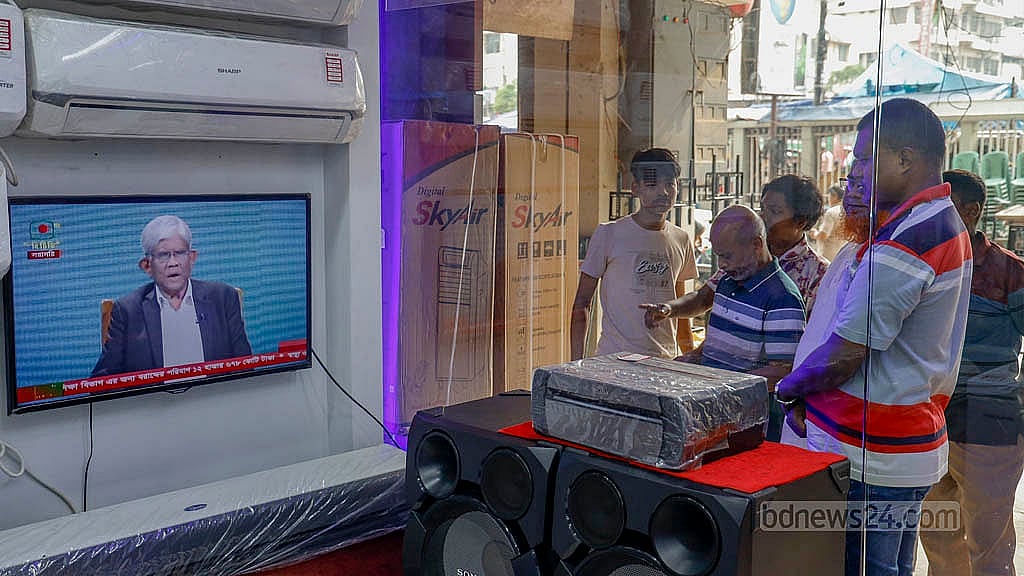
A major portion of government expenditure comes through the implementation of the Annual Development Programme (ADP). By carrying out development projects, it injects dynamism into the economy and contributes to growth. Yet despite efforts, momentum has not returned.
In the first five months of the current fiscal year, only about 11.75 percent of the allocated funds were spent. This rate is even lower than the same period of the previous fiscal year, which had been marked by political turmoil. The shortfall is evident both in percentage terms and in actual expenditure.
Despite an uptick in growth, revenue collection fell short of the target by nearly Tk 240 billion in the first five months of the current fiscal year.
ELECTION SHAPES THE OUTLOOK
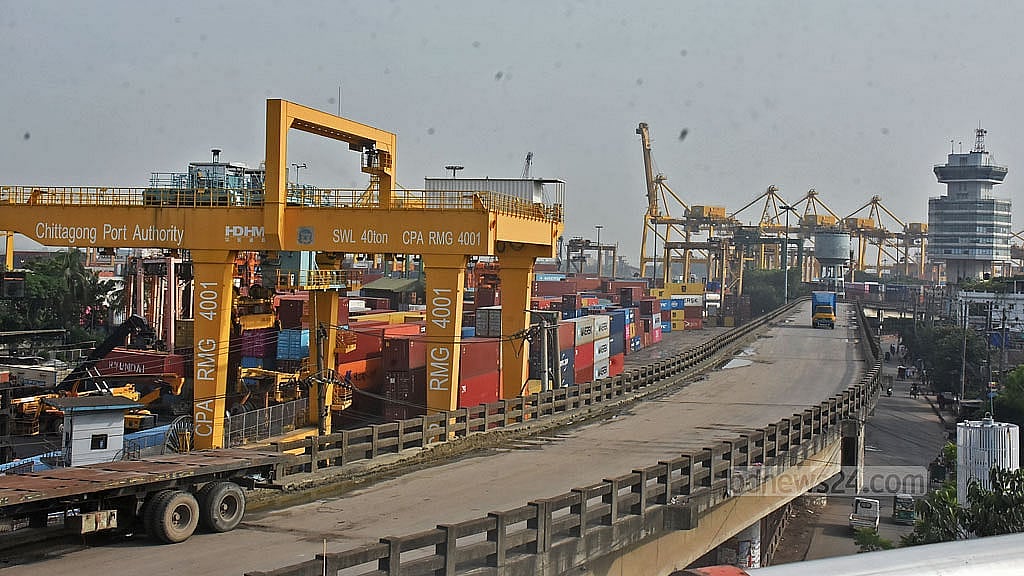
Investment dried up throughout 2025 amid political uncertainty. Yet late-year imports of machinery and raw materials hint at optimism for post-election recovery. Business leaders insist only a credible, peaceful poll can restore confidence.
Economist Zahid said, “I think 2026 will be the defining moment. The turning point, as they say. That will be February. Fifty years from now, when your grandchildren read history, you can be sure there will be a chapter on 2026.
“Whether that chapter will be a good one, a dark one, or a chapter of light depends on how the election turns out.”
BGMEA President Mahmud Hasan said, “If a fair election is held, buyers’ confidence will increase. Buyers are thinking about the election, everyone is thinking about it.”
However, CPD’s Mustafizur believes even after a credible election, concerns over export earnings may arise due to Least Developed Country (LDC) graduation.
Highlighting this challenge, he said: “Exports are continuously falling, negative. So these are somewhat ominous signs. If you combine this with LDC graduation, we will move toward an even more worrying situation.”
All things considered, economist Razzaque said, the ease of restoring stability in the economy will depend on the election and the subsequent law and order.
[Writing in English by Arshi Fatiha Quazi]