Home
+
Published : 08 Jul 2026, 11:27 AM
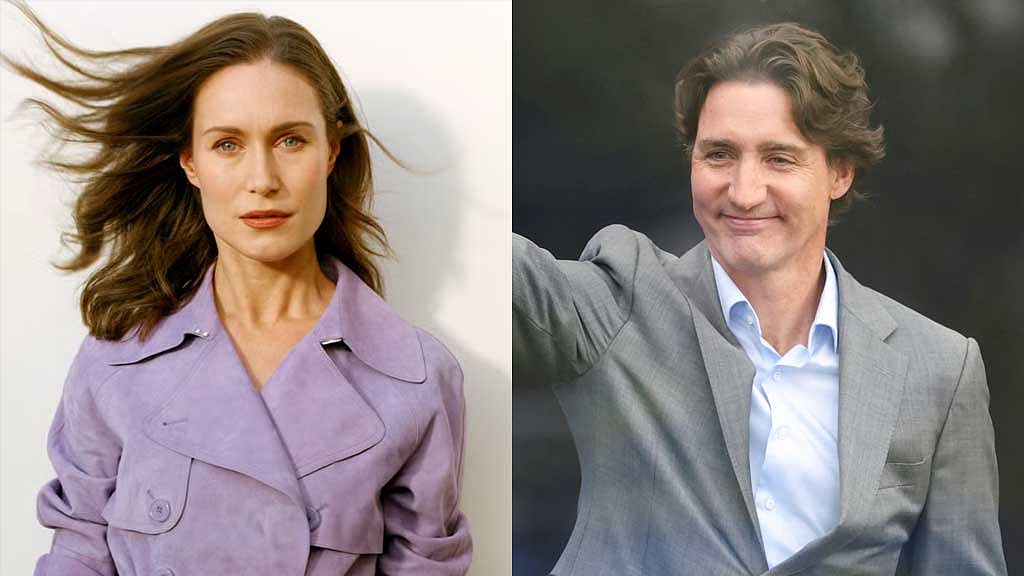
Physical appearance may help candidates win elections, but it appears to have little bearing on how they govern once in office, according to new research that challenges the notion that more attractive politicians behave differently from their peers.
The study found that while voters may be influenced by a candidate's appearance at the ballot box, elected officials generally pursue similar policy agendas and legislative priorities as colleagues with comparable political views, according to an NDTV report.
The research, titled “The Beauty Premium in Politics? Perceptions and Political Behavior,” published in the European Journal of Political Economy, found no evidence that more attractive politicians were more likely to engage in rent-seeking behaviour or deviate from the preferences of their constituents. Nor did the researchers find meaningful differences in legislative behaviour, ideological positions or policy preferences based on physical appearance.
For decades, scholars have examined whether attractive candidates enjoy an electoral advantage. Previous research has shown that voters often associate good-looking candidates with traits such as competence, intelligence and trustworthiness, giving them an edge, particularly in competitive races.
The new study suggests that those advantages largely end after Election Day.
After analysing legislative records, voting patterns and policy positions, the researchers found that attractive politicians did not consistently support different policies, cast different votes or govern differently from less attractive lawmakers.
The findings underscore a distinction between winning office and exercising power.
Appearance may shape first impressions, especially when voters have limited information about candidates. In those circumstances, people often rely on visual cues — what political scientists describe as heuristics, or mental shortcuts — to infer qualities such as competence or leadership.
Once in office, however, lawmakers operate within institutions that place greater weight on party affiliation, legislative procedures and the demands of their constituents than on personal characteristics such as physical appearance.
The researchers said the findings suggest that campaign imagery and a candidate's appearance may influence electoral outcomes but offer little insight into how that person will govern.
Instead, they argue, voters seeking to assess future performance would do better to focus on candidates' policy positions, governing experience and record in office than on physical appearance.