Published : 18 May 2026, 07:21 AM
Updated : 21 Aug 2026, 03:44 PM


Grassroots Gambits: Race for Local Legitimacy
Parallel offensives: Jamaat leans on organisational depth as the NCP accelerates an aggressive grassroots rollout.
Strategic pause: The BNP delays structural preparation, hesitant to finalise candidate strategy under new non-partisan voting rules.
Left-wing agility: Leftist blocs target councillor seats, prioritising flexible local coalitions and socially respected grassroots leaders.
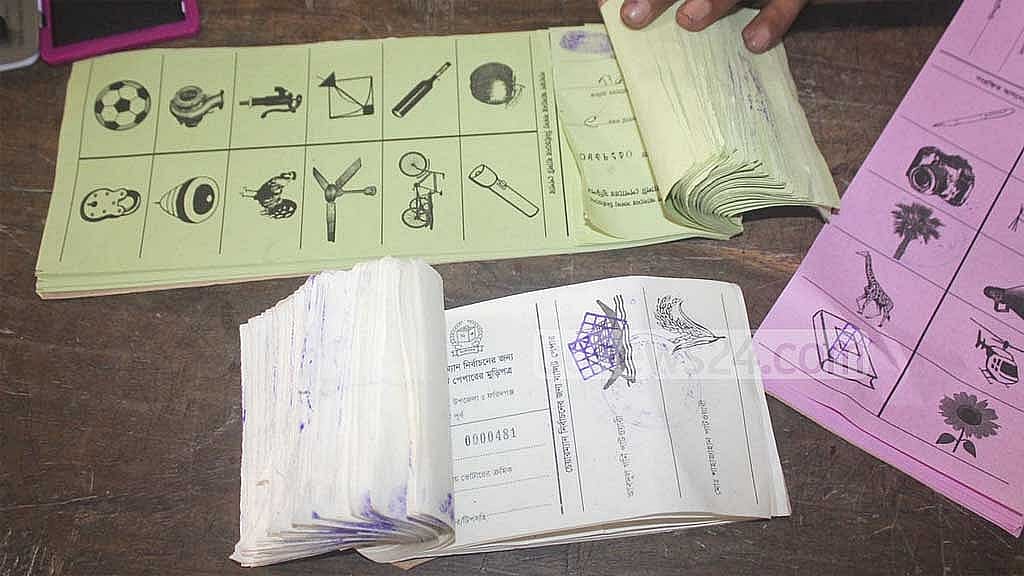
Symbolic shift: Legal reforms strip party symbols from polls, yet early nominations risk bringing partisan polarisation back in play.
Uncharted timelines: Though union council polls may lead after the monsoon, a lack of an official roadmap keeps the field in suspense.
In Bangladesh’s fluid post-July Uprising political landscape, the next electoral battleground is already taking shape far from the national stage.
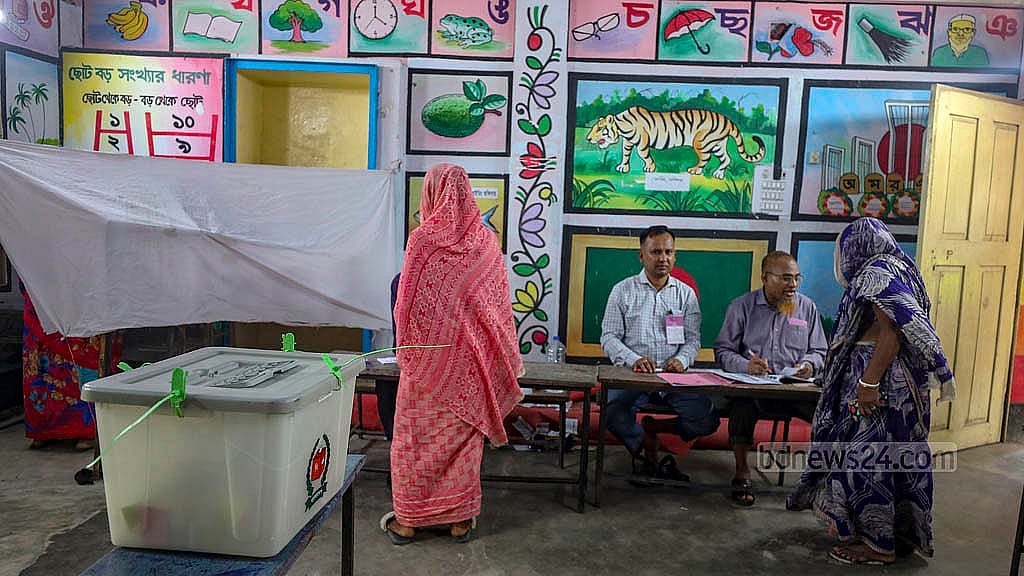
Local government elections -- once routine administrative exercises -- have become a key arena for strategic positioning, organisational testing, and quiet competition for legitimacy.
Government ministers have signalled that elections to different tiers of local government could begin towards the end of this year. Yet even before any formal schedule is announced, political parties appear to be moving on sharply different trajectories.
The most visible activity is coming not from the ruling BNP, but from opposition forces and emerging political formations.
Jamaat-e-Islami and the National Citizen Party (NCP), part of a broader 11-party alliance, have already begun candidate selection and internal mobilisation.
In contrast, the BNP has yet to finalise its approach to participation.
Early Movers in a Fragmented Field
Jamaat, despite not formally unveiling a full slate of candidates, has quietly advanced its organisational preparations across multiple tiers of local government.
Party insiders say internal lists covering city corporations, Upazilas and municipalities are close to finalisation.
A central committee member said nominations were being vetted through regional coordination teams involving district and Upazila leadership.
Local units typically propose panels of three candidates, which are then scrutinised by the central executive body before approval.
The party has also made its intent clear: it plans to contest independently.
“In local government elections, every party will compete from its own position. There will be no alliance-based arrangement,” a Jamaat central executive member said.
While final announcements are pending, Jamaat leaders say focus has shifted heavily towards local contests this year, with a belief that grassroots political presence will shape longer-term influence.
Already, the party has begun revealing selected names. On Apr 21, it announced a candidate for Chattogram City Corporation. Party leaders say similar announcements for other city corporations are imminent.
Ahsanul Mahboob Zubair, assistant secretary general of Jamaat, said preparations were well under way.
“Work on local government elections is ongoing. Candidate selection for city corporations is in its final stage. We will announce them at any time,” he said.
He added that proposals for at least nine city corporations had already reached the central committee, though none had been finalised.
NCP’s Early Gamble
If Jamaat represents organisational discipline, the NCP represents speed and ambition.
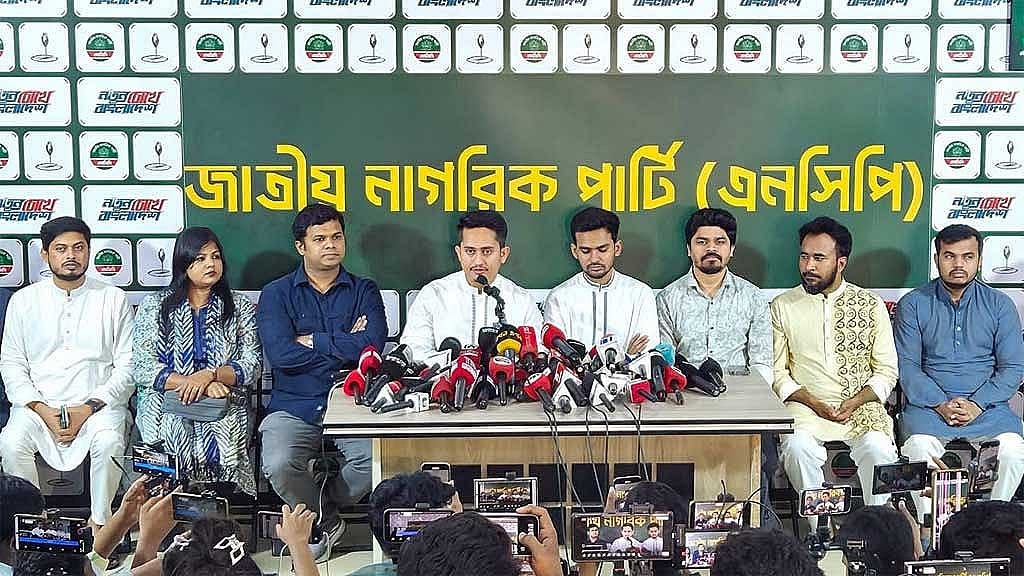
Born out of the July Uprising and led largely by young political actors, the NCP has already announced more than 100 candidates across city corporations, municipalities and Upazilas.
On Mar 29, it released names for five city corporations, followed by another batch on May 10 covering Upazilas and municipal areas.
Party leaders describe this as a deliberate design of early visibility.
Joint Member Secretary Akram Hossain said the party was prioritising independent participation regardless of coalition arrangements.
“Even if there is an alliance, we will first field our own candidates nationwide. Through this, we will strengthen organisational capacity,” he said.
“Later, if there is an alliance, we will participate accordingly. Even without one, the NCP will be fully prepared to contest independently.”
Party insiders say the approach is aimed less at immediate electoral gains and more at building organisational reach across the country.
BNP: Waiting for the Signal
In stark contrast, the BNP -- despite being the country’s largest political party -- has yet to begin any structured preparation for local government elections.
Multiple senior leaders acknowledge that no internal process has started regarding candidate selection or plan formulation.
A Standing Committee member said discussions had not yet reached the party forum.
Another senior leader pointed out that city corporations are currently under administrative control, making immediate elections unlikely.
Even at the Upazila and municipal levels, no clear pathway has been finalised.
BNP leaders say the key issue is structural: unlike parliamentary elections, local government polls will now be held without party symbols, following recent legal amendments.
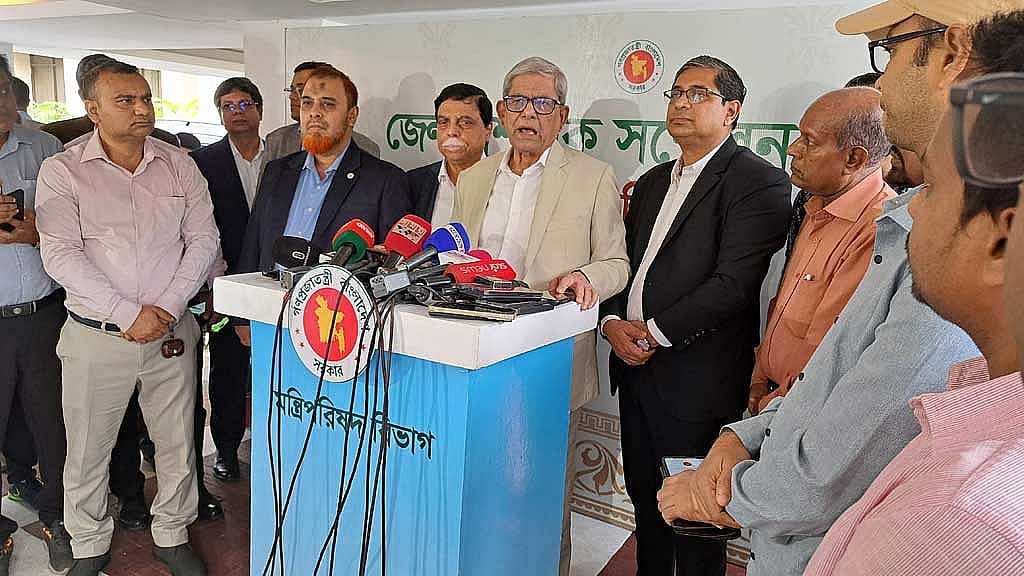
Secretary General Mirza Fakhrul Islam Alamgir said discussions would take place internally before any decision on candidates.
“Since the elections are not being held on party symbols, the question of selecting candidates will be discussed within the party first. Then a decision will be made,” he said.
The uncertainty reflects a broader strategic pause within the BNP as it adjusts to shifting electoral rules.
Smaller Allies and Ideological Groups Move Differently
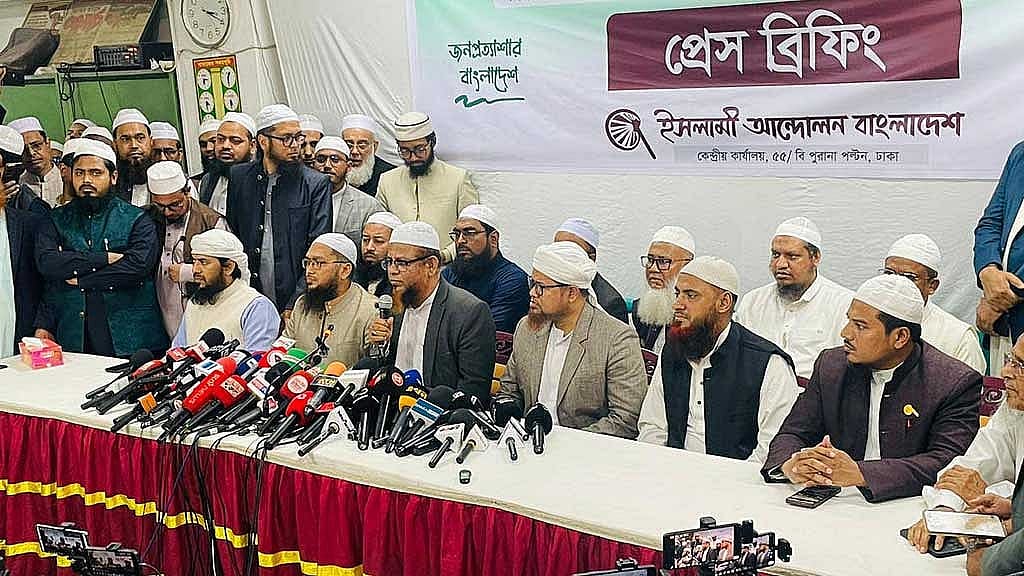
While the BNP hesitates, smaller parties -- particularly those aligned with Jamaat’s broader alliance -- are taking distinct positions.
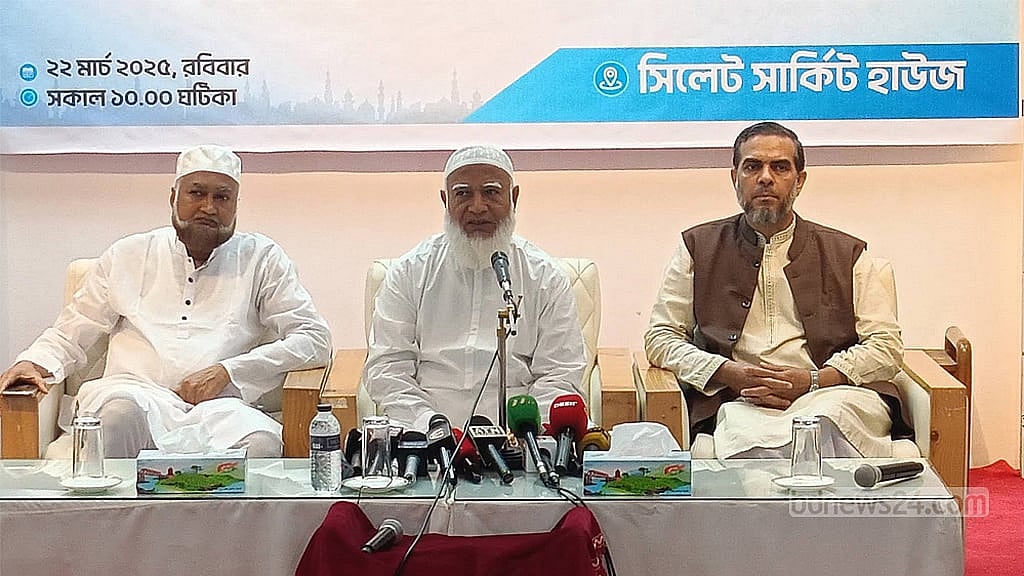
The Bangladesh Khelafat Majlis favours a coalition approach. Its chief Mamunul Haque said the party would contest across union, municipality and Upazila levels, but discussions on city corporations were still ongoing.
“We are preparing. In the past, Islamic parties did not prioritise local elections, but this time the situation is different,” he said.
He added that the July Uprising had created new political momentum at the grassroots level for religious parties.
The AB Party has also instructed interested leaders to prepare individually, signalling limited coordination at alliance level.
Meanwhile, left-leaning parties such as the Communist Party of Bangladesh (CPB), BaSaD and the Revolutionary Workers Party have begun internal discussions on candidate selection.
Leaders say they are considering focusing more on councillor and member-level positions rather than mayoral contests, while also exploring local alliances.
Leftist Approach: Local Alliances over National Alignment
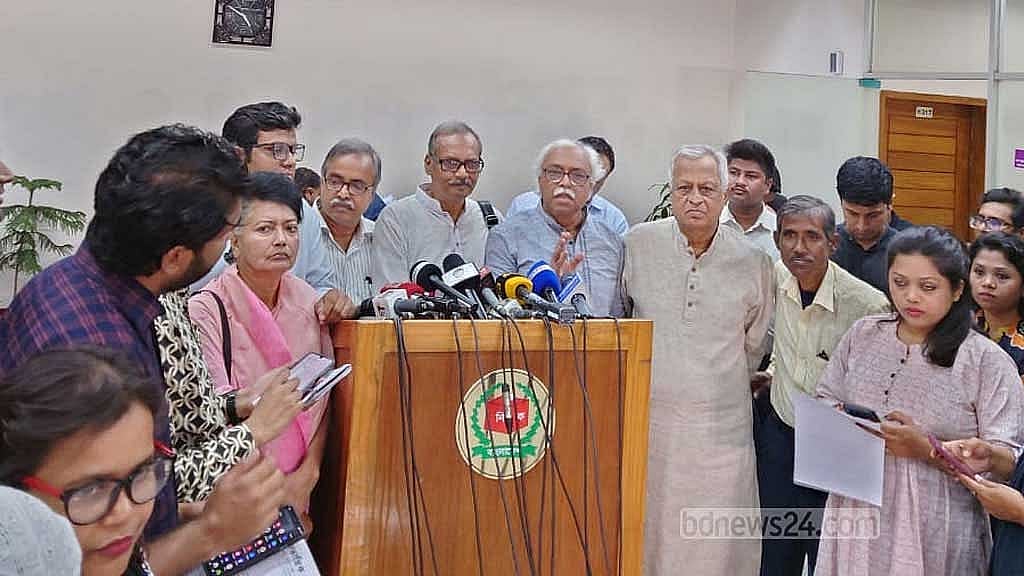
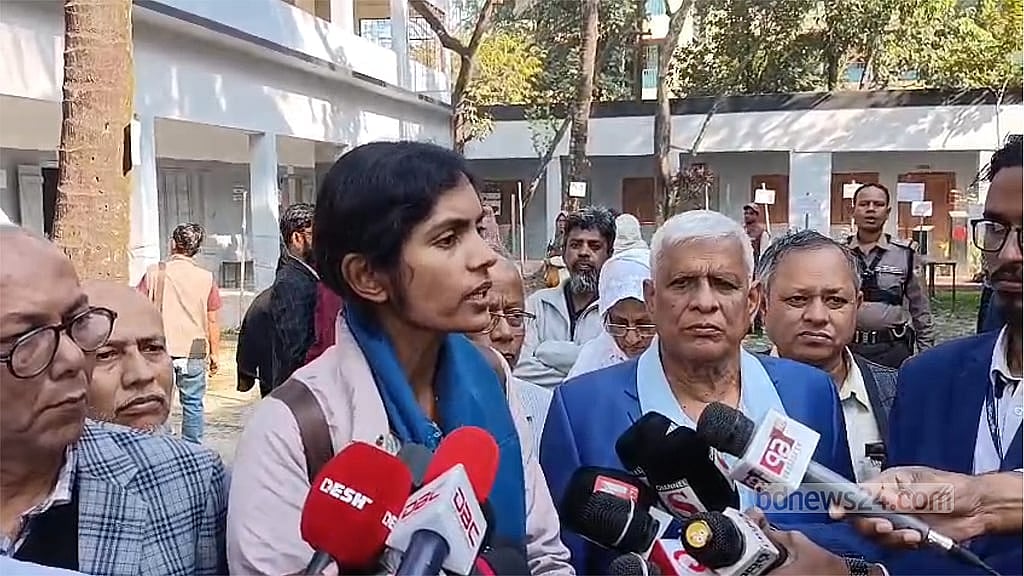
Left parties are leaning towards flexibility. CPB leader Ruhin Hossain Prince said decisions on alliances would depend on the electoral environment.
BaSaD General Secretary Bazlur Rashid Firoz said local committees had been instructed to identify suitable candidates, with emphasis on socially respected individuals.
Names under discussion include former mayoral contestants and local organisers across Dhaka, Barishal, Sylhet and Rangpur.
“We will support good candidates where they emerge, even outside our party,” Firoz said.
This reflects a broader plan of influence-building rather than outright electoral dominance.
Shifting Electoral Landscape
The legal framework itself has shifted.
Following the 2024 political transition, the interim government amended local government laws, removing party symbols from elections to city corporations, municipalities, Upazilas and union councils.
The reform followed recommendations from electoral and local government reform commissions.
However, concerns have already emerged that parties are effectively reintroducing party-style competition through early candidate announcements.
Election expert Badiul Alam Majumdar has criticised the trend, saying early candidate announcements undermine the intent of the reform.
“Political parties are effectively turning this into indirect party nomination,” he said.
He warned that if the spirit of non-partisan elections is not respected, it could recreate polarisation and conflict at the grassroots level.
Uncertainty over Sequencing
Even as preparations intensify, there is no clarity on which elections will be held first.
Officials have suggested that union council elections may be the starting point, but the Election Commission says no final decision has been communicated.
Election Commissioner Md Abdur Rahmanel Masud said there was still no clear roadmap.
Local Government Minister Mirza Fakhrul Islam Alamgir, however, indicated that UP polls were most likely to come first, possibly after the monsoon season.
A BNP insider said the government might move after the rainy season, possibly before winter.
Jamaat leaders say they are also awaiting formal guidance, though they expect UPs to lead the process.
Between Law and Practice
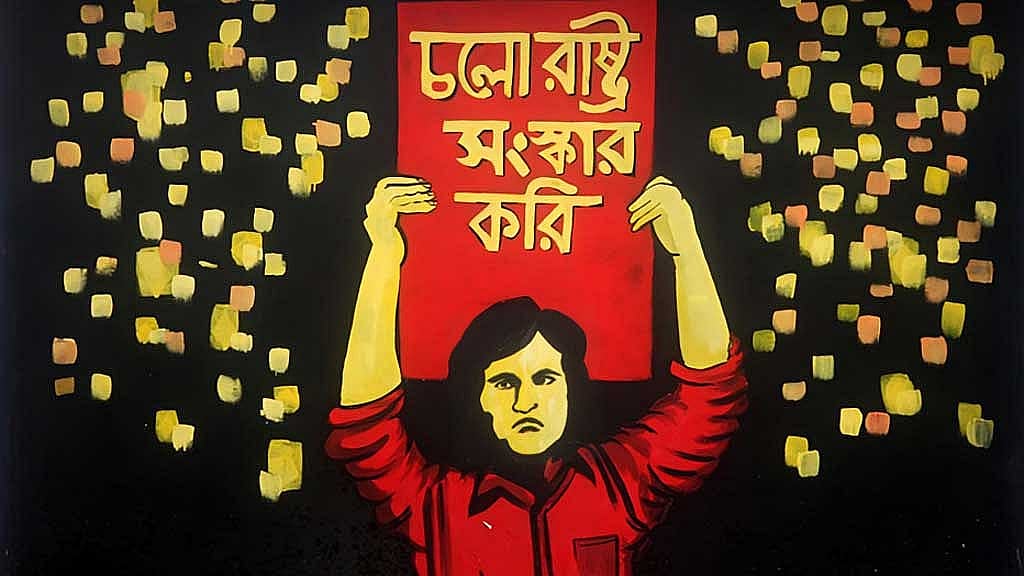
The shift to non-partisan local elections was intended to reduce party polarisation. Yet political activity suggests the opposite dynamic may be emerging: early mobilisation without formal symbols.
As Jamaat and the NCP accelerate candidate selection, The BNP’s lack of visible preparation contrasts with other parties’ early mobilisation.
Whether this leads to a reshaped grassroots political order -- or a rebranded version of the same partisan competition -- may depend on how the first round of elections is ultimately conducted.
For now, Bangladesh’s local government elections are no longer just administrative exercises. They are becoming the first real test of political strength in a changing system.