Published : 03 Jan 2026, 08:15 AM
Updated : 21 Aug 2026, 02:58 PM


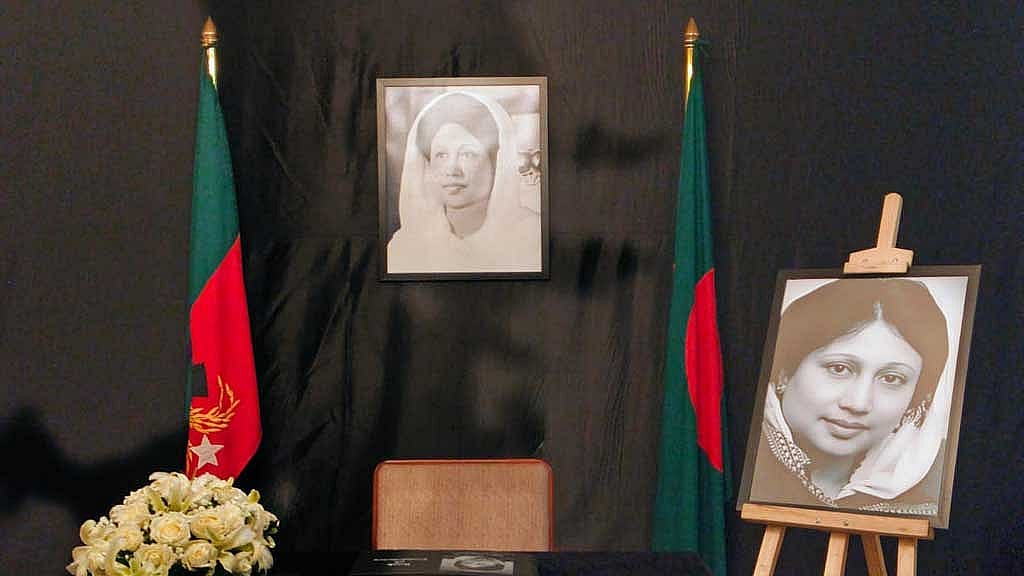
The final curtain has fallen on a major chapter of Bangladeshi politics with the passing of BNP chairperson Khaleda Zia, making the ascension of her eldest son, Tarique Rahman, a foregone conclusion.
Having returned home after more than 17 years of exile in London, the question now looms large: can Tarique’s leadership mettle bridge the immense void left by his mother?
Tarique first stepped into the political limelight during the BNP-led government in 2001, focusing his efforts on building a robust bridge with the party’s grassroots.
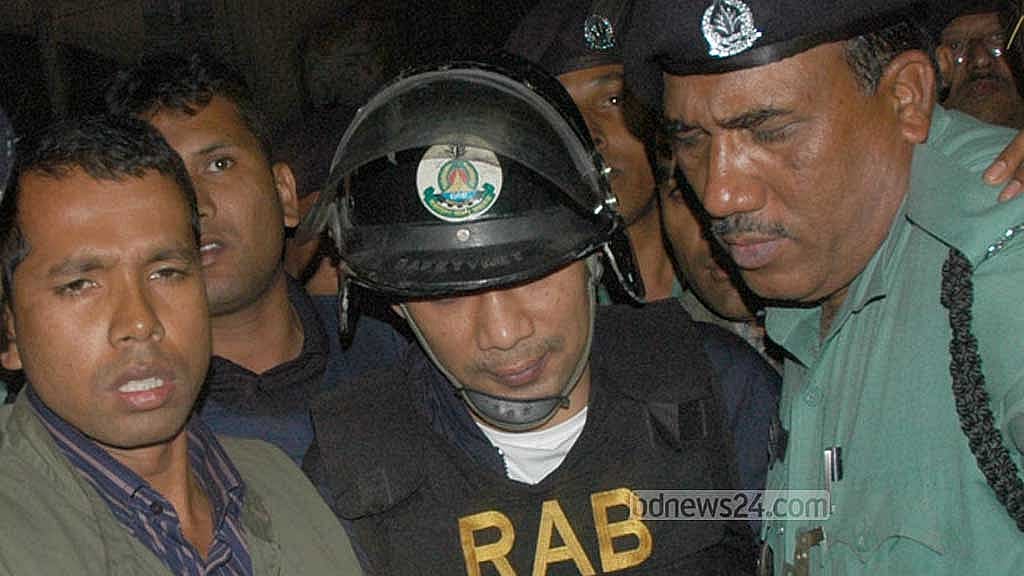
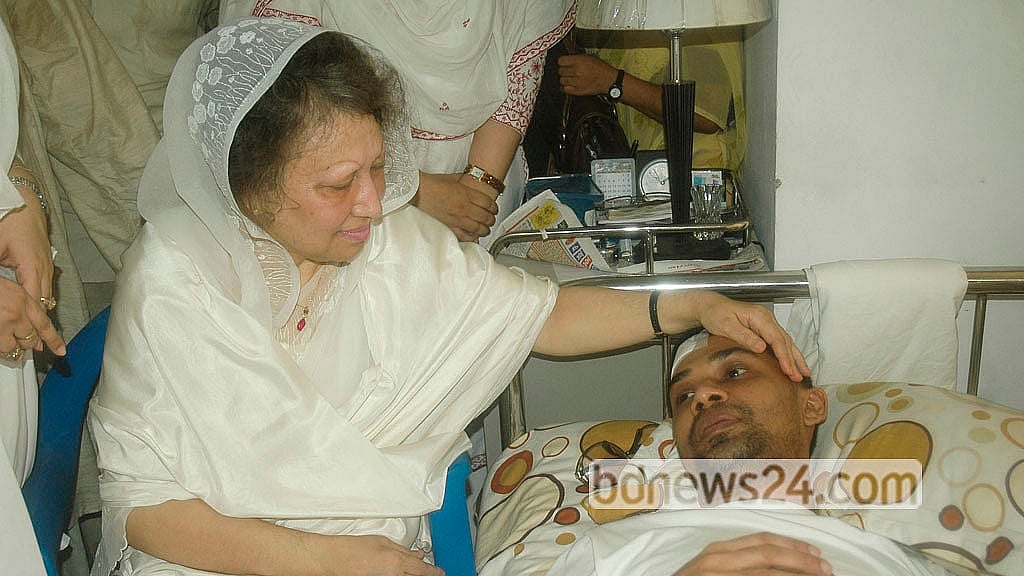
His trajectory was interrupted by the 2007 military-controlled caretaker government, which saw him incarcerated and later hospitalised before he left the country for London in 2008.
While abroad, he remained the digital heartbeat of the party, orchestrating affairs via video conferences.
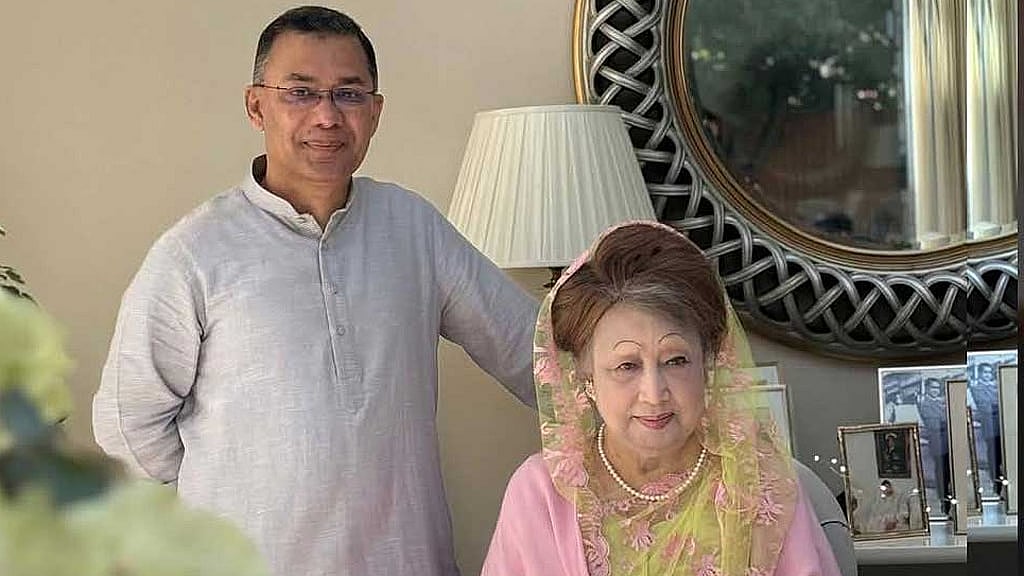
The mantle of leadership fell more heavily upon him in 2018 as acting chairman after his mother was imprisoned.
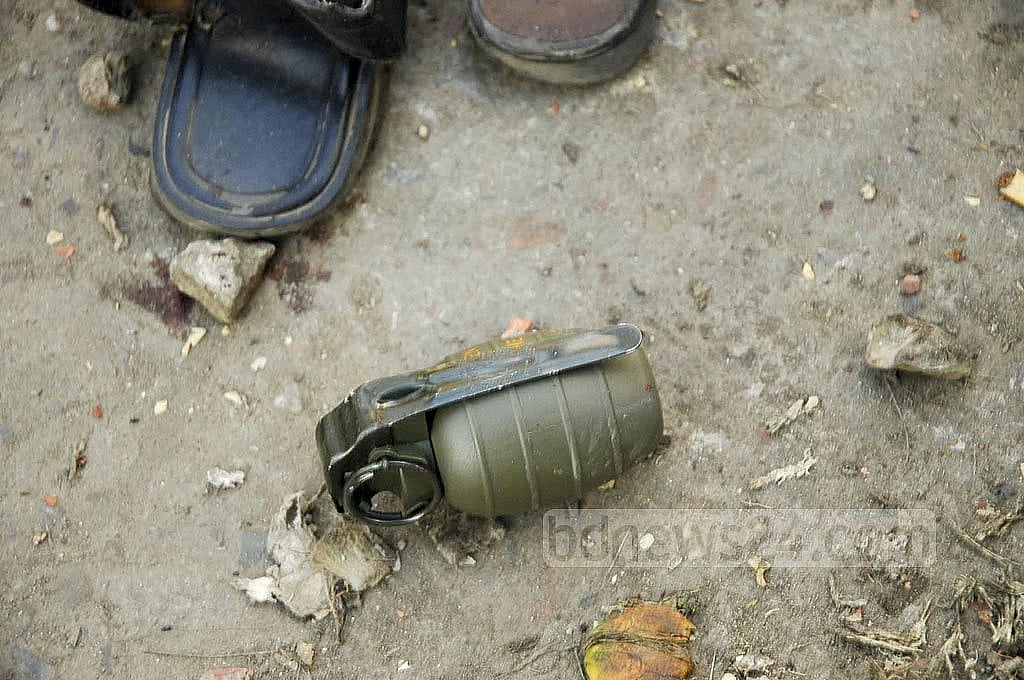
Despite several convictions in cases involving corruption and the Aug 21 grenade attack, the political upheaval of 2024 saw him cleared of those legal burdens.
Analysts now believe his primary hurdle is whether he can prune the party’s past baggage or if he will remain tethered to it as he attempts to reorganise the BNP in his own image.
With a national election on the horizon in a transformed political landscape, the task of navigating the BNP through the ballot box is immediate.
Author and researcher Mohiuddin Ahmad told bdnews24.com that while the loss of Khaleda is a blow, the transition should be manageable given Tarique’s longstanding role as the de facto head.
“If we look at the larger canvas, there is no vacuum; it gets filled. There is a shock, but it is absorbed. Sheikh Hasina filled a void, and Khaleda Zia filled the void left by Ziaur Rahman,” Ahmad noted.
He added that since Khaleda had been largely inactive for several years, the party was already accustomed to Tarique’s direction from London.
Tarique returned amid a massive reception by party leaders and activists. Five days later, he lost his mother.
He now begins his leadership journey carrying Khaleda’s political legacy and policy orientation, though analysts say he must also carve out his own path rather than remain confined to the old mould.
Political analyst Asif Md Shahan pointed out that Tarique is losing the seasoned "inner circle" that advised his mother.
He noted that this team is dismantling due to age and the changing demands of a new generation.
Shahan, a professor at Dhaka University, identified two pivotal challenges for the new leader. "First, he must build his own team -- one he can trust to offer sound, rational advice rather than sycophancy.
“Second, he must possess the same temperament as his mother to actually listen to and weigh that expert counsel.”
At Khaleda’s funeral prayers on Wednesday, BNP Standing Committee member Nazrul Islam Khan said the party intended to move forward under Tarique’s leadership, guided by the late leader’s life and struggles, with democracy, peace, development and prosperity as its goals.
THE ASCENT TO THE TOP
According to his official biography on the BNP website, Tarique’s political baptism occurred during the anti-Ershad movement in the 1980s.
He became a primary member in 1988 in Bogura and was instrumental in introducing democratic internal elections for party posts in 1993.
Ahead of the 2001 election, he set up a Dhaka office to research local governance and public administration. After the BNP-led alliance came to power, he did not take any government post.
He was appointed senior joint secretary-general in 2002, organised nationwide grassroots conferences in 2005, and was arrested during the army-backed caretaker government in 2007.
The BNP elected him senior vice-chairman in 2009, and he gradually took charge of party reorganisation.
After Khaleda was jailed in February 2018, he was named acting chairaman.
In 2023, he unveiled a 31-point reform proposal, which the party has since embraced as a roadmap.
Since returning home, he has said he already has a plan for rebuilding the country and seeks public support to implement it.
Despite his organisational successes within the party, Prof Shahan believes Tarique still needs to "reintroduce" himself to the general public.
"The people of the country have yet to fully know him as a resident leader. His challenge will be to project how he thinks and whether he can carry forward his mother’s legacy in this new reality," he said.
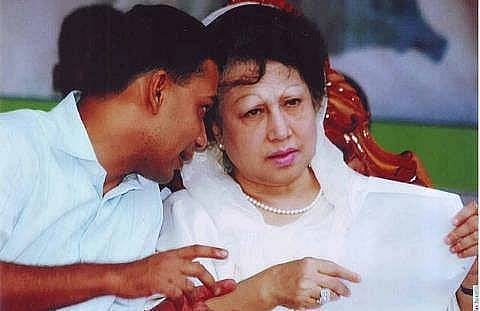
EXILE, CONVICTIONS, CONTROVERSY
The road back to Dhaka was paved with legal and physical hardship. Arrested on Mar 7, 2007, Tarique faced 13 cases and allegations of custodial torture.
He left for the UK in 2008 with his wife Zubaida Rahman and daughter Zaima Rahman on "medical grounds”, a trip that turned into an exile as his passport was never renewed and he reportedly sought political asylum.
During his absence, the BNP hit its lowest ebb. Khaleda was evicted from her Cantonment residence in 2010.
After boycotting the Jan 5, 2014 election, the party was pushed out of parliament and back onto the streets.
Years of protests failed to dislodge the Awami League. In 2015, Khaleda’s younger son Arafat Rahman Coco died, another heavy blow.
Tarique remained unable to return, his passport expired and not renewed, leaving him a fugitive in the eyes of the courts.
The Awami League government filed a further 72 cases against him, resulting in five convictions, including a life sentence for the Aug 21 attack. The High Court barred the broadcast of his speeches.
A significant part of his challenge involves scrubbing the "Hawa Bhaban" reputation.
Opponents long painted his former political office as a "parallel centre of power" and a hub of corruption.
Leaked US diplomatic cables from 2005 even quoted a top official calling him "corrupt”.
Senior journalist Mozammel Hossain suggested that for Tarique to lead a modern democracy, he must make the party’s internal finances and decision-making more transparent.
"Whether it is the BNP or a future Awami League, if parties do not practice internal transparency regarding funds and donors, we cannot build a modern democratic state," he said during a bdnews24.com discussion.
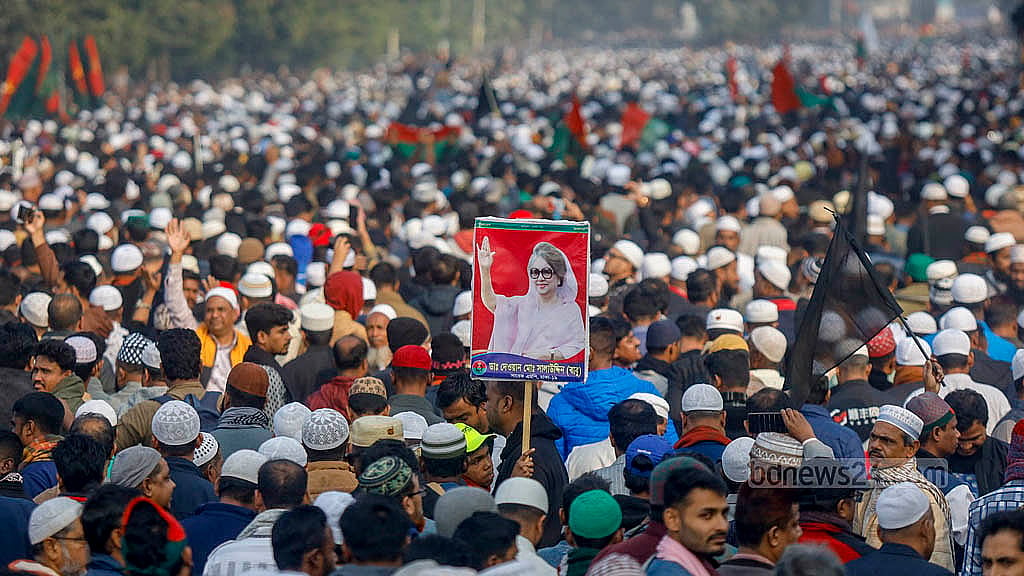
THE ROAD AHEAD
Tarique returned to a vastly different Bangladesh on Dec 25. The Awami League, his traditional foe, is in disarray following the Aug 5 revolution, with Sheikh Hasina in India and the party barred from the Feb 12 elections.
Ironically, Tarique’s toughest competition now comes from his long-term ally, Jamaat-e-Islami.
Both the BNP and Jamaat are preparing for the polls by forming two distinct "understanding alliances”.
Most political parties, large and small, are now polarised between these two major powers.
The BNP has secured electoral understandings with Jamiat Ulema-e-Islam, Nagorik Oikko, Bangladesh Jatiya Party (Kazi Zafar), Islami Oikya Jote, Ganosamhati Andolon, Revolutionary Workers Party of Bangladesh, NPP, and Gono Odhikar Parishad.
In a boost to the party, Bangladesh LDP Chairman Shahadat Hossain Selim and Bangladesh Jatiya Dal Chairman Syed Ehsanul Huda have formally joined the BNP with their activists.
Furthermore, NDM Chairman Bobby Hajjaj, LDP Secretary General Redwan Ahmed, and Gono Odhikar Parishad General Secretary Rashed Khan have left their respective parties to contest the election under the “Sheaf of Paddy” symbol.
Conversely, Jamaat had already been leading a movement with seven like-minded parties.
This eight-party bloc includes Islami Andolan Bangladesh, Khelafat Majlis, Bangladesh Khelafat Majlis, Bangladesh Khelafat Andolan, JAGPA, Bangladesh Nezame Islam Party, and Bangladesh Development Party.
Most recently, the National Citizen Party (NCP) -- a new force formed by leaders of the July Uprising -- along with Oli Ahmed’s LDP and the AB Party, have entered into electoral understandings with the Jamaat-led alliance.
The shift towards Jamaat, however, caused internal friction within the NCP, leading several leaders to resign; some are now running as independent candidates, while others have withheld their nomination papers entirely.
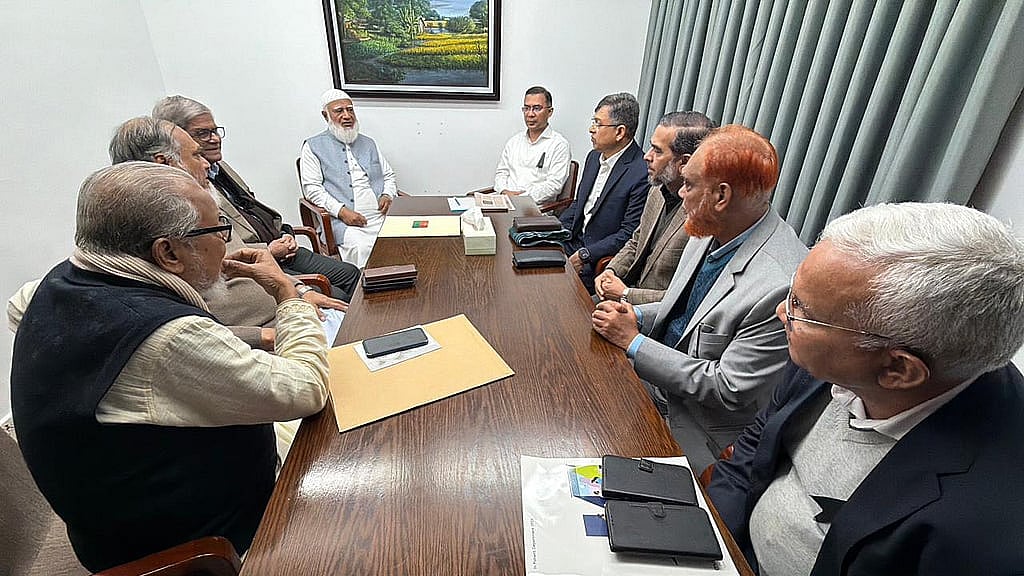
In recent speeches, Tarique has been vocal about Jamaat’s role in the 1971 and the party’s use of religion in politics.
While the Jamaat has gathered faith-based groups under one umbrella, the BNP has reached out to leftist and centrist organisations.
This shift has sparked debate in political circles over whether the BNP, under Tarique's leadership, will pivot towards a more liberal stance. Analyst Shahan, however, believes the status quo will remain.
“I don’t think there will be a significant change right now. I don’t believe the BNP will shift entirely to the left or become a purely ‘liberal political party’,” he said, suggesting the party's grassroots would likely resist such a transformation.
Recalling the policies on women’s education adopted by the BNP government in 1991, Shahan added: “It seems likely that the BNP will continue by blending that ‘liberal mindset’ with its existing ‘conservative base’.”