
Published : 21 Aug 2025, 09:37 PM
Updated : 21 Aug 2026, 01:41 PM


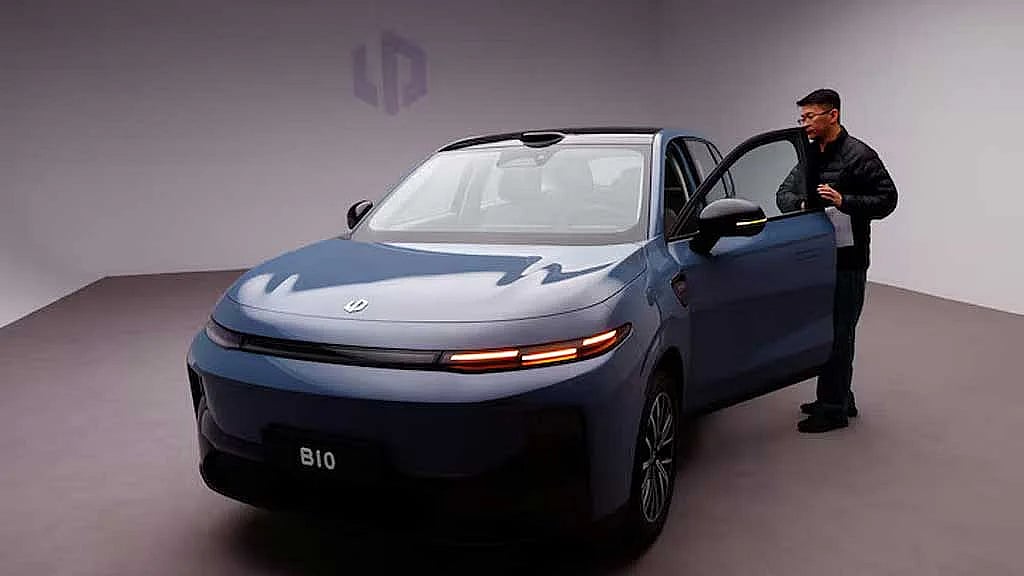
Size isn't everything - and China's car price war is the latest to prove it. Smaller players including Stellantis partner Leapmotor and smartphone maker Xiaomi have by some measures outpaced the world’s biggest electric-vehicle maker BYD since 2022, when companies first began slashing prices to win customers. Mid-size manufacturers can’t depend on economies of scale alone, so they exploit other advantages like tech and branding.
Recent results suggest that’s working. Leapmotor reported its first-ever half-year profit of 30 million yuan ($4.2 million) on Tuesday. Xiaomi’s fledgling electric-car unit narrowed its operational loss to 300 million yuan in the second quarter and reckons it could turn profitable later this year. Xpeng more than halved its own net loss to 1.1 billion yuan, and analysts at Bernstein now think it could break even in the fourth quarter.
They are doing well by other measures, too. Consultancy Automobility reckons $12.6 billion Leapmotor’s share of China's new energy vehicle market reached 3.7 percent in the first half, more than double its 2022 level. Xiaomi, which started exploring EVs in 2021 and launched its first car last year, sold nearly 160,000 vehicles in the first half. Their shares have rallied by around 200 percent and 500 percent respectively since the first salvos of the price war were fired. BYD's Hong Kong-listed stock, by contrast, trails with a 75 percent rise; and while its market share has grown since 2022, its piece of the pie has recently fallen below 30 percent, compared with 33.8 percent a year ago.
One successful tactic is a technological edge. Leapmotor, Xiaomi and Xpeng developed their own assisted driving systems, for example. They have proportionately higher research and development budgets than larger rivals, with Xpeng's hitting 12 percent of revenue and Leapmotor's almost 8 percent in the first half of 2025. By contrast, BYD is forecast to spend 6.6 percent of its top line on R&D this year, per LSEG data. As well as using their know-how in their own products, they both license their tech - Leapmotor to Stellantis and Xpeng to Volkswagen.
Branding is another variable. Xiaomi's smartphones and electronics had already made it a household name in China. Seres, another carmaker thriving amidst intense competition, achieved something similar by partnering with mobile phone giant Huawei, which provides software and displays its vehicles across hundreds of stores in China. In April, its AITO M8 model tallied 30,000 orders within 24 hours, according to the group's prospectus for its upcoming Hong Kong listing.
China's car wars are producing some unexpected victors.
[Katrina Hamlin is global production editor, based in Hong Kong. She is also a columnist, writing on topics including autos and electric vehicles, as well as the gambling industry in Macau and Asia]