Published : 29 Oct 2025, 06:17 AM
Updated : 21 Aug 2026, 02:39 PM


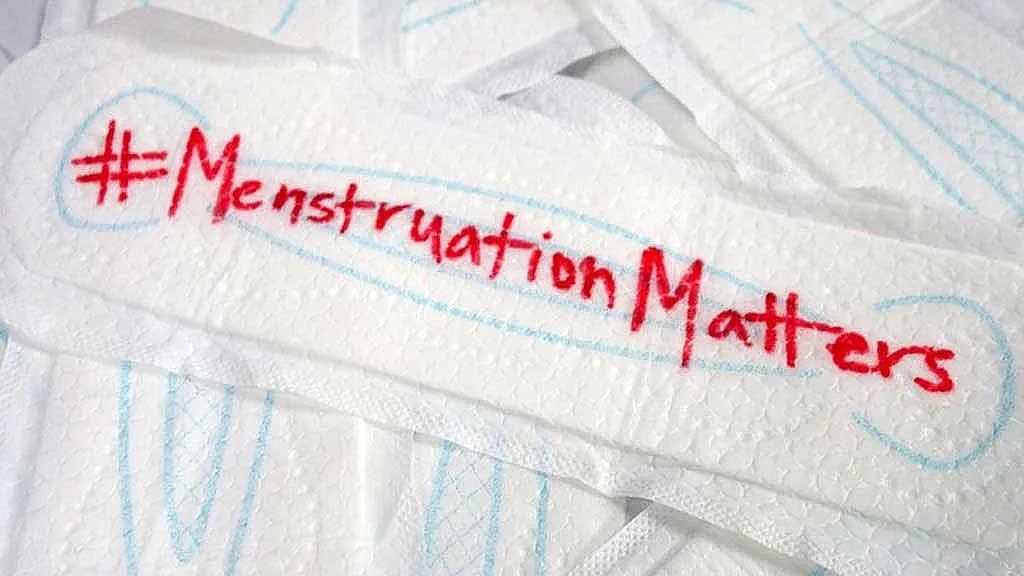
A 25-year-old Pakistani woman has taken the government to court, demanding an end to the “period tax” on sanitary pads, arguing that the taxation “violates” women’s constitutional right to equality and dignity.
According to a report by NDTV, Mahnoor Omer, who grew up in Rawalpindi, has filed a public interest litigation in the Islamabad High Court against several state bodies, including the National Commission on the Status of Women, the National Commission of Human Rights, the Ministry of Finance, and the Federal Board of Revenue.
The report said the case, titled Mahnoor Omer vs Federation of Pakistan, seeks to classify menstrual hygiene products as basic necessities rather than luxury goods.
The petition says such high taxation treats a basic need as a luxury item, which is “illogical and reinforces gender inequality”.
It added that this financial burden makes essential hygiene products inaccessible to many women, particularly from low-income groups.
In an interview with Al Jazeera, cited by NDTV, Omer recalled hiding pads in her school uniform sleeve “like a drug addict hiding a substance”.
Teachers would scold anyone who spoke openly about menstruation, she said. One classmate even told her that her mother considered pads a “waste of money”.
Omer, who is now a lawyer, said she became involved in human rights work as a teenager when she and her friends made “dignity kits” for low-income women in their neighbourhoods.
“That’s when it hit me -- if middle-class families think this way, imagine how out of reach these products are for others,” she said.
Her lawyer Ahsan Jahangir Khan described the lawsuit as a matter of justice, not taxation. “It’s a tax on a biological function,” he said. “Men don’t face it, so why should women?”
He added that Pakistan’s “male-dominated” policymaking has long ignored women’s realities.
The report said the Pakistani government currently charges 18 percent sales tax on locally made sanitary pads and 25 percent customs tax on imported ones or their raw materials.
When local levies are included, UNICEF estimates that the total tax can rise to around 40 percent.
A pack of 10 sanitary pads costs around Rs 450 (nearly Tk 540), while the average monthly income in Pakistan is Rs 33,000 (about Tk 39,600), meaning the price equals the cost of a family meal for a low-income household, it said.
If the tax were removed, the price would drop to around Rs 270 (about Tk 324), the report added.
According to UNICEF and WaterAid, only 12 percent of Pakistani women currently use sanitary pads, while the rest rely on cloth or other unsafe alternatives, the report said.