Published : 11 Feb 2026, 07:36 AM
Updated : 21 Aug 2026, 03:08 PM


As Bangladesh heads to the polls, the broad contours of the election are largely visible. Yet beneath that surface clarity lies a smaller, more volatile terrain.
Across the country, dozens of constituencies have emerged where party arithmetic no longer holds, traditional loyalties have blurred, and voters themselves appear undecided until the final hours.
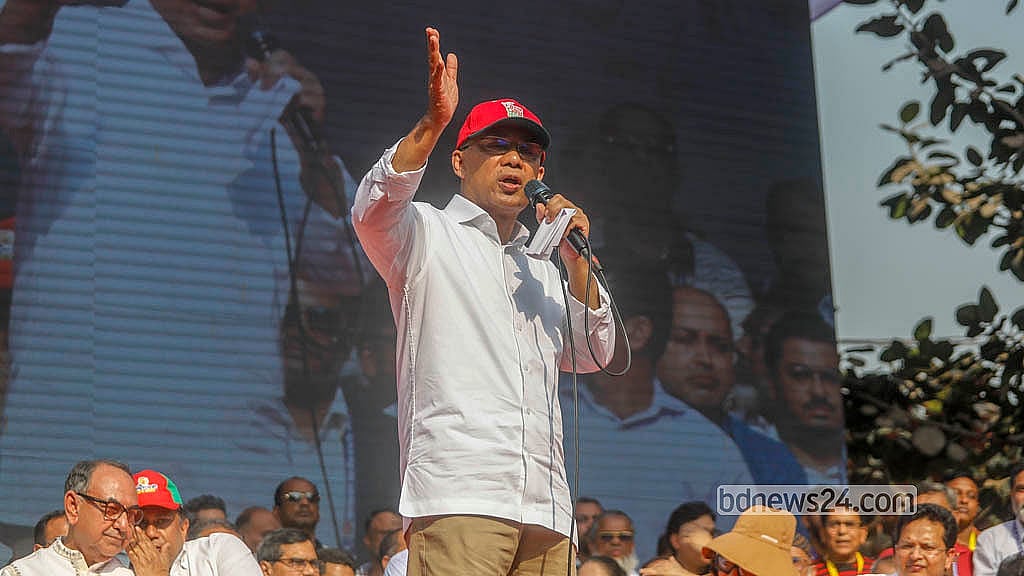
In these seats, “rebel” candidates disrupt long-set calculations, and silent vote banks -- once taken for granted -- could quietly decide who wins and who falls short.
Even without the Awami League on the ballot, its dormant support base looms large. Alongside minority voters and local power brokers, it remains capable of tipping contests that are balanced on a knife-edge.
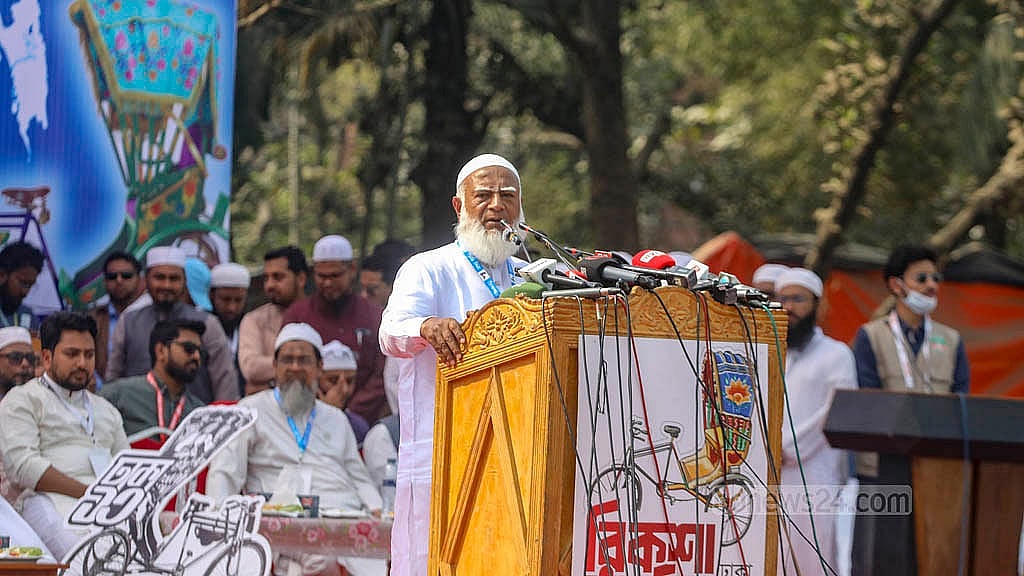
Voters, grassroots organisers and local observers point to a defined set of such constituencies where margins appear razor-thin, with outcomes hinging on turnout and late shifts.
Alongside the parliamentary polls, citizens will also cast ballots in a referendum on implementing the July National Charter on state reform -- a simultaneous test of political power and national direction.
The contest pits the Bangladesh Nationalist Party (BNP), the Jamaat-e-Islami–led alliance, Islami Andolan Bangladesh, the National Citizen Party (NCP), and dozens of smaller parties and independents against one another -- often with influence exceeding their numerical strength.
“Rebel” candidates, most of them dissidents from within the BNP, have added further volatility to an already unpredictable field.
According to the Election Commission (EC), voting will take place in 299 of the country’s 300 seats, following the death of a candidate in Sherpur.
A total of 2,028 candidates are contesting, with an electorate of 127.71 million -- including 64.83 million men, 62.89 million women, and 1,232 voters from the third-gender community.
NO ROOM FOR SIMPLE CALCULATION
Campaigning formally began on Jan 22 amid allegations and counter-allegations. As the days passed, the true contours of voter support began to surface -- though rarely in straight lines.
In several constituencies, candidates remained inactive, contested from jail, or withdrew at the last moment, reshaping local equations overnight. Seats once assumed to be straightforward contests evolved into three-way fights; others narrowed unexpectedly.
Voters say that in most competitive seats, the BNP and Jamaat remain the principal contenders. Yet in many areas, BNP-backed independents have dramatically altered the terrain, creating viable paths to victory of their own.
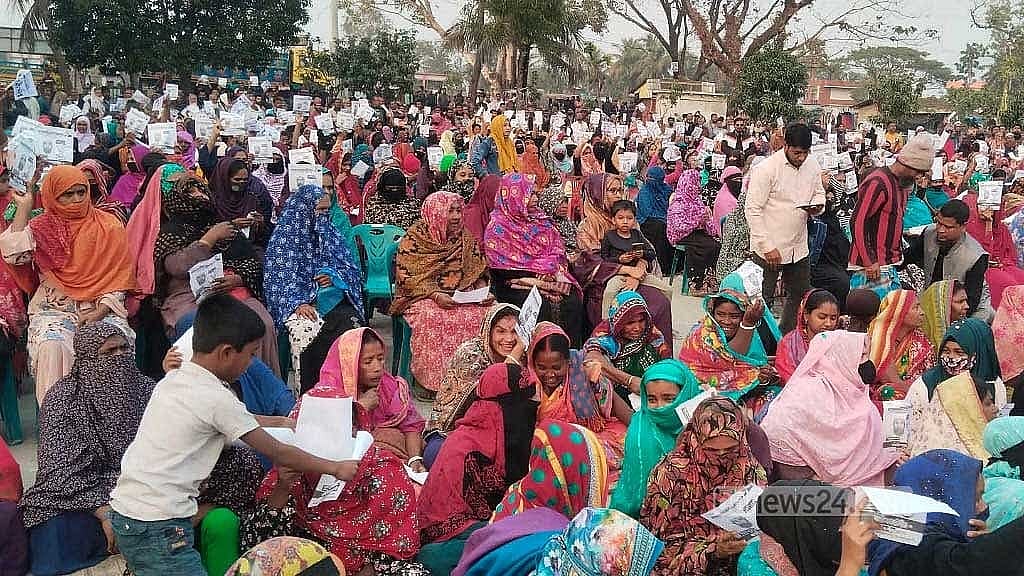
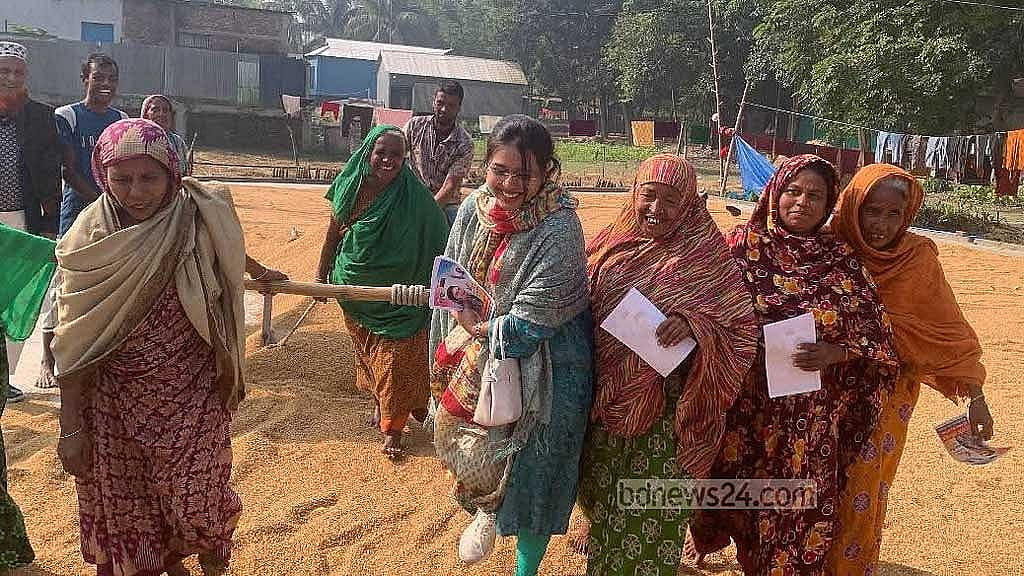
In these races, the latent vote bank of the Awami League -- and, in some constituencies, minority voters -- has emerged as a decisive factor, with supporters aligning pragmatically behind candidates seen as locally viable.
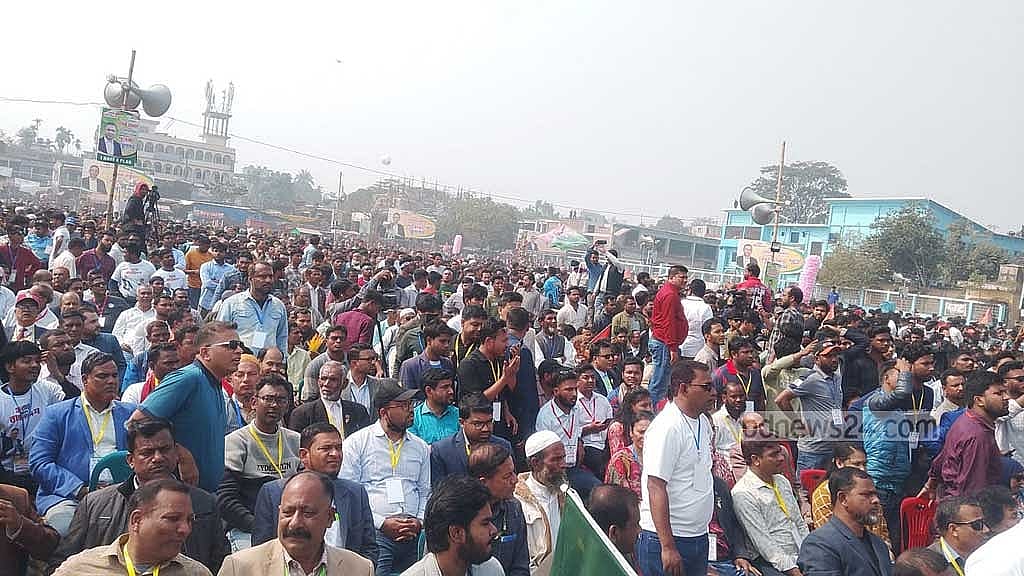
NOT ALL INDEPENDENTS ARE “REBELS”
Not every independent candidate is defying party discipline. In several constituencies, non-aligned figures are drawing cross-party support based on personal standing, lineage, or grassroots credibility.
In Narsingdi-3, BNP district general secretary Manjur Elahi faces a stiff challenge from Ariful Islam Mridha, a former Shibpur Upazila chairman and multiple-time UP chairman. Though not a BNP member, Mridha is a political protégé of former BNP secretary general Abdul Mannan Bhuiyan. NCP candidate Sarwar Tushar is also in the race, but voters identify Mridha as the principal challenger.
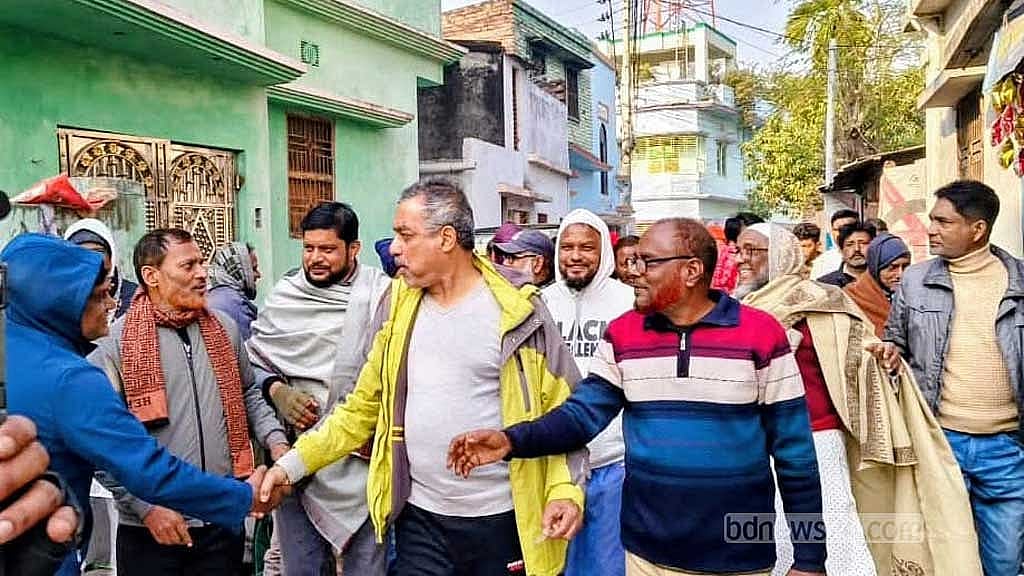
In Joypurhat-1, independent candidate Sabekun Nahar Shikha -- a garment industry entrepreneur who won the Panchbibi Upazila chairman election in 2024 -- has emerged as a serious rival to BNP candidate Masud Rana Prodhan, alongside Jamaat’s Fazlur Rahman Sayed.
Similar dynamics are playing out in Faridpur-4, where BNP’s Shahidul Islam Babul faces challenges from independent Mujahid Beg, Bangladesh Khelafat Majlis candidate Mizanur Rahman Mollah, and Jamaat’s Sarwar Hossain.
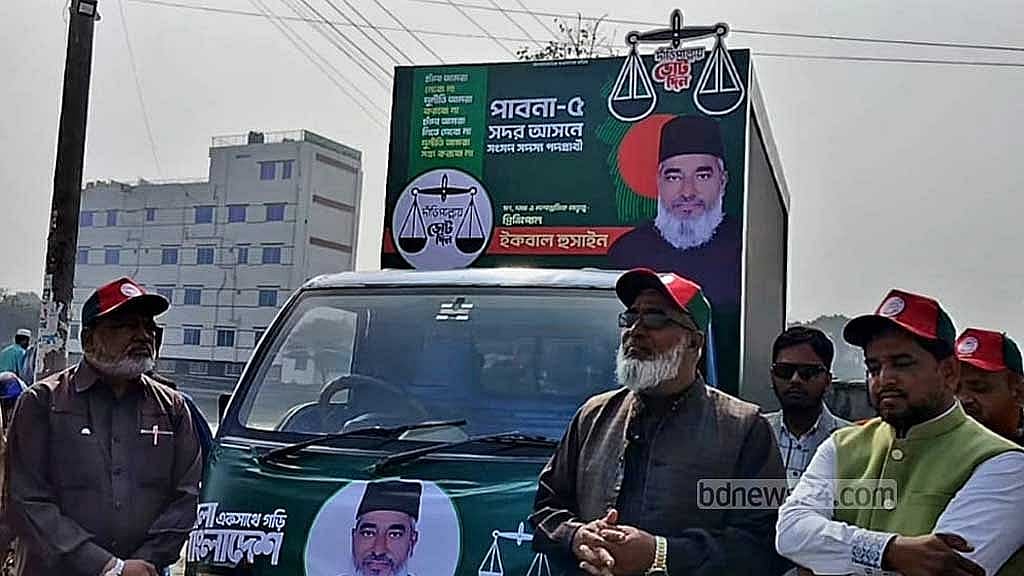
“REBEL” CANDIDATES UNDER SCRUTINY
Most candidates defying party decisions come from the BNP. Jamaat has only one such rebel -- Jasim Uddin in Mymensingh-6.
After nominations were finalised, nearly 200 BNP leaders initially entered the race as independents. Many later withdrew following negotiations, but around 50 remain, continuing to reshape outcomes.
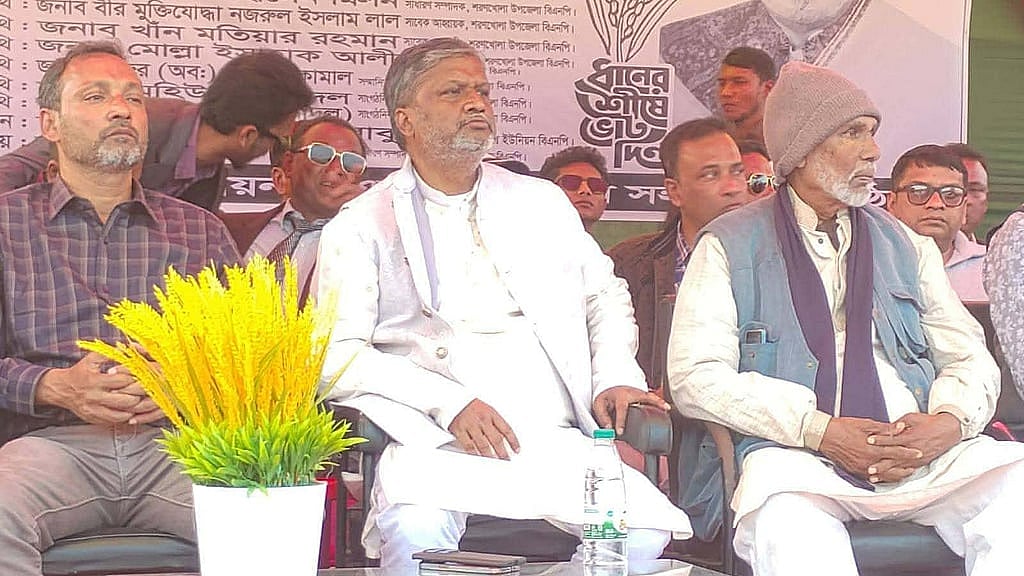
In Natore-1, BNP candidate Farzana Sharmin Putul faces a complex contest despite her brother Yasir Arshad Rajan withdrawing in her favour. Independent BNP figure Taiful Islam Tipu remains influential, alongside Jamaat’s Abul Kalam Azad.
In Mymensingh-1, violent clashes between BNP supporters and rebels have already claimed a life. BNP joint secretary general Syed Emran Saleh Prince faces fierce competition from businessman Salman Omar Rubel, with voters predicting a direct showdown.
BNP election committee member Ruhul Kabir Rizvi told bdnews24.com:
“The BNP is contesting the election as a party. We are united behind the Sheaf of Paddy symbol. Those who are contesting outside party decisions are no longer BNP members.”
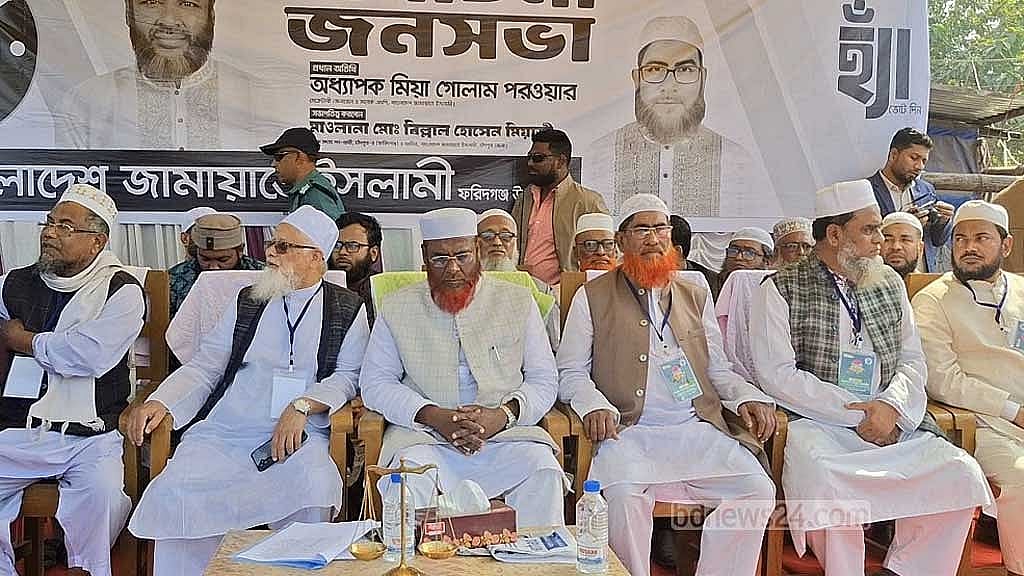
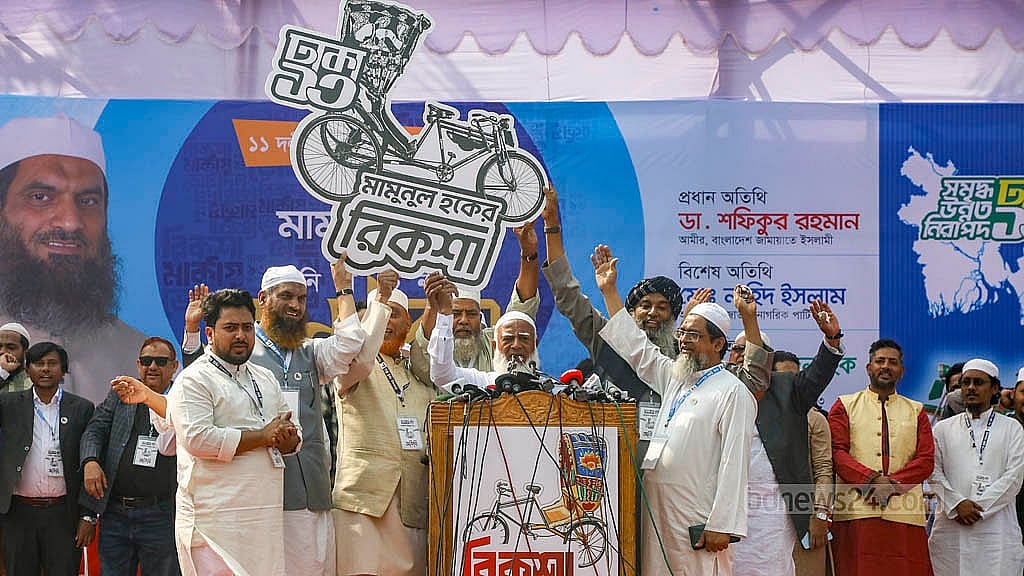
Jamaat spokesperson Ahsanul Mahboob Zubair said coalition conflicts had been reduced to four or five seats, warning:
“If withdrawals do not happen, both sides will benefit -- and both will face uncertainty.”
SEATS WHERE BATTLE IS FIERCEST
As things stand, a two- or three-way near-dead heat could emerge from the following constituencies:
Panchagarh-2: BNP’s Farhad Hossain Azad vs Jamaat’s Shafiullah Shafi
Thakurgaon-2: BNP’s Abdus Salam vs Jamaat’s Abdul Hashim
Dinajpur-2: BNP’s Sadiq Riaz Chowdhury vs Jamaat’s AKM Afzalul Anam
Nilphamari-1: Jamiat e-Ulama-e-Islam’s Manjurul Islam Afendi vs Jamaat’s Abdus Sattar vs Jatiya Party’s Taslim Uddin
Rangpur-5: Two candidates named Golam Rabbani -- one BNP, one Jamaat -- fuel voter curiosity
Chapainawabganj-3: BNP’s Harunur Rashid vs Jamaat’s Nurul Islam
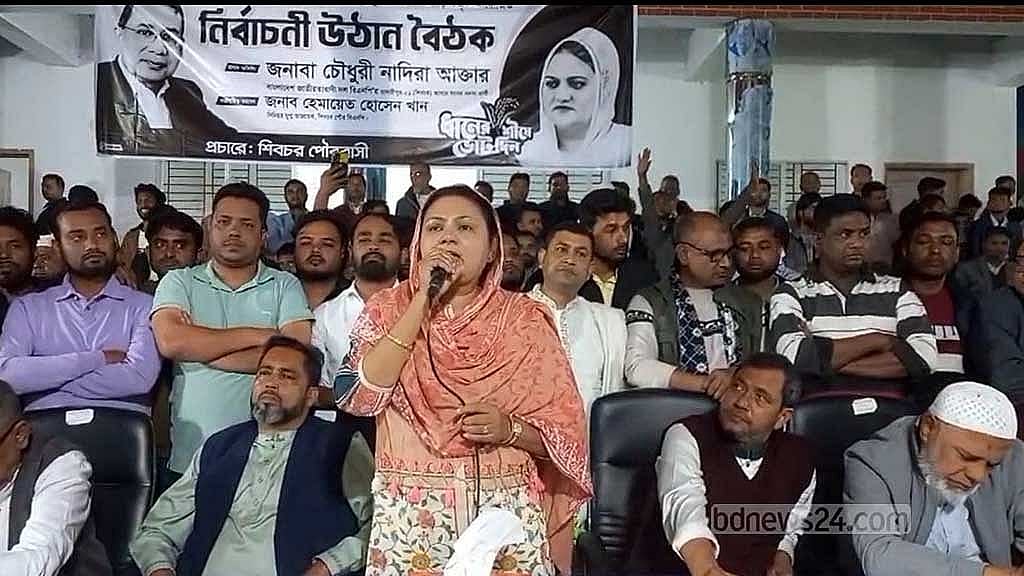
Rajshahi-4: BNP’s DM Ziaur Rahman vs Jamaat’s Abdul Bari Sardar
Pabna-1: BNP’s Shamsur Rahman vs Jamaat’s Nazibur Rahman Momen
Khulna-5: Former MPs Ali Asgar Lobi (BNP) vs Mia Golam Porwar (Jamaat)
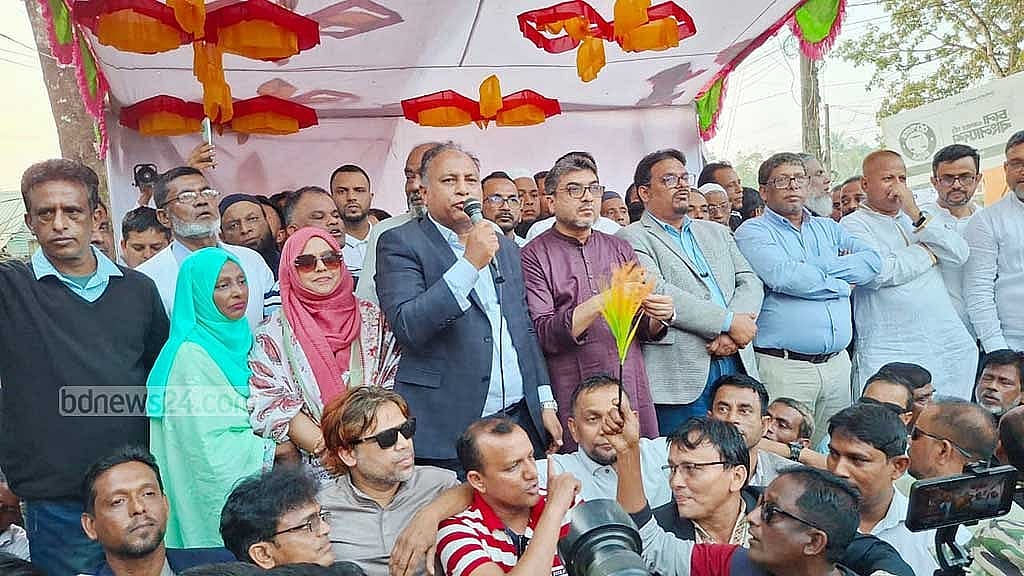
Dhaka-12: A three-way contest among three candidates named Saiful
Mymensingh-6: A four-way race involving BNP, Jamaat, and expelled leader Jasim Uddin
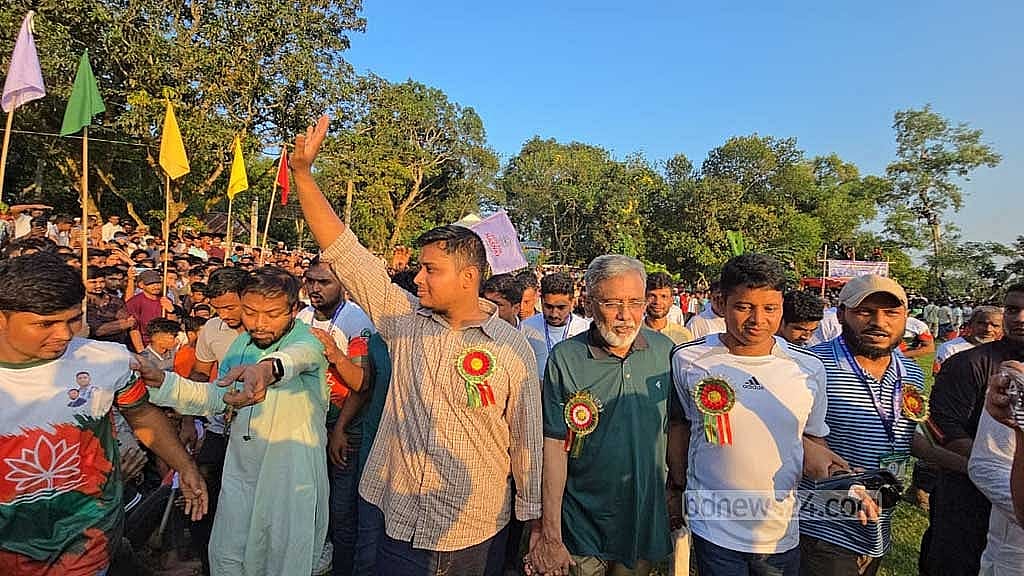
Sylhet-6: BNP’s Emran Ahmed Chowdhury vs Jamaat’s Mohammad Selim Uddin
With the Awami League absent but its vote bank still relevant, Bangladesh’s election has become a contest not merely of parties, but of shifting loyalties, silent alliances, and intensely local calculations.
In seat after seat, voters repeat the same refrain: nothing is settled.
In these seats, the election will not be decided by early projections -- but by who survives the final count.