Published : 10 Feb 2026, 07:49 AM
Updated : 21 Aug 2026, 03:08 PM


On a cool February morning, Bangladesh will vote under the long shadow of an uprising -- its streets quieter now, but its questions unresolved. When the ballots are cast, the country will be asking not just who wins, but who decides.
Nearly a year and a half after a student-led mass uprising toppled the Awami League regime, the country is preparing for its parliamentary election on Feb 12, alongside a nationwide referendum.
It will be the first general election since power shifted through the streets rather than parliament -- and it arrives amid deep unease, raw memories, and a newly politicised electorate.
Election officials and analysts point to two groups likely to determine the outcome: young voters and women. Together, they form a demographic force large enough not merely to tilt the balance, but to redraw it.
WOMEN UNDER THE SPOTLIGHT
For Tanzirul Dilshad Ditan, a communications professional with more than two decades of experience leading major advertising agencies, the picture is already clear.
In this election, she believes, women voters will emerge as the principal arbiters of victory and defeat.
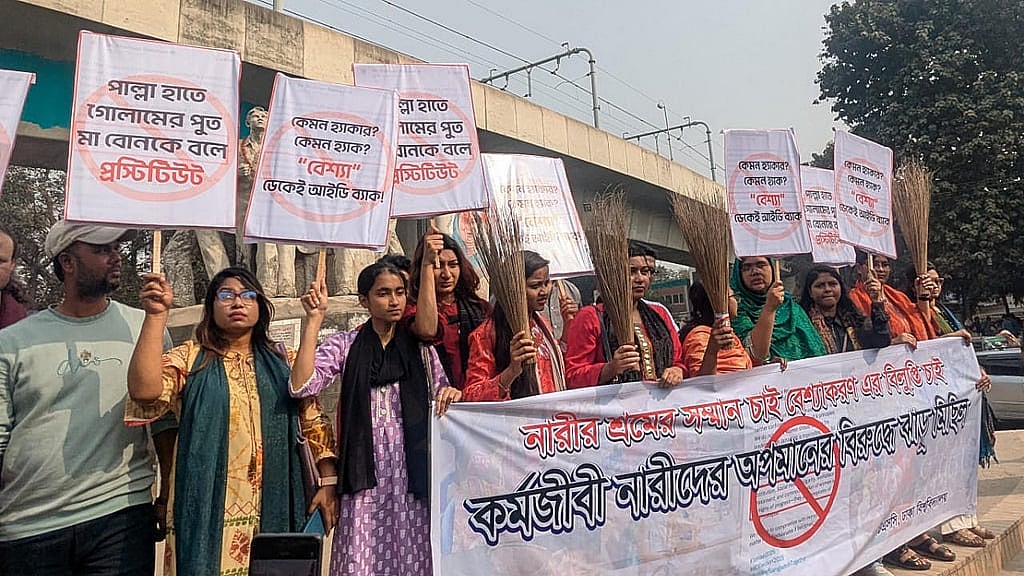
Actively engaged in political and social campaigns, Ditan argues that working women will prioritise safety and social security above all else.
“The politics of division and the spread of mob culture that have grown after political change,” she said, “are pushing a large section of women towards those who can ensure their financial independence and personal development.”
“For any working woman -- married, unmarried, or a single mother -- financial autonomy and self-development are essential. To secure that, social and state protection is indispensable.”
“Right now, no one in this country -- women, men, or children -- is truly safe. And when a major political party speaks of placing women ‘like queens’, it hardly needs spelling out whom working women might choose to vote for.”
YOUTH DEMANDS, GENDERED FEARS
Syed Rakib Hossain, a Dhaka University postgraduate preparing for employment, sees a clear divide.
Young voters, he says, want jobs and a corruption-free society. Women voters want security.
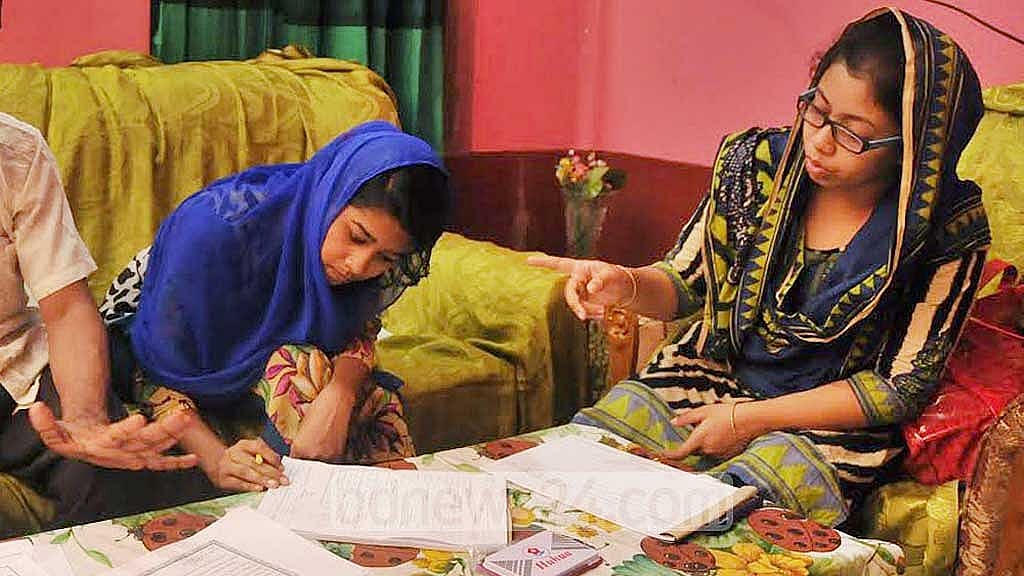
Events following Aug 5, 2024 -- when the political tide turned decisively -- remain fresh in public memory, shaping how voters assess parties and promises.
Analysts broadly agree: youth and women are now the decisive electoral blocs.
FROM UPRISING TO INTERIM RULE
The path to this election has been turbulent.
Since the fall of the Awami League government, the interim administration has presided over a period marked by mob violence, obstruction of girls’ sporting events, cancelled cultural programmes, attacks on shrines, arrests of Baul singers, assaults on newsrooms, vandalism, mass arrests, denial of bail, and disputed contracts and development projects.
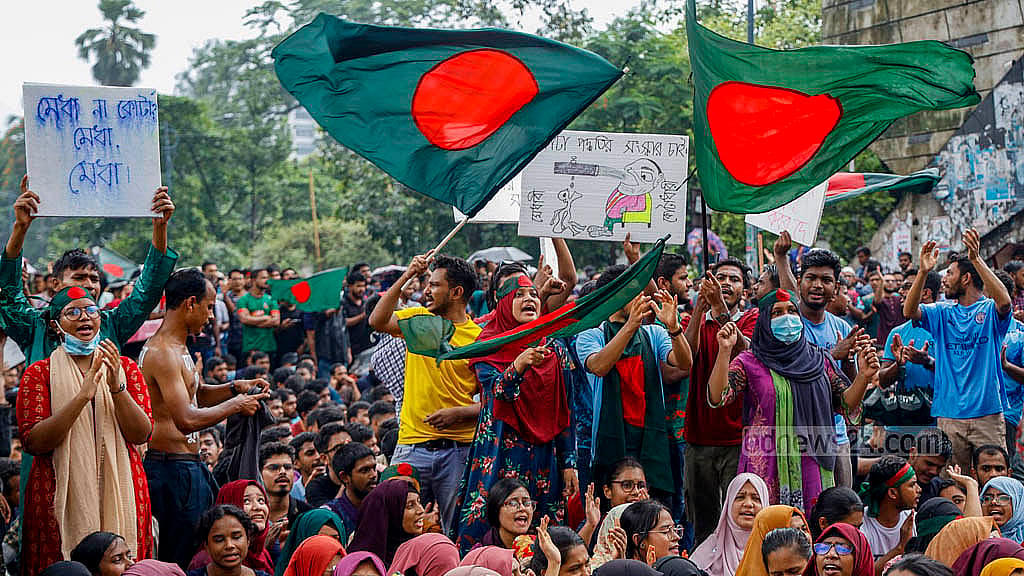
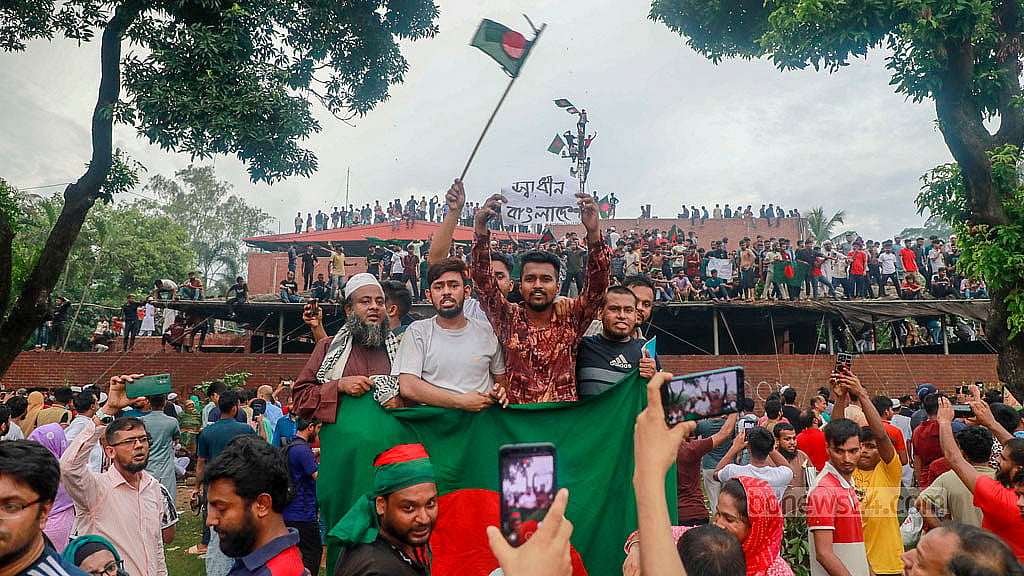
The July 2024 movement marked a turning point. What began as protests over civil service quota reforms evolved into a broader Student–People’s Uprising. Young people formed its backbone. Women stood at its front lines.
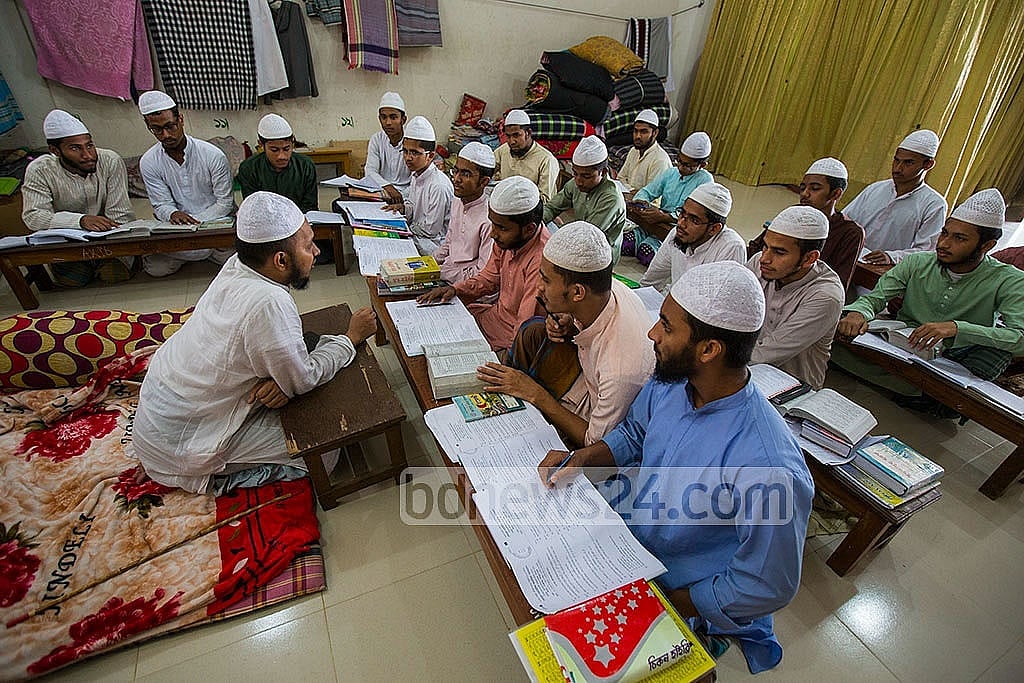
Familiar faces soon emerged -- many now leaders of the National Citizen Party (NCP). Behind the scenes, Jamaat-e-Islami’s student wing, Islami Chhatra Shibir, was widely believed to have played a strategic role.
Jamaat-aligned groups later swept student union polls at major universities, though controversial actions by union leaders repeatedly drew criticism. When the NCP joined an electoral alliance with Jamaat, internal splits followed, deepening scepticism. Debate over remarks attributed to Jamaat’s leadership about women has refused to fade.
JAMAAT AS PRINCIPAL CHALLENGER
With the Awami League absent, Jamaat-e-Islami has emerged as the principal challenger to the BNP, leading a front of 10 Islamist and centrist parties.
Rakib believes Jamaat’s role in the anti-Awami League movement could attract up to one-third of young voters -- but not young women.
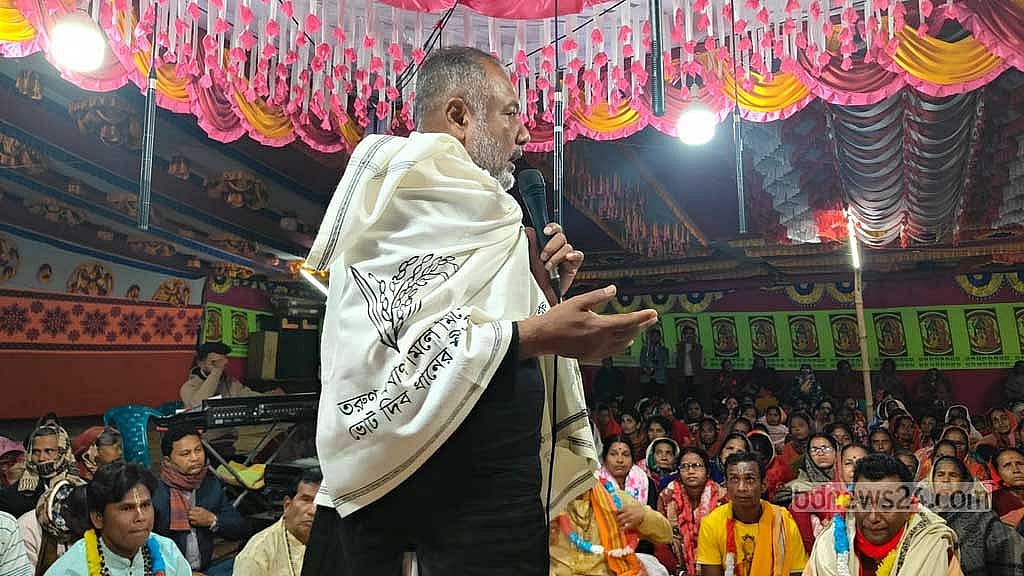
“Young voters want job security and corruption-free governance; women want safety,” he said. “Both BNP and Jamaat are targeting these groups, but neither has earned full trust.”
“Young voters will choose the lesser evil. Jamaat supporters will prioritise corruption-free governance. But ideologically, many young women will lean towards the BNP.”
NUMBERS THAT MATTER
The updated voter roll lists 127.7 million voters, including 45 million aged 18–35.
Election Commissioner Md Anwarul Islam said voters aged 18 to 35 make up more than one-third of the electorate.
“If a significant portion of them vote,” he said, “whichever way their votes go will have a substantial impact.”
WOMEN’S ANXIETIES, WOMEN’S CHOICES
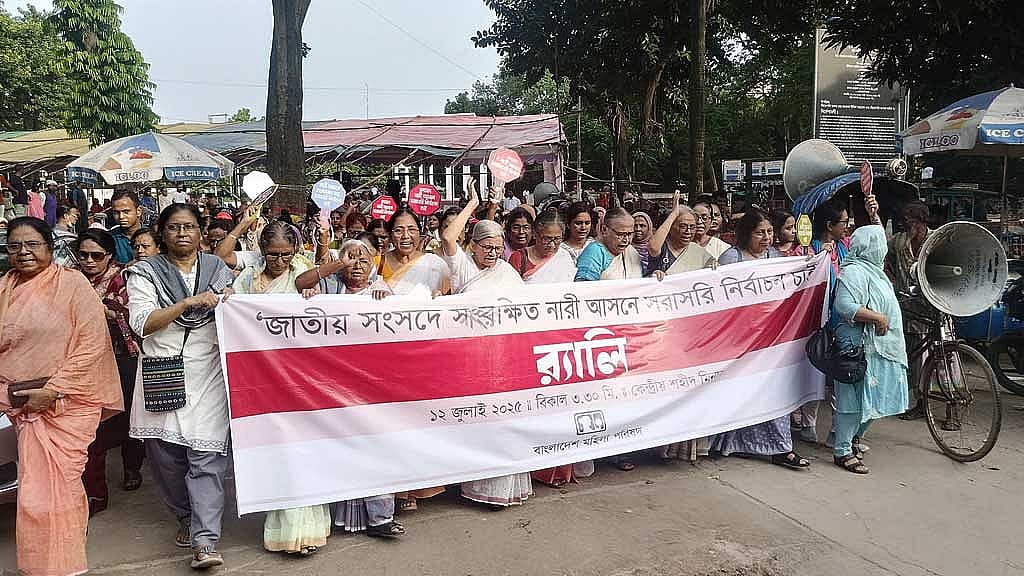
Although women stood at the forefront of the July Uprising, they have since been sidelined in reform discussions. Islamist protests stalled the Women’s Reform Commission report.
Young professional Samia Tabassum believes competence and integrity will matter most.
“Women will choose the candidate under whom they won’t be pushed into a corner,” she said.
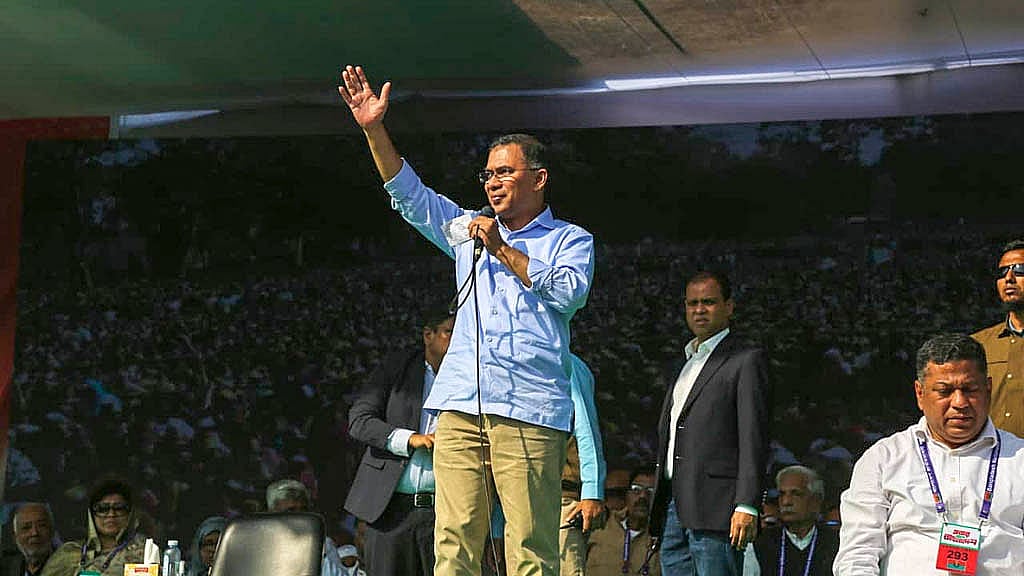
Ditan points to concrete fears: unsafe commuting, threats to working hours, and economic insecurity.
In October, Jamaat chief Shafiqur Rahman promised to reduce professional mothers’ working hours -- a pledge that drew sharp criticism before being reframed as respect.
ANALYSTS WEIGH IN
Election analyst Abdul Alim said young voters are more conscious than ever, many voting for the first time.
Political analyst Prof Zobaida Nasreen said women occupy the “central space” of this election.
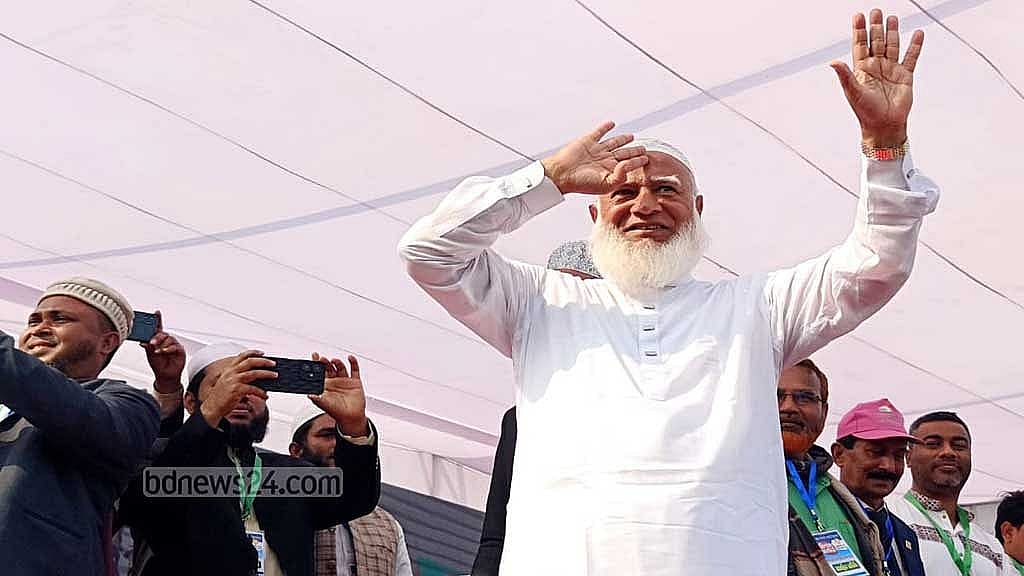
“Women make up half the electorate,” she said. “If they prioritise autonomy and reject misogyny, their votes will create a large margin.”
In a country still reckoning with its past, the ballot may finally speak in the voices of those who once marched at the front.