Home
+
Published : 08 Jun 2026, 08:28 PM
Flashpoint Focus: West Asia
Ceasefire under fire: Direct missile exchanges push the fragile April truce to its absolute limits, stoking fears of full-scale war
Multi-front flashpoint: Strikes spanning Iran, Israel, Lebanon and Yemen interlink the theatres, making local stabilization harder
US leverage tested: Strikes inside Iran raise urgent questions over Israel's coordination with Washington amid suspected leadership rifts
A series of Israeli airstrikes overnight across Iran, with explosions reported in Tehran, Tabriz, Karaj and Isfahan, has marked the most serious escalation between Israel and Iran since a ceasefire took effect in April, according to Al Jazeera.
The latest exchange on Monday followed Iranian missile launches towards northern Israel, which Tehran said were retaliation for Israeli military operations in Lebanon.
Israel has maintained that its attacks there are aimed at a proxy group allied with Iran.
US President Donald Trump called on both sides to stop the fighting, urging them to immediately halt “shooting” in a post on his Truth Social platform.
His remarks came amid growing speculation of differences between Washington and Israel over how to handle negotiations with Iran.
Rising Cycle of Retaliation
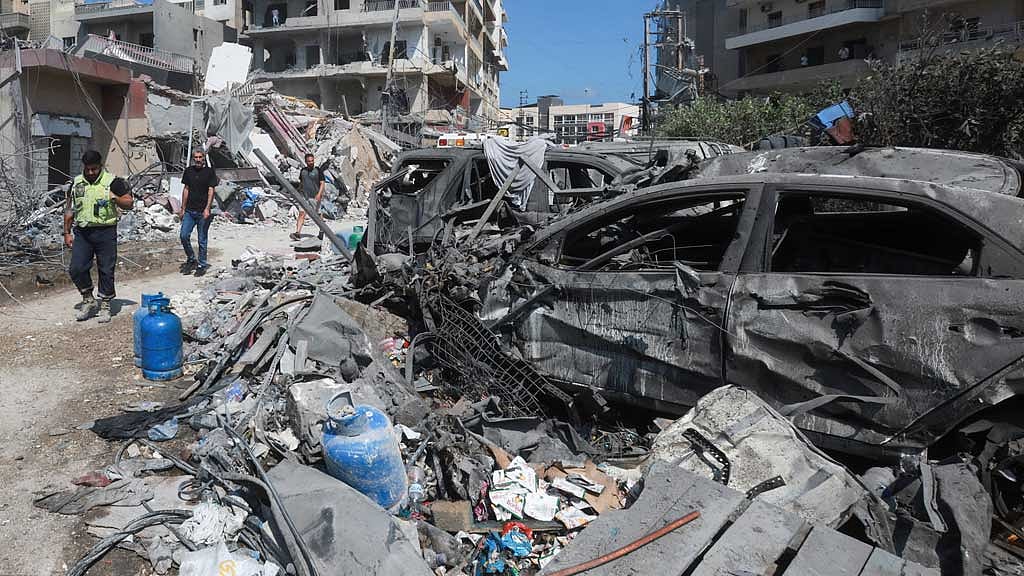
Israel had struck Beirut’s southern suburbs earlier in the week, killing at least two people, despite a US-led ceasefire framework announced on Jun 4.
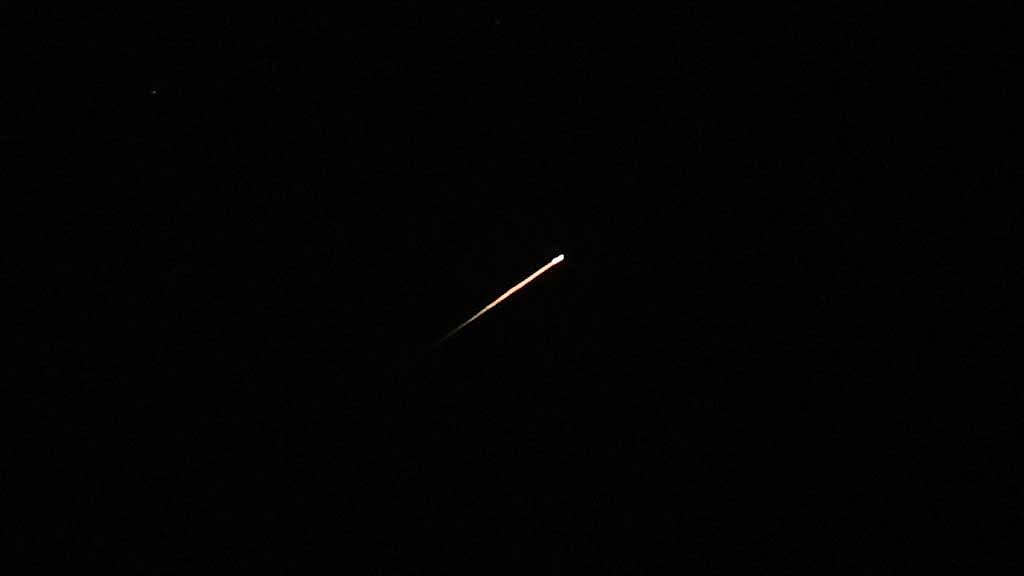
In response, Iran launched missiles towards northern Israel.
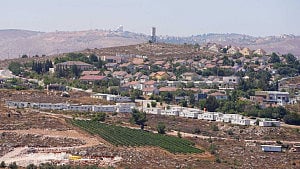
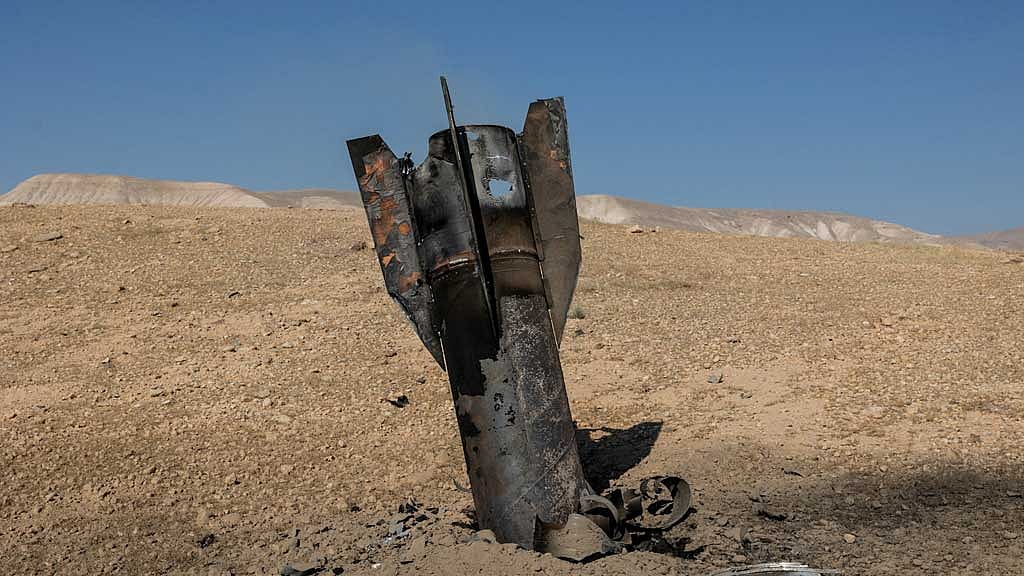
While most were intercepted, debris was reportedly found in neighbouring areas, including Jordan and the occupied West Bank.
Israel then responded with overnight strikes inside Iran, while Tehran followed with additional missile attacks.
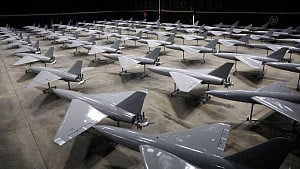
According to Israeli media outlet Haaretz, cited by Al Jazeera, around 30 ballistic missiles have been launched since Sunday night.
Missile activity has also been reported from Yemen, with the Houthis claiming involvement, while Hezbollah continues operations in southern Lebanon amid ongoing Israeli military activity.
Ceasefire Under Strain
The latest exchanges mark the first direct Iranian missile attack on Israel since the April ceasefire framework and the first time Iran has responded directly from its own territory to Israeli strikes in Lebanon.
Iran has repeatedly insisted that progress in nuclear and diplomatic talks with Washington depends on Israel halting military operations in Lebanon, where Israeli forces reportedly continue to maintain a significant presence.
Analysts say the conflict is now interlinked across Iran, Israel, Lebanon, Yemen, making the ceasefire framework increasingly fragile, according to Al Jazeera.
Washington’s Role under Scrutiny
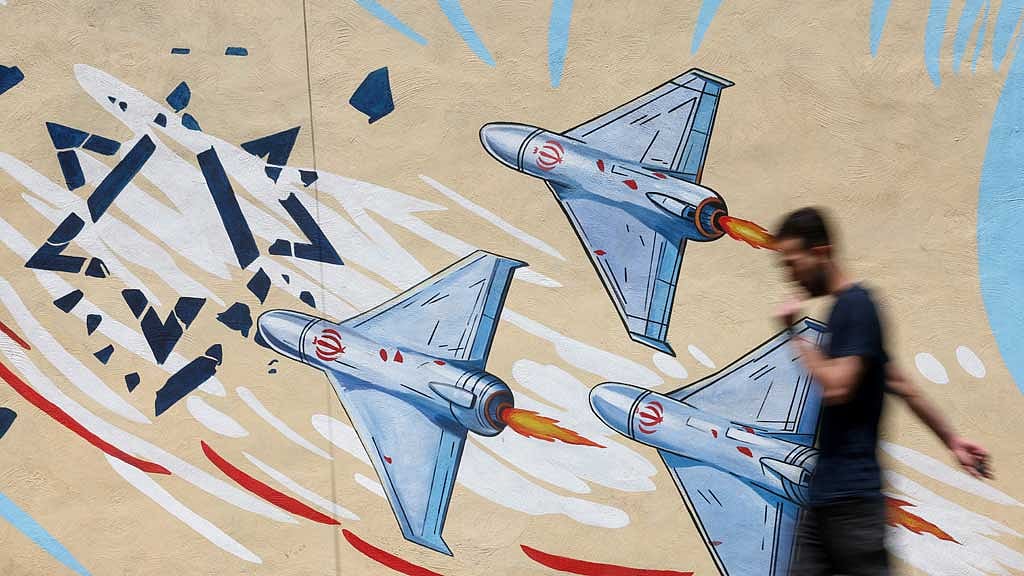
President Trump has asserted that Israel must ultimately follow Washington’s lead in any agreement with Iran, telling the Financial Times that he “calls all the shots”.
However, Israel’s subsequent strikes inside Iran raised questions over whether it is coordinating fully with Washington.
Reports of tensions between Trump and Israeli Prime Minister Benjamin Netanyahu have surfaced repeatedly in recent weeks, although the US continues to publicly support Israel.
Some analysts quoted by Al Jazeera argue that Israel’s actions risk undermining US diplomatic efforts.
Others say the gap between Washington’s calls for restraint and Israel’s military response could become a key fault line in the conflict.
Lebanon Intensifies Regional Stakes
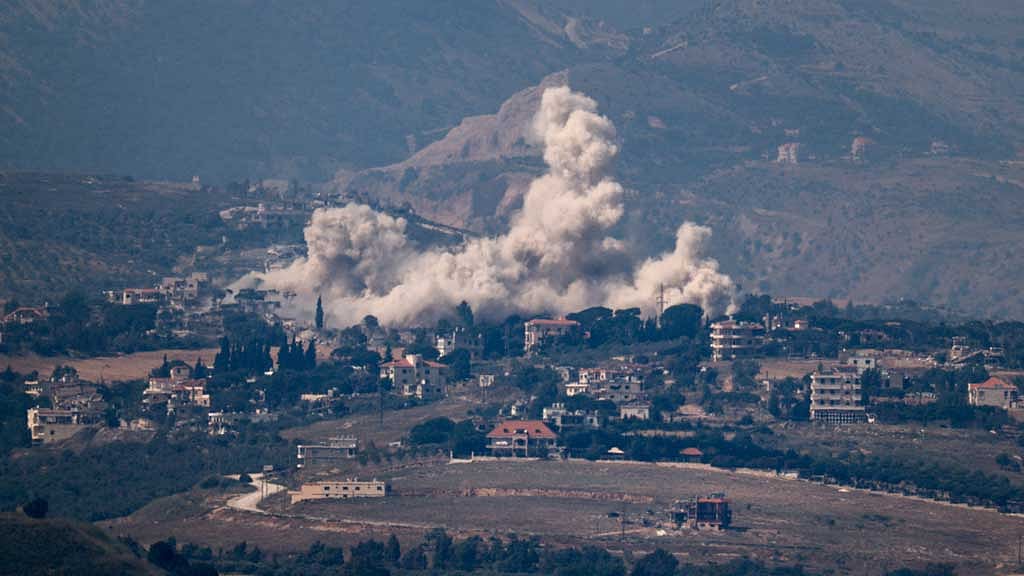
The conflict in Lebanon remains central to the escalation.
Israeli forces have continued operations in southern Lebanon despite ceasefire announcements, while Hezbollah has maintained resistance.
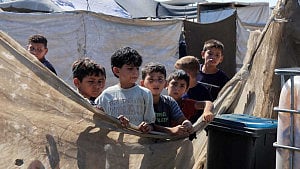
More than 3,000 people have reportedly been killed in Lebanon since March, with large-scale displacement continuing in the south.
The ceasefire framework announced in April and later reinforced in June has failed to halt cross-border violence, with both Israel and Iran now effectively treating violations in one theatre as justification for escalation elsewhere.
Risk of Wider Escalation
Analysts cited by Al Jazeera warn that Iran’s decision to launch missiles directly from its territory, rather than through allied groups, marks a significant shift in strategy.
However, both sides appear to be calibrating their actions, with strikes described as limited and largely intercepted, suggesting deterrence rather than immediate escalation to full-scale war.
The key question now, analysts say, is whether the United States intervenes diplomatically or militarily, and whether Washington can restrain its closest regional ally as tensions continue to rise across multiple fronts.